

Use a moisture absorber for medicine cabinet to protect pills from humidity.
If you store meds in the bathroom, you fight steam every day. I’ve tested many ways to keep meds dry. A moisture absorber for medicine cabinet is a simple fix that works. In this guide, I’ll show you what to use, where to place it, how to care for it, and how to avoid common mistakes. You’ll get clear steps, smart picks, and tips from real use.
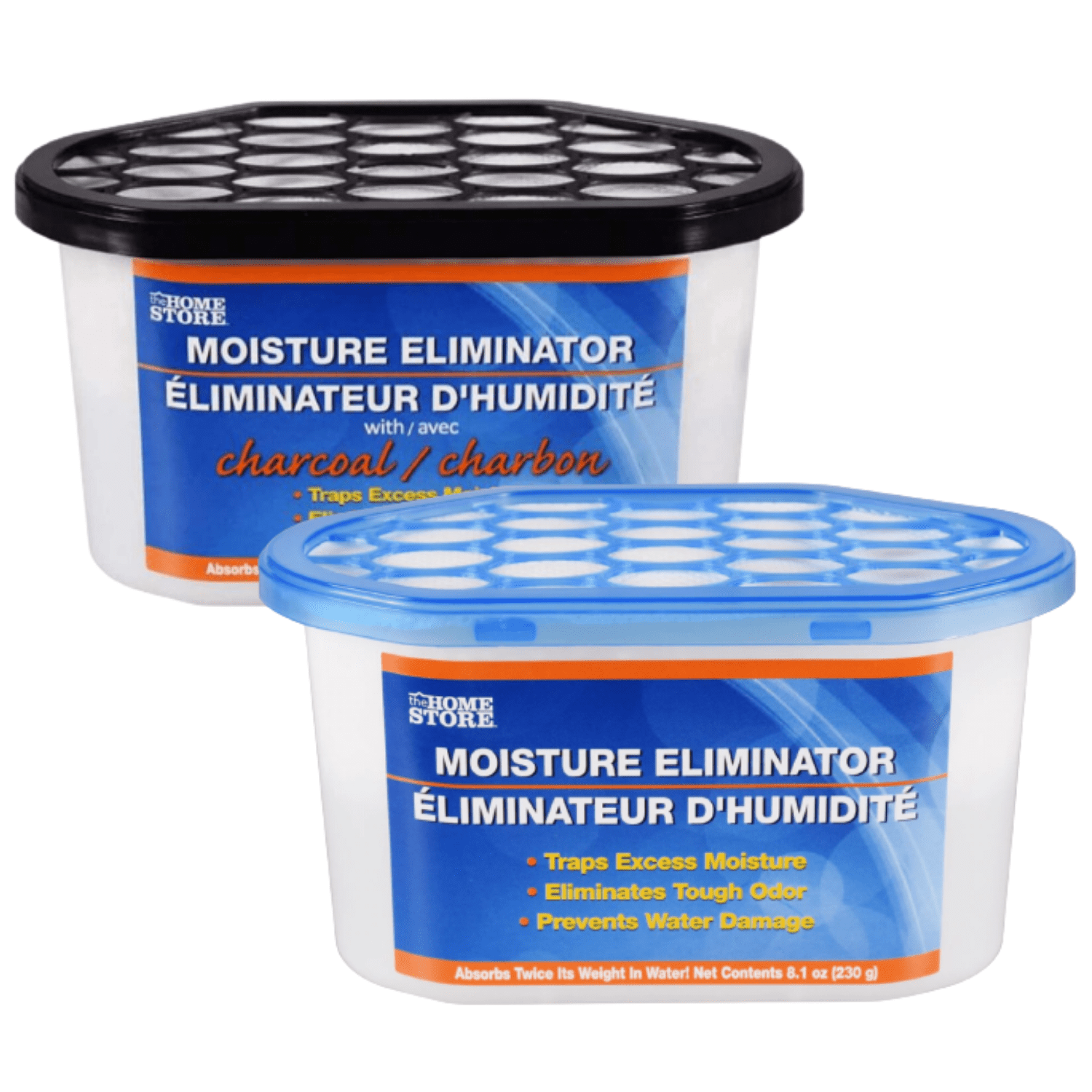
Why humidity builds up in a medicine cabinet
Shower steam raises moisture fast. The small space of a cabinet traps that damp air. Warm air hits cooler walls and makes tiny drops. That damp air lingers.
Bathrooms often sit above 60% humidity. Many pills do best at 35% to 55% humidity. That gap is why pills clump, labels curl, and strips fail. A moisture absorber for medicine cabinet helps close that gap. It cuts peaks after showers and keeps air steady.
Still, airflow matters. No fan, long hot showers, and a cabinet on an outside wall all add up. Add a small absorber and better airflow for best results.

What moisture does to medicines and supplies
Moisture can break down pills. Aspirin can smell like vinegar when it breaks apart. Powders and dry herbs can cake. Gel caps can stick. Strips for glucose meters can give bad reads. Bandages lose their stick.
Over time, this wastes money. It can also risk your health. A moisture absorber for medicine cabinet keeps the air dry. That helps meds keep their form, dose, and shelf life.
If a pill looks soft, swollen, or smells odd, do not use it. Check the label and talk to a pharmacist.
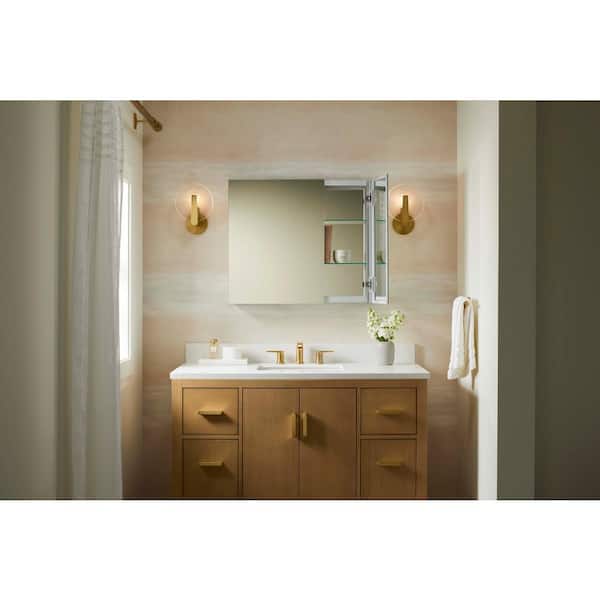
Types of moisture absorber for medicine cabinet
You have many choices. Pick based on size, wetness, and budget.
- Silica gel packs. Great for small spaces. Fast at soaking light damp. You can get indicator beads that change color.
- Rechargeable silica canisters. Plug in to dry and reuse. Good long-term pick.
- Calcium chloride tubs. Strong at high damp. Best for larger rooms, but some mini tubs fit cabinets. Keep sealed and upright.
- Clay desiccant. Budget option. Works slower than silica. Fine for steady, mild damp.
- Activated charcoal. Helps with odor, not great at high water uptake. Pair with silica.
- Mini electric dehumidifier. Rare for a cabinet. Needs power and space. Better for the bathroom, not inside the cabinet.
A moisture absorber for medicine cabinet should be compact, sealed, and spill-safe. I like indicator silica canisters for most homes. They give a clear signal and are easy to reuse.

How to choose the best moisture absorber for medicine cabinet
Use these simple checks:
- Size and fit. Measure your shelf. Leave space for air to move.
- Capacity. For a small cabinet, 20–50 grams of silica works well.
- Indicator. Look for color beads. They show when to recharge or replace.
- Safety. Pick a sealed case with vents. Keep away from kids and pets.
- Odor neutral. If scent bothers you, avoid scented units.
- Reuse or refill. Rechargeable canisters cost more at first but save later.
- Build quality. Solid shells and tight lids prevent spills.
A moisture absorber for medicine cabinet should feel sturdy. If it rattles or leaks beads, skip it.
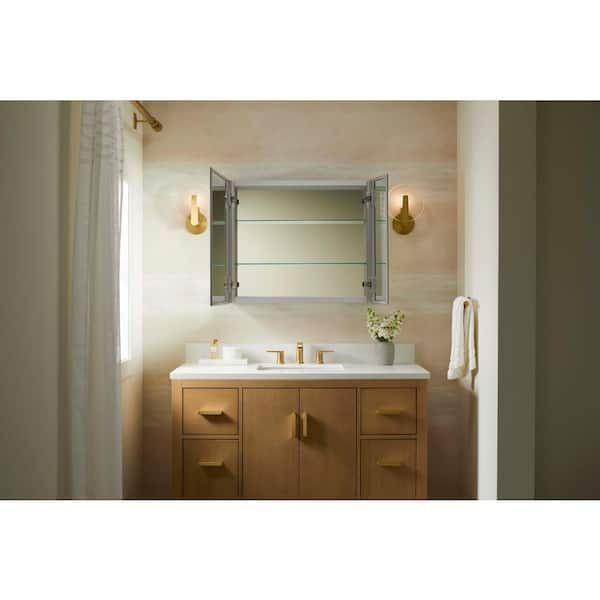
Step-by-step placement and setup
Follow this simple plan:
- Empty the cabinet. Wipe it dry. Check for leaks or damp spots.
- Place a small hygrometer inside. This helps you track humidity.
- Put the moisture absorber for medicine cabinet on a low shelf. Leave space around it.
- Keep it away from liquids and from direct drips.
- Do not store meds right against the back wall. Leave a small gap.
- Group meds in bins or trays. This helps airflow and keeps labels dry.
- Close the door fully. Avoid gaps that let steam pour in.
- After showers, run the fan for 20 minutes. Keep the door closed.
- Check the absorber weekly at first. Note changes in the hygrometer.
- Replace or recharge when the indicator shows it is full.
Small changes add up. The right placement can cut damp spikes by a lot.

Maintenance and monitoring
A moisture absorber for medicine cabinet is low care. Still, set a simple routine.
- Check the indicator once a week.
- Recharge silica canisters when beads change color. This can be every 2–6 weeks.
- Swap disposable packs every 1–3 months, faster in summer.
- Track humidity. Aim for 35% to 55% inside the cabinet.
- Wipe the shelves once a month. Dust can hold moisture.
- If you see beads leak or clump, replace the unit.
For disposable units, seal them in a bag before trash. Read the label for safe disposal. Wash hands after handling.

DIY vs store-bought options
DIY can help in a pinch. But results vary.
- Rice. Common advice, but it is not great. It absorbs slow and can mold.
- Baking soda. Good for odor, weak for water. Use as a backup, not the main fix.
- Bulk silica gel. Works well. Put in a breathable pouch or can with vent holes. Add an indicator card.
I’ve tried all three. Bulk silica was the only DIY that beat a store unit. Still, a sealed, indicator canister was easier and safer.
A store-bought moisture absorber for medicine cabinet saves time. It also lowers risk of spills and mess.

Safety, regulations, and smart storage habits
Best practice says store meds in a cool, dry place. The bathroom is often not ideal. If you must use it, a moisture absorber for medicine cabinet helps a lot.
Use these habits:
- Keep original bottles with tight caps.
- Use a second, sealed bin for strips and patches.
- Label everything. Add dates when you open packs.
- Keep the cabinet high and locked if kids visit.
- Never place food or vitamins next to chemicals like cleaners.
When in doubt, ask a pharmacist. If a drug changes color, form, or smell, do not use it.
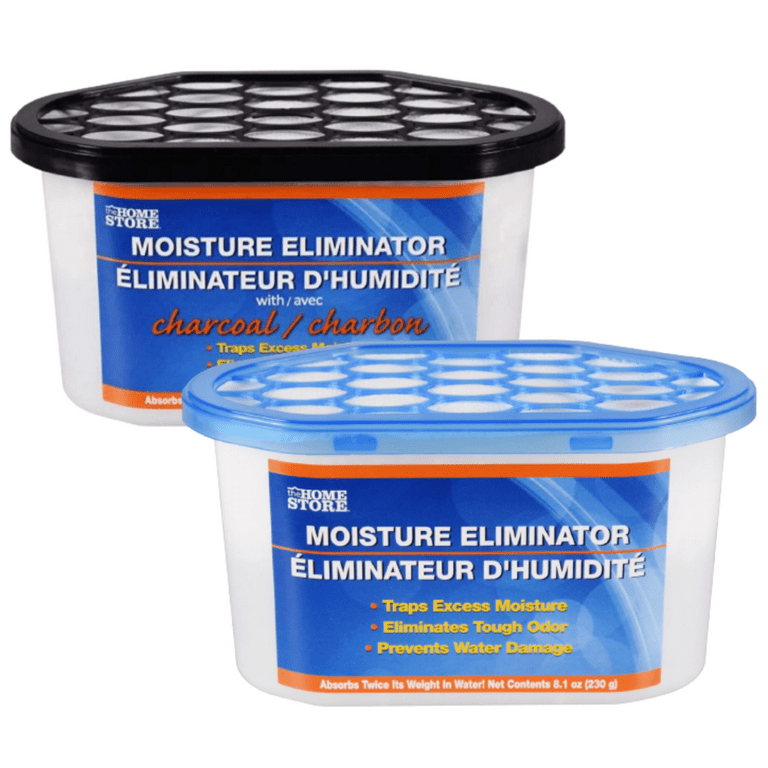
Troubleshooting persistent moisture problems
If humidity stays above 60%, act on the room, not just the cabinet.
- Run a strong exhaust fan during and after showers.
- Fix leaks and caulk gaps near the tub and sink.
- Shorten showers or lower water temp to cut steam.
- Add a small bathroom dehumidifier.
- Move the cabinet away from the shower wall if you can.
- Keep the shower door or curtain open after use to vent.
A moisture absorber for medicine cabinet works best with good airflow and dry habits. Combine tools for the biggest win.
Cost, lifespan, and value
Think total cost over a year.
- Disposable silica packs. Low upfront. Replace often. Great for trials or rentals.
- Rechargeable canisters. Medium upfront. Low ongoing cost. Good for long-term use.
- Calcium chloride tubs. Cheap per unit. Can over-dry small spaces and may drip if tipped.
- Hygrometer. Low cost. High value. Helps you act at the right time.
For most homes, a rechargeable moisture absorber for medicine cabinet plus a hygrometer is the best value. It is simple, clean, and lasts for years.
Frequently Asked Questions
How often should I replace a moisture absorber for medicine cabinet?
Check weekly at first. Replace or recharge when the indicator shows it is full or when humidity climbs.
Is it safe to place a moisture absorber next to pill bottles?
Yes, if the case is sealed and vented. Keep a small gap so air can flow around both.
Can I recharge silica gel in my oven?
Yes, many canisters allow oven recharging. Follow the label for time and temperature to avoid damage.
Will a moisture absorber remove bathroom odors too?
Some help a bit, like charcoal or baking soda. For strong odors, improve airflow and clean often.
Do I still need one if I do not shower in that bathroom?
Maybe. Humidity can drift through a home. Use a hygrometer to decide if a moisture absorber for medicine cabinet is needed.
Should I store all medicines in the bathroom?
If you can, store them in a cool, dry room. If the bathroom is the only option, use a moisture absorber for medicine cabinet and keep the fan on after showers.
Conclusion
A dry cabinet protects your medicines, your money, and your peace of mind. Pick a compact, sealed unit, place it well, and check it on a simple schedule. Pair your moisture absorber for medicine cabinet with good airflow and smart storage and you will see steady results.
Try one change today. Add a hygrometer, place a small canister, and note the drop in humidity. Want more practical tips? Subscribe for new guides, or drop a comment with your setup and questions.