

Marine absorbers are tougher and salt-ready; home products suit mild indoor humidity.
If you’re weighing a marine moisture absorber vs home use, you’re in the right place. I’ve fitted moisture control on boats, in basements, and even inside gear lockers. In this guide, I’ll show you how marine-grade desiccants differ from home-focused options, when to use each, and how to size, place, and maintain them for real results. We’ll compare materials, cost, safety, and performance so you can make a smart, stress-free choice.
Marine moisture absorber vs home use: What actually changes at sea
Life at sea is brutal on gear. Boats deal with constant humidity, salt air, and temperature swings. That mix drives corrosion and mold fast. A marine moisture absorber needs to be rugged, absorb more water, and stay stable in motion.
The main threats offshore are salt aerosols, leaks, and closed cabins. You also see wet bilges and damp lockers. These create a high-moisture microclimate. Home spaces do not face salt, and humidity spikes are usually short.
Marine products often use stronger casings and brine-safe pouches. Many also include tie points and drip trays. Some hang in cabins and hold liquid without spilling, even in swell. That is the core gap in marine moisture absorber vs home use.

Marine moisture absorber vs home use: Indoor needs and rooms
Homes fight mild to moderate humidity. Basements, bathrooms, closets, and RVs are the main hot spots. The EPA suggests indoor humidity between 30% and 50%. Above 60%, mold risk climbs.
Home products focus on ease of use. You get tubs, hanging bags, and small canisters. Most use calcium chloride or silica gel. They work well in closed rooms and storage bins.
The load is lower at home than offshore. But coastal homes still see salt and higher moisture. In those cases, you may borrow a few marine tricks. That is a key lesson in marine moisture absorber vs home use.
Materials and tech explained
Different materials suit different jobs. Here is the short guide I give clients.
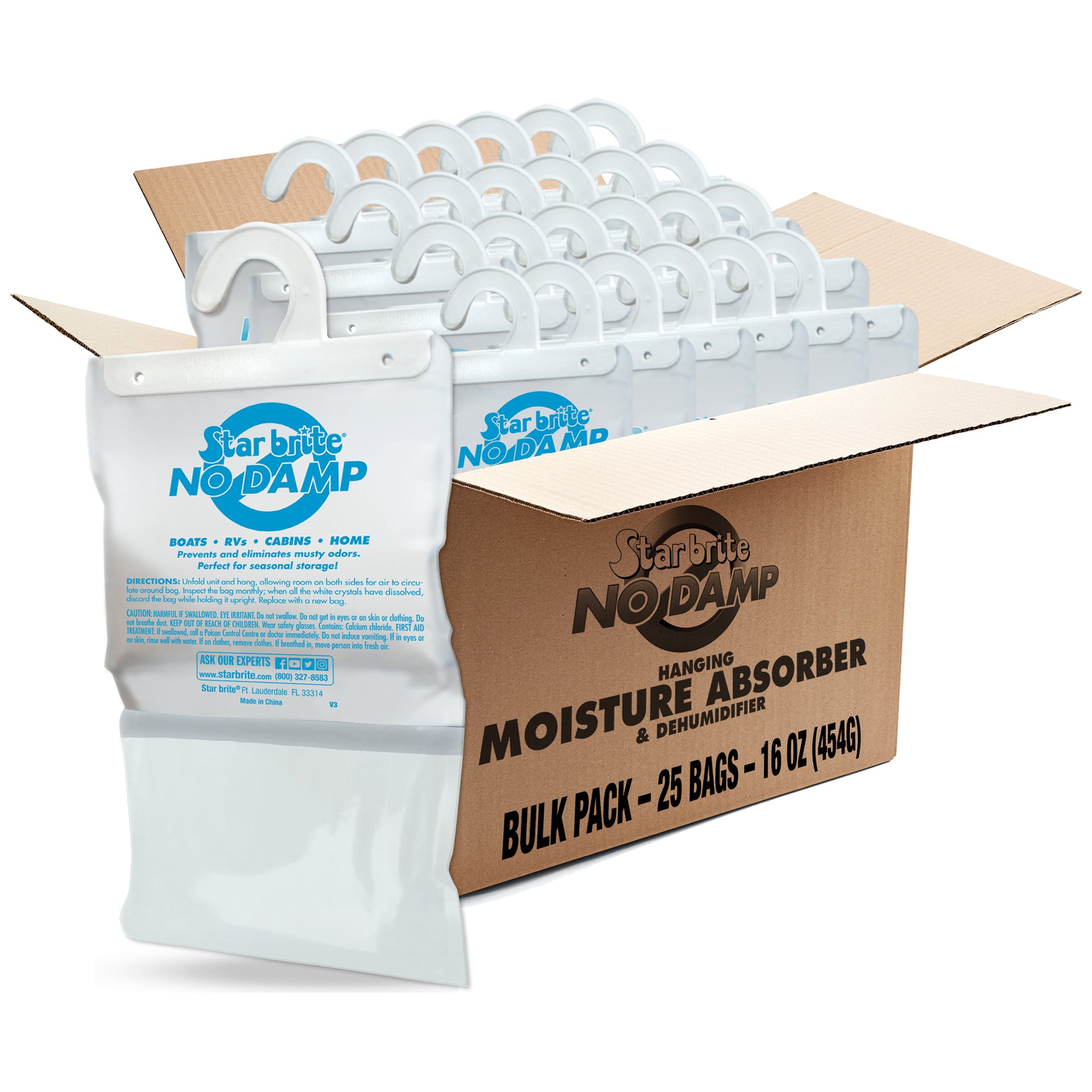
- Calcium chloride: Pulls a lot of water fast. Turns to brine. Great for closed cabins, basements, and lockers.
- Silica gel: Good for gear cases, electronics, and small spaces. Reusable if you dry it in an oven or with a plug-in unit.
- Clay or molecular sieve: Stable and robust. Used in sealed packs and some industrial kits.
- Rechargeable desiccants: Plugin units re-dry the beads. No spill risk. Best for small rooms and closets.
At sea, calcium chloride pouches with strong outer bags shine. They hold liquid in motion. For home use, tubs and hanging bags are easy and cheap.

Marine moisture absorber vs home use: Side-by-side quick checks
When choosing between a marine moisture absorber vs home use, ask these simple questions.
- Will there be motion, spray, or salt air exposure? Go marine-grade.
- Is the space sealed and small? Silica gel or small tubs are fine.
- Do you need fast pull-down after a wet day? Calcium chloride wins.
- Are you near the coast? Consider marine-grade for closets and garages.
- Do you store tools, sails, or electronics? Use sealed packs or gel near the item.
This is the smart way to match the tool to the job. It keeps costs low and results high.

Sizing and placement that actually works
Sizing matters more than brand. Undersized units will disappoint. Oversized units waste money. Here is a simple starting point.
- 100 to 200 square feet, mild humidity: One 10–16 oz tub or bag.
- 200 to 500 square feet, moderate humidity: Two medium tubs or one large marine pouch.
- 500 to 1,000 square feet, high humidity: Multiple large marine pouches or a dehumidifier.
Place units high in closets and cabins, away from direct water drips. Spread units in corners to catch damp air pockets. In boats, add one near the bilge area and one in the V-berth. Use trays to prevent spills. This rule works for both sides of marine moisture absorber vs home use.

Safety, spills, and disposal
Calcium chloride turns into brine. It is salty and can irritate skin. It can also corrode bare metal if leaked. Use sealed pouches or tubs with secure lids, and keep off wood and steel.
Silica gel is cleaner. Still, keep it away from kids and pets. Some packets change color using cobalt-free dye. Follow labels for recharging.
Dispose of spent brine per local rules. Many places allow drain disposal with lots of water. Check your city guidance. This is an overlooked point in the marine moisture absorber vs home use debate.
Cost and ROI: What you actually spend
Marine units cost more. You pay for stronger fabrics, anti-spill design, and higher capacity. Home units are cheaper per piece but may not hold up on a boat.
Think in cost per month of dry protection. A marine pouch may last 1 to 3 months in a closed cabin. A home tub may last 1 to 2 months in a closet. In very damp spaces, a small electric dehumidifier can beat both on cost over a season.
Use a log. Note start date, room size, and humidity if you can. Replace on schedule. It will save money and gear.

When a dehumidifier beats any absorber
Desiccants shine in sealed spaces and storage. But if the space is large or air leaks a lot, an electric dehumidifier wins. It moves air and keeps humidity steady.
ASHRAE comfort data shows stable humidity helps comfort and reduces mold risk. Pick a unit with auto-drain or a built-in pump. For boats on shore power, a small marine dehumidifier can protect the whole cabin.
If you must choose, try this: use a dehumidifier for the main room and desiccants for lockers, drawers, and gear cases.

Marine moisture absorber vs home use: Real-world use cases
Here are quick matches that work well.
- Sailboat under cover: Marine pouches in cabins and lockers, silica gel in electronics boxes.
- Fishing boat in water: Marine pouches near bilge and helm, check weekly.
- Basement storage: Home tubs for shelves, rechargeable gel for photo bins.
- Closet with winter coats: One hanging bag, change every 4–8 weeks.
- RV in winter: Mix of tubs and rechargeable gel canisters.
These setups come from years on docks and in homes. They show the core of marine moisture absorber vs home use in action.
Installation: simple steps that stop moisture fast
Follow these steps for a clean install in boats or homes.
- Inspect the space. Note leaks, drafts, and musty spots.
- Fix the source. Seal leaks and improve airflow where you can.
- Choose the media. Calcium chloride for fast pull. Gel for small spaces.
- Size it right. Use at least one unit per enclosed section.
- Place safely. Keep off metal, wood finishes, or fabrics without a tray.
- Log the date. Set a reminder to check and replace.
Small actions up front save you hours later.
Maintenance and troubleshooting
If an absorber fills too fast, the space may be too wet. Add another unit or switch to an electric dehumidifier. Also check for hidden leaks.
If there is no change in smell or moisture, the unit may be undersized or spent. Replace it and use a hydrometer to confirm results. In the marine moisture absorber vs home use choice, tools like a cheap humidity meter make all the difference.
If you see corrosion spots, move the absorber away from metal and add a drip tray. Wipe spills right away.
Buying checklist to avoid duds
Use this checklist and save time.
- Rated capacity in grams or ounces of water
- Spill-proof design and sturdy casing
- Hooks, straps, or trays for your space
- Refillable or recyclable cartridges
- Clear usage and disposal instructions
- Proven in salt air if used near the coast
Search for these points whether you buy marine or home products.
My field notes: lessons learned on docks and in basements
On my first liveaboard season, I used cheap home tubs in a rolling marina. Two spilled after a storm and stained a locker. I switched to marine pouches with sewn seams and no more mess.
At home, I used rechargeable gel in a camera case. It kept lenses clear all winter. The trick was to recharge on a schedule. These small wins shaped how I think about marine moisture absorber vs home use. Match the tool to the environment, and keep it simple.
Frequently Asked Questions of Marine moisture absorber vs home use
Can I use a home moisture absorber on my boat?
You can in calm, covered storage, but expect spills and faster saturation. For active boats or salt air, choose marine-grade pouches.
Do marine absorbers work better than electric dehumidifiers?
They work better in sealed spaces and without power. A dehumidifier is best for large rooms, continuous control, and active airflow.
Is calcium chloride safe around pets and kids?
Keep it out of reach. It can irritate skin and eyes and should not be ingested. Use sealed units and secure placement.
How often should I replace an absorber?
Every 1 to 12 weeks, based on humidity and size. Check the fill line or weight and set a reminder.
Will a moisture absorber stop mold?
It helps by lowering humidity below 60%. You still need to clean existing mold and fix leaks for full control.
What humidity level should I aim for?
Aim for 30% to 50% indoors. In boats, try to stay under 60% to reduce mold and corrosion risk.
Are silica gel packs reusable?
Yes. Many can be recharged by heating per the label or using a plug-in unit. They are great for small, sealed spaces.
Conclusion
Both options have a clear place. Marine units resist salt, motion, and spills. Home units simplify daily use and save money in mild conditions. Pick based on space, moisture load, and access to power, and you will get better, cleaner air.
Take one space today and apply the steps: inspect, fix sources, size right, and place well. You will see a real change in days. Want more tips like this? Subscribe for fresh guides, or leave a question and I’ll help you choose the best setup.