

Ideal closet humidity is 30–50% RH; aim near 45% year-round.
If your sweaters smell musty or shoes feel damp, your closet is telling you something. As a home care consultant, I’ve helped many people dial in the right humidity levels for closets. In this guide, I’ll show you the ideal range, why it matters, and the exact steps to keep your clothes, leather, and linens safe and fresh.
Why humidity in closets matters
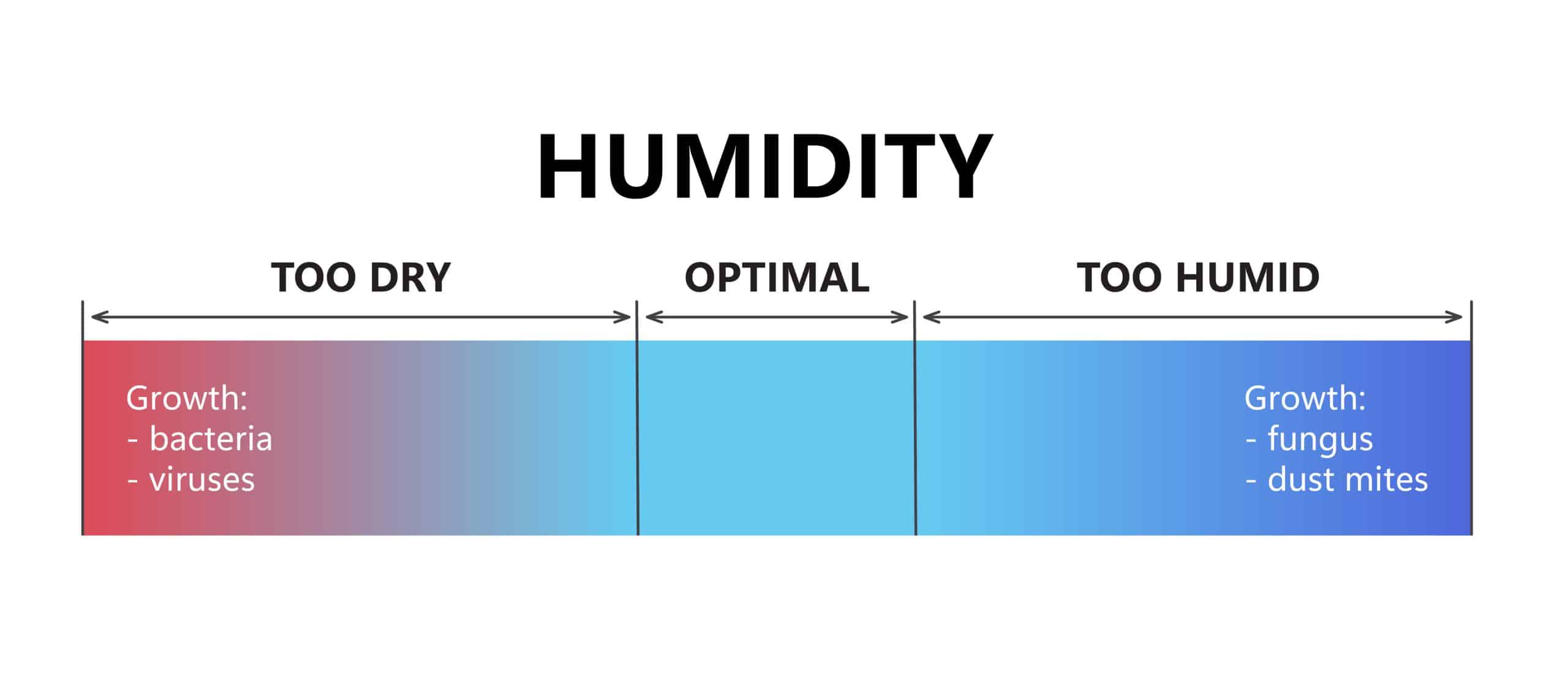
Closets trap air. When moisture builds up, mold and mildew grow fast. That means odors, stains, and health concerns. Wood shelving can swell, leather can spot, and metal can rust.
High humidity also invites dust mites and fabric pests. Low humidity makes fabrics brittle and leather crack. Getting the right humidity levels for closets protects your wardrobe and your home.
The ideal humidity range and temperature sweet spot
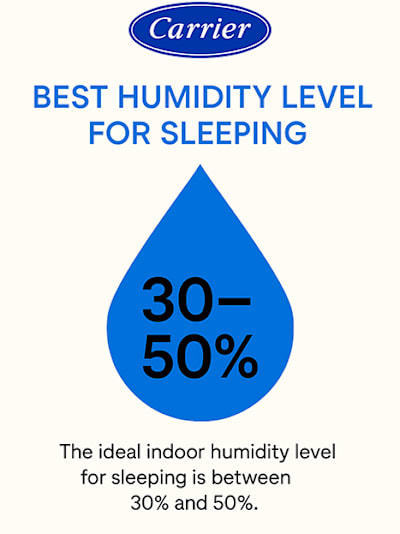
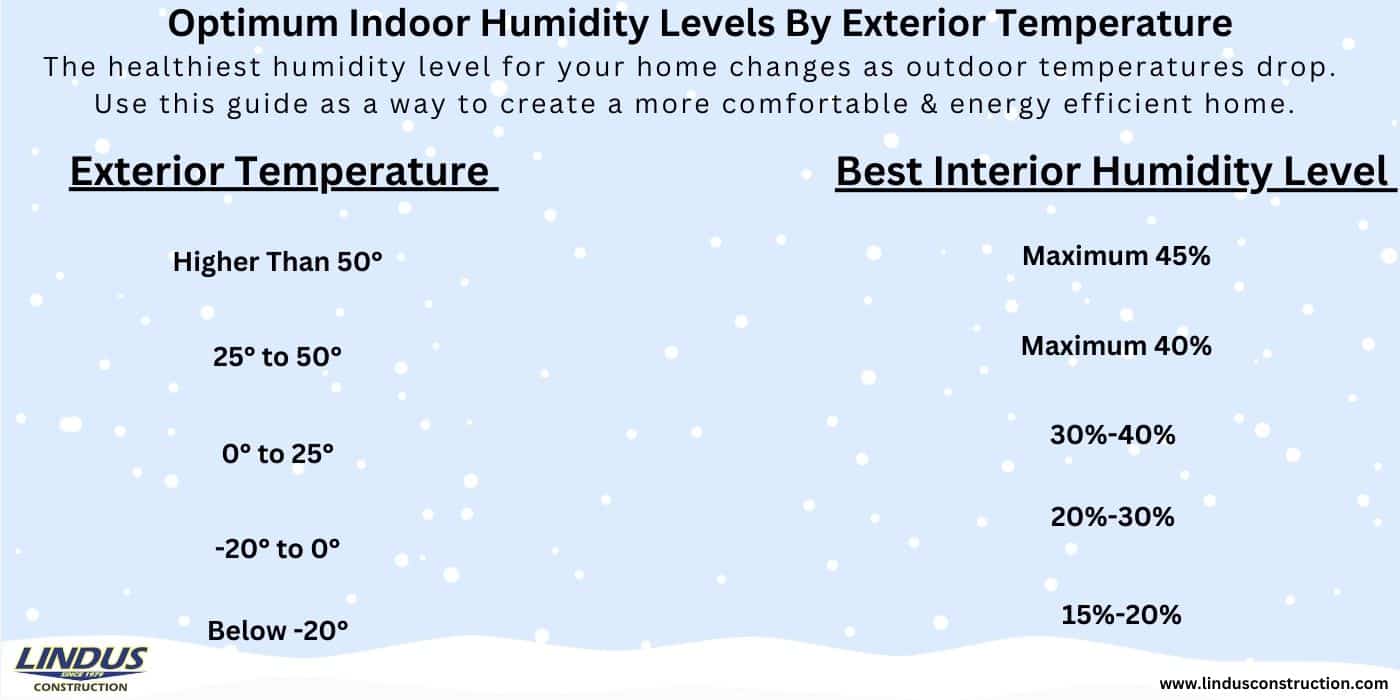
Aim for 30–50% relative humidity, with about 45% as the sweet spot. This range keeps mold at bay and protects textiles, leather, and paper. Keep closet temperature around 60–75°F for best results.
Think of dew point like a line where air gives up water. If closet air is warm and wet, water condenses on cool walls. Stable humidity levels for closets prevent that. When in doubt, target 45% RH and steady airflow.
How to measure humidity in a closet
Use a digital hygrometer. It is cheap, accurate, and easy to read. Place it at eye level, away from doors, vents, and exterior walls.
Better yet, use two meters: one near the floor and one near the top shelf. Log readings morning and night for a week. Smart hygrometers can send alerts if humidity levels for closets jump or drop suddenly.
How to lower humidity in a closet
Start simple before buying gear. Small fixes often do the most.
- Create airflow. Leave a small gap between clothes. Avoid packing items tight against walls.
- Swap solid doors for louvered doors, or add door grilles for ventilation.
- Use desiccants. Try silica gel or calcium chloride tubs for enclosed closets.
- Run a dehumidifier nearby. Keep the door ajar so drier air can circulate in.
- Seal sources of moisture. Fix leaks, pipe sweats, and foundation cracks.
- Add an exhaust fan if the closet is in a bathroom or laundry area.
- Elevate items off floors. Use shelves or shoe racks so air can move.
If humidity levels for closets stay above 55% for days, step up to a small compressor dehumidifier or a whole-room unit.
How to raise humidity if the closet is too dry
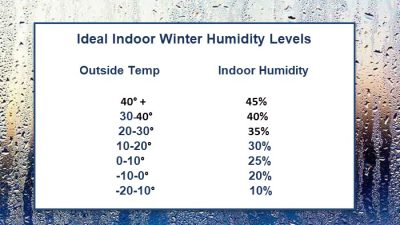
Very dry air can harm leather, wood, wool, and paper. If your RH dips under 30% in winter, add gentle moisture.
- Use a room humidifier outside the closet. Keep the door cracked to share moisture.
- Avoid direct steam in the closet. Dampness can get uneven and cause spots.
- Store leather with breathable covers, not plastic. Add a small, conditioned cedar block.
- Remove excess desiccants when RH is low.
Balanced humidity levels for closets protect both delicate fabrics and hard goods.

Seasonal and climate-specific tips
Weather swings hit closets hard because they have less airflow.
- Humid summers. Run AC and a dehumidifier. Wash and dry clothes fully before storage.
- Coastal homes. Salt air boosts corrosion. Use rust inhibitors for zippers and hardware.
- Basements. Add a vapor barrier and a dehumidifier. Keep items off concrete floors.
- Arid winters. Use a humidifier, but monitor daily to avoid overshooting.
- Large homes. Balance HVAC supply and return so closets do not become dead zones.
Tailor your plan to your climate, then watch humidity levels for closets monthly.

Storage tips by material
Different items react to moisture in their own way. A few small tweaks can save big repairs.
- Cotton and linen. Store clean and fully dry. Use breathable bins or bags.
- Wool and cashmere. Clean before storage. Add cedar or lavender to deter pests.
- Leather and suede. Keep 40–50% RH. Stuff shoes with acid-free paper, not newspaper.
- Paper, photos, and archives. Aim for 30–40% RH and stable temps. Use acid-free boxes.
- Metals and jewelry. Dry fully. Consider anti-tarnish strips in small boxes.
- Shoes and bags. Rotate out of boxes every few weeks to air them out.
Smart storage plus steady humidity levels for closets will stop most issues before they start.
Signs and troubleshooting: is moisture a problem?
Trust your senses first, then your meter.
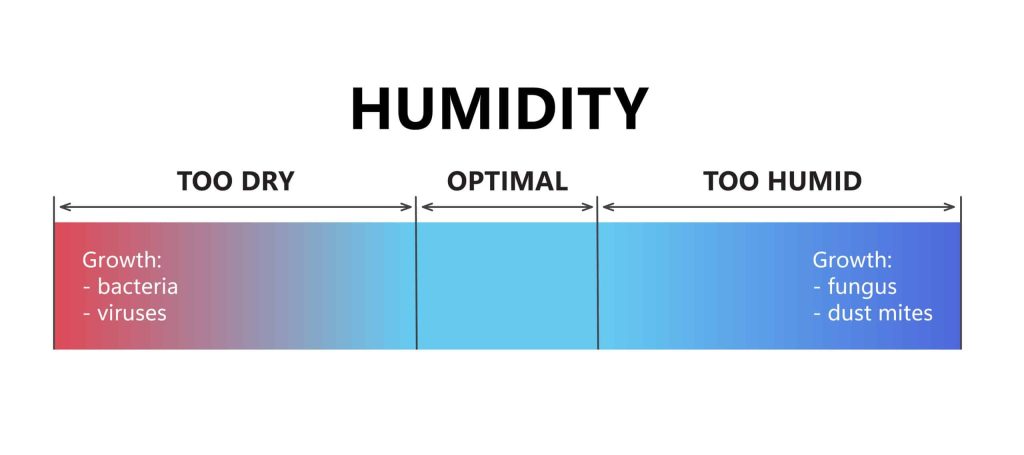
- Smells musty, feels clammy, or you see fuzzy spots. That’s mold risk.
- Yellowing, warping wood, sticky drawers, or rusty hardware. Humidity is high.
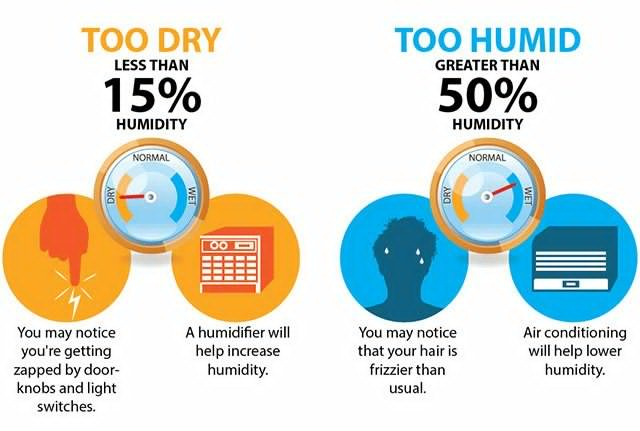
- Static shocks, cracking leather, or brittle paper. Air is too dry.
If readings show 55–60% RH for several days, act fast. Adjust airflow, add desiccants, or run a dehumidifier. Recheck humidity levels for closets after 48 hours.
Budget vs premium solutions
You can get results at any price point.
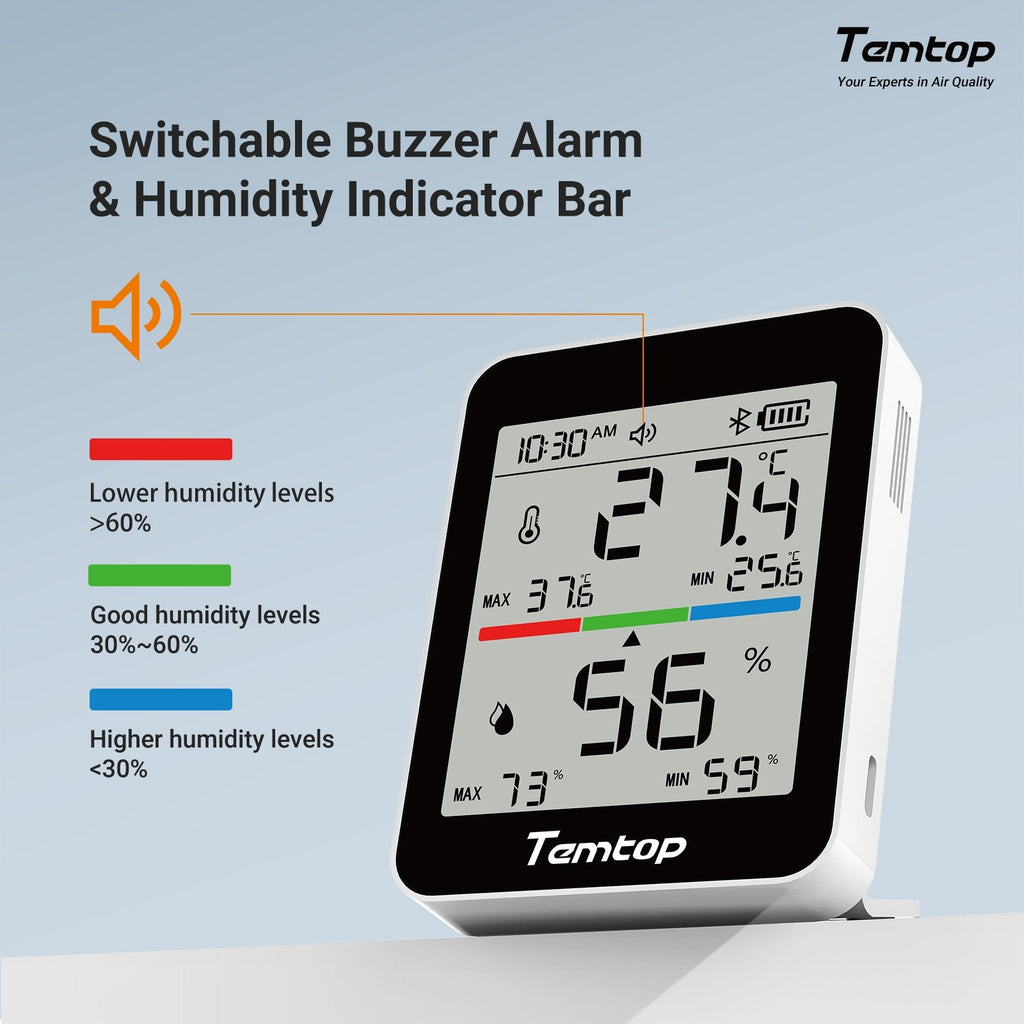
- Hygrometers. Basic: $10–$20. Smart: $30–$60 with app alerts.
- Desiccants. Refillable tubs: $10–$25. Silica gel packs: $10–$20 per set.
- Dehumidifiers. Small: $50–$120. Room size: $150–$300. Whole-home: higher upfront, lower effort.
- Doors and vents. Louvered door: $100–$250. Door grille kit: $20–$40.
Choose the smallest fix that keeps humidity levels for closets in range, then scale if needed.
My field notes and real-life examples
A client’s basement closet sat at 68% RH in July. We added a door grille, set a 30-pint dehumidifier nearby, and used two silica tubs inside. In three days, the closet stabilized at 46% RH, and the musty odor faded.
In a dry, heated condo, leather boots cracked at 25% RH. We removed extra desiccants, ran a room humidifier to 40–45%, and conditioned the leather. No more cracking. Small changes plus steady humidity levels for closets made the difference.
Quick maintenance checklist
Weekly
- Glance at your hygrometer. Target 30–50% RH.
- Crack the door for a few hours to flush stale air.
Monthly
- Rotate garments to avoid dead air pockets.
- Refresh desiccants or recharge silica packs.
Seasonal
- Deep clean. Wash, dry, and store items properly.
- Inspect for leaks, wall stains, and rust.
- Test dehumidifier or humidifier and clean filters.
These habits keep humidity levels for closets stable year-round.
Frequently Asked Questions of humidity levels for closets
What is the best humidity for a closet?
Aim for 30–50% relative humidity, with about 45% ideal. This range prevents mold and protects fabric, leather, and paper.
How do I know if my closet is too humid?
Use a hygrometer. Readings over 55% for a few days, musty smells, or visible spots signal high moisture.
Can I put a dehumidifier inside the closet?
Yes, if space allows and heat is managed. Often, placing it just outside with the door ajar improves airflow and works better.
Will desiccant packs be enough?
They help small, enclosed closets or boxes. For larger closets or very humid homes, add airflow and a dehumidifier.
Is dry air bad for clothes and leather?
Yes. Under 30% RH can cause static, brittleness, and leather cracking. Add gentle moisture and monitor closely.
Do louvered doors really help?
They boost airflow and reduce stale, damp pockets. Pair them with proper humidity control for best results.
How often should I check closet humidity?
Check weekly at first, then monthly once stable. Recheck after weather changes or HVAC adjustments.
Conclusion
You do not need fancy gear to protect your wardrobe. Keep humidity between 30–50% RH, aim near 45%, and make sure air can move. Measure, tweak, and check again until your humidity levels for closets stay steady.
Start today: place a hygrometer, clear some space between clothes, and add a small desiccant. If this guide helped, share it, subscribe for more home care tips, or leave a question so I can help you dial in your setup.