

Stop moisture, clean mold, dry the air, and ventilate your basement.
If you want to know how to remove musty smell from basement and keep it gone, you’re in the right place. I’ve fixed dozens of damp, smelly basements for clients and in my own homes. This guide gives you clear steps, backed by building science and field experience, to help you solve odor at the source and keep your space fresh for good.

Why basements smell musty
Musty odors come from mold, mildew, and bacteria. They thrive when air is damp and still. Water leaks, wet soil, or cold surfaces can feed them. In short, odor is a moisture problem first.
If you are asking how to remove musty smell from basement, start with moisture. Find where water enters. Fix it. Then clean, dry, and ventilate. Do these steps, and the smell fades fast.
I look for three root issues in every job:
- Liquid water entry like leaks, floods, or seepage.
- High humidity from the air, plumbing, or appliances.
- Poor airflow that lets damp air sit in corners and behind stuff.

A 24-hour fresh-start plan
You want results fast. Here is a simple plan I use after every damp call.
- Check the weather. If the outside air is cool and dry, open windows for one hour. If it is muggy, keep them shut.
- Set a dehumidifier to 45 to 50 percent relative humidity. Run it nonstop.
- Place one box fan to blow air out a window. Place another to move air across the room.
- Bag and toss wet cardboard, old rugs, and moldy boxes.
- Wipe hard surfaces with a mild detergent and warm water. Rinse and dry.
- Sprinkle baking soda on floors and in corners. Leave small bowls near problem spots.
- Wash washable fabrics with hot water and a cup of white vinegar. Dry fully.
- Vacuum floors and walls with a HEPA vacuum. Move slowly to capture spores.
- Clean the floor drain. Pour water into the trap to block sewer gases.
- Recheck humidity. Keep it at 40 to 50 percent.
This quick reset will cut most odor in a day. It is the first step in how to remove musty smell from basement without harsh chemicals or guesswork.
Find and fix moisture at the source
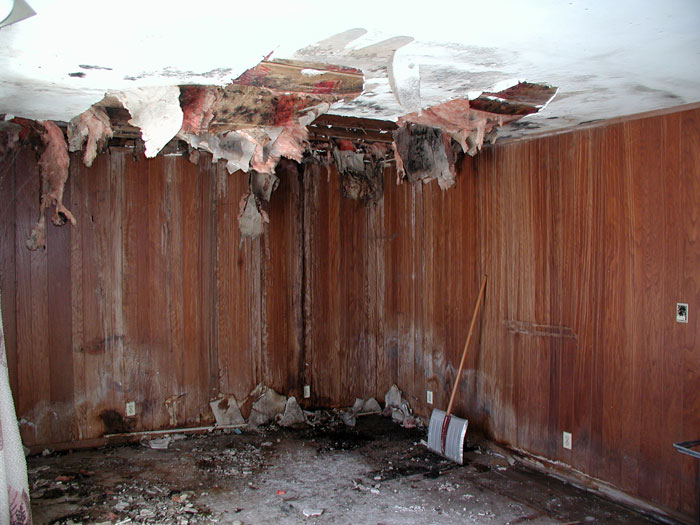
You cannot win against smell if water keeps coming back. Here is how I track it down.
Plumbing and fixtures
- Inspect water lines, sinks, and the water heater. Look for drips and rust.
- Check the sump pump. Test the float. Add a tight lid if it is open.
- Look for a dry floor drain. Pour in a quart of water. Add a bit of mineral oil to slow evaporation.
Foundation and walls
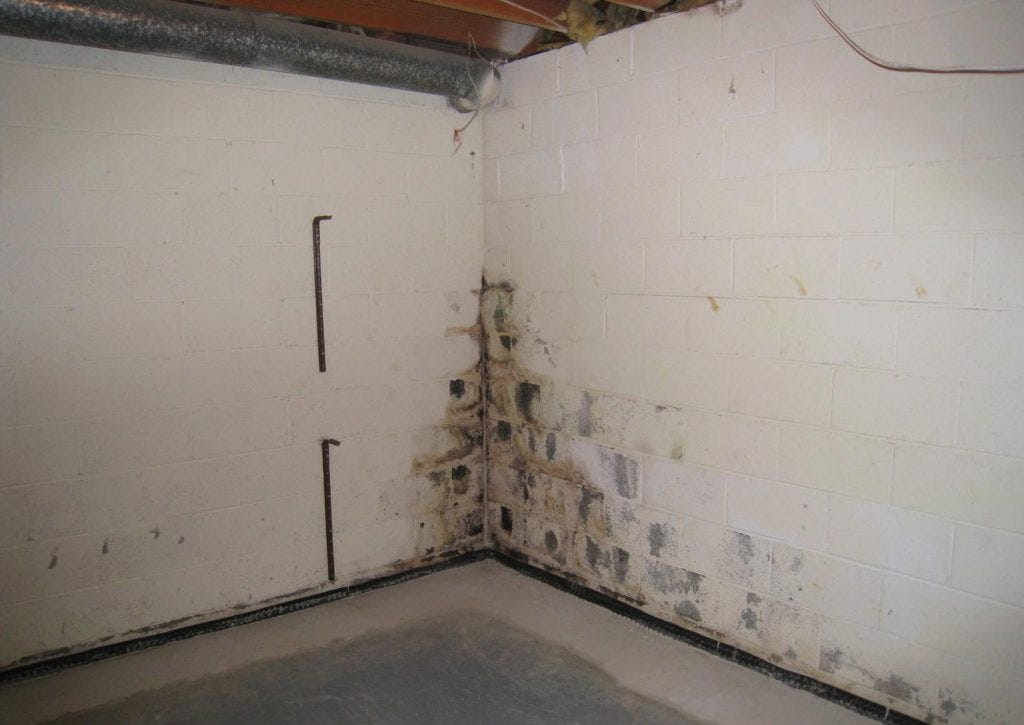
- Scan for efflorescence. This white powder means water is moving through the wall.
- Seal small cracks with hydraulic cement. Mark bigger cracks and monitor for change.
- If you see steady seepage, add an interior drain or talk to a foundation pro.
Outside grading and gutters
- Clean gutters. Add downspout extensions at least 6 to 10 feet from the house.
- Slope soil away from walls. Aim for 6 inches of drop over 10 feet.
- Move firewood, mulch, and shrubs away from the foundation.
Air leaks and condensation
- Seal rim joists and gaps around pipes with foam. Stop warm, moist air from leaking in.
- Insulate cold pipes to prevent drip.
- If ducts run in the basement, seal seams with mastic to reduce condensation.
Each find-and-fix step helps with how to remove musty smell from basement in a lasting way. When the water stops, the smell stops.

Clean and deodorize the right way
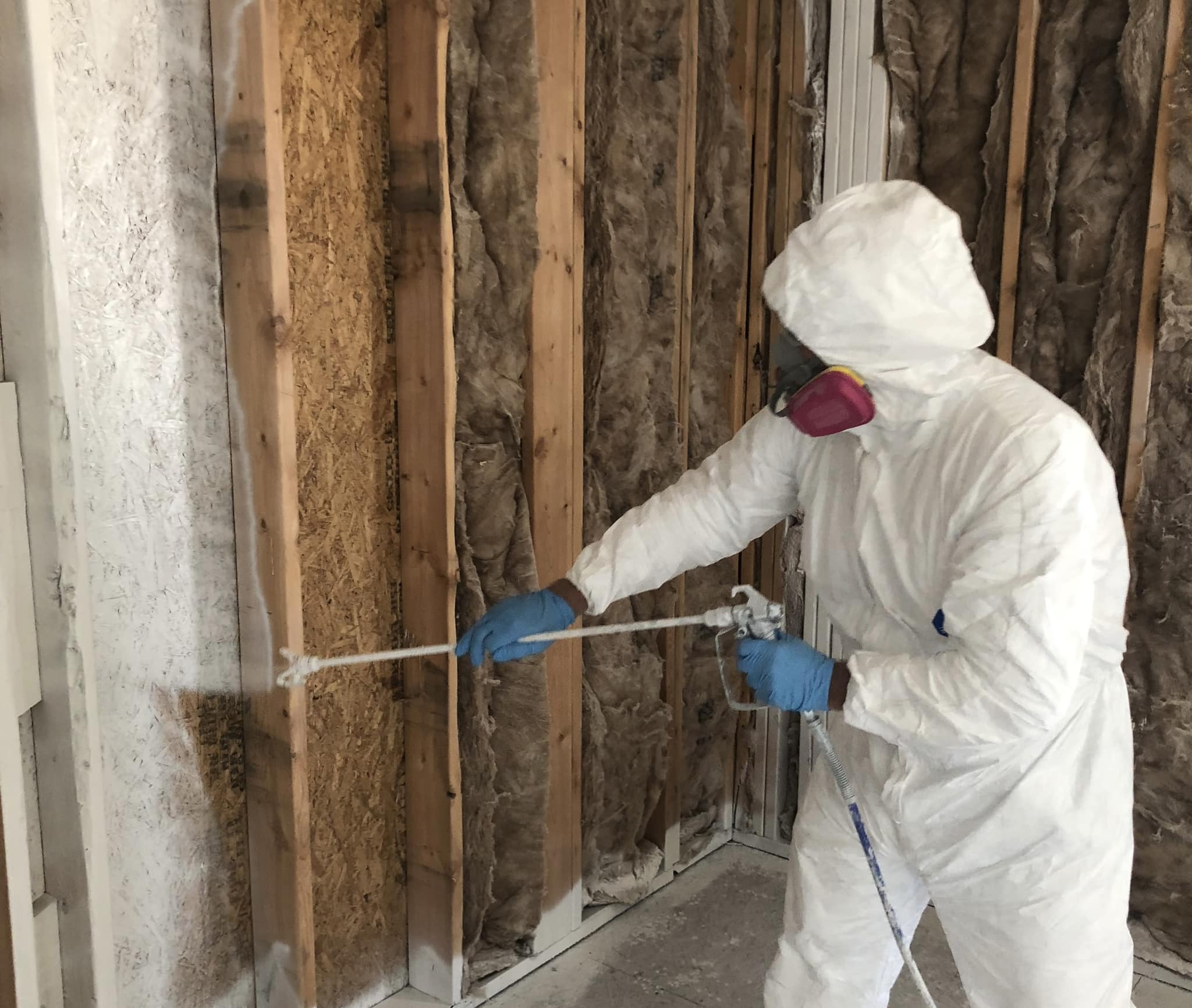
Cleaning removes food for mold and neutralizes odor. Do it safe and simple.
Safety first
- Wear gloves, a tight mask like N95, and eye protection.
- Ventilate if you use cleaners. Never mix bleach with ammonia or vinegar.
Surface cleaning
- Start with a HEPA vacuum to capture dust and spores.
- Wash non-porous surfaces with detergent and water. Rinse and dry.
- For mold on hard, non-porous surfaces, use a bleach mix if needed. One cup of standard bleach in one gallon of water. Apply, wait 10 minutes, and rinse. Dry well.
Porous items
- Wash fabrics with hot water and a cup of white vinegar. Dry on high heat.
- For carpets with deep odor, use a hot water extraction or replace the pad.
- Toss moldy drywall, ceiling tiles, and fiberboard. They trap odor.
Odor neutralizers
- Use baking soda on floors and in closets. Vacuum after 24 hours.
- Set out activated charcoal or zeolite sachets. They absorb smells over weeks.
- Enzyme cleaners help with organic odors on concrete and wood.
What to skip
- Skip ozone machines in occupied homes. They can irritate lungs and harm rubber and wires.
- Skip heavy perfumes. They mask smells but do not fix them.
These steps are core to how to remove musty smell from basement without overkill. Clean, then dry, then seal.
Dry the air and keep it that way
Dry air is your long-term fix. Aim for 40 to 50 percent relative humidity year-round.
Dehumidifiers
- Size matters. For most basements, use a 50 to 70-pint unit. Very damp or large spaces may need two units or a whole-home system.
- Place it near the center with space around the intake. Use a hose to a floor drain or condensate pump so it can run nonstop.
- Clean the filter monthly. Vacuum the coils twice per year.
Ventilation
- Vent only when outside air is drier than inside. A quick rule: if the outside dew point is below 55°F, short bursts of fresh air help.
- Use a timer fan to exhaust stale air for 10 to 20 minutes a few times a day.
- In finished basements, an ERV or HRV can balance fresh air without adding too much moisture.
HVAC settings
- Run the furnace fan on auto most of the time. Use circulate mode for gentle mixing.
- Use a MERV 11 to 13 filter if your system allows. Change it on schedule.
- Keep supply vents open in the basement to temper the space.
These habits support how to remove musty smell from basement for good. Dry air leaves mold with nothing to feed on.

Seal, insulate, and build for dry
Good building details block damp and reduce odors.
Foundation walls
- Avoid fiberglass batts on bare concrete. They trap moisture.
- Use rigid foam boards on walls. Tape seams. Then frame a wall in front if you plan to finish.
- Seal the bottom plate with foam or gasket. Add a capillary break where wood meets concrete.
Rim joists and pipes
- Insulate rim joists with rigid foam. Seal edges with spray foam.
- Seal pipe and wire penetrations with caulk or fire-rated foam.
Floors and crawlspaces
- Use a heavy-duty vapor barrier on crawlspace soil. Seal seams and edges.
- Close or convert vented crawlspaces after you control moisture. Condition them or dehumidify.
- Consider epoxy or penetrating sealers on bare slabs after they are dry.
Mechanical and drains
- Install a sealed sump lid with a grommet for pipes. Add a check valve on the discharge line.
- Maintain backflow preventers. Test them per your local code.
Smart sealing and insulation make a big dent in how to remove musty smell from basement by cutting off moisture paths.
Maintenance checklist and schedule
Odor control is a habit. Here is the simple plan I give to clients.
Monthly
- Empty and clean dehumidifier buckets or confirm the drain hose flows.
- Check humidity readings. Keep 40 to 50 percent.
- Inspect for new leaks under sinks and near appliances.
Seasonal
- Spring: Clear gutters and add downspout extensions. Test the sump pump.
- Summer: Watch dew points before opening windows. Keep the dehumidifier on.
- Fall: Seal new gaps. Replace filters. Check weatherstripping.
- Winter: Watch for window condensation. Keep RH near 40 percent.
Every 6 to 12 months
- HEPA vacuum walls, joists, and floors.
- Wash exposed surfaces with mild detergent.
- Inspect for efflorescence and cracks. Note changes.
This routine supports how to remove musty smell from basement with little effort over time.

When to call a pro (and what it may cost)
Sometimes DIY is not enough. Call a licensed pro if you see:
- Mold on more than 10 square feet.
- Repeated floods or ongoing seepage.
- Major foundation cracks or wall bowing.
- Sewage backups or strong sewer gas smells.
- Electrical issues or rusted structural parts.
Typical costs in many areas
- Dehumidifier with pump: 250 to 500 dollars.
- HEPA vacuum rental: 30 to 60 dollars per day.
- Minor crack injection: 300 to 800 dollars per crack.
- Interior drain and sump: 3,000 to 10,000 dollars.
- Mold remediation for one room: 1,500 to 5,000 dollars.
Pros follow safety rules and building codes. They also give you test results and a clear scope. This path can be the fastest way for how to remove musty smell from basement when the problem is big.

Real-world lessons from the field
I once helped a family with a sour smell that came back each summer. They tried sprays and candles. Nothing worked. We found a dry floor drain, a missing sump lid, and soggy cardboard under shelves.
We filled the drain trap, sealed the sump, and tossed the cardboard. Then we added a 70-pint dehumidifier with a drain hose. The smell was gone in 48 hours and did not return.
Another client asked me how to remove musty smell from basement without bleach. We used detergent, vinegar, and a HEPA vacuum. Then we added airflow and set humidity to 45 percent. Simple steps, strong results.
If you keep asking how to remove musty smell from basement, remember this rule. Water out. Air dry. Clean in that order.
Frequently Asked Questions of how to remove musty smell from basement
How long does it take to remove the smell?
Most homes improve in 24 to 72 hours with drying and cleaning. Deep issues like seepage or soaked walls may take weeks after repairs.
Will a dehumidifier alone fix the odor?
It helps a lot, but it will not clean existing mold. You must also remove wet items and wash surfaces.
Is vinegar or bleach better for cleaning?
Vinegar is gentle and good for light cleaning. Bleach works on hard, non-porous surfaces for visible mold, but use it with care and never mix it with other cleaners.
Can I open windows to air it out?
Yes, if the outside air is drier than inside. If it is humid out, keep windows shut and run a dehumidifier and fans.
What humidity level should I aim for?
Keep relative humidity at 40 to 50 percent. This range limits mold growth and keeps the basement comfortable.
Do air purifiers remove musty smells?
A HEPA purifier captures spores and dust. Use one with activated carbon to reduce odors, but still fix the moisture source.
How do I know if the smell is sewer gas?
Sewer gas has a sharp, rotten odor. Fill dry floor drain traps with water, and check for cracks or loose cleanout caps.
Conclusion
A musty basement is a moisture story, not just a smell. Stop water, clean well, dry the air, and keep it that way. These simple steps, done in order, deliver fast wins and lasting peace of mind.
Now it is your turn. Pick one step today: set a dehumidifier, toss damp cardboard, or clean that floor drain. If this guide helped, share it, subscribe for more home tips, or drop your questions in the comments so I can help you solve your exact basement.