

Reduce basement moisture by fixing drainage, sealing leaks, improving airflow, and dehumidifying.
If you want a dry, healthy space, you need a plan that works year-round. I’ve helped many homeowners figure out how to reduce moisture in basement with simple steps and smart upgrades. In this guide, I’ll show you how to reduce moisture in basement from the source to the finish, with tips you can trust and use today.
Why basements get damp
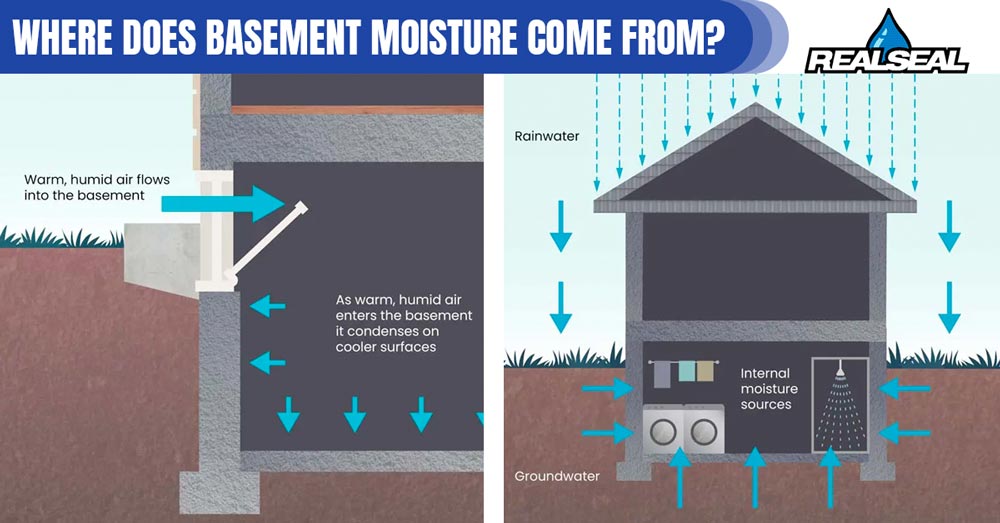
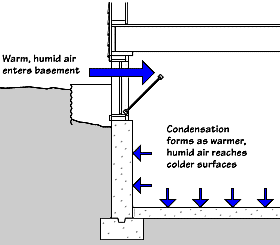
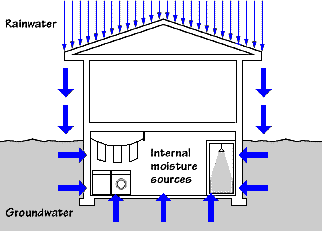
Basements sit in the ground. Soil holds water. Water moves through cracks, porous concrete, and even tiny gaps in the rim joist. Warm, wet air can also hit cool walls and turn to water drops. That is condensation.
Most damp basements have more than one cause. The big ones are poor grading, clogged gutters, wall cracks, and humid summer air. When you learn these patterns, you learn how to reduce moisture in basement fast and for the long term.

Diagnose the source before you spend a dollar
Start with a simple checklist. It helps you target the right fix. This is how I begin every job and it saves time and money.
- Look outside after rain. Check for pooling near the foundation within 10 feet.
- Inspect gutters and downspouts. Make sure water exits at least 6 to 10 feet away.
- Tape a 12 by 12 inch plastic square to a wall and to the floor slab. If water forms on the wall side, it is condensation. If water forms behind the plastic, moisture is wicking through.
- Check for cracks, salt-like white stains, or peeling paint on walls. These are moisture clues.
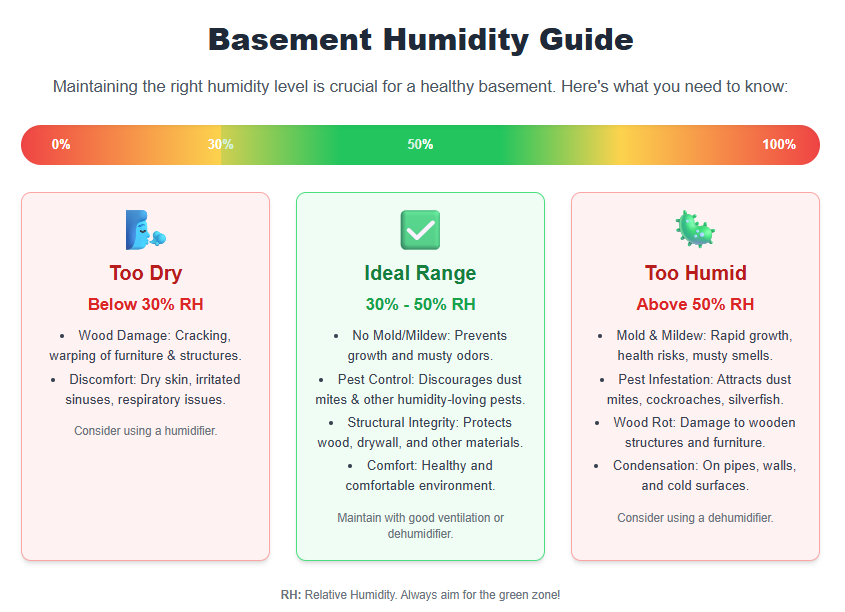
- Use a hygrometer. Target indoor relative humidity at 30 to 50 percent.
- Note smells and timing. Musty smell after rain hints at leaks. Musty smell in hot, humid weather hints at condensation.
This simple audit will guide you on how to reduce moisture in basement with precision. It keeps you from buying a dehumidifier when the real issue is a leak.
Quick steps you can do today
You can make a big difference in one afternoon. These fast actions lower risk and cost.
- Run a dehumidifier and set it to 45 to 50 percent RH. Drain to a floor drain or sump.
- Close basement windows on humid days. Use them only when outside air is cooler and drier.
- Seal small cracks with hydraulic cement. Wipe dry first for a strong bond.
- Insulate cold water pipes with foam sleeves. This stops drip from condensation.
- Move cardboard boxes off the floor. Use plastic bins with lids to avoid mold.
- Clean and run a bathroom or utility exhaust fan if one vents outdoors.
These quick wins show you how to reduce moisture in basement without hiring a pro. They also keep the space safer while you plan bigger fixes.
Exterior fixes that make the biggest difference
Most water starts outside. Fixing drainage often gives the best result per dollar. This is where I see the largest gains.
- Clean gutters two times per year. Debris causes overflow near walls.
- Extend downspouts 6 to 10 feet from the foundation. Use rigid pipe where you can.
- Grade soil to slope away 6 inches over the first 10 feet. Use soil, not mulch, for lasting slope.
- Aim sprinklers away from the house. Water plants, not walls.
- Add a shallow swale to redirect runoff if you sit low on the lot.
These steps align with common building and energy guidance. They are the backbone of how to reduce moisture in basement, because they stop water before it reaches your home.
Interior upgrades for dry, healthy air
Inside, your goal is to block, control, and vent moisture. Think of layers that work together.
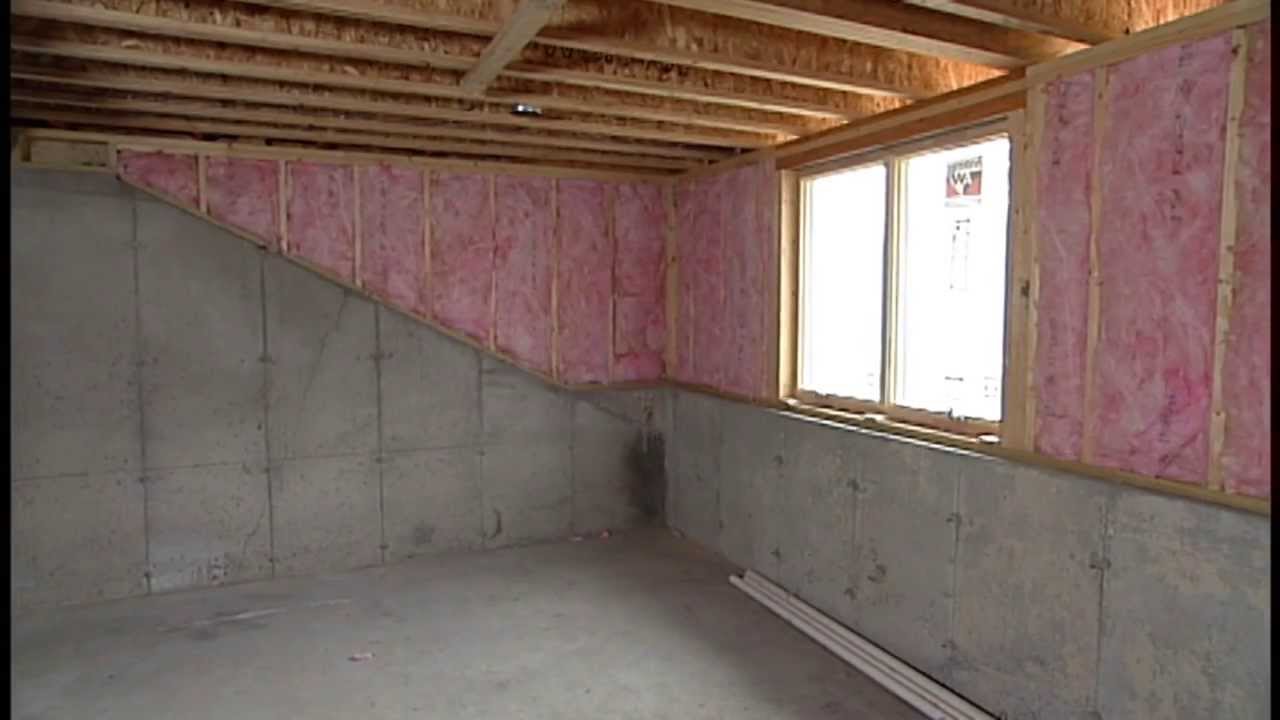
- Seal the rim joist. Use closed-cell spray foam or foam board sealed with tape and caulk.
- Paint with a breathable masonry coating designed for damp concrete. Do not trap bulk water behind paint.
- Add a continuous exhaust fan if your basement has a bath or laundry. Choose a quiet fan and vent it outside.
- Avoid carpet on bare slabs. Use rigid foam, subfloor panels, and finished flooring that tolerates moisture.
- Keep stored items off walls by a few inches. This improves air flow and spotting.
By layering these upgrades, you learn how to reduce moisture in basement with a system, not a single gadget.

Dehumidifiers: sizing, setup, and smart use
A good dehumidifier is a workhorse. It controls humidity swings and protects finishes.
- Choose an Energy Star unit for efficiency. Look for automatic defrost for cool basements.
- Size by conditions, not only by square feet. Many damp basements do well with 50 to 70 pints per day capacity.
- Place it near the center or the dampest area. Give it 6 inches of space for air intake and exhaust.
- Drain by gravity to a floor drain or use a small condensate pump. Emptying buckets is no fun.
- Set to 45 to 50 percent RH and let it run steady. Avoid on-off cycles that chase humidity.
If you ask how to reduce moisture in basement with one device, this is your best bet. Still, it works best with the drainage and sealing steps above.
Insulation, vapor barriers, and materials that work
Materials matter. Some finishes invite mold. Others resist it.
- Use rigid foam on concrete walls when finishing. It warms the surface and reduces condensation risk.
- Seal seams with tape and caulk. Gaps leak air and moisture.
- Place a continuous vapor retarder under any new basement slab or subfloor system. Six-mil polyethylene is common.
- Insulate rim joists and cold pipes. Warm surfaces do not sweat in summer.
- Pick moisture-smart flooring. Luxury vinyl plank, tile, or engineered wood with a vapor control layer are better choices than carpet.
Following these steps is a powerful way to learn how to reduce moisture in basement while making it ready for living space.
Waterproofing and when to call a pro
Some problems go beyond DIY. Know when to bring in help.
- Persistent wall leaks after rain can need interior drain tile and a sump pump. This captures water at the footing.
- Wide or moving cracks may need polyurethane or epoxy injection by a technician.
- Chronic high water table can call for exterior waterproofing with membrane and foundation drains.
If you hit these cases, you still control how to reduce moisture in basement by mixing pro work with good airflow and dehumidifying. Ask for warranties and clear scopes before you sign.

Maintenance plan and monitoring
Moisture control is a habit, not a one-time fix. A simple plan keeps things dry.
- Read humidity with a small meter once a week at first. Aim for 30 to 50 percent.
- Clean dehumidifier filters every month during heavy use. Replace as needed.
- Check for new cracks at spring and fall. Mark dates and sizes with a pencil.
- Walk the yard after big storms. Look for new channels or puddles near walls.
- Service the sump pump yearly. Test with a bucket of water and keep a backup power plan.
This plan shows you how to reduce moisture in basement and keep it that way. Small checks prevent big repairs.
Common mistakes to avoid
A few habits make damp basements worse. Skip these and you save time and money.
- Leaving windows open in humid weather. This invites wet air that condenses on cool walls.
- Painting over wet walls with non-breathable paint. Moisture will blister it.
- Putting carpet on a bare slab. It traps moisture and feeds mold.
- Venting a dryer into the basement. That adds gallons of water to the air.
- Ignoring gutter and downspout maintenance. Roof water is the number one source of basement moisture.
Avoiding these errors is a core part of how to reduce moisture in basement with less stress.
Frequently Asked Questions of how to reduce moisture in basement
What should the humidity be in a basement?
Keep it between 30 and 50 percent. This range helps prevent mold and dust mites while keeping the air comfortable.
Will a dehumidifier alone fix a wet basement?
It helps manage air moisture but does not stop leaks. Fix drainage and seal cracks first, then use the dehumidifier for control.
How do I know if the problem is a leak or condensation?
Tape plastic to the wall. If water beads on the room side, it is condensation; behind the plastic hints at seepage.
How far should downspouts extend from the house?
At least 6 to 10 feet is a common rule. The goal is to send water past the backfill zone near your foundation.
Can I use carpet in the basement?
It is risky on a slab. Choose carpet tiles with a vapor-aware underlayment or pick hard surfaces like vinyl or tile.
Do I need a vapor barrier on basement walls?
Use rigid foam with sealed seams on concrete walls instead of a simple plastic sheet. This warms the surface and reduces condensation.
How often should I run the dehumidifier?
Run it as needed to hold 45 to 50 percent RH. In many areas, that means steady use in spring and summer.
Conclusion
A dry basement starts outside with clean gutters, good grading, and smart drainage. Inside, seal leaks, warm cold surfaces, move air, and keep humidity in check. This is the simple, proven path for how to reduce moisture in basement in any season.
Pick one section and act this week. Extend the downspouts, set a dehumidifier to 50 percent, or seal the rim joist. Then build from there. If you want more tips on how to reduce moisture in basement or need a step-by-step plan, subscribe for new guides or drop a question in the comments.