

Lower indoor humidity, warm window surfaces, and add steady ventilation.
If your glass fogs up every cold morning, you are not alone. I help homeowners fix this every winter, and I’ll show you how to prevent winter window condensation in clear steps. We will cover causes, quick wins, and long-term cures. If you want a plan for how to prevent winter window condensation that really works, you’re in the right place.
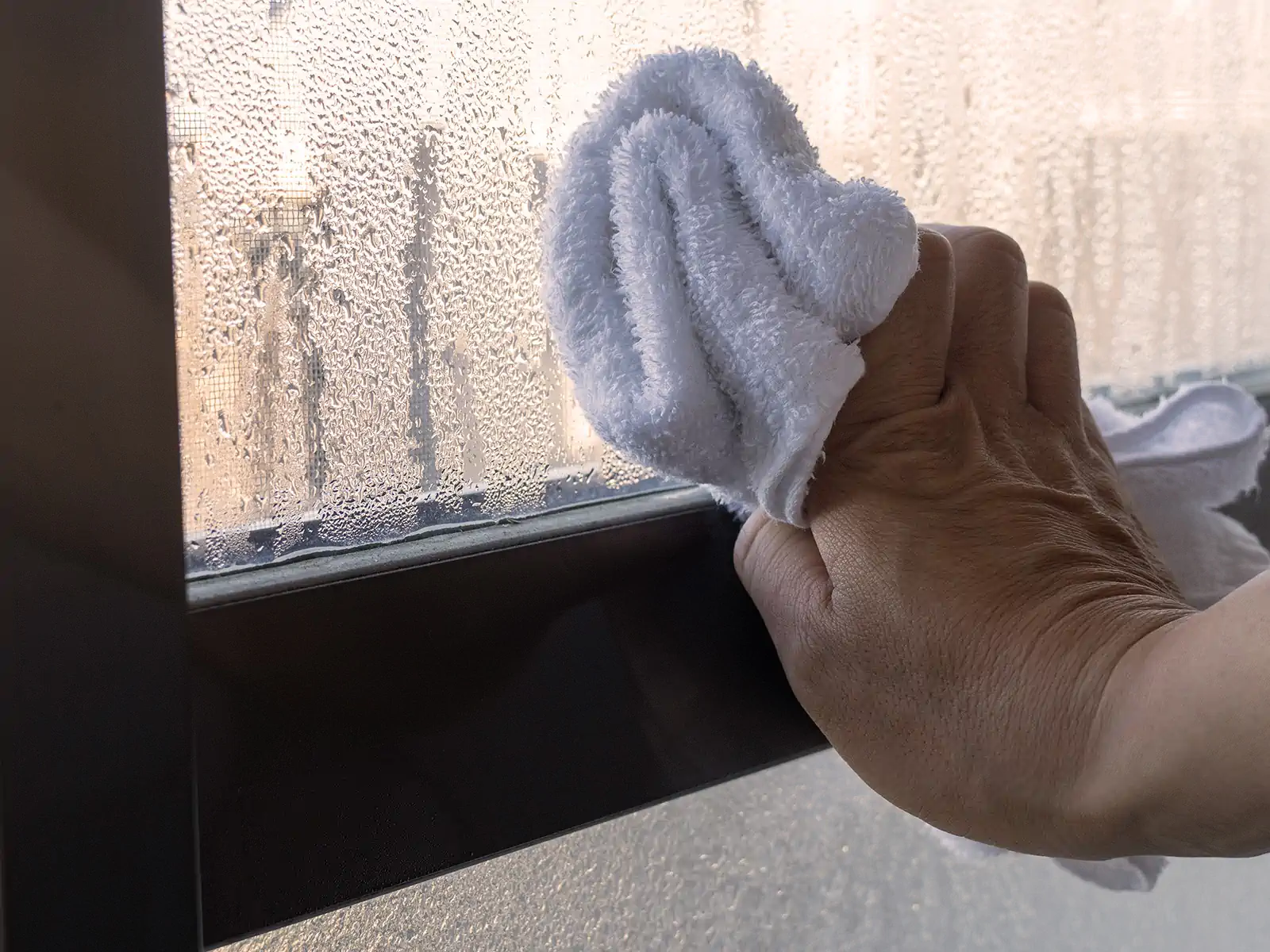
What causes window condensation in winter
Condensation happens when warm, moist air hits a cold surface. The air cools and drops water as tiny droplets. That is the dew point at work. Your windows are the coldest indoor surface, so they fog first.
A few things make it worse:
- High indoor humidity from daily life
- Old single-pane glass or leaky frames
- Closed shades that trap cold air at the glass
- Poor ventilation or blocked vents
To learn how to prevent winter window condensation, it helps to know safe humidity targets. Aim for 30 to 40 percent when the weather is mildly cold. Drop closer to 25 to 35 percent when it is near or below freezing. Knowing how to prevent winter window condensation starts with watching humidity and temperature together.
Quick note from my field work: homes with tight air sealing but no balanced ventilation see more fog. Homes with balanced air and dry basements see less fog, even with older windows.

Quick fixes you can do today
You can cut fog fast with a few changes. These steps are simple and low cost.
- Run bath fans for 20 to 30 minutes after showers. Keep the door closed while it runs.
- Use the kitchen range hood when you cook. Put lids on pots to trap steam.
- Crack a window for five minutes during very steamy moments. Short bursts work well.
- Open blinds and curtains during the day. Let warm room air reach the glass.
- Reverse ceiling fans on low to push warm air up and around the room.
- Move plants and fish tanks away from windows. They add a lot of moisture.
- Wipe window sills each morning. Do not let water sit and soak wood.
- Use a dehumidifier near the cold side of the home. Aim for 30 to 40 percent RH.
- Keep interior doors open to even out air and temperature.
These steps are the fastest way for how to prevent winter window condensation today. They set the stage for deeper fixes.

Long-term solutions and upgrades
If you fight fog every winter, upgrades pay off. They warm the glass and control moisture.
- Window improvements
Add interior or exterior storm windows. Upgrade to double or triple-pane with low-e coatings. Choose warm-edge spacers to boost edge temperature. - Air sealing and insulation
Seal gaps around frames, trim, and sashes. Add weatherstripping. Improve wall and attic insulation to cut drafts that cool glass. - Ventilation systems
Install a balanced HRV or ERV. These bring in fresh air without big heat loss. They keep humidity steady year-round. - Whole-home moisture control
Use a whole-house dehumidifier if the home stays humid. Tie it to the duct system for even results. - Smart monitoring
Place a hygrometer on each floor. Track trends so you act before fog forms.
The best answer for how to prevent winter window condensation is better windows plus steady ventilation. I have seen fog drop by half after clients add low-e storms and fix bath fans.

Humidity control: find and fix sources
Moisture has many sneaky sources. Cut them off and you will see clear glass.
Common indoor sources:
- Long, hot showers
- Boiling water and open cooking
- Clothes drying indoors or a leaky dryer vent
- Many houseplants or large aquariums
- Overuse of portable humidifiers
- Damp basements, crawlspaces, or roof leaks
Ways to reduce moisture:
- Shorten showers and use warm, not hot, water.
- Always vent bath and kitchen air outside.
- Fix dryer ducts and never vent a dryer indoors.
- Add a vapor barrier in crawlspaces. Keep gutters clear and slope soil away.
- Fix leaks fast. Dry wet spots within 48 hours to avoid mold.
- Set humidifiers to a lower target in cold snaps.
A core part of how to prevent winter window condensation is cutting moisture at the source. In my audits, a loose dryer duct or wet crawlspace is often the main driver.

Room-by-room strategies
Each room needs a simple plan. Here is how to prevent winter window condensation in each space.
Bathroom
- Run the fan during and after showers.
- Squeegee walls and glass to remove water.
- Keep the door closed until steam clears.
Kitchen
- Use the range hood on high for boiling or frying.
- Keep lids on pots. Boil less water when possible.
- Do not use unvented gas heaters indoors.
Bedrooms and living areas
- Open blinds in the day and crack them at night.
- Space furniture a few inches from exterior walls.
- Keep plants few and away from windows.
Basement and laundry
- Vent the dryer outside and seal joints.
- Use a dehumidifier and clean the filter.
- Seal rim joists and insulate cold pipes.
Entry and mudroom
- Wipe wet boots and hang damp coats to dry in a ventilated spot.
- Use trays for snow melt and empty them often.

Maintenance checklist for the season
Make this list your routine for how to prevent winter window condensation all season. It takes minutes and saves your frames.
- Measure indoor humidity weekly. Keep it near 30 to 40 percent in winter.
- Test bath and kitchen fans with a tissue. If it sticks to the grille, airflow is good.
- Clean fan grilles and range hood filters every month.
- Inspect window caulk and weatherstripping. Replace if cracked or loose.
- Open blinds daily to warm the glass. Close at night but leave a small gap at the bottom.
- Clear window weep holes so water can drain.
- Balance heat to cold rooms. Adjust dampers or keep doors open.
- Move big plants and fish tanks away from cold corners.
- Check gutters and downspouts so water stays out of the basement.
Make this list your routine for how to prevent winter window condensation all season. Small habits add up.
Cost and payoff
Plan your budget and choose what fits your home. If you are weighing costs for how to prevent winter window condensation, use these numbers as a guide.
Low cost
- Hygrometers, weatherstripping, caulk, fan cleaning, and habits
Expect big improvement for little money.
Medium cost
- Dehumidifier, storm windows, bath fan upgrade
Often the best value for older homes.
Higher cost
- New low-e windows, HRV or ERV, insulation upgrades
Best comfort and long-term control, with energy savings over time.
From my projects, storm windows and working bath fans give the best early wins. HRVs shine in tight homes. Window upgrades help most when old frames leak or glass is thin.

Frequently Asked Questions of how to prevent winter window condensation
What is the best humidity level for how to prevent winter window condensation?
Aim for 30 to 40 percent RH in normal cold. Drop closer to 25 to 35 percent during deep freezes to keep glass above the dew point.
Does opening blinds really help with condensation?
Yes. It lets warm room air wash the glass and raise the surface temperature. That small change can stop droplets from forming.
Will replacing windows solve condensation for good?
It helps a lot, but humidity still matters. Even great windows can fog if indoor RH is too high and ventilation is poor.
Is a dehumidifier better than ventilation?
They do different jobs. Ventilation removes moist air and brings in fresh air, while a dehumidifier removes moisture from indoor air when outdoor air is very cold or damp.
How long should I run the bathroom fan after a shower?
Run it 20 to 30 minutes. A smart timer switch makes this easy and keeps moisture from drifting to cold windows.
Can houseplants cause window condensation?
Yes, many plants can raise indoor humidity. Keep plant groups away from windows and reduce watering during cold snaps.
Do insulated curtains help or hurt?
They help at night but can trap moist air against cold glass. Leave a small gap at the bottom or open them daily to warm the glass.
Conclusion
Clear windows in winter come from three simple moves: lower indoor humidity, keep glass warmer, and add steady ventilation. When you know how to prevent winter window condensation, your home feels warmer, your frames last longer, and mornings start without a wipe-down routine.
Pick one quick fix today, then plan one upgrade for this season. If you found this helpful, subscribe for more home comfort tips or drop a question in the comments so I can help with your specific setup.