

Keep closets dry, ventilated, and clean; control humidity and airflow year-round.
If you have ever opened a closet to a musty smell, you know the panic. I have helped many families fix that. In this guide, I will show you how to prevent mold in closet with simple steps, tested tips, and clear guardrails you can trust.
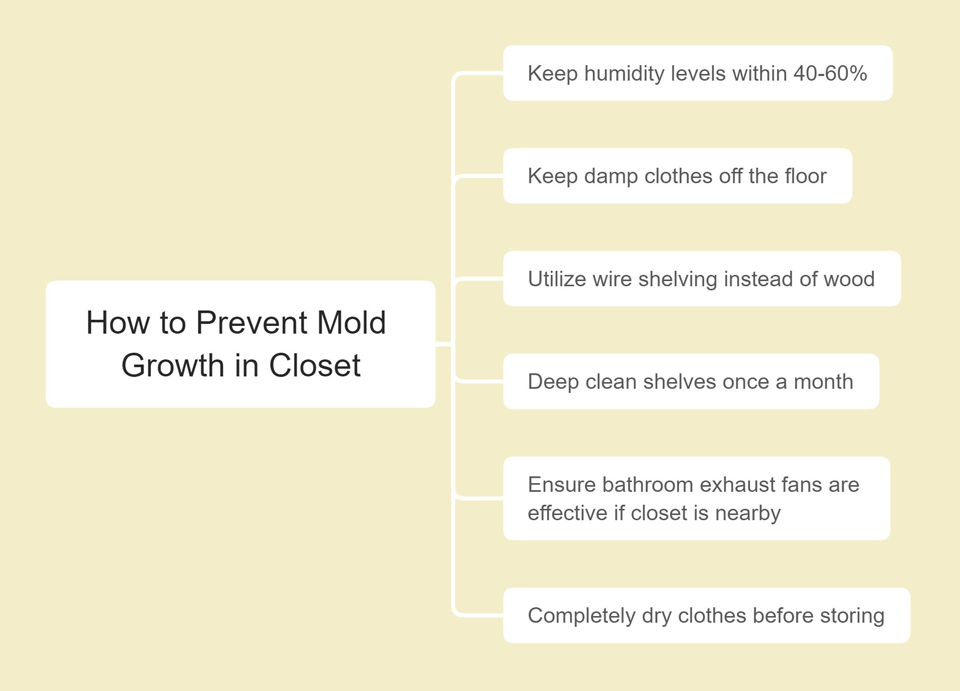
Why closets grow mold and what to watch for
Closets trap air. That still air holds moisture. When surfaces stay cool and damp, mold wakes up and spreads. Most experts, including the EPA, say indoor humidity should stay between 30 and 50 percent.
Common triggers include wet clothes, tight packing, and cold outside walls. Leaks and poor AC can add to the mix. If you want to learn how to prevent mold in closet, you must first cut those moisture paths.
I once saw this in a small condo. The closet sat on an outside wall. Coats were crammed tight. Humidity was 65 percent. A few small changes fixed it for good.

Step-by-step: how to prevent mold in closet
Here is how to prevent mold in closet without guesswork. Work through these steps and keep a simple log. You will see quick wins in days.
- Track humidity. Place a small hygrometer on a shelf. Aim for 30 to 50 percent RH.
- Make air move. Leave the door open 15 to 30 minutes a day. Add a door undercut or a louvered door.
- Keep items dry. Do not store damp towels, shoes, or coats. Dry laundry fully before you hang it.
- Reduce moisture. Use a room dehumidifier set to 45 percent. In small spaces, add calcium chloride tubs or silica gel packs.
- Warm cold spots. Do not block supply vents with boxes. Pull shelves off an outside wall by at least half an inch.
- Space out clothes. Leave one to two inches between hangers. Avoid floor-to-ceiling packed racks.
- Pick the right bins. Use breathable fabric bins or vented plastic. Skip cardboard, which feeds mold.
- Clean on a schedule. Vacuum with a HEPA tool. Wipe shelves with a mild detergent and warm water.
- Fix leaks fast. Check for roof, pipe, or window leaks. Insulate cold pipes that run through the closet.
- Add light and time. A small LED light helps you spot damp spots. Review the hygrometer twice a week.
This is the core of how to prevent mold in closet. The steps above remove moisture, improve airflow, and keep surfaces clean. Follow this checklist for how to prevent mold in closet all year.

Daily and weekly habits that stop mold
Small habits stack up. These habits show how to prevent mold in closet in plain steps. Most take less than five minutes.
- Air out the space. Crack the door after showers or laundry. Let the AC move air through.
- Rotate and edit. Move heavy coats each week. Donate what you do not wear.
- Dry shoes the right way. Use shoe trees or place them near a vent. Avoid sealed bins until dry.
- Use a simple timer. Set a reminder to check your hygrometer. Adjust the dehumidifier as seasons change.
- Sun helps too. If safe, give items a short sun break. UV can help reduce odor on the surface.

Smart storage: materials and layout that keep closets dry
Storage choices matter. They can either trap damp air or let it flow. Smart bins are part of how to prevent mold in closet.
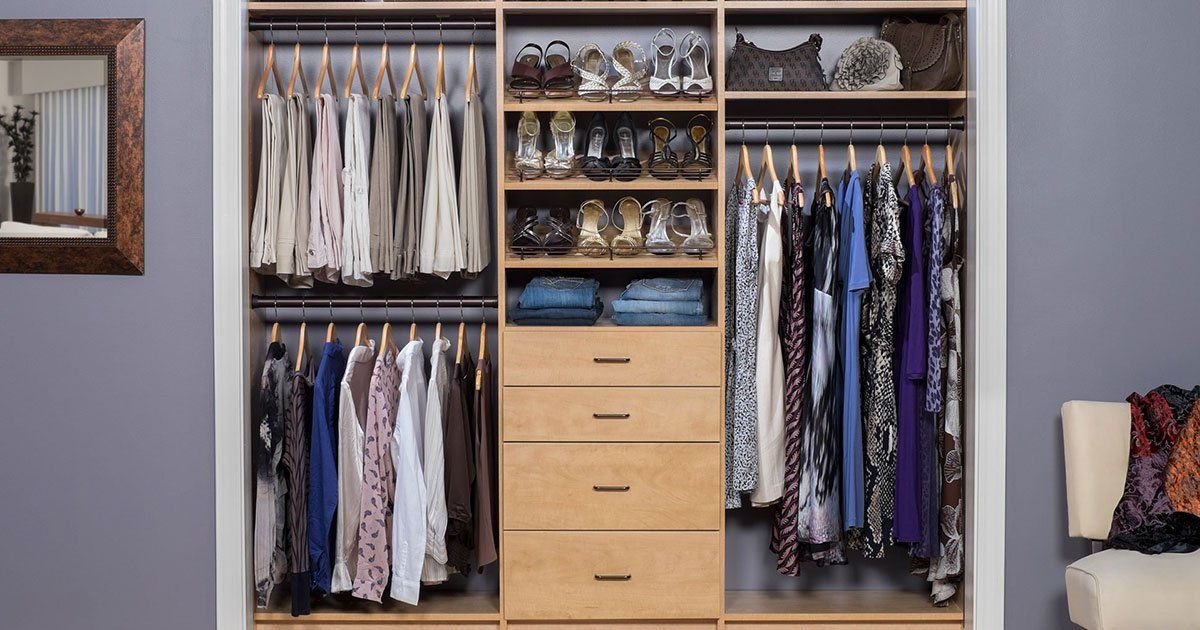
- Choose breathable fabric bags for suits and dresses. Avoid sealed plastic unless items are bone dry.
- Use wire shelves or vented organizers. They let air move around clothes and boxes.
- Add cedar blocks or sachets. They help with odor, but they are not a cure on their own.
- Lift items off the floor with low racks. Floors can be cooler and damp.
- Keep boxes a couple of inches from outside walls. Warm air can reach the surface and keep it dry.

Humidity, airflow, and temperature fixes
Mold needs moisture first. Beat it by managing RH, airflow, and heat. HVAC tweaks are key in how to prevent mold in closet.
- Service your AC and change filters on time. Good airflow lowers indoor humidity.
- Use a small, quiet fan near the closet a few minutes a day. Moving air dries surfaces.
- Undercut the door by half an inch if allowed. A louvered door is even better.
- Avoid huge swings in heat. Keep room temps steady to limit condensation.
- In damp basements, add a dedicated dehumidifier. Drain it to a sink or a pump.
Cleaning playbook: safe products and methods
Safe cleanup protects you and your clothes. It also keeps mold from returning. Safe cleanup helps with how to prevent mold in closet long term.
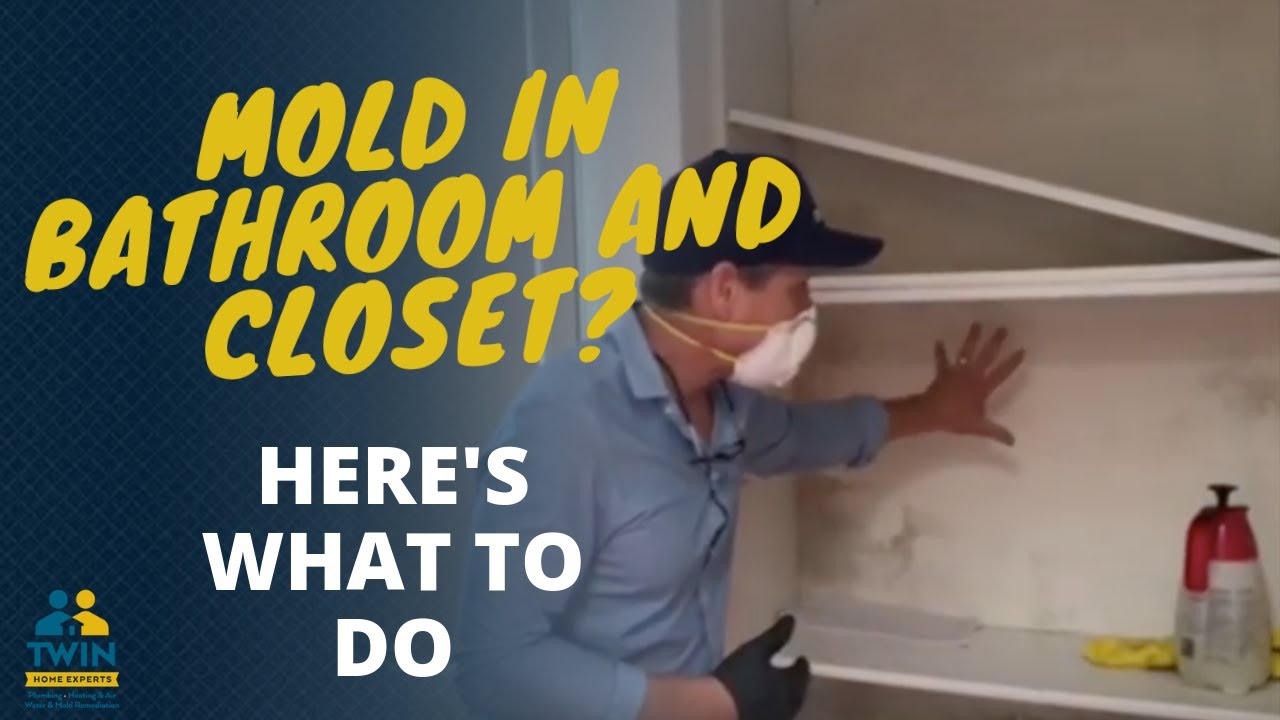
- Wear gloves and a mask. Open a window for extra air if you can.
- For small spots on hard surfaces, use detergent and warm water. Wipe dry after.
- For non-porous surfaces, 3 percent hydrogen peroxide can help. Let it sit for 10 minutes, then wipe.
- Do not mix chemicals. Never mix bleach and ammonia. Keep it simple and safe.
- If growth covers more than about 10 square feet, call a pro. EPA and CDC guidance supports this rule of thumb.
Climate and season tips
Your climate shapes your plan. Adjust by season to master how to prevent mold in closet. What works in Denver may not be enough in Miami.
- Humid summers. Run a dehumidifier early, not after smells start. Keep doors open longer.
- Cold winters. Watch for cold walls and pipes. Add thin foam board behind shelves if needed.
- Coastal homes. Salt air holds moisture. Use more desiccant packs and check them often.
- Dry regions. Overcooling can still cause condensation. Keep temps steady and do not over pack.
- Vacant homes. Set AC to run on a timer. Ask a neighbor to air closets once a week.
Early signs and what to do if you find mold
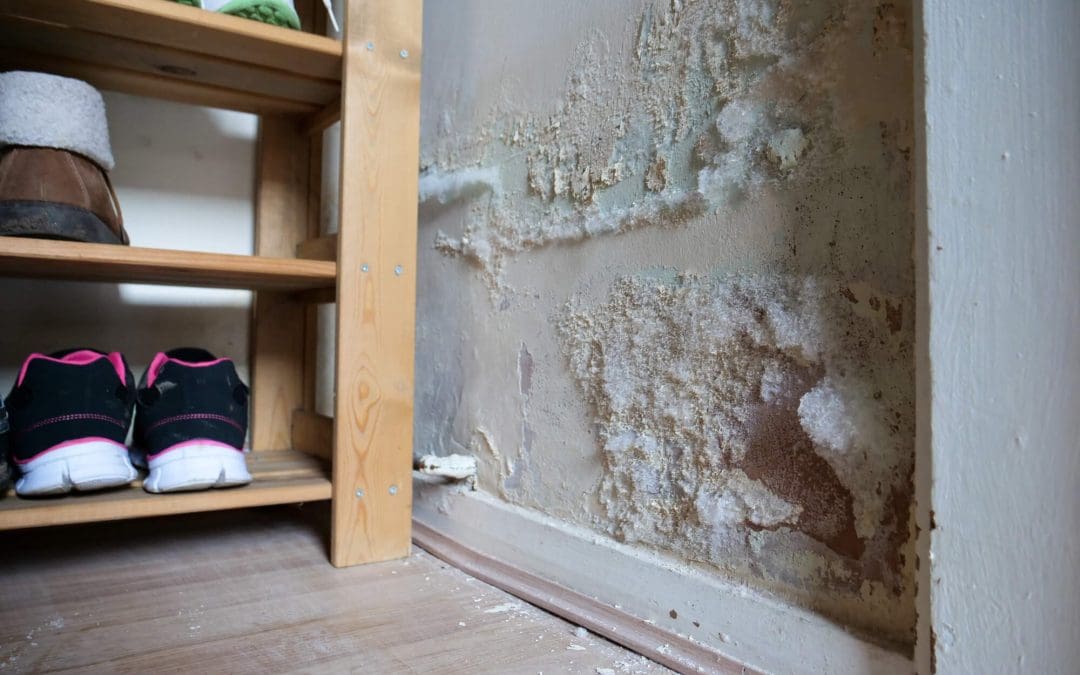
Look for musty air, specks on leather, or a dusty film on walls. A hygrometer that creeps past 55 percent RH is another clue. If you spot early signs, act fast; that is how to prevent mold in closet before it spreads.
- Remove damp items first. Dry or launder them right away.
- Clean small spots on hard surfaces with detergent. Dry the area with a fan.
- Toss badly stained cardboard or fabric. Porous items are hard to save.
- Recheck RH after 24 hours. If it stays high, add dehumidification or airflow.
Frequently Asked Questions of how to prevent mold in closet
What humidity level prevents mold in a closet?
Aim for 30 to 50 percent relative humidity. A small hygrometer makes this easy to track.
Is vinegar or bleach better for small closet mold?
Detergent and warm water are often enough for small spots. For hard surfaces, 3 percent hydrogen peroxide also works; avoid mixing chemicals.
Will cedar or baking soda stop mold by themselves?
They help with odor and minor moisture, but they are not a cure. You still need to control humidity and airflow.
Can an air purifier stop closet mold?
Air purifiers can reduce spores in the air. They do not fix moisture, which is the root cause.
Why does mold return after cleaning?
Moisture came back, often from high RH or damp items. Fix the source and improve airflow to keep it from returning.
Should I keep the closet door open?
Yes, at least 15 to 30 minutes a day helps. Open longer after showers or laundry days.
Conclusion
You can beat closet mold with a few steady habits. Control humidity, move air, keep items dry, and clean on a schedule. These simple moves protect your clothes and your home.
Start today. Place a hygrometer, clear some space, and set your dehumidifier. If this guide helped, share it, subscribe for more home care tips, or leave a question so I can help you fine-tune your plan.