

Keep containers dry with airtight seals, desiccants, airflow, and routine checks.
If you want real results, you need a plan. This guide shows how to prevent moisture in storage containers with clear steps, simple tools, and smart habits. I’ve tested these methods in damp basements, hot garages, and coastal air. You’ll get proven tips, clean science, and easy routines you can use today.

Why moisture builds up in storage containers
Moisture sneaks in when warm air meets a cooler surface. The air hits dew point, and water turns to droplets. That is condensation. It happens in basements, garages, attics, and sheds.
Plastic and metal cool fast. They sweat inside when the room swings from hot to cold. Wood can hold moisture and pass it into the container. Small leaks and poor seals make it worse.
If you want to know how to prevent moisture in storage containers, first learn what causes it. Look for big temperature swings, high humidity, and weak seals. Then fix those parts with simple steps.

How to prevent moisture in storage containers: Quick checklist
Use this list when you pack, store, and check your bins. It keeps things dry and mold-free. It also helps you find and fix issues fast.
- Choose airtight containers with quality gaskets. Lids should click tight and feel secure. Test with a simple light squeeze.
- Dry items before storage. Air-dry fabric, gear, and tools. Even a little dampness can cause mold.
- Pre-dry the container. Wipe with a towel and let it air out for 10 minutes.
- Add desiccant packs. Use silica gel for general needs. Use calcium chloride for very damp spaces.
- Add airflow or vents if the space is safe for it. Cross-venting helps in big boxes and trunks.
- Keep containers off cold floors. Use pallets or shelves. This reduces condensation.
- Control room humidity. Aim for 30–50% relative humidity. Use a dehumidifier if needed.
- Avoid overpacking. Leave a small air gap so desiccants can work well.
- Label the date and contents. Add a reminder to check every 30–60 days.
- Store at a steady temperature. Avoid big swings from day to night.
If you search for how to prevent moisture in storage containers, this checklist works as your base. Use it every time to build a habit.

Step-by-step: Prep, pack, and store
Follow these steps in order. They are simple and fast. They also make a big difference.
-
Inspect and clean
- Check the container for cracks and poor seals.
- Wash and dry the inside. Make sure there is no old odor.
-
Pre-dry the space
- Run a dehumidifier for a few hours if the room feels damp.
- Aim for under 50% humidity. A small hygrometer can confirm this.
-
Prepare the items
- Dry clothing, paper, and gear.
- For tools, add a light oil wipe to keep rust away.
-
Add moisture control
- Place desiccant packs at the bottom and on top.
- Use the right amount based on container size and humidity.
-
Seal and elevate
- Close the lid fully and check the gasket.
- Place the bin on a shelf or pallet.
-
Schedule checks
- Inspect after 2 weeks, then every 1–2 months.
- Replace or recharge desiccants as needed.
This routine is how to prevent moisture in storage containers in any climate. It is easy to repeat and quick to do.

Tools that actually work (desiccants, dehumidifiers, and vents)
Silica gel is the best all-around desiccant. It is safe for most items, and it is reusable. You can recharge it in a low oven or with a plug-in canister.
Calcium chloride pulls in a lot of water fast. It works well in very humid basements or sheds. Keep it upright and away from fabrics to avoid spills.
Bentonite clay is natural and budget-friendly. It is slower but steady. It is a good add-on in long-term storage.
Rechargeable mini dehumidifiers help in small closets and cabinets. They last weeks per charge in mild humidity. Use them with a hygrometer to track levels.
Passive vents help large containers. They cut stale air and heat build-up. Use vents only where dust and pests are controlled.
In my garage tests, a sealed bin with two silica gel packs kept paper dry for six months. The same bin without packs showed slight odor and a damp feel. That is a big sign that small tools make a big impact. Use them when you plan how to prevent moisture in storage containers.

Container-specific tips
Different items need different care. A few tweaks go a long way. Use these to protect high-risk goods.
-
Clothing and linens
- Wash and dry fully. Add silica packs.
- Use breathable garment bags for delicate pieces.
-
Documents and photos
- Use acid-free sleeves. Add desiccants.
- Store flat in airtight boxes. Keep off floors.
-
Electronics and cameras
- Remove batteries. Add silica gel near the device.
- Use anti-corrosion tabs for contacts.
-
Tools and hardware
- Wipe with light oil. Add VCI paper plus desiccant.
- Keep in a sealed bin with a small airflow gap if rust is common.
-
Food storage
- Use food-safe desiccant. Store cool and dark.
- For bulk grains, use oxygen absorbers and tight lids.
Follow these tips if you want to know how to prevent moisture in storage containers for each type of item. It helps you match the method to the risk.

Climate and season adjustments
Humid summers raise risk fast. In hot weather, containers sweat when nights are cooler. Add extra desiccants and reduce day-to-night swings.
Cold winters cause sharp condensation when warm air hits cold walls. Keep bins off concrete. Use insulation under and around big containers.
Coastal and lakeside homes deal with salt-laden moisture. Rinse and dry metal gear well. Use more silica gel or mixed desiccants.
If you live in a damp climate and ask how to prevent moisture in storage containers, the answer is steady control. Keep the room stable and check more often.

Monitoring and maintenance schedule
You cannot manage what you do not measure. A small digital hygrometer costs little and saves time. Place one near your storage area.
Set calendar reminders for checks. Look for fogged lids, musty odor, or damp corners. Replace or recharge desiccants on a regular schedule.
Smart sensors can send alerts to your phone. They track spikes in humidity. This helps when you travel or store things off-site.
These habits make a real difference in how to prevent moisture in storage containers. Keep it simple and consistent.
Mistakes to avoid and my lessons learned
I once stacked plastic bins on bare concrete in a cold garage. They fogged inside within days. Elevating by two inches on a pallet solved it.
I used too few desiccant packs in a large trunk. The pack turned pink in a week, but the papers still felt damp. Now I size desiccants to the container volume and the climate.
Do not ignore seals. A great container with a bad gasket is a risk. Replace worn seals and test with a flashlight inside the bin at night.
Avoid guessing. If you care about how to prevent moisture in storage containers, measure humidity and log changes. Small data points prevent big losses.

Troubleshooting moisture problems
Already have moisture? Act fast. Open the container and dry the items right away.
Move items to a dry room with a fan. Use gentle heat if safe for the materials. Do not trap damp air by closing the lid again.
Clean surfaces with a mild cleaner. For mold, use a suitable cleaner for the item type. Let everything dry fully before repacking with fresh desiccants.
Once things are dry, review your setup. Fix seals, add desiccant, and control room humidity. This is the practical side of how to prevent moisture in storage containers after a leak or condensation event.
Frequently Asked Questions of how to prevent moisture in storage containers
How many desiccant packs do I need per container?
Use one 10-gram silica pack for every 1–2 gallons of container volume in mild humidity. Double that for damp basements or coastal areas.
How often should I replace or recharge desiccants?
Check them every 30–60 days. Recharge color-change packs when the indicator shows saturation or moisture returns.
Can I use rice instead of silica gel?
Rice absorbs a little moisture but not enough for reliable control. Use silica gel or calcium chloride for real protection.
What humidity level is safe for stored items?
Aim for 30–50% relative humidity for most goods. Some items like guitars or cameras may need tighter ranges.
Are airtight containers always better than vented ones?
Airtight is best for most items if humidity is controlled inside. Vented designs help only when you have steady, dry airflow in the room.
How do I stop condensation in a metal shipping container?
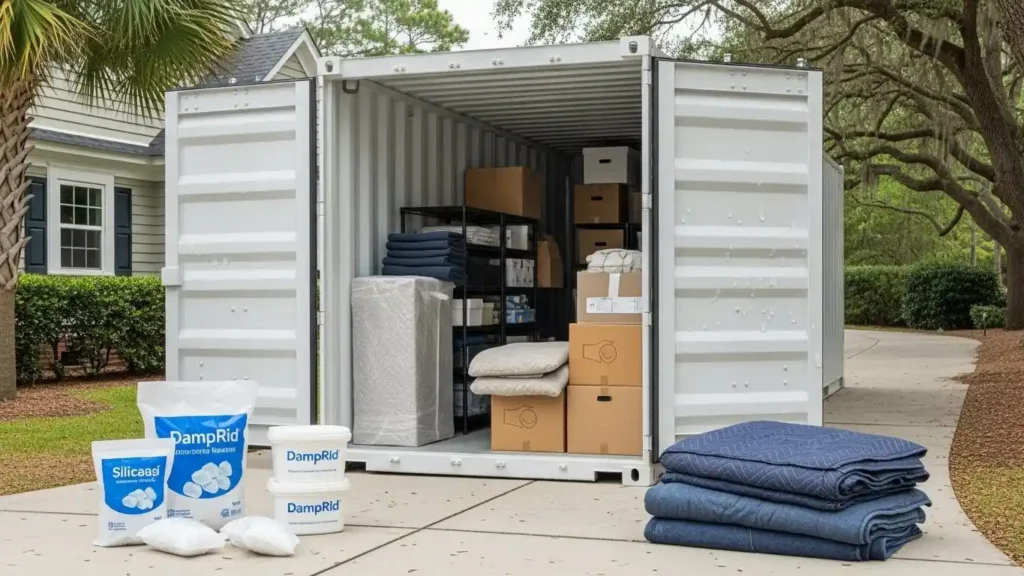
Insulate walls and ceiling, add controlled ventilation, and use bulk desiccants. Keep the floor dry and elevate goods on pallets.
What is the easiest way for beginners to start?
Dry items, add silica packs, seal well, and store off the floor. Then set a reminder to check in two weeks.
Conclusion
Moisture control is not guesswork. When you understand the cause, choose the right tools, and follow a simple routine, your storage stays dry and safe. Use airtight containers, add the right desiccants, and keep an eye on humidity.
Start today with one container. Apply the checklist, set a reminder, and track your results. If you found this helpful, subscribe for more practical guides or share your questions in the comments.