

Ventilate well, keep humidity under 50%, dry surfaces fast, and clean weekly.
If you’ve ever battled those gray specks along grout lines, you’re not alone. I’ve helped many homeowners learn how to prevent mildew in bathroom spaces with simple daily habits, smart gear, and a few design tweaks. Stay with me, and I’ll show you a proven, step-by-step plan that works in any bathroom, big or small.

Why mildew shows up in bathrooms
Mildew is a type of fungus. It loves damp, warm, still air. Steam from showers, wet towels, and poor airflow create the perfect setup.
Research shows fungi spread faster when relative humidity stays above 60% for a day or more. Cold surfaces can also cause moisture to condense. If you want how to prevent mildew in bathroom areas, you must control humidity and airflow first.
From my experience, a $10 digital hygrometer is a game changer. You can see humidity rise during a shower and track how fast it drops with the fan on. Aim to keep it under 50% most of the day.
:max_bytes(150000):strip_icc()/tricks-keep-bathroom-mold-free-326859-06-6949843907964d98aeb834e44362ecb3.jpg)
The 5-minute routine after every shower
The fastest way for how to prevent mildew in bathroom settings is a short post-shower routine. It takes less time than making coffee.
Follow these steps:
- Run the exhaust fan for 20–30 minutes, or until humidity drops below 50%.
- Squeegee walls, glass, and tile. One minute saves hours of scrubbing later.
- Wipe corners, ledges, and the tub lip with a microfiber cloth.
- Open the shower door or pull the curtain open so air can flow.
- Hang towels to dry on separate hooks. Spread out bathmats to dry.
Tip from the field: Install a fan timer switch. Set it and forget it.

Ventilation that actually works
Good airflow beats mildew. This is the core of how to prevent mildew in bathroom spaces.
What to check:
- Fan size: Most bathrooms need about 1 CFM per square foot of floor area.
- Ducting: Vent outside, not into an attic or crawlspace.
- Noise: Quieter fans (lower sone rating) run longer because people use them.
- Door gap: Leave a 0.5–0.75 inch gap under the door so air can move to the fan.
- Windows: Crack them during and after showers if outside air is dry.
In many homes I’ve renovated, a fan upgrade alone cut mildew by half. Pair it with a timer and you have a strong foundation.
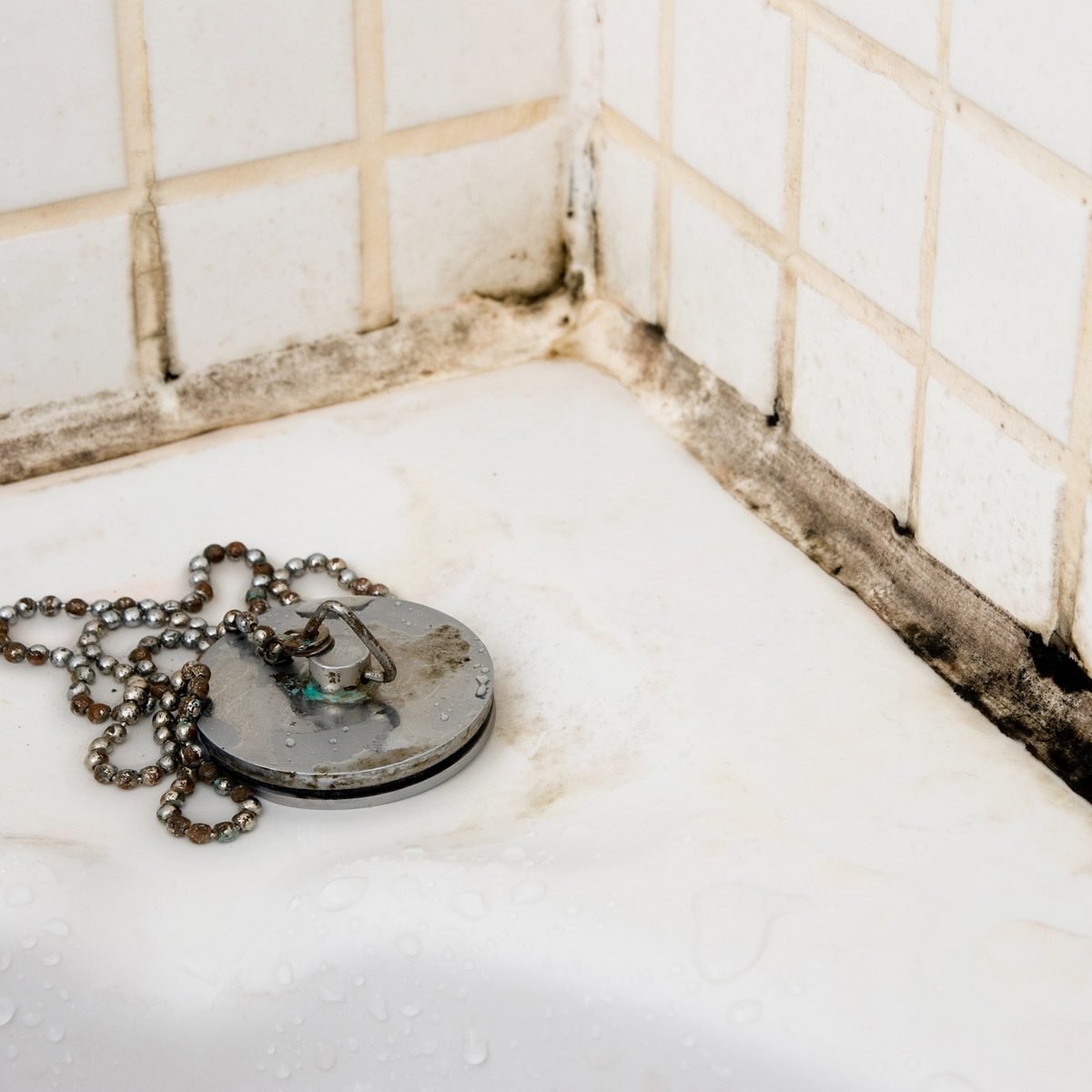
Moisture control and humidity targets
If you ask how to prevent mildew in bathroom air year-round, think humidity first. Keep relative humidity near 40–50%. It may creep higher on hot, humid days. That is normal, but do not let it stay there.
Practical steps:
- Use a small dehumidifier if your fan can’t keep up.
- Fix drips and slow leaks under sinks and at the toilet base.
- Insulate cold pipes and exterior walls to reduce condensation.
- Heat the room slightly during showers to reduce fog on cold surfaces.
Multiple studies show growth slows when you keep surfaces dry within a few hours. Dry air wins.

A simple cleaning plan that sticks
Cleaning is your backup plan. For how to prevent mildew in bathroom corners and grout, use gentle, safe methods first.
Weekly:
- Spray tile and grout with a 1:1 white vinegar and water mix. Let sit 5–10 minutes.
- Scrub lightly, rinse well, then dry with a cloth.
- Wipe glass with a squeegee and a drop of dish soap in warm water.
Monthly:
- Wash the shower curtain liner on hot and let it dry fully.
- Clean the fan grille and vacuum dust from the housing.
- Inspect caulk and grout. Spot-clean and dry.
Every 6–12 months:
- Seal grout. It helps water bead and run off.
- Re-caulk with 100% silicone if the old line cracks or pulls up.
Note: Never mix bleach with vinegar or ammonia. Use one product at a time and rinse. If I find early mildew, I use hydrogen peroxide on stubborn spots, let it sit, then scrub and dry.
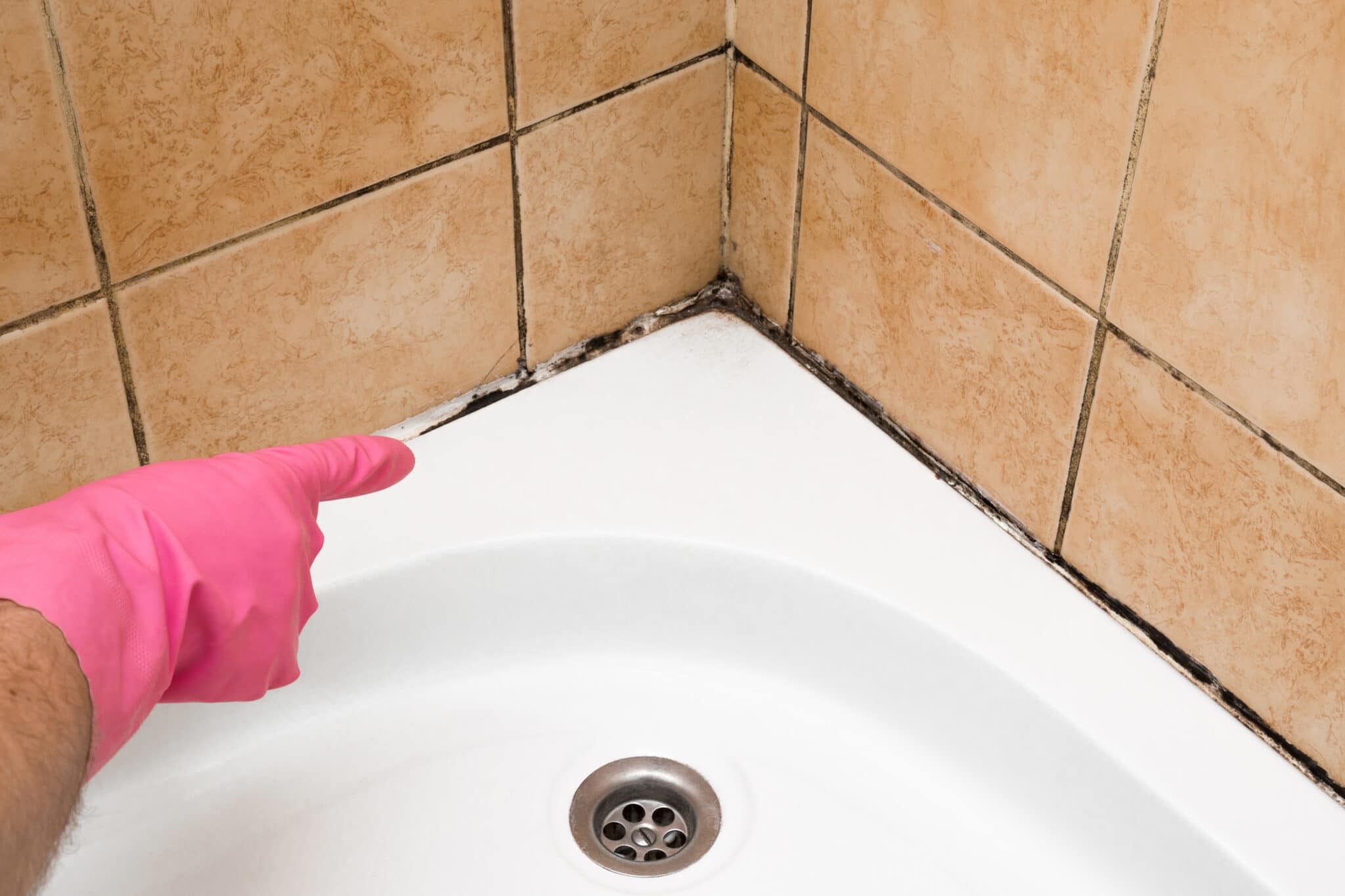
Materials and design choices that resist mildew
Want to know how to prevent mildew in bathroom design from the start? Choose materials that shed water and clean fast.
Best picks:
- Mildew-resistant bathroom paint with a built-in mildewcide.
- Large-format tile or solid-surface panels to reduce grout lines.
- Epoxy grout in high-splash zones. It absorbs less water.
- 100% silicone caulk at corners, base, and around the tub.
- A PEVA or fabric liner that you can wash often, or a glass door with a drip rail.
Smart design details:
- Add a slight slope on shelves and window sills so water runs off.
- Keep the shower niche shallow so it dries fast.
- Limit clutter. Fewer bottles mean fewer wet shadows.
:max_bytes(150000):strip_icc()/tricks-keep-bathroom-mold-free-326859-Hero-01-2595e82c82c345079eba7f1927649dd5.jpg)
Trouble spots and quick fixes
When clients ask how to prevent mildew in bathroom hot spots, we hunt these areas first.
Watch these places:
- Shower curtain hems and hooks. Wash or replace seasonally.
- Window trim and sills. Wipe dry after showers and add a fan boost.
- Caulk lines at tub edges. Replace if you see gaps or discoloration.
- Behind the toilet and under the sink. Fix slow leaks right away.
- Bathmats and towels. Wash often and dry fully between uses.
- Toothbrush holders and soap dishes. Rinse and air-dry daily.
One landlord I worked with cut complaints by swapping thick bathmats for quick-dry mats and adding over-the-door towel bars. Small changes, big gains.

Climate and seasonal tips
Climate matters. If you need how to prevent mildew in bathroom areas year-round, tweak your approach with the seasons.
Cold climates:
- Warm the room a bit before showering.
- Insulate exterior walls and use a longer fan run time.
- Use anti-condensation film on single-pane windows.
Humid climates:
- Run AC or a dehumidifier to keep indoor humidity low.
- Avoid leaving windows open on muggy days.
- Use a higher-capacity fan and a 30-minute timer.
These tweaks help the same core idea: fast dry times and steady airflow.

Common mistakes to avoid
Avoid these pitfalls if you want how to prevent mildew in bathroom spaces without stress.
Big ones:
- Shutting the fan off right after you shower.
- Keeping the shower door closed or the curtain bunched up.
- Letting towels pile up and mats stay wet.
- Relying only on bleach. It can lighten stains but not fix moisture issues.
- Mixing cleaners. It is unsafe and not more effective.
- Cluttered shelves that trap moisture behind bottles.
Make it simple. Dry air, dry surfaces, and steady habits win every time.
Budget-friendly gear checklist
You do not need a full remodel to master how to prevent mildew in bathroom areas. A few low-cost tools go far.
Essentials:
- Squeegee and microfiber cloths.
- Digital hygrometer for humidity tracking.
- Fan timer switch or a smart plug with a schedule.
- PEVA liner or quick-dry shower curtain.
- 100% silicone caulk and grout sealer.
- Small, quiet dehumidifier for tough climates.
This kit costs less than a fancy showerhead and saves you hours of scrubbing.
Frequently Asked Questions of how to prevent mildew in bathroom
How often should I run the bathroom fan?
Run the fan during your shower and for 20–30 minutes after. Use a hygrometer and keep it on until humidity drops below 50%.
Is vinegar or bleach better for mildew?
Vinegar works well for light mildew and is safer for regular use. Bleach can lighten stains but does not solve moisture problems.
What humidity level stops mildew?
Aim for 40–50% most of the time and under 60% after showers. Keep air moving so surfaces dry within a few hours.
Do I need to replace caulk if it looks stained?
If caulk is cracked, loose, or stained deep, replace it with 100% silicone. It resists water better and lasts longer in wet areas.
Will a dehumidifier help in a small bathroom?
Yes, especially in humid climates or windowless bathrooms. Use it with your exhaust fan for faster dry times.
Conclusion
Stopping mildew comes down to three habits: move air, control humidity, and dry surfaces fast. If you follow the steps here, you now know how to prevent mildew in bathroom spaces in a simple, repeatable way. Start with a fan timer, a squeegee, and a weekly wipe-down, and you will see results fast.
Ready to go deeper? Try one upgrade this week, track your humidity, and share your wins or questions in the comments. If this helped, subscribe for more practical home care guides.