

Lower indoor humidity, boost ventilation, and keep window glass warmer with upgrades.
Foggy panes make rooms feel damp and cold. I’ve helped homeowners fix this in old and new homes alike. In this guide, I’ll show you how to prevent condensation on windows with simple steps first, then smart upgrades that pay off. We’ll mix real-world tips, science you can use, and clear checklists so you can stop the drip for good.
What causes condensation on windows?
Condensation is warm, moist air touching a cold surface. When that air cools, it drops water on the glass. The key is the dew point. If the glass is colder than that point, you get fog or water.
Moisture comes from daily life. Showers, cooking, plants, drying laundry, and even breathing add water to the air. Older homes leak air, but not always in the right places. Tight homes hold moisture unless you vent it out.
You may see three kinds. Inside surface condensation is most common and fixable. Between-pane fog means a failed seal in double glazing. Around frames may hint at air leaks or a hidden water leak. To learn how to prevent condensation on windows, you must control humidity, airflow, and glass temperature together.
Quick actions you can try today
Start with simple habits. These take minutes and cost little.
- Use your bath fan during showers and for 20 minutes after.
- Run the kitchen range hood on high when you cook. Keep lids on pots.
- Crack a window for a few minutes after steamy tasks.
- Pull back thick curtains to let warm air wash the glass.
- Move plants away from cold windows. Water them less in winter.
- Stop drying clothes indoors if you can. Vent the dryer outside.
- Set a steady indoor temperature. Small temperature swings reduce fog.
- Buy a $15 hygrometer. Aim for 30% to 50% indoor humidity. In very cold weather, 30% to 40% is safer.
Try these for a week. You’ll see fast change. These basics are the heart of how to prevent condensation on windows in any season.
Control indoor humidity like a pro
Moisture is the fuel. Measure it first. A simple hygrometer gives you the number, not a guess. Keep it in the coldest room.
Use a plan by room and season.
- Bathrooms: Use a quiet fan rated 80 to 110 CFM. A timer switch helps.
- Kitchens: Use a hood that vents outside. Aim for 150 to 300 CFM.
- Basements: Run a dehumidifier to keep it near 50%. Drain it to a hose.
- Whole house: If your home is tight, consider an HRV or ERV. It swaps stale air for fresh while saving heat.
Target levels matter. Most building and health groups suggest 30% to 50% RH. In a deep freeze, lower to about 30% to protect the glass. This simple control is core to how to prevent condensation on windows all winter.

Ventilation that actually works
Not all fans are equal. Ducted, exterior-vented fans pull moisture out. Recirculating hoods only filter odors. They do not remove water.
Use best practices for steady results.
- Run bathroom fans during showers and 20 minutes after.
- Cover pots and run the hood the whole time you cook.
- Check ducts are short, straight, and sealed. Vent out a wall or roof.
- Add trickle vents or leave windows latched slightly if safe. This keeps a small, steady air change.
- In very humid weather, do not pull in sticky outdoor air. Dry it first with AC or a dehumidifier.
Good ventilation lowers indoor dew point. That makes glass safer. It is a proven way for how to prevent condensation on windows in real homes.
Keep glass warmer with insulation and upgrades
Warm glass does not fog as fast. Old single panes run very cold. Upgrade the window or add a second layer to help.
Choose the fix that fits your budget.
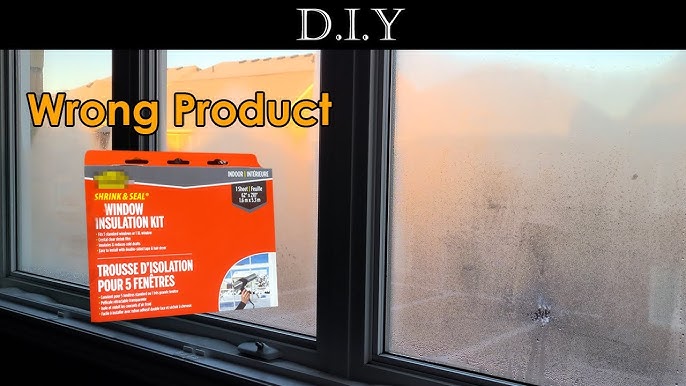
- Interior window film kits add a clear, tight layer. Cheap and very effective in winter.
- Interior or exterior storm windows can cut condensation and drafts a lot.
- Weatherstrip sashes and seal gaps at frames. Stop cold air leaks.
- Upgrade to double or triple-pane low-e windows when you can. Low-e glass reflects heat back in. Argon fill and warm-edge spacers help even more.
- Use thermal curtains but leave a gap at the top and bottom. You need airflow over the glass.
Raising glass temperature is a key piece of how to prevent condensation on windows, especially in older homes.
Seasonal playbook: winter vs summer
Winter is the classic sweat-on-glass season. Cold outdoor air meets humid indoor air. Reduce indoor humidity, move air across the glass, and keep surfaces warm.
Summer can bring the reverse. You may see water outside on high-efficiency windows. Outdoor air is moist and warm, and the glass is cool from AC. That kind is normal and not harmful. If you see water inside in summer, check for leaks, low AC airflow, or high indoor humidity.
Tweak your plan by climate. In cold zones, keep RH near 30% to 40% in deep winter. In humid zones, run AC and dehumidifiers to hold 45% to 50% in summer. This seasonal view sharpens your sense of how to prevent condensation on windows year-round.
Troubleshooting and common myths
Is it condensation or a leak? Feel and look close.
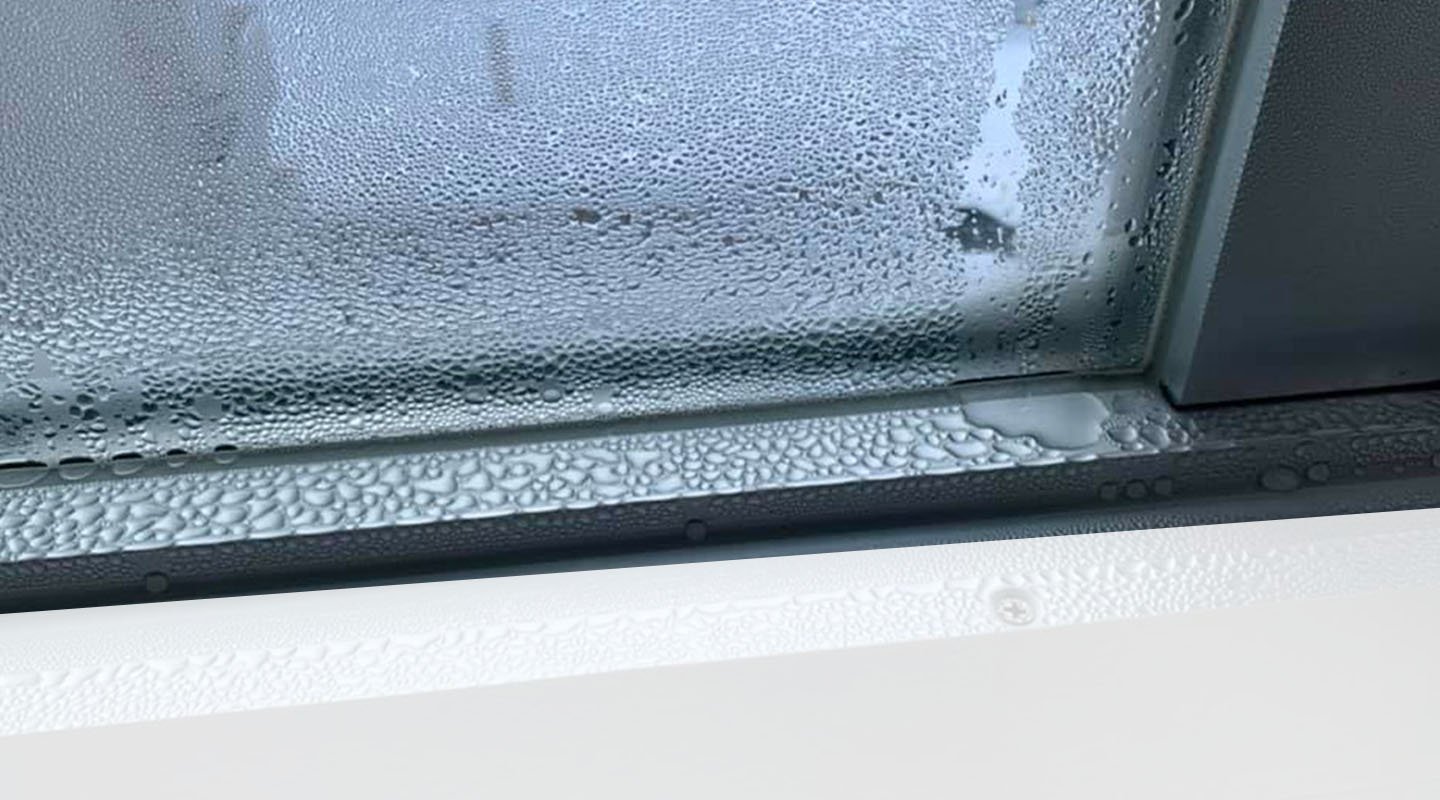
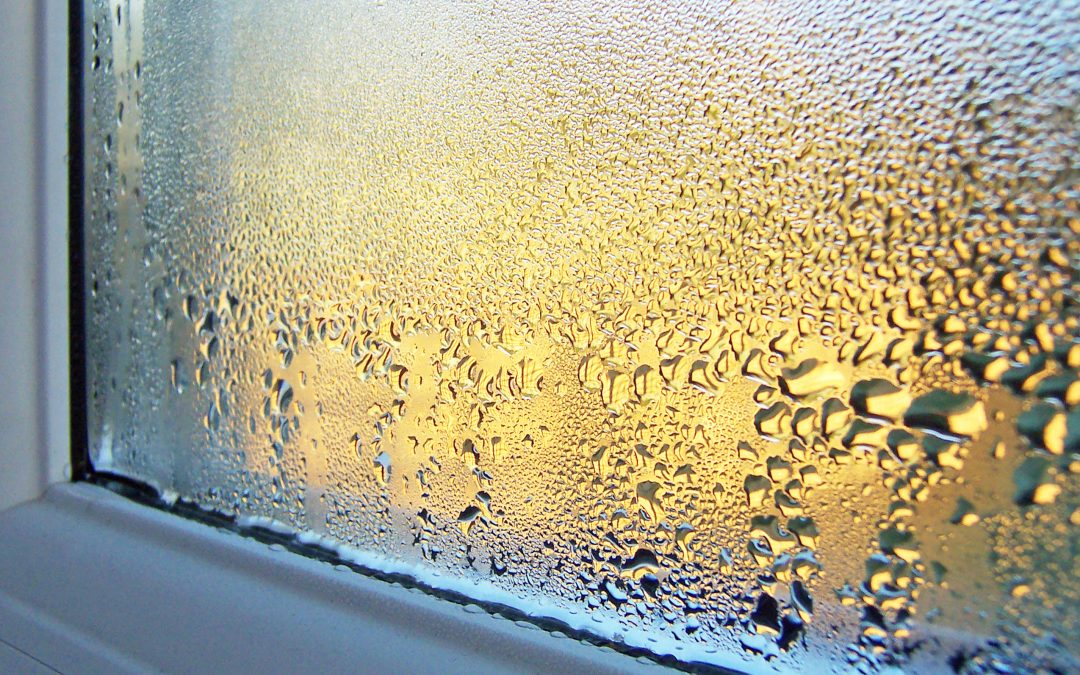
- Beads that form evenly across glass are likely condensation.
- Water at the top or one side may be a roof or flashing leak.
- Fog between panes means a failed seal. That unit needs repair or replacement.
Skip the myths.
- Myth: Leave windows open all day in winter. Reality: You dump heat and may add moisture if outdoor air is damp.
- Myth: Bigger humidifiers help comfort. Reality: They often push RH too high and cause more fog.
- Myth: Thermal curtains stop condensation. Reality: They can trap moist air by the glass unless you leave airflow paths.
Use facts and a meter. That is the smart path for how to prevent condensation on windows without guesswork.

Maintenance and daily habits checklist
These habits keep panes clear and frames dry.
- Check RH each morning and night. Adjust fans or dehumidifiers.
- Squeegee wet glass after showers in bathrooms.
- Wipe window sills when you see drops. Do not let water sit.
- Clean and test bath and kitchen fans every six months.
- Reseal window caulk and weatherstripping once a year.
- Keep furniture a few inches off exterior walls for airflow.
- Service your heating system. Warm, even heat helps.
Use this checklist to lock in how to prevent condensation on windows as a daily routine.
Health, mold, and safety tips
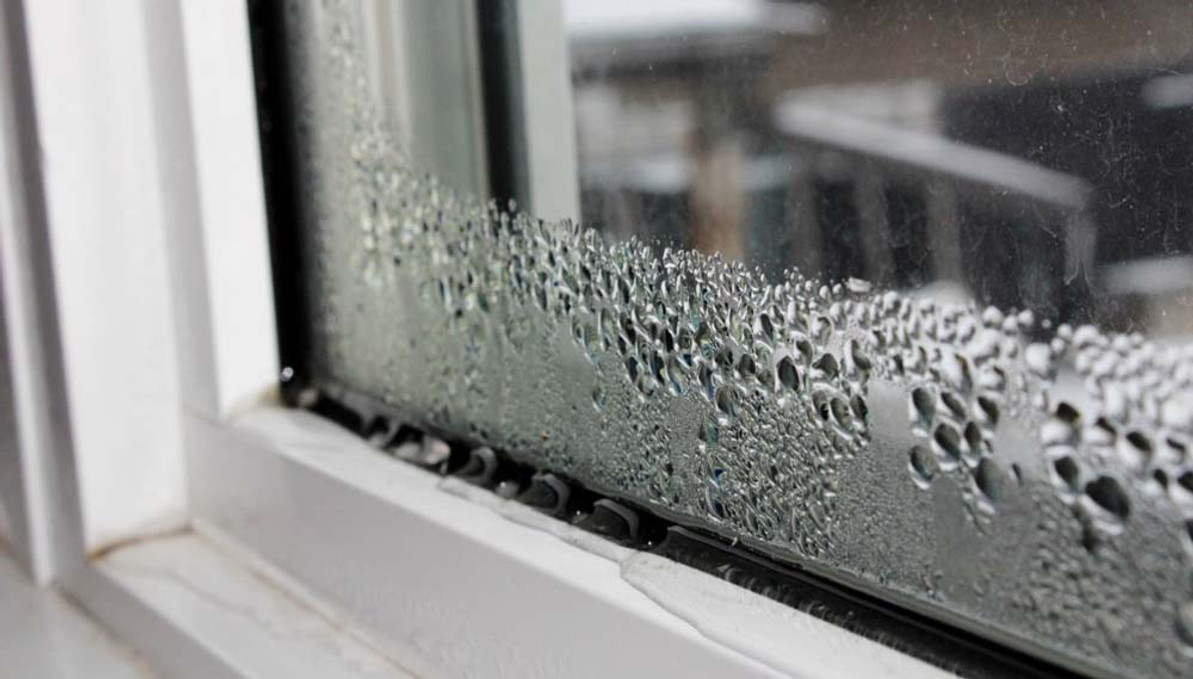
Condensation can feed mold on sills and frames. Clean small spots with a mild detergent and water. Dry well after.
Watch for musty smells, dark stains, or soft wood. These suggest a bigger moisture issue. If you see wide growth or feel weak spots, call a pro. Keep CO detectors working if you use gas heat. Never vent fans into an attic. Safe venting is vital in how to prevent condensation on windows and in your whole home.
Frequently Asked Questions of how to prevent condensation on windows
Why do my windows fog up only in the morning?
Night air cools the glass, and morning sun warms the air fast. That mismatch crosses the dew point and fog forms. Run fans early and keep blinds open a bit.
What indoor humidity should I aim for in winter?
Try 30% to 40% when it is very cold outside. This protects glass while keeping comfort. Use a hygrometer to confirm.
Will a dehumidifier fix window condensation by itself?
It helps a lot, but placement matters. Put it near the damp area and drain it. Use fans and heat with it for the best result.
Are thick curtains good or bad for condensation?
They save heat but can trap moist air by the glass. Leave gaps at top and bottom to let warm air move. Open them during the day.
How can I tell if it is a failed window seal?
Fog or haze between panes that does not wipe off is a clue. You may also see mineral streaks inside the unit. That pane will need repair or replacement.
Does running my HVAC fan help?
Often, yes. It mixes air and warms cold spots. If it makes rooms feel damp, lower humidity or switch back to Auto.
Can indoor plants cause window condensation?
Many plants in one area add moisture. Move them back from cold glass and water less in winter. Track RH to be sure.
Conclusion
Clear windows come from three wins. Lower indoor humidity, use real ventilation, and keep glass warmer. When you apply these together, water drops fade and comfort rises.
Pick two actions to start today. Turn on fans when you cook or shower, then add a hygrometer to guide your next step. If you want more on how to prevent condensation on windows, subscribe for updates or drop a question in the comments.