

Use a calibrated hygrometer, take readings in key rooms, and log trends.
If you want clean air, fewer allergies, and a healthier house, you need to know how to measure humidity in home the right way. I’ve tested many sensors and methods over the years, from cheap dials to lab-grade tools. In this guide, I’ll show you how to measure humidity in home with simple steps, real data tips, and clear targets you can trust.
What humidity is and why it matters
Humidity is the amount of water vapor in the air. Most home devices show relative humidity, or RH, as a percent. RH changes with temperature, so a warm room can hold more moisture than a cold room.
Healthy homes usually sit between 30% and 50% RH. Low RH can cause dry skin, static, and cracked wood. High RH makes rooms feel muggy, drives mold growth, and stresses your HVAC. If you want a solid plan for how to measure humidity in home, it helps to know what those numbers mean and why they change.
.png)
Tools you can use to measure humidity
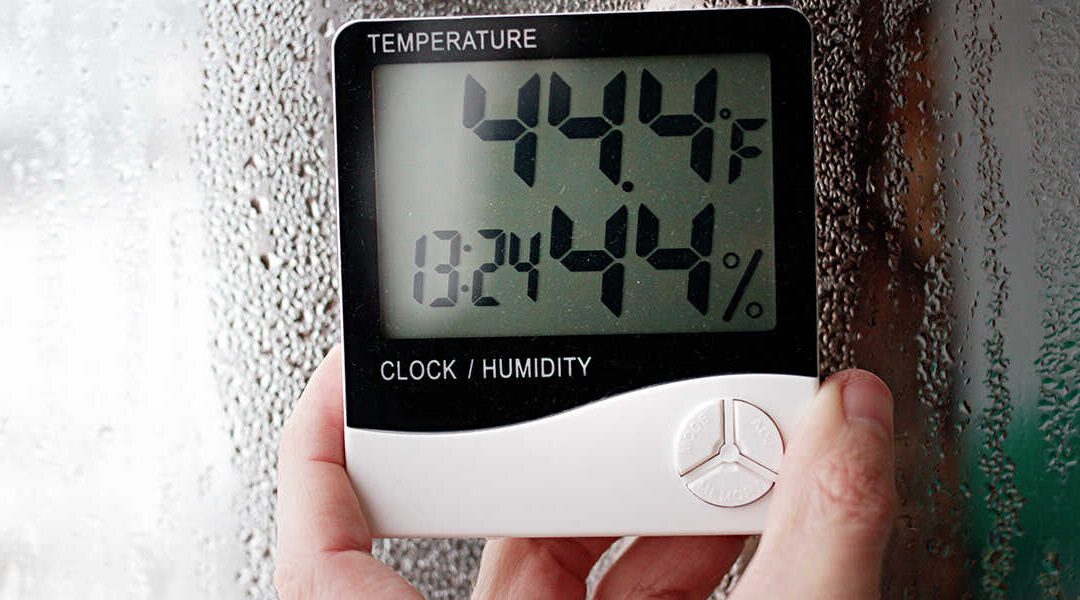
You do not need fancy gear to start. A simple digital hygrometer is often enough. Aim for accuracy of plus or minus 2% to 3% RH.
Here are common options and how they stack up:
- Digital hygrometers: Easy to read, quick response, and cheap. Look for models that show temperature and RH together.
- Smart sensors: Send readings to your phone, log data, and give alerts. Great for trends, basements, and nurseries.
- Analog dial hygrometers: Classic look but often need calibration. Good as a backup display.
- Psychrometers: Measure wet bulb and dry bulb to compute RH. Useful for HVAC checks, but more work.
- Thermostat or weather station sensors: Handy if already installed. Check the specs for accuracy and placement.
If you are learning how to measure humidity in home for the first time, start with two digital sensors. Cross-check them so you can trust the numbers.
Step-by-step: how to measure humidity in home
Use this simple routine to get accurate numbers you can act on.
- Place a sensor in each key area: living room, main bedroom, kitchen, and basement.
- Keep sensors away from sunlight, exterior walls, vents, and wet zones.
- Set them at chest height where air flows, not in corners or behind curtains.
- Let each sensor sit for 20 to 30 minutes to stabilize before recording.
Measure at a few times each day for one week. Morning, late afternoon, and night are ideal windows. Note outdoor weather, HVAC run times, showers, and cooking. This is the fastest way to learn how to measure humidity in home and see patterns.
Pro tip from my own home: I use a small notebook or a phone app to log readings. I mark spikes after showers, laundry, and boiling pasta. After one week, the patterns jump off the page.

How to calibrate and check accuracy
Even good hygrometers drift. A quick salt test can check and correct them. You need table salt, water, a small cup, a zip bag or food container, and your sensor.
Do this:
- Put a tablespoon of salt in a bottle cap or cup. Add a few drops of water to make a thick paste.
- Place the cup and the sensor in a sealed bag or container. Do not let the sensor touch the paste.
- Wait 8 to 12 hours at room temperature. The air inside should be near 75% RH.
- If your reading is off, use the device’s calibration or write down an offset.
I do this twice a year. It keeps my sensors honest, and it makes how to measure humidity in home far more reliable.
Interpreting readings and ideal ranges
Now that you have data, turn it into action. Most experts suggest 30% to 50% RH for homes. In cold winters, aim closer to 30% to 45% to prevent window condensation. In warm summers, 40% to 55% feels good for most people.
Room-specific targets help:
- Living room and bedrooms: 35% to 50%
- Kitchen and bath after use: Return to under 55% within 30 minutes
- Basement: 35% to 50% to limit mold risk
- Nursery and instruments: 40% to 50% is a safe zone
If RH stays above 60% for long periods, mold risk grows fast. If RH stays under 30%, static, nosebleeds, and wood gaps can appear. Learning how to measure humidity in home is the first step; setting clear targets is the second.

Troubleshooting and common mistakes
Many new users make the same errors. The good news is they are easy to fix.
Common mistakes:
- Placing sensors near vents or windows where air is not typical.
- Taking readings right after cooking or showers and assuming that is the daily norm.
- Trusting one cheap device that has never been checked.
- Ignoring temperature, which shifts RH up or down.
- Measuring once and making big changes too fast.
Fixes that work:
- Use two sensors and compare them weekly.
- Log at set times and during daily peaks.
- Re-check calibration every six months.
- Pair RH with room temperature to see the full picture.
- If you are still unsure how to measure humidity in home, ask an HVAC pro to spot-check with a reference meter.

Ways to control humidity after measuring
If RH is too high:
- Run bath fans during showers and for 20 minutes after.
- Use a range hood that vents outside when cooking.
- Fix leaks and improve drainage around the house.
- Add a dehumidifier in the basement or any room above 55% RH. Size it by square footage and moisture load.
- Improve airflow with doors open and furniture pulled away from exterior walls.
If RH is too low:
- Use an evaporative humidifier for cleaner moisture. Ultrasonic units are quiet but can leave white dust unless you use distilled water.
- Seal air leaks around windows and doors to keep moisture in.
- Add houseplants and bowls of water near radiators as small helpers.
I learned how to measure humidity in home the hard way one winter. My RH fell under 25%, and my hardwood started to gap. A small evaporative humidifier set to 40% solved it within a week.

Tracking trends and using data
Short snapshots help, but trends tell the full story. Your home breathes with seasons. In spring rains, basements rise. In deep winter, indoor air dries out fast.
Do this to stay ahead:
- Log weekly highs and lows to build a seasonal baseline.
- Create alerts at 60% RH high and 30% RH low on your smart sensors.
- Watch dew point too. A dew point over 60°F often feels muggy indoors.
I once saw my basement hit 65% after a three-day storm. The log was clear. I added a 50-pint dehumidifier and set it to 45%. Problem gone. This is why learning how to measure humidity in home, and then to track it, saves time and money.
Safety, health, and building impacts
Balanced humidity supports your health. Dust mites thrive over 50% to 60% RH. Very dry air can let some viruses linger longer and can irritate lungs. Wood floors, guitars, and cabinets all move with moisture, so they need steady conditions.
Watch for warning signs:
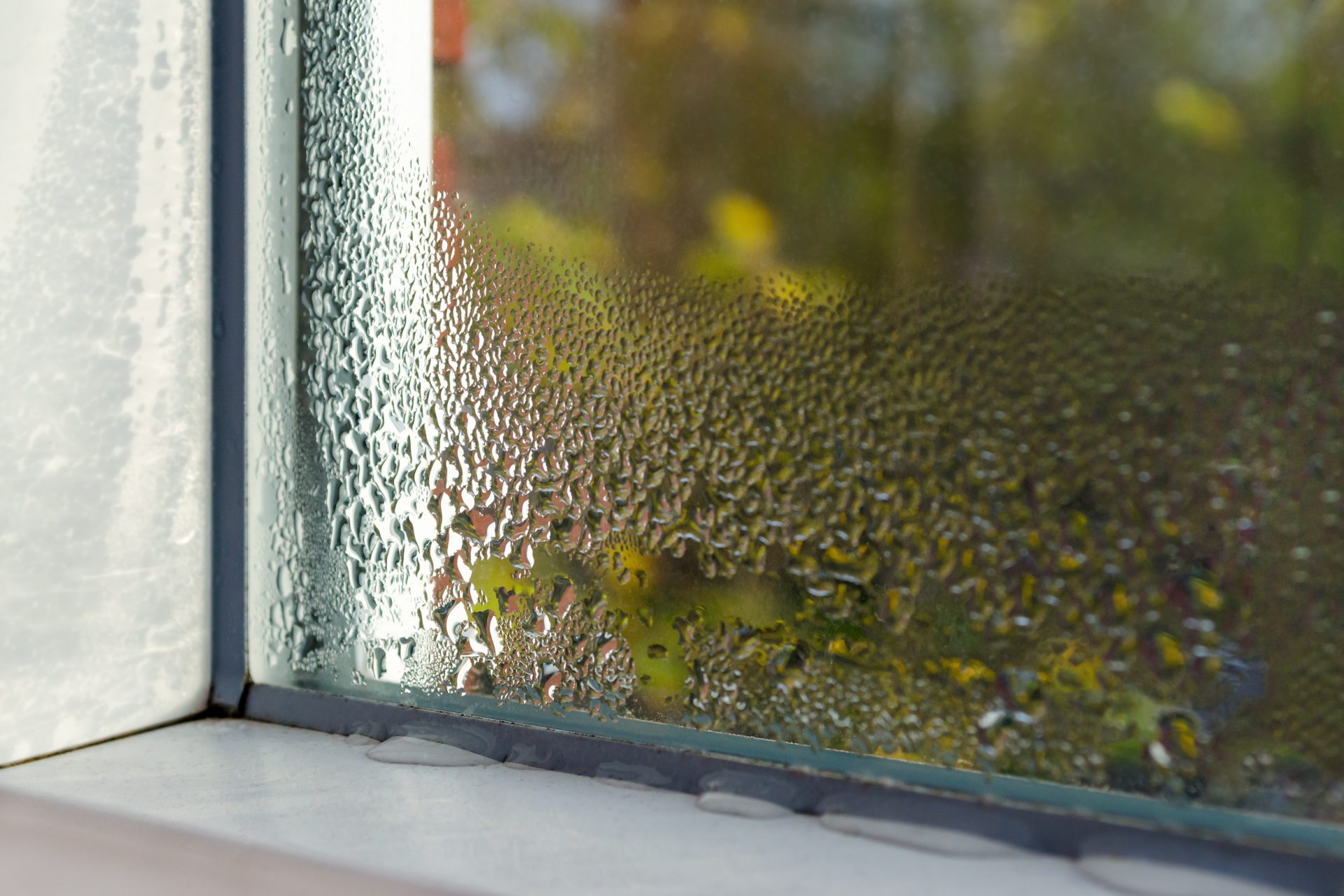
- Condensation on windows or cold walls
- Musty smells in closets or basements
- Warped doors and cupped floorboards
- Chronic static shocks and dry noses
If you spot damage or mold, act fast and consider a pro. You now know how to measure humidity in home, but repairs and remediation need trained eyes when the problem is big.
Frequently Asked Questions of how to measure humidity in home
What is the easiest way for beginners?
Use a simple digital hygrometer in your main living space. If you want to learn how to measure humidity in home well, get a second unit and compare readings.
How many sensors do I need?
Start with two to three sensors for a small home. If how to measure humidity in home is your goal, add one in the basement and one in the bedroom.
Where should I place the sensor?
Keep it at chest height, away from vents, direct sun, and exterior walls. This gives stable air for how to measure humidity in home without skewed readings.
How often should I check humidity?
Check morning, late afternoon, and night for one week. Once you know the pattern, how to measure humidity in home becomes a quick daily glance.
What is a good humidity range?
Aim for 30% to 50% RH most of the time. If you follow how to measure humidity in home the right way, you can keep it steady within that range.
Do I need to calibrate my hygrometer?
Yes, at least twice a year using a salt test or a known reference. Calibration makes how to measure humidity in home more accurate and trustworthy.
Are smart sensors worth it?
They log data and send alerts, which helps you act fast. If you care about how to measure humidity in home over seasons, smart logs are gold.
Conclusion
Getting humidity right is simple when you measure with care, set clear targets, and track trends. Start with two good sensors, place them well, and log a week of data. Use that baseline to guide vents, dehumidifiers, or humidifiers.
You can master how to measure humidity in home in a weekend and enjoy cleaner air for years. Take one small step today: order a reliable hygrometer, set it up tonight, and note three readings tomorrow. Want more tips like this? Subscribe, share your results, or drop a question so we can fine-tune your plan together.