

It’s full when crystals disappear, the puck swells, or the tank reaches the max line.
Let’s get clear on how to know when moisture absorber is full so you can stop guessing and protect your space. I’ve set up, tested, and replaced countless tubs, bags, and canisters in closets, basements, and RVs. In this guide, I’ll show you how to know when moisture absorber is full with simple checks, expert tips, and real-world examples that anyone can follow.

Clear signs your moisture absorber is full
Here is how to know when moisture absorber is full in the real world. You do not need tools. You just need a quick look and a gentle shake.
Common signs:
- The reservoir is at or above the max line.
- The crystals or beads have dissolved or turned mushy.
- The puck or tablet has swollen and no longer shrinks.
- The bag looks heavy, saggy, and packed with liquid.
- It stops collecting more water over several days.
I use a simple rule. If the tub is at the max line and new droplets stop forming, it is full. That is how to know when moisture absorber is full without doubt. If the unit leaks or weeps, swap it at once.
Smell can help too. A stale, damp smell coming back means the unit is done. If your hygrometer stops dropping, that is another cue. This is how to know when moisture absorber is full in a small room or closet.

How different types show fullness
Not all absorbers show the same clues. Here is how to know when moisture absorber is full by type.
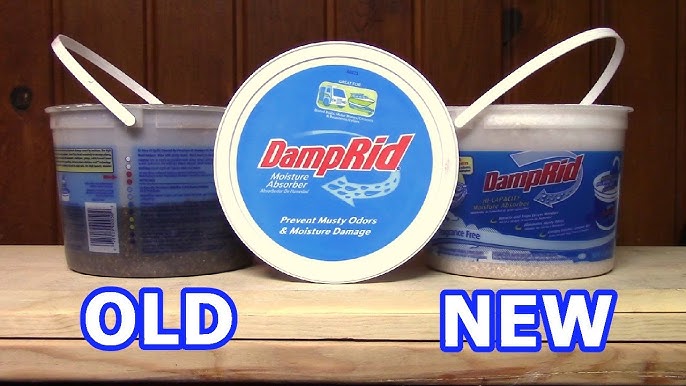
Calcium chloride tubs:
- Look for a clear liquid brine near the fill line.
- The white crystals vanish, and you see slush or liquid only.
Hanging bags:
- The bottom pouch swells with liquid.
- The top pouch gets thin as pellets dissolve.
Silica gel canisters or color beads:
- Color change is the key. Blue to pink. Orange to green.
- If the color will not reset after heating, it is spent.
Refillable buckets:
- The cage holds no solid pellets. The bottom is all liquid.
- If liquid sits above the marked line, it is full.
This is how to know when moisture absorber is full in each format. If the device has a max line, obey it. If it has color beads, trust the color shift.

Step-by-step checks and quick tests
If you want a simple routine, try this. It works in closets, pantries, and RVs.
Daily glance test:
- Check the fill line. Stop at the max line.
- Note crystal size. If none remain, plan to change.
Weight test:
- Full units feel heavy. Pick it up. If it feels like a jug of water, it is likely full.
- Compare to a fresh unit once. You will learn the feel fast.
Shake and listen:
- Gentle shake. Slosh and no rattle? It is mostly liquid.
- Rattle of pellets? It still has capacity.
Color or window check:
- Look for the color indicator on silica gel units.
- If it shows the spent color, it is full or needs recharge.
Smart check with a hygrometer:
- Place a small humidity meter nearby.
- If the reading stops dropping or climbs, the absorber is done.
Follow these steps, and you will know how to know when moisture absorber is full without second guesses. I use this same routine in my workshop and gear closet.

Maintenance, safety, and disposal
Calcium chloride brine is salty and can be harsh on metal and wood. Treat it with care. Keep pets and kids away.
Safe handling tips:
- Wear gloves when draining brine.
- Keep liquid off floors, tools, and fabrics.
- Do not use on carpets or near wiring.
Disposal basics:
- Most brine can go down a toilet with lots of water. Check local rules first.
- Rinse the tub, dry it, and refill or recycle the plastic if allowed.
Storage tips:
- Store refills in a sealed bin.
- Label the date you set each unit. This helps you plan changes.
Do these small things, and you will always know how to know when moisture absorber is full and ready to swap. It keeps your space safe and dry.

Replace vs. refill and how long they last
How long they last depends on room size, airflow, and humidity. High humidity drains faster. Cold rooms slow the process.
General timelines:
- Small tub in a closet: 1 to 2 months.
- Medium tub in a bedroom: 1 to 3 months.
- Hanging bag in a pantry: 1 to 2 months.
- Silica gel canister: weeks to months, then recharge by heating if allowed.
When to replace:
- If the liquid is at the max line, replace or drain it.
- If the beads will not change back after heating, replace the canister.
Cost note:
- Refills often cost less than new tubs.
- Bulk pellets can cut costs over time.
Use these cues, and you will nail how to know when moisture absorber is full and when to change it. Your budget and air will both thank you.
Placement tips to prevent early fill-ups
Where you place the unit matters. Good placement helps it last and work better.
Best practices:
- Put it low, where cool damp air settles.
- Keep it near problem spots like walls, windows, or pipes.
- Allow airflow around it. Do not hide it behind boxes.
Room strategies:
- Closets: one small tub per 3 to 4 feet of closet length.
- Bathrooms: a hanging bag on the dry side of the room.
- Basements: multiple medium tubs spaced across the area.
Extra help:
- Use a vent fan or crack a window.
- Fix leaks and seal gaps.
Better placement makes it easier to see how to know when moisture absorber is full. You will also get more even results across the room.

Frequently Asked Questions of how to know when moisture absorber is full
How do I know when my moisture absorber is full?
Check the max line, the crystal level, and the weight. If it is all liquid and at the line, it is full.
How often should I check a moisture absorber?
Look weekly in mild seasons and every few days in wet months. Quick checks prevent leaks and overflow.
Can I reuse the liquid from a calcium chloride tub?
No. The liquid is a salty brine that can damage surfaces. Dispose of it safely and refill with fresh pellets.
Do color-changing silica gel beads mean it is full?
Yes. When the beads hit the spent color, the canister needs a recharge or a replacement. Follow the label.
Why did my absorber fill up so fast?
High humidity, poor airflow, and large room size speed it up. Add more units or improve ventilation.
What size absorber should I use?
Match the unit to the room. Small closets need a small tub, while basements need several medium or large units.
Is there a way to extend the life of my absorber?
Yes. Improve airflow, seal leaks, and reduce sources of moisture. Better placement helps it last longer.
Does temperature affect performance?
Yes. Cooler air holds less moisture, which can slow collection. Warm, humid air speeds it up.
Can I put a moisture absorber in an RV or boat?
Yes. Place multiple units in storage areas, under seats, and near windows. Check them often due to high humidity.
What if my absorber leaks?
Wear gloves, wipe up the brine, and rinse the spot with plenty of water. Replace the unit and avoid overfilling next time.
Conclusion
Knowing how to know when moisture absorber is full is simple when you watch the fill line, crystal state, and color cues. A quick weekly check and smart placement will prevent damp air, musty smells, and damage. Put these tips to work today, protect your space, and breathe easier. Want more home care guides like this? Subscribe, share your results, or drop your questions in the comments.