

Replace moisture absorbers every 1–3 months, sooner in humid seasons or damp rooms.
If you want a simple, proven schedule for how often to change moisture absorber, you’re in the right place. I’ve tested these products in closets, basements, boats, and RVs, and I’ll walk you through what lasts, what fails, and how to stretch every refill. Together, we’ll cover clear timelines, real signs of saturation, and pro tips to cut costs and avoid damp damage.

How often to change moisture absorber
The average rule: replace every 30–90 days. Most calcium chloride tubs and hanging bags last 4–8 weeks in average humidity. Many hit the 60-day mark in normal closets. In high humidity, expect 2–4 weeks. In dry months or sealed spaces, you might reach 3 months.
By type:
- Calcium chloride tubs or hanging bags: 1–2 months in moderate humidity. 2–4 weeks in damp rooms.
- Refillable containers with crystals: 1–3 months, depending on size and airflow.
- Silica gel canisters or desiccant packs: 1–2 months before recharging in average use. Faster in bathrooms.
- Rechargeable electric desiccants: recharge weekly to monthly, per indicator color.
If you ask how often to change moisture absorber for a closet, aim for 6–8 weeks. If you ask how often to change moisture absorber in a bathroom, plan for 3–6 weeks. If you ask how often to change moisture absorber in a basement or RV, check weekly in summer and replace every 2–6 weeks.
Key idea: temperature and humidity drive the timeline. Warmer, wetter air equals faster saturation.

What affects replacement frequency
Several factors change how often to change moisture absorber:
- Humidity level: over 60% RH eats through crystals fast. Over 70% RH can halve lifespan.
- Temperature: warm air holds more moisture, so absorbers fill faster.
- Room size and airflow: still air near walls or inside cabinets slows performance.
- Product size and type: larger tubs and high-capacity bags last longer than mini packs.
- Door use and traffic: opening doors pulls in fresh humid air.
- Seals and leaks: gaps, wet floors, and cold pipes add extra moisture.
From my field work, two identical tubs can last very different times in the same house. A well-vented closet may run 8 weeks. A laundry nook near a steamy washer runs 3–4 weeks.
Room-by-room and seasonal guide
Room schedules help you decide how often to change moisture absorber in everyday spaces:
- Closets and wardrobes: every 6–8 weeks. Use a hanging bag for easy checks.
- Bathrooms: every 3–6 weeks. Replace sooner after long, hot showers.
- Basements and crawl spaces: every 2–6 weeks in wet seasons. Use bigger tubs.
- Kitchens and pantries: every 6–8 weeks. Keep away from food contact.
- Garages and sheds: every 4–8 weeks. Gear and concrete hold moisture.
- RVs, boats, and campers: check weekly in storage. Replace every 2–4 weeks in humid marinas.
- Gun safes and cabinets: silica gel canisters, recharge every 4–8 weeks. Use indicator color.
- Storage units: plan on 4–8 weeks, faster in summer.
Seasonal tips:
- Spring and summer: replace more often, as warm air speeds saturation.
- Fall: watch stormy, wet periods; increase capacity.
- Winter: heated homes may run drier; extend to 2–3 months in sealed spaces.
If you need a single rule for how often to change moisture absorber in any season, check it every two weeks and replace by the fill line or color change.

Clear signs it’s time to change
Look for these cues:
- Fill line reached: liquid hits the max line in a tub.
- Crystals gone: pellets dissolve into brine, with few solids left.
- Indicator color change: silica gel turns from blue to pink, or orange to green.
- Musty smell returns: odors creep back when capacity is spent.
- New condensation: foggy windows, damp walls, or clammy fabric.
If you’re not sure how often to change moisture absorber in your room, use the first full cycle as a baseline. Time how long it takes to hit the fill line. Then set a reminder for a week earlier next round.

How to extend lifespan and save money
You can slow down saturation without losing results:
- Improve airflow: lift the tub, avoid corners, and allow air to flow around it.
- Fix drafts and leaks: seal windows, insulate cold pipes, and dry wet floors.
- Use lids and grates correctly: expose the top but keep the product upright and stable.
- Right-size the unit: larger spaces need higher capacity or multiple units.
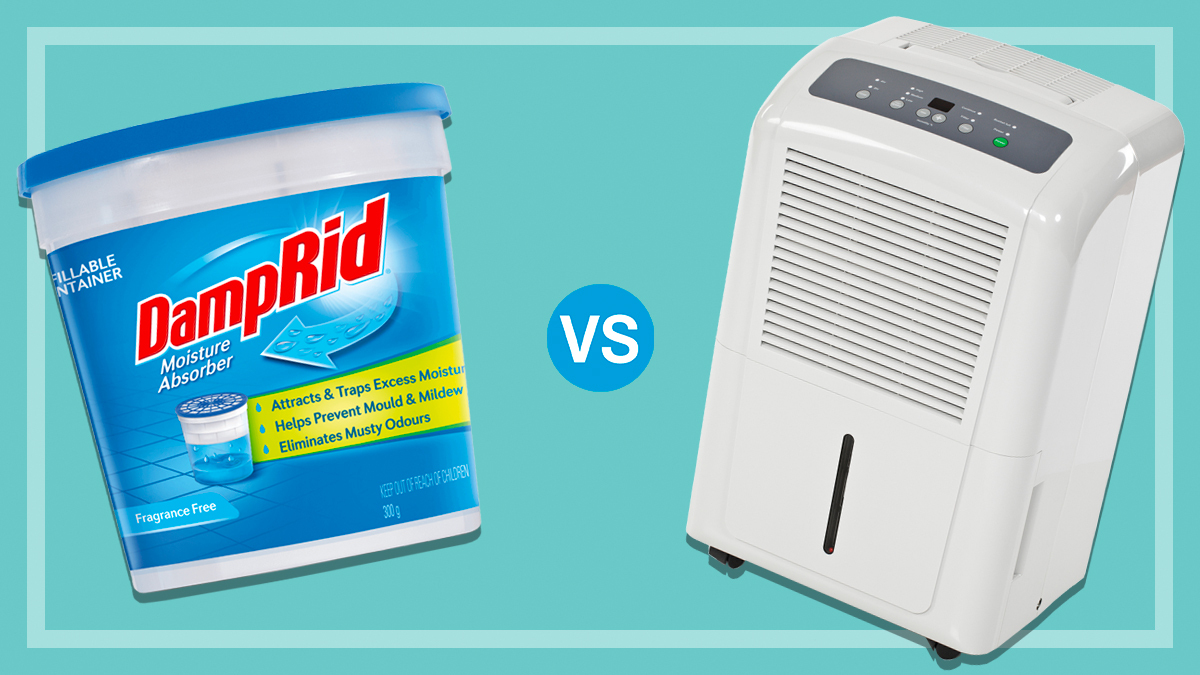
- Pair with fans or a dehumidifier: lower room RH to make absorbers last longer.
- Recharge silica gel: many canisters recharge in a low oven per label instructions. Do not heat calcium chloride.
I test placement first. Moving a tub from the floor to a shelf often gives me an extra two weeks. It is a small change with a real payoff.

Step-by-step: replacing a moisture absorber safely
Follow this fast process for clean changes:
- Put on gloves. Calcium chloride brine is salty and can be irritating.
- Keep it upright. Carry the tub pan-level to avoid spills.
- Check instructions. Most products have a max fill line and disposal note.
- Disposal: many brines can go down a sink with running water. Do not pour on plants, fabric, or metal. Check your local rules and the label.
- Rinse the container if refillable. Dry before adding new crystals.
- Set the new unit in a stable, open spot. Avoid direct contact with metal.
- Log the date. Set a reminder for your expected change window.
If you wonder how often to change moisture absorber after a spill, replace it right away and wipe the surface with lots of water. Salt can attract moisture and damage finishes if left.

Product types and how long they last
Different products change at different rates:
- Hanging bags with calcium chloride: great for closets. 4–8 weeks on average.
- Tubs and buckets: higher capacity for basements and garages. 2–8 weeks based on humidity.
- Refillable containers: eco-friendly and cheaper long term. 1–3 months per refill in moderate spaces.
- Silica gel canisters and packs: ideal for safes, bins, and camera bags. Recharge every 4–8 weeks, faster in damp rooms.
- Electric rechargeable desiccants: plug in or USB recharge when the indicator changes color. Often weekly to monthly.
For anyone asking how often to change moisture absorber by type, use the indicator first, not the calendar. Indicators do not lie.

Cost and sizing: quick planning guide
A little math helps with budgeting:
- One small tub covers a closet or cabinet. Plan for a change every 6–8 weeks.
- A medium tub covers a small room. Expect 4–8 weeks in spring and summer.
- A large bucket covers basements or open garages. Expect 2–6 weeks in wet months.
To lower costs:
- Buy refills in bulk.
- Use a dehumidifier in the wettest season, then switch back to absorbers.
- Track your actual intervals. That is the best answer to how often to change moisture absorber for your home, not the box estimate.

Source: reddit.com
Safety, storage, and disposal
Keep moisture absorbers safe and effective:
- Child and pet safety: store high and sealed. Avoid scented types around sensitive noses.
- Spill care: wipe with lots of water. Do not leave brine on metal or wood.
- Storage: keep refills in airtight bags or containers. Moist air will pre-activate crystals.
- Disposal: follow the label and local rules. Many areas allow sink disposal with running water. Never dump outdoors.
Always read the instructions. Labels vary by brand, and they guide how often to change moisture absorber for that product based on crystal size and additives.
Frequently Asked Questions of how often to change moisture absorber
How often to change moisture absorber in a closet?
Most closets need a change every 6–8 weeks. Check sooner in summer or if you open the door often.
How often to change moisture absorber in a bathroom?
Plan for 3–6 weeks. Hot showers and poor ventilation speed up saturation.
How often to change moisture absorber in a basement?
Expect 2–6 weeks, faster right after heavy rain. Use larger tubs or multiple units.
How often to change moisture absorber in an RV or boat?
Check weekly and replace every 2–4 weeks in humid docks or during storage. Add airflow and seal leaks to extend life.
How often to change moisture absorber packs in a gun safe?
Recharge silica gel every 4–8 weeks, or when the indicator changes color. In very damp areas, keep a spare ready.
Can I pour the liquid down the drain?
Many brands allow sink disposal with running water, but always read your label. Avoid contact with plants, fabric, and bare metal.
Are charcoal bags the same as moisture absorbers?
Charcoal bags focus on odors and some moisture but have low capacity. Use calcium chloride or silica gel for real humidity control.
Conclusion
You now have a clear plan for how often to change moisture absorber in any space. Start with the 1–3 month range, then adjust by humidity, season, and room type. Watch the fill line or color indicator, and let your first full cycle set your custom schedule.
Put a reminder on your phone today. Tweak placement, right-size your units, and track real results for your home. If you found this helpful, subscribe for more home care guides or drop your questions in the comments.