

Most moisture absorbers collect 50 mL to 4 liters, depending on size and humidity.
If you’ve ever wondered how much water can moisture absorbers collect, you’re in the right place. I’ve used them in closets, bathrooms, garages, and even inside camera cases. In this guide, I’ll break down how much water can moisture absorbers collect in the real world, what affects their performance, and how to choose the right size for your space. Stick with me, and you’ll know exactly what to buy and what to expect.

How moisture absorbers work
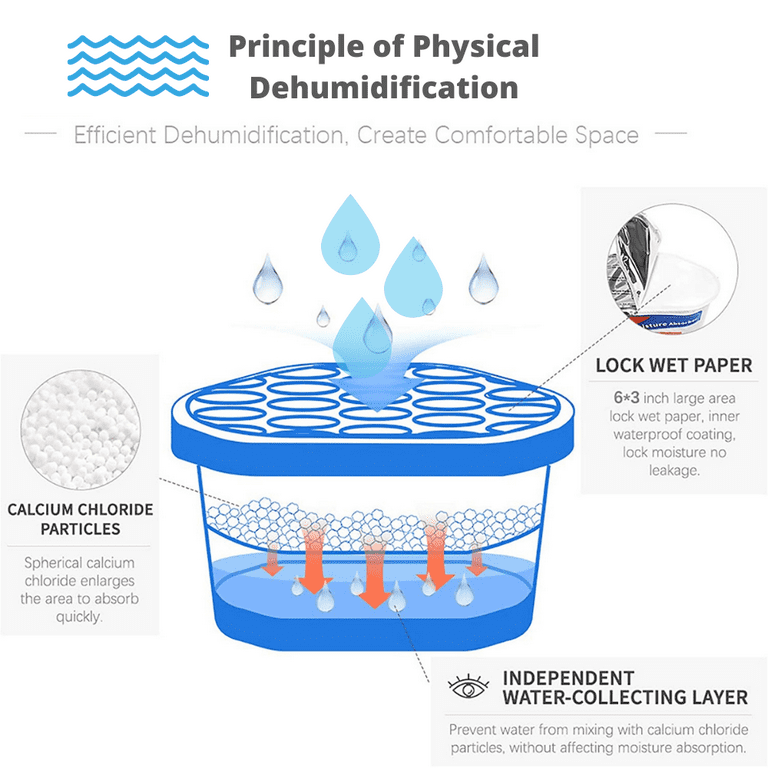
Moisture absorbers pull water from the air and hold it in a solid or liquid form. Some turn water vapor into a salt brine. Others trap it inside tiny pores. Knowing how much water can moisture absorbers collect starts with their chemistry and the air around them.
There are two common types. Calcium chloride soaks up moisture and turns into liquid brine. Silica gel and clay trap moisture in their pores and can be dried and used again. Each type has a different limit, which tells us how much water can moisture absorbers collect before they need a change.
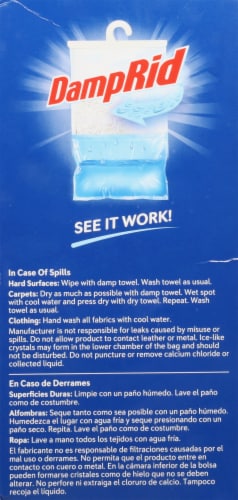
Types of moisture absorbers and typical collection amounts
Let’s look at real, practical ranges. These are based on manufacturer specs, lab data for desiccants, and hands-on use. Your results may vary with humidity, temperature, and airflow.
Calcium chloride tubs, buckets, and hanging bags
Calcium chloride is a heavy hitter. It can take in around 200–300% of its own weight in water under high humidity. It forms a liquid brine as it works.
- Small tub with 10–12 oz of crystals collects about 0.2–0.4 liters over 1–4 weeks
- Hanging closet bag collects about 0.3–0.7 liters before it’s full
- Medium bucket with 2–4 lb of crystals collects about 1–2 liters over 1–3 months
- Large pail with 4–5 lb of crystals collects about 2–4 liters over 1–3 months
These numbers show how much water can moisture absorbers collect in common rooms. High humidity rooms will fill faster.
Silica gel canisters and packs
Silica gel holds about 25–40% of its weight in water, then you dry it out and reuse it.
- 50 g pack collects about 12–20 mL
- 100 g canister collects about 25–40 mL
- 500 g canister collects about 125–200 mL
- 1 kg canister collects about 250–400 mL
Silica gel shines in sealed spaces like gun safes, camera cases, and storage bins.
Clay (bentonite) desiccant packs
Clay is cheaper but holds less water than silica gel, around 20–30% of its weight.
- 1 lb clay pack collects about 90–140 mL
- 2 lb clay pack collects about 180–280 mL
Great for boxes and storage, not ideal for a damp room.
Rechargeable mini desiccant units
These plug-in units use a heater to dry silica gel inside. They collect less per cycle but are very handy.
- Typical small unit collects about 100–200 mL per recharge
They work best in closets, cabinets, and small rooms.
So, how much water can moisture absorbers collect? In short, calcium chloride wins for open rooms, while silica gel and clay are best for sealed or small spaces.

What affects how much water can moisture absorbers collect
Several factors decide the final number in your space. These can double or halve performance.
- Relative humidity and temperature Warm air holds more moisture. Higher humidity feeds absorbers faster.
- Room size and airflow A large room or lots of air movement gives absorbers more vapor to catch.
- Source of moisture Daily showers, wet laundry, or a damp slab add a constant load.
- Container design Bigger surface area and fresh crystals collect water faster.
- Type of desiccant Calcium chloride collects more per weight than silica gel or clay.
- Sealed vs open space Sealed bins let absorbers stay effective longer. Open rooms bring in new moist air.
These drive how much water can moisture absorbers collect in everyday use. A small tub can do great in a closet but struggle in a wet basement.
How to estimate how much water can moisture absorbers collect for your space
You can get close with a few simple steps. You do not need advanced math.
- Match the type to the job
- Closet, safe, storage bin Use silica gel or clay.
- Bathroom, laundry, mudroom Use calcium chloride tubs or hanging bags.
- Large, damp basement Use a dehumidifier, with or without calcium chloride.
- Size by room and dampness
- Very small space under 50 cubic feet 100–200 g silica gel collects 25–80 mL per cycle.
- Small room 100–200 sq ft One 10–12 oz calcium chloride tub collects 0.2–0.4 L every few weeks.
- Medium room 200–400 sq ft One 2–4 lb bucket collects 1–2 L per month.
- Large room 400+ sq ft Use a 4–5 lb pail or multiple tubs. Expect 2–4 L per month if humidity is high.
- Watch the fill rate for one week
- If the reservoir fills fast, double up or move to a dehumidifier.
- If it barely moves, you sized well or the room is dry.
This simple plan helps you predict how much water can moisture absorbers collect in your exact setup. It also keeps you from overbuying.

Real-world tests and examples
Here are a few snapshots from my own use. These gave me a clear feel for how much water can moisture absorbers collect day to day.
- Small closet, coastal climate One hanging bag collected about 400 mL in two weeks. Clothes felt less musty. I swapped bags monthly.
- Bathroom with daily showers A 2 lb calcium chloride bucket pulled about 0.5 L in 10 days. It kept the mirror clearer, but I still used the exhaust fan.
- Camera hard case A 200 g silica gel canister gained 60 mL (by weight) in three weeks. I recharged it in the oven and it was like new.
- Basement during a rainy week One 5 lb pail collected around 1.5 L in two weeks. It helped with smell, but a 35-pint dehumidifier did far more.
These results line up with what specs suggest and show how much water can moisture absorbers collect when the room and use case change.

Setup, maintenance, and safety tips
Good setup boosts performance and saves time.
- Place high and open Put tubs where air flows, not hidden in tight corners.
- Keep off delicate surfaces Calcium chloride brine can stain. Use a tray under the tub or bucket.
- Close doors in closets A semi-sealed space makes any absorber more effective.
- Check weekly Replace or recharge before it’s fully saturated.
- Combine with ventilation Use exhaust fans and fix leaks to reduce the moisture load.
- Label the start date It helps you learn how much water can moisture absorbers collect over time.
For calcium chloride, do not pour brine down bare soil. Empty into a sink with lots of water and follow local guidance.

When to choose a dehumidifier instead
Sometimes the load is too high for passive absorbers. If you see condensation, mold, or more than one tub fills each week, you need an active dehumidifier.
- A small compressor unit can remove 10–20 liters per day
- A desiccant dehumidifier works well in cool rooms and removes steady moisture
- Use absorbers as spot helpers in closets and cabinets
This choice answers how much water can moisture absorbers collect compared to machines. Passive gear is great at small jobs. Active units win when you have a wet space.
Frequently Asked Questions of how much water can moisture absorbers collect
Do moisture absorbers work in cold rooms?
Yes, but more slowly. Cold air holds less moisture, so collection drops, especially for silica gel.
How long does a moisture absorber last?
It can last from a week to a few months. Lifespan depends on humidity, room size, and the type of absorber.
Is calcium chloride safe to use at home?
It is safe when used as directed. Keep it away from kids, pets, and metals, and avoid spills of the brine.
Can I dry silica gel in my oven?
Yes, most silica gel can be recharged at low heat. Check the label and avoid overheating, which can damage beads.
Will one tub handle a damp basement?
Usually not. One tub can help a corner, but a dehumidifier is better for the whole basement.
Does airflow help collection?
Yes. Gentle airflow across the absorber increases contact with moist air and speeds collection.
Can moisture absorbers prevent mold?
They help by lowering humidity. Combine them with ventilation and leak fixes for best results.
Conclusion
You now know how much water can moisture absorbers collect across types, sizes, and rooms. Small silica gel packs collect a few dozen milliliters. Hanging bags and small tubs collect a few hundred milliliters. Big calcium chloride pails can pull a few liters. The room, humidity, and airflow decide the final number.
Pick the right type for the job, size it to your space, and check the fill rate over a week. If the load is heavy, pair absorbers with ventilation or switch to a dehumidifier. Take a quick walk through your home today and match each space with the right solution. Want more tips like this? Subscribe, share your results, or drop a question in the comments.