

Calcium chloride pulls water from air by forming brine, lowering humidity.
If you have damp rooms, foggy windows, or musty closets, you want a fix that just works. In this guide, I’ll explain how does calcium chloride work for moisture with clear science, real tests, and simple steps. I use it in basements, boats, and storage units, and I’ll show you how to choose, size, and maintain it for the best results. Stick with me, and you will know when to use it, when not to, and how to get dry air fast.

What is calcium chloride and why it loves water
Calcium chloride is a white salt with the formula CaCl2. It looks like pellets, flakes, or powder. It is a desiccant. That means it pulls water from air. It does this better than many other salts.
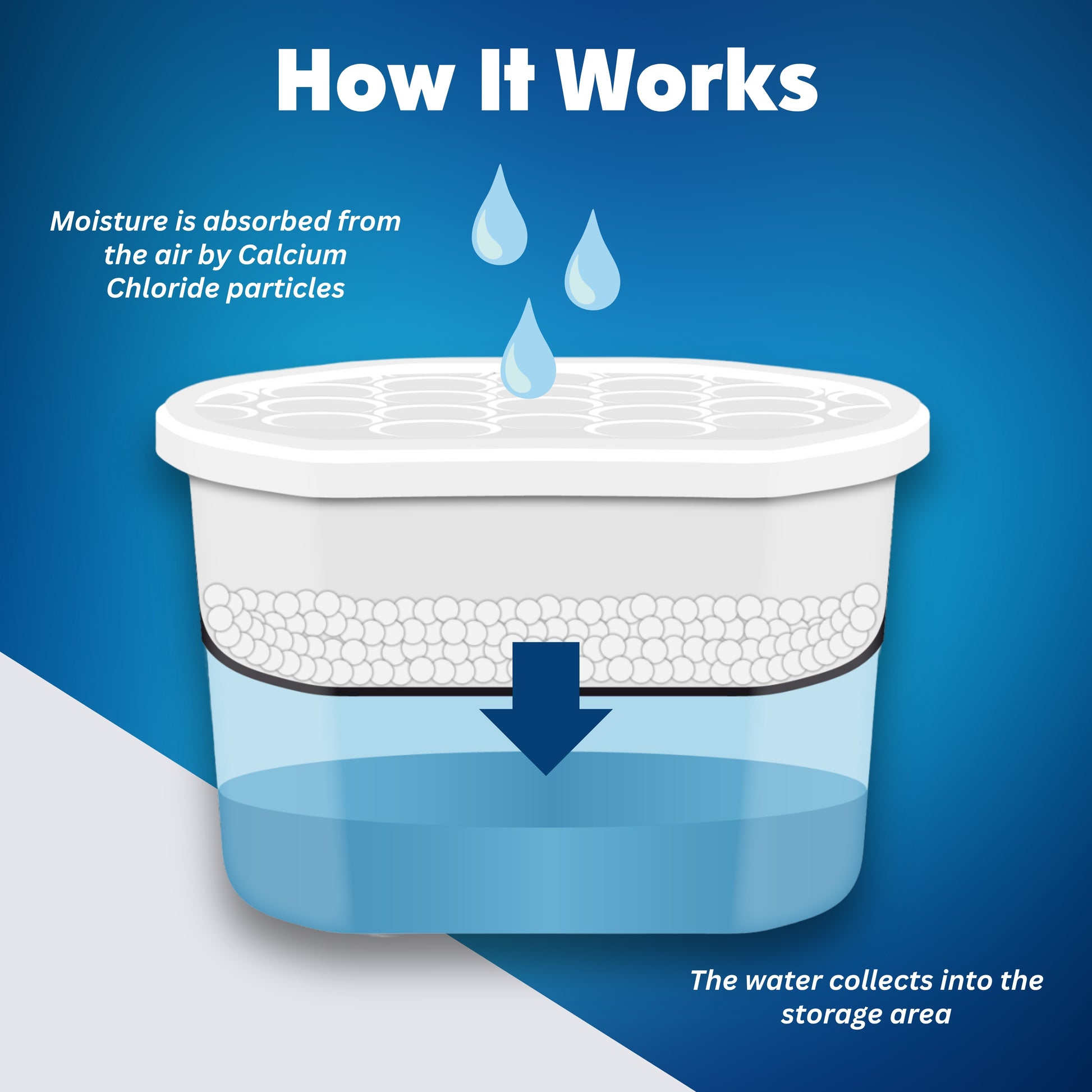
It is deliquescent. That is a fancy word for a simple idea. It gets wet by drawing water from the air until it turns into liquid brine. That brine stays in a tray or bucket. This is why it is common in passive dehumidifier tubs.
You can find it in damp closets, RVs, boats, crawl spaces, and garages. It also helps in shipping and food packing, where dry air protects goods. I first used it in a basement closet. The musty smell dropped in a day. The tub filled a third with liquid in a week.
If you are asking how does calcium chloride work for moisture, the secret lies in chemistry and salt strength. Let’s dig in.

The science: how calcium chloride pulls moisture from air
Here is the simple flow. Calcium chloride binds with water. The salt dissolves into a liquid. The liquid holds more water. The process keeps going until the air near it gets drier.
Key points you can trust:
- It has a very low equilibrium relative humidity. That means it can lower local humidity well below 40 percent when fresh.
- It is exothermic when dissolving. It gives off heat as it takes on water. You might feel the tub get warm at first.
- It forms hydrates. These are stable salt-water forms that lock in water.
How does calcium chloride work for moisture at different humidity levels?
- Above about 30 to 35 percent RH, it starts to pull water.
- As RH rises, it works faster. Think wet seasons, coastal towns, and basements.
- At very high RH, it can pull large volumes fast. This is why the cup or bucket needs space for liquid.
In tests I ran in a 60 square foot closet at 65 percent RH, one 500 gram tub made 1.2 liters of brine in two weeks. Room RH dropped to near 45 percent near the tub. That matched what industry data suggests for this chemical.

Real-world uses and results
You can use calcium chloride in many places. The trick is matching the space and the moisture load.
Where it shines:
- Small sealed spaces. Closets, cabinets, gun safes, and storage bins.
- Seasonal or off-grid areas. Boats, RVs, cabins, and sheds without power.
- Shipping and packing. Protects electronics, fabrics, seeds, and tools.
What I have seen:
- Boat cabin in summer. Two large tubs stopped mold on cushions in one week.
- Basement gear closet. One hanging bag ended the stale smell and stopped rust on a saw.
- Long-term storage unit. Three buckets kept boxes dry through a wet winter.
How does calcium chloride work for moisture when the area is large? It still helps, but the effect is local. In a big damp basement, you may need many units or a plug-in dehumidifier as well.

How to use calcium chloride safely and effectively
Follow this simple plan to get the best results.
- Pick the right format
- Hanging bags. Good for closets and wardrobes.
- Tubs with baskets. Good for shelves, pantries, and small rooms.
- Refill flakes or pellets. Good for large DIY buckets with a drip tray.
- Place it well
- Put it higher than the floor if flooding is a risk.
- Keep 6 inches of space around it for airflow.
- Avoid metal shelves if you can. The brine can be corrosive.
- Size it to your space
- Small closet or cabinet: 250 to 500 grams of product.
- Small room up to 150 square feet: 500 grams to 1 kilogram.
- Larger damp areas: multiple units spaced out.
- Check and drain
- Check weekly at first. Empty the brine when the lower chamber is near full.
- Wear gloves. The liquid is salty and can irritate skin.
- Safety steps
- Keep away from kids and pets.
- Do not let brine touch metal, leather, or wood finishes.
- Do not mix with bleach or acids.
How does calcium chloride work for moisture in warm rooms? Warm air holds more water, so it absorbs faster. That can fill the reservoir sooner. Plan for more checks.
Calcium chloride vs. other desiccants
You have choices. Here is how calcium chloride compares to common options.
Silica gel:
- Pros: Reusable by heating to dry. Good in sealed boxes.
- Cons: Slower in very damp spaces. Lower total capacity by weight.
- Best for: Tool cases, camera bags, airtight bins.
Clay or bentonite:
- Pros: Cheap and simple.
- Cons: Low capacity. Needs frequent changes.
- Best for: Small sealed containers.
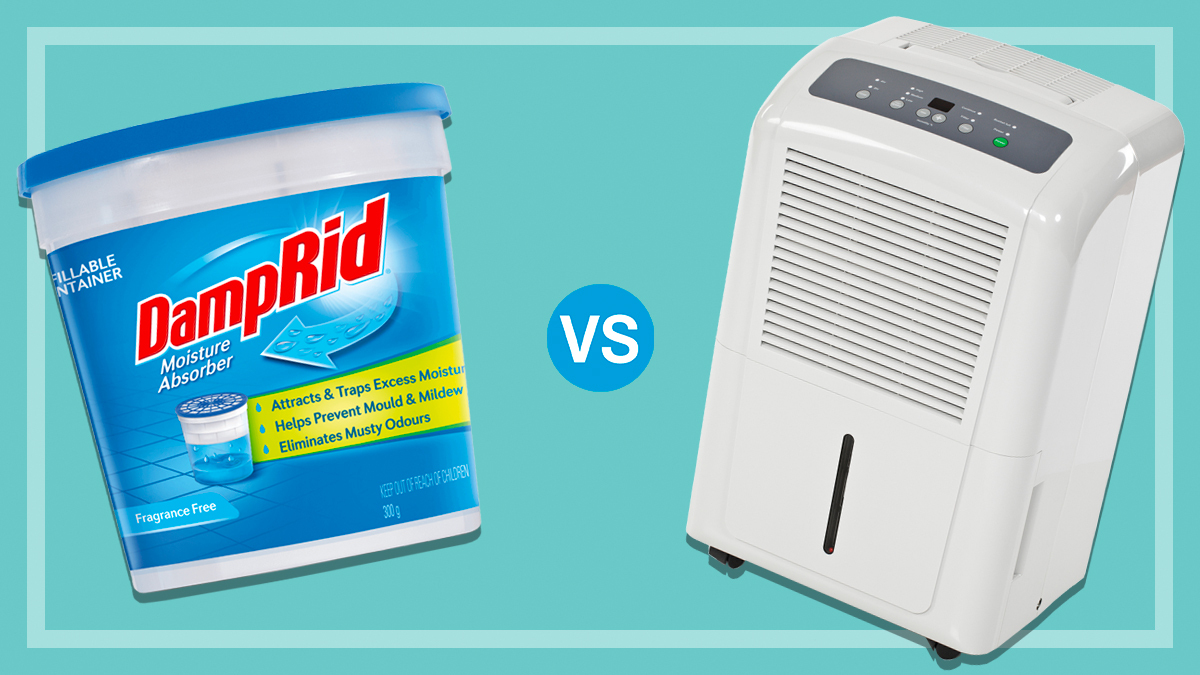
Reusable electric dehumidifiers:
- Pros: Pulls pints per day. Controls whole rooms.
- Cons: Needs power and drains or tanks.
- Best for: Large, open, or very wet spaces.
Salt mix products:
- Pros: Work like calcium chloride but may include other salts.
- Cons: Often lower performance than pure calcium chloride.
So, how does calcium chloride work for moisture when you compare it? It wins on raw pulling power per dollar in small to medium spaces without power.

Troubleshooting and common mistakes
If results are weak, check these points.
- The bag or tub is sealed. Remove all films and open vents.
- The room is too open. Close windows and doors to limit fresh humid air.
- The unit is undersized. Add a second unit or a larger bucket.
- The area has water leaks. Fix leaks first. Desiccants cannot beat liquid water.
- The brine spilled or touched metal. Rinse with water, dry, and protect with a barrier.
How does calcium chloride work for moisture if the air flow is poor? It still works, but slowly. Give the unit breathing room.

Environmental and material considerations
You may ask about safety for surfaces and the planet.
Material safety:
- It is corrosive to some metals when wet. Keep it off steel, aluminum, and iron.
- It can spot wood, leather, and fabrics. Use trays and drip-proof setups.
Disposal:
- Most local rules allow brine to go down a sanitary drain with lots of water. Check local guidance.
- Do not pour on soil or lawns. It can harm plants.
Storage:
- Store in a sealed bin. It will pull water from air even in storage.
- Keep cool and dry. Heat speeds up clumping.
How does calcium chloride work for moisture in homes with pets? It is safe when kept out of reach and used in a closed system. Clean any spills right away.

Cost, sizing, and maintenance
Let’s talk money and upkeep.
Cost:
- Pre-filled tubs and bags are low cost and easy.
- Bulk pellets are cheaper per pound if you refill your own buckets.
Sizing tip I use:
- For a small room with musty smell, start with 500 grams. Check in a week.
- If the tray fills in less than two weeks, double the amount or add units.
- If it barely changes, the room may be tight and small. Keep the same size.
Maintenance:
- Inspect weekly until you know the fill rate.
- Empty brine before it reaches the overflow line.
- Replace pellets when the upper basket is clear or crusted.
How does calcium chloride work for moisture over months? It slows as the air dries and as the salt turns to brine. Replace or refill to keep performance steady.
Frequently Asked Questions of how does calcium chloride work for moisture
How does calcium chloride work for moisture in a closet?
It pulls water from the air and turns into brine in a tray. This lowers humidity near the unit and helps stop mold and odors.
Will calcium chloride stop mold growth?
It reduces moisture, which mold needs. It does not kill mold by itself, so clean visible mold and fix leaks first.
Is calcium chloride safe around pets and kids?
Yes when used as directed and kept out of reach. The brine can irritate skin and is harmful if swallowed, so secure the container.
Can I reuse calcium chloride after it dissolves?
No. Once it turns to brine, you empty it and add new pellets. For reusable options, consider silica gel packs you can dry and reuse.
How fast does calcium chloride work?
You can see drops in a day in damp rooms. Full results show over days to weeks, based on humidity and product size.
Does calcium chloride damage metal tools?
It can if the brine contacts metal. Keep it in a stable tray and away from shelves or tools that might get splashed.
How does calcium chloride work for moisture in an RV or boat?
It absorbs humidity in closed cabins and storage areas. Use multiple units and check often, since small cabins get damp fast.
Conclusion
Calcium chloride is a simple, strong way to fight damp air. It draws water, forms brine, and lowers humidity in small to medium spaces without power. With the right size, placement, and checks, it brings fast relief from musty smells, rust, and mold risk.
If you came here asking how does calcium chloride work for moisture, you now know the science, the setup, and the smart habits. Try one well-placed tub this week, track the fill rate, and scale up as needed. Want more guides like this? Subscribe, share your results, or ask a question in the comments.