

Moisture absorbers pull water from humid air using desiccants that trap or dissolve moisture.
If you have ever battled musty closets, foggy windows, or rust on tools, you have wondered how do moisture absorbers work. I test gear in homes, basements, and boats, and I have seen what actually helps. In this guide, I break down the science, the types, and the tricks. You will learn how do moisture absorbers work, when to use them, and how to get real results.
Humidity basics and why it matters
Air always holds some water. Warm air holds more. When air cools, extra water falls out as droplets. That is condensation.
Relative humidity is the percent of water air can hold at a set temperature. High levels feel clammy. Mold and dust mites love that. They thrive when levels rise above 60 percent.
Excess moisture harms things you care about. It stains walls. It warps wood. It rusts metal. It makes rooms smell damp. Good control protects health, comfort, and your stuff.

How do moisture absorbers work?
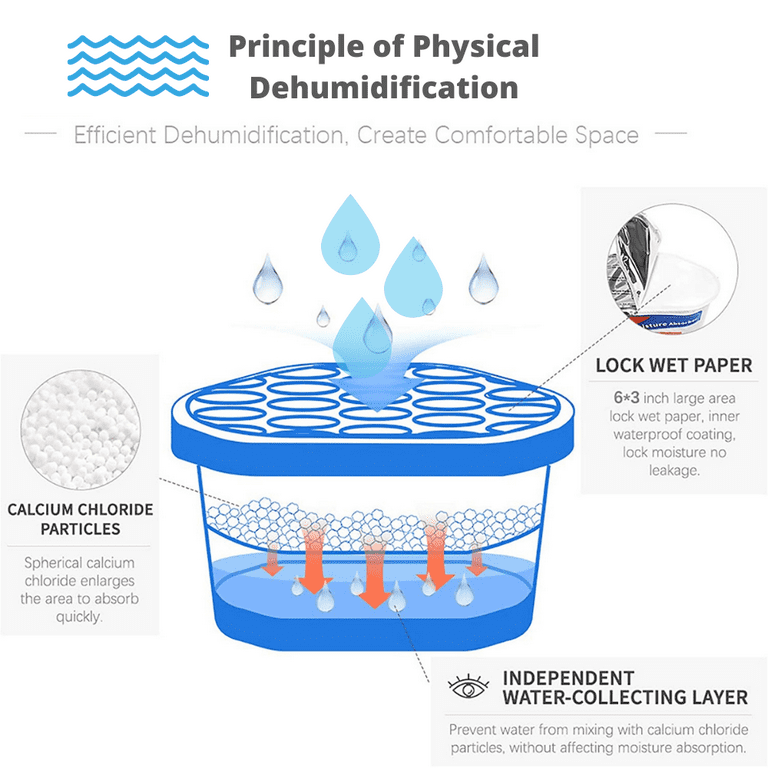
Moisture absorbers work by pulling water from air and holding it so it cannot return. There are two main paths. Some absorb into their bulk. Some adsorb onto their surface. Think of a sponge versus sticky sand.
Silica gel uses adsorption. Water sticks to the many tiny pores on each bead. It is like millions of parking spots for water. Silica gel can hold about 25 to 40 percent of its weight.
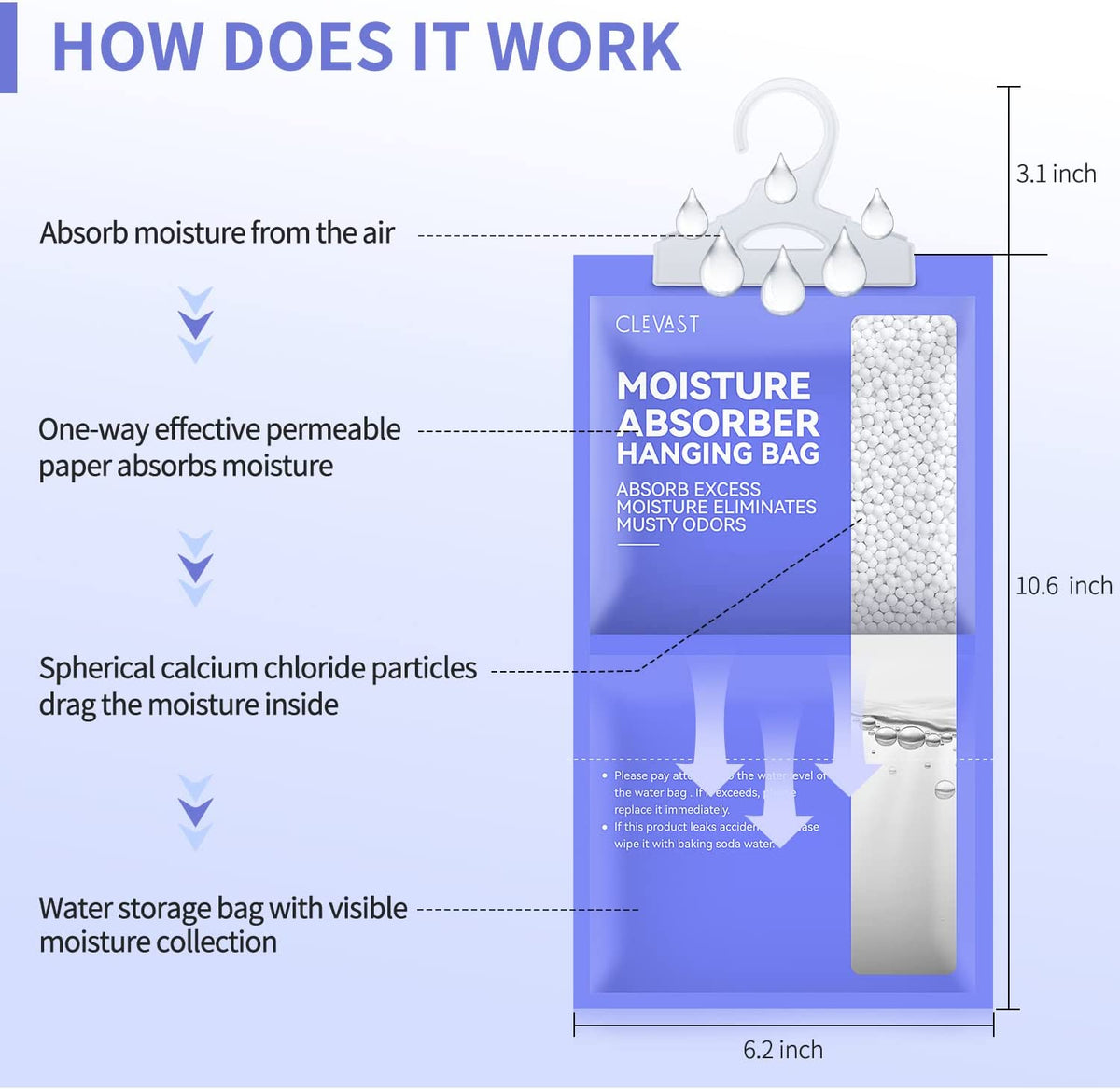
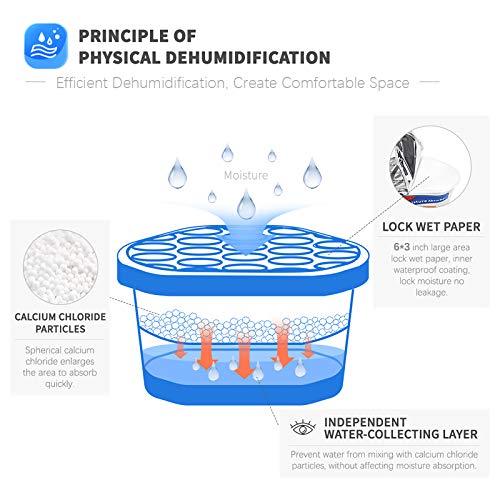
Calcium chloride uses absorption and deliquescence. It pulls in water and then turns to a brine. It can capture several times its weight in water. That is why it is popular in rooms with strong damp.
Carbon, clay, and molecular sieves also bind water. The physics is simple. Water moves from a wetter space to a drier one. The desiccant makes a very dry micro-zone. Air near it gives up water to even things out.
This is the core of how do moisture absorbers work. The process is passive. No power. No compressor. Just chemistry and surface area doing the job.
Types of moisture absorbers
Wondering how do moisture absorbers work across different products? Each type has a sweet spot. Here is a quick tour.
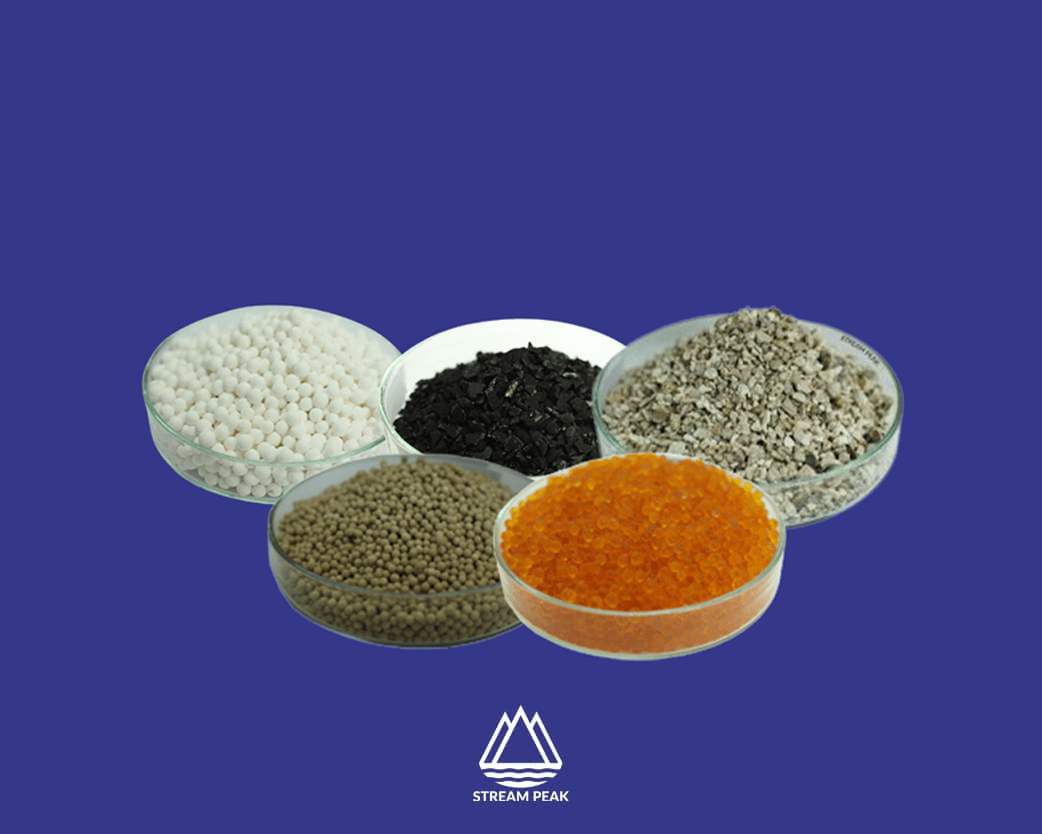
- Silica gel. Adsorbs on surfaces. Reusable by heating. Great for small sealed spaces like bins, gun safes, and camera bags. Typical capacity is 25 to 40 percent by weight. Low mess.
- Calcium chloride. Absorbs and dissolves into liquid. Heavy duty. Great for closets, bathrooms, basements, boats, and RVs. Very high capacity but can leak brine if tipped.
- Clay desiccant. Natural clay like bentonite. Low cost. Capacity is often 10 to 20 percent by weight. Fine for packages and storage bins.
- Activated charcoal. Moderates odor and some moisture. Good in small spots. Best used with other desiccants for strong damp.
- Molecular sieves. Very high performance. Strong pull even at low humidity. Common in industry and labs. Overkill for most homes.
- Baking soda. Helps with odor. Very mild moisture control. Works in tiny spaces. Needs frequent changes.
- Rice. Common myth. It is weak at water capture. Use silica gel instead.
From my own tests, silica gel wins for gear cases. Calcium chloride wins for a wet basement corner. Clay is fine for long term storage in boxes. Charcoal is my go-to for smelly shoes and lockers.
Where to use moisture absorbers
Use them where air is still and damp lingers. Small rooms and closed spaces work best.
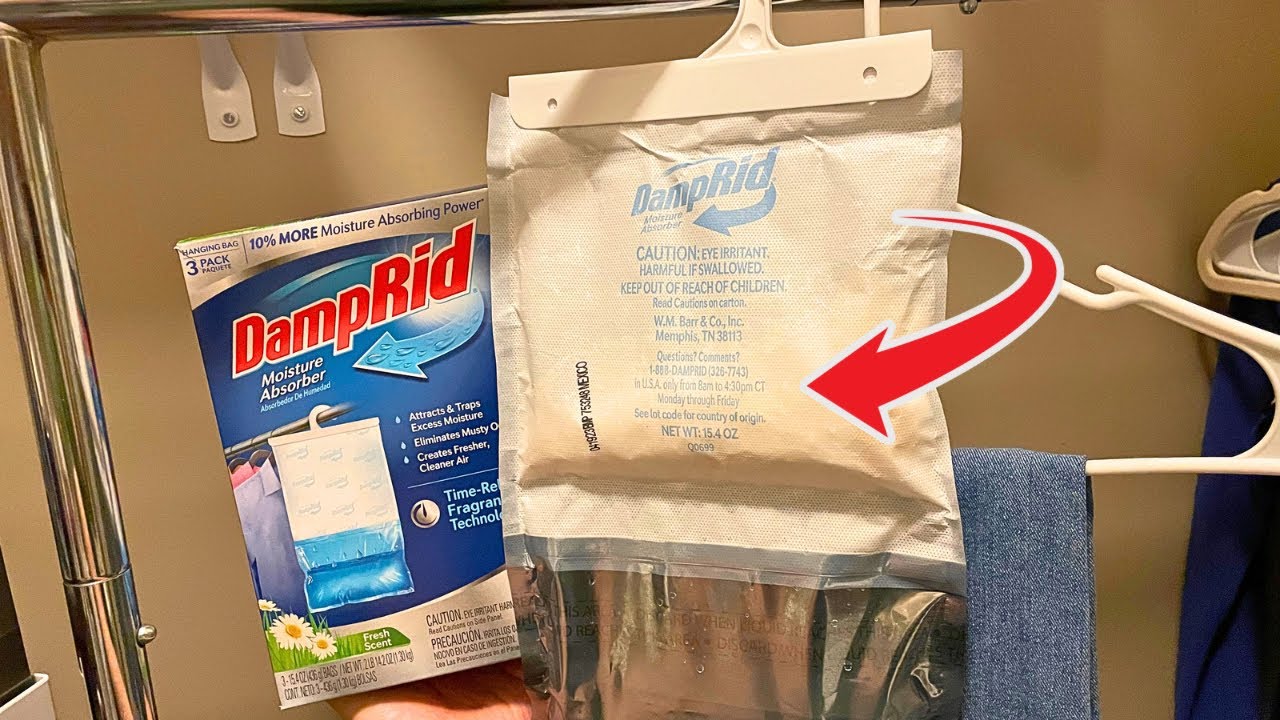
- Closets and wardrobes. Keeps clothes fresh and stops musty smells.
- Bathrooms without fans. Cuts mirror fog and mildew risk.
- Basements and crawl spaces. Targets corners and storage zones.
- Garages and sheds. Helps with rust on tools and bikes.
- RVs and boats. Prevents mold during storage.
- Pantries and cabinets. Protects dry goods and linens.
- Safes, gun cabinets, and camera cases. Keeps gear dry and ready.
If a room is large or very wet, a dehumidifier may be better. But in tight spots, moisture absorbers shine. This is a key part of how do moisture absorbers work best in real homes.
How to choose the right moisture absorber
Start with the problem, not the product. Here is a simple plan.
- Measure humidity. A small hygrometer is cheap. Target 40 to 55 percent.
- Gauge the space. Small box or large room? Passive kits suit smaller volumes.
- Pick the type. Silica gel for sealed spaces. Calcium chloride for big damp.
- Size it right. Check grams of desiccant versus room size on the label.
- Plan the upkeep. Do you prefer to recharge or to replace?
- Mind safety. Keep calcium chloride away from pets and kids.
Ask yourself how do moisture absorbers work in your specific case. Still air helps. So does a sealed area. Match product to space for the best lift.

Setup and best practices
Placement is half the win. A few small tweaks go far.
- Place low in closets and near damp walls. Water vapor often pools in cool spots.
- Keep the area as closed as you can. This reduces fresh moisture entering.
- Use more than one unit in larger spaces. Spread them out.
- Raise items off floors. Airflow prevents hidden damp zones.
- Check indicators weekly. Replace or recharge on schedule.
Mistakes to avoid
- Do not place calcium chloride where it can tip. The brine can stain.
- Do not bake indicator beads above the label limit. Colors can burn out.
- Do not expect a small pouch to fix a wet basement. Use a real dehumidifier.
Follow these habits and you will see how do moisture absorbers work at their best.
Lifespan, recharging, and disposal
Silica gel can be recharged many times. Most brands suggest 200 to 250 degrees Fahrenheit for a few hours. Use a tray. Heat until the indicator shows dry. Let cool in a dry oven before sealing.
Calcium chloride is single use. The top holds pellets. Water drips to the lower cup as brine. Empty it per label rules. Rinse the cup. Refill with fresh pellets.
How long will it last? That depends on humidity and size. In my tests, silica gel packs in a camera case need recharging monthly. Calcium chloride tubs in a damp bathroom fill in two to eight weeks.
Write a date on each unit. This helps plan swaps. It also shows you how do moisture absorbers work over a season.
DIY vs store-bought options
You can make a simple absorber at home. But know the limits.
- Rock salt in a colander over a bucket. Cheap and effective in small areas. Watch for drips.
- Baking soda in open jars. Mild effect and odor control. Replace often.
- Charcoal in breathable bags. Helps with smells and some moisture.
Store-bought units are safer and cleaner. They have drip trays and sealed pouches. They list capacity and coverage. For serious damp, they beat DIY.
Many people ask how do moisture absorbers work compared to rice. Rice does little. It is not porous enough. Use silica gel instead.
Moisture absorbers vs dehumidifiers
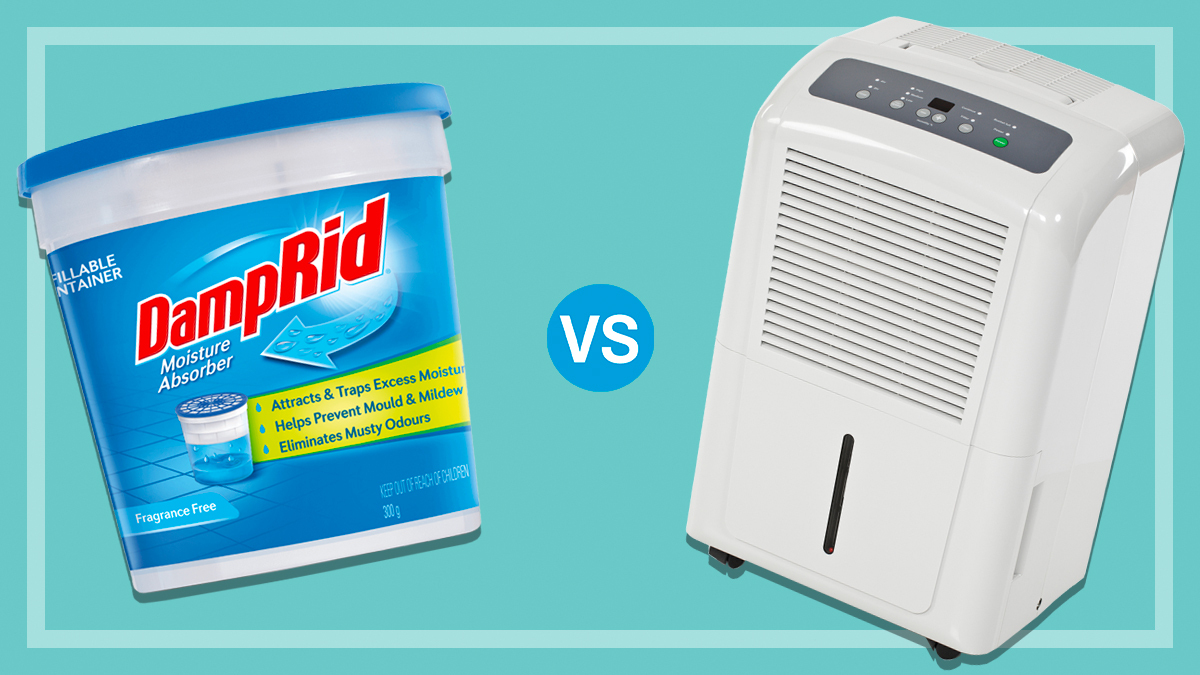
Passive absorbers are simple and silent. They need no power. They work best in small or closed spaces.
Dehumidifiers pull many pints per day. They handle whole rooms. They use a fan and either a cold coil or a desiccant wheel.
Choose an absorber when
- The space is small or sealed.
- You need silent, zero power control.
- You want to protect one cabinet or closet.
Choose a dehumidifier when
- Humidity stays above 60 percent in a room.
- You see wet walls, puddles, or constant fog.
- You need fast drying after leaks.
I run both at home. Absorbers protect storage zones. A dehumidifier keeps the basement near 50 percent. That blend shows how do moisture absorbers work with other tools.
Cost, safety, and environmental impact
Costs vary by type and size. Silica gel costs more up front but lasts for years. Calcium chloride is cheaper at first but needs refills.
Safety tips
- Keep pellets and brine away from kids and pets.
- Store refills in a dry, sealed container.
- Wear gloves when emptying brine.
Waste and impact
- Reusable silica gel reduces trash.
- Refill tubs create plastic waste. Buy bulk refills if you can.
- Always follow local rules for disposal.
Look at total cost per month and per room. Balance cleanup and convenience. This mindset will help you judge how do moisture absorbers work for your budget and your home.
Frequently Asked Questions of how do moisture absorbers work
How do moisture absorbers work in a closed closet?
They pull water from the air and lock it in the media. Less moisture means less mold, odor, and rust on zippers.
Are moisture absorbers safe around pets and kids?
Most are safe when used as directed. Keep calcium chloride and brine away from pets and children to avoid spills or ingestion.
How often should I replace or recharge them?
Check weekly. Replace calcium chloride when the cup fills. Recharge silica gel when the color changes or once a month in damp seasons.
Can moisture absorbers replace a dehumidifier?
Not in large or very wet rooms. They shine in small, sealed spaces while a dehumidifier handles whole rooms fast.
Do moisture absorbers stop mold completely?
They lower a key risk factor. Keep humidity near 50 percent, fix leaks, and use airflow to get full protection.
Will they help with window condensation?
They can reduce it in small rooms. For strong window fog, add airflow, seal leaks, and consider a dehumidifier.
Is rice good for drying electronics?
Rice is weak and slow. Use silica gel packs and power the device off until fully dry.
Conclusion
Moisture control is not guesswork. Now you know how do moisture absorbers work, which type to use, and where they help most. Use silica gel for sealed gear and cabinets. Use calcium chloride for damp closets and baths. Use a dehumidifier when the whole room stays wet.
Start small today. Place a unit where you see musty air or rust. Track humidity for a week. Adjust based on results. Want more tips like this? Subscribe for new guides, or drop a question in the comments.