

Desiccants pull water from air by adsorption, lowering humidity to protect items.
If you have ever found a small do not eat packet in a shoebox, you have seen a desiccant at work. In this guide, I will break down how do desiccants work in plain English. I have used them for gear, food packs, and even shipping electronics across humid coasts. You will learn the science, the right type to pick, how to size them, and how to avoid common mistakes.
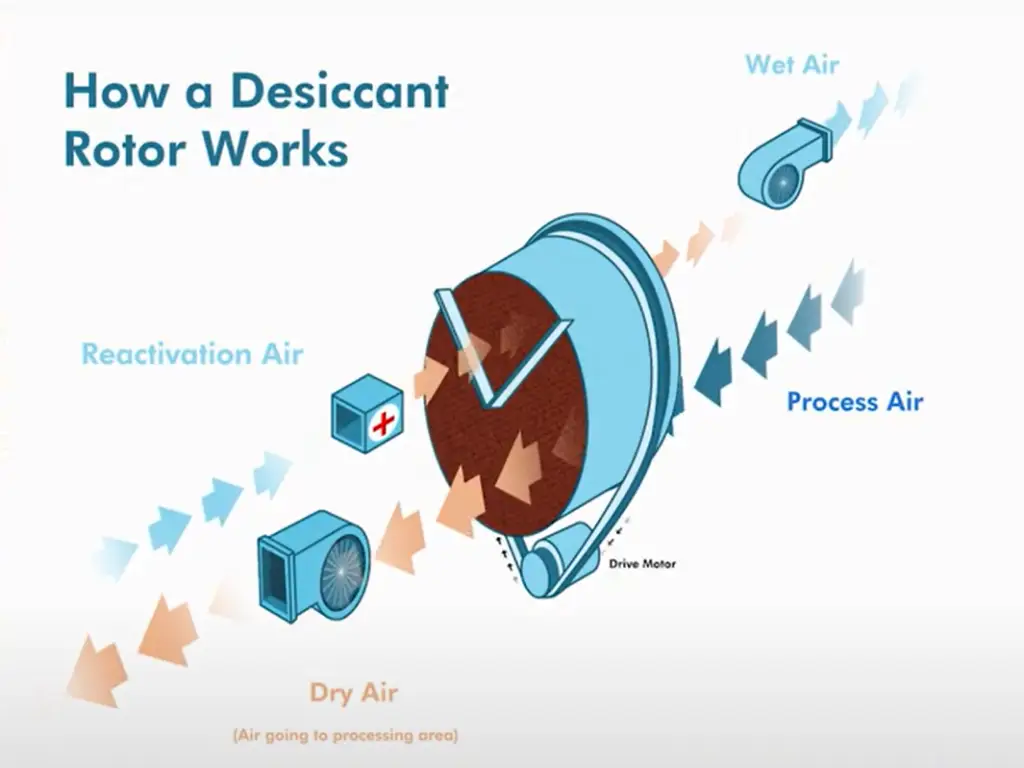
What is a desiccant?
A desiccant is a material that removes moisture from the air. It keeps the air dry inside a closed space. This protects items from mold, rust, and spoilage.
Most desiccants work by adsorption. That means water vapor sticks to the surface of tiny pores. Some types also bind water by a chemical change. A few will even melt as they absorb water.
Common examples include silica gel, molecular sieve, clay, calcium chloride, and activated alumina. You will also see charcoal in some blends. Each one has its own sweet spot. Knowing how do desiccants work helps you choose the right one for your task.

The science behind how desiccants work
When we ask how do desiccants work, we are talking about surface science. Desiccants have a huge internal surface area. Water molecules land on that surface and stick. Think of it like Velcro for vapor.
Three simple ideas explain the process:
- Adsorption is the main path. Water clings to pore walls due to weak forces.
- Capillary condensation happens in tiny pores at higher humidity.
- Chemical binding happens in reactive salts that form hydrates.
Conditions affect how do desiccants work. Higher humidity boosts uptake. Lower temperature often helps adsorption. Pore size matters too. Molecular sieves have precise pores that grab small molecules first. This is why they protect very sensitive parts.

Types of desiccants and when to use each
Choosing the right type is key. Here is how common desiccants behave and where they shine.
- Silica gel: Great general use. Holds up to ~30–40% of its weight at high humidity. Reusable at low oven heat. Safe for most goods. Widely sold in packets and canisters.
- Molecular sieve (zeolite): Very fast and strong at low humidity. Ideal for electronics, optics, and sealed systems. Works well at higher temperatures. Needs higher heat to regenerate.
- Clay (montmorillonite): Low cost, decent at moderate humidity. Good for storage in mild climates. Less effective in high heat or very wet air.
- Calcium chloride: Powerful absorber. Can turn into brine as it works. Best for rooms, closets, and shipping containers. Not ideal near metals or food unless contained.
- Activated alumina: Good for air and gas drying. Stable beads. Often used in filters and dryers.
I have used silica gel for camera lenses and sample kits. I use molecular sieve in tiny vials that must stay ultra dry. For garages near the coast, I prefer calcium chloride tubs. That mix shows how do desiccants work best when matched to the job.

Where you’ll see desiccants in daily life
Desiccants guard many common items. You can spot them almost anywhere you need dryness.
- Shoes, bags, and clothes: Stops mildew during shipment.
- Vitamins and pills: Protects from clumping and loss of strength.
- Snack packs and jerky: Helps keep texture and flavor.
- Camera gear and drones: Prevents lens fog and sensor issues.
- Tools and metal parts: Reduces rust in cases and bins.
- Shipping containers and storage rooms: Controls moisture load over weeks.
Seeing these use cases helps answer how do desiccants work in real life. They keep the microclimate inside a box or room in a safe zone.
How to size desiccants for your project
There is no one-size chart for every case. But you can follow a simple path to get close.
- Define the space: Measure the inside volume of the box or room.
- Check conditions: Note average temperature and relative humidity.
- Pick a type: Choose based on sensitivity and how long it must last.
- Use the isotherm: Look up how much water the desiccant holds at your target humidity.
- Add a safety factor: Start with 2x for new projects. Test and adjust.
A quick example: You want to protect a 20-liter camera case at 70% humidity for a month. You choose silica gel. From typical curves, plan on 20–30% uptake at that humidity. You might start with 100–150 grams, then check a cheap humidity sensor after a few days. If the reading stays under 50% RH, you got it right. If not, double the amount. This test-and-tune method is how do desiccants work best for custom needs.

How to regenerate, store, and dispose safely
Most packets can be reused. You just need the right heat and time.
- Silica gel: Dry in an oven at about 250–275°F (120–135°C) until the indicator changes color or for 1–3 hours.
- Molecular sieve: Needs higher heat, often 400–550°F (200–290°C). Check the maker’s spec.
- Clay: Some can be dried once or twice at low heat, but not many cycles.
- Calcium chloride: Usually not reusable. It can liquefy into brine. Replace when full.
Store dry desiccants in airtight jars or bags. Try not to open the main case often, or you invite wet air in. For disposal, keep packets away from kids and pets. Avoid cobalt-indicating gels for food use. Choose cobalt-free orange or green indicators when you can. These small habits shape how do desiccants work over the long run.

Common mistakes and pro tips
I have made a few mistakes with desiccants. Here are ways to avoid them.
- Using too little: Undersized packets fail fast. Start larger and scale down later.
- No humidity sensor: A small sensor tells you if how do desiccants work for your case.
- Wrong type for the job: Use molecular sieve for ultra dry needs. Use calcium chloride for rooms.
- Poor sealing: A leaky lid will beat any desiccant. Fix seals first.
- Cooking too hot: Overheating can crack beads or damage packets. Stay within the spec.
Pro tips from the field:
- Pre-dry packets, then seal fast. Work like a chef: hot, dry, and quick.
- Spread packets out. A few small packs often dry faster than one big block.
- Label dates and weights. Track how do desiccants work over time with notes.

Source: roycopackaging.com
Frequently Asked Questions of how do desiccants work
Do desiccants expire?
They do not expire in the way food does. They only get full of water. You can often dry them out and use them again.
Can I use rice instead of silica gel?
Rice is a weak moisture absorber. It is slow and holds little water. Silica gel is far more effective and safer for gear.
How often should I replace packets?
It depends on humidity, temperature, and how often you open the container. Use a humidity sensor and replace or recharge when RH rises above your target.
Are desiccants safe around food?
Food-safe silica gel is common for packages. Keep packets outside of the food itself, and do not swallow them.
Why is my silica gel turning pink or green?
That is an indicator dye showing wet or dry states. When it changes to the wet color, recharge it in the oven.
Will desiccants dry out wood or leather?
They can if the space is very tight and the desiccant is strong. Use a moderate amount and monitor RH to avoid over-drying.
How do desiccants work in sealed products?
They lower humidity in the headspace and keep it steady. The desiccant soaks up water that leaks in or that goods release over time.
Conclusion
You now know how do desiccants work, why they matter, and how to use them well. Match the type to the job, size it with a buffer, and track RH with a simple sensor. A few smart steps will protect gear, food, and parts for the long haul.
Put this into action today. Pick a project, choose a desiccant, and test for a week. Want more guides like this? Subscribe, share your results, or drop a question in the comments.