

A homemade moisture absorber uses common salts to pull dampness from indoor air.
If closets smell musty, windows sweat, or shoes feel damp, you are in the right place. I’ve spent years testing what actually works in real homes. In this guide, I’ll show you how to make a homemade moisture absorber that is safe, cheap, and easy. We will cover the best materials, simple builds, and smart tips to keep humidity in check without a pricey machine.

What is a homemade moisture absorber and how it works
A homemade moisture absorber is a simple setup that pulls water from the air. It uses materials that love water. We call these hygroscopic or adsorbent materials.
Here is the basic idea. Some salts pull in water and turn to brine. Some powders hold water in tiny pores. As air passes over the material, water sticks or dissolves. Less water in the air means less musty smell, less mold risk, and fewer foggy windows.
If you keep the air moving and the container open to air, the effect is stronger. If the space is large or very wet, you may need more than one unit. A homemade moisture absorber helps most in small or closed spaces.

Benefits and when to use a homemade moisture absorber
A homemade moisture absorber shines when you need low-cost and low-effort control. It is perfect for closets, cabinets, RVs, boats, bathrooms, and cars. It also helps in basements, but very wet basements may need a dehumidifier.
It is quiet and needs no power. You can build one in minutes with items you already have. It is also easy to refill and reuse, which keeps costs low.
For renters or short stays, a homemade moisture absorber is a good fix. It gives you fast relief while you address the source of damp air.

Materials that work best
Not all fillers work the same. Pick the right one for your goal, space, and budget.
Rock salt (sodium chloride)
Rock salt pulls water, but it works slow. It is cheap and easy to find. It can drip brine, so use a drip tray.
Calcium chloride (ice melt or pellets)
This is the heavy hitter. It sucks up a lot of water fast and turns to brine. It can corrode metal and sting skin, so use gloves and keep the brine off floors.
Baking soda (sodium bicarbonate)
Baking soda helps odors first and moisture second. It is safe and great for small, closed spots. Replace often for best results.
Silica gel beads
Silica gel adsorbs water without turning to liquid. You can bake beads to recharge them. Use them for drawers, camera bags, and shoes.
Activated charcoal
This fights odors well and helps with light damp. It needs good airflow to work best. It will not soak big leaks or heavy humidity.
Clay cat litter (bentonite)
Clay litter holds water in its structure. It is cheap and easy to pour. It works best in small bins or as a tray layer.
Tip: For a strong homemade moisture absorber, calcium chloride is the top choice. For odor-plus-moisture, mix a bit of charcoal with baking soda.

7 proven DIY methods (step-by-step)
1) Two-bucket calcium chloride trap
- Poke 10 to 15 small holes in the bottom of a top bucket.
- Nest it into a solid bucket to catch drips.
- Pour 1 to 2 cups of calcium chloride into the top bucket.
- Set it in a closet or basement corner.
- Check weekly and empty the brine from the bottom bucket.
2) Mason jar with vented lid and rock salt
- Drill or punch 8 to 12 holes in a metal lid.
- Fill the jar halfway with rock salt.
- Screw on the lid and place it where needed.
- Shake once a week to break clumps.
3) Sock-and-soda closet tube
- Fill a clean cotton sock with baking soda.
- Tie a knot at the top.
- Hang it in a closet or drop it in a gym bag.
- Replace the soda every 30 days.
4) Silica gel sachets for drawers
- Fill small mesh bags with silica gel beads.
- Place them in drawers, tool boxes, or camera cases.
- When color beads change, bake at low heat to refresh.
5) Activated charcoal canister
- Rinse dust from charcoal and dry it.
- Put it in a vented tin or mesh pouch.
- Set near shoes, pet zones, or trash areas.
- Refresh in sun or oven every few weeks.
6) Cat litter tray for cabinets
- Pour a 1-inch layer of unscented clay litter in a shallow tray.
- Slide it into a cabinet or under a sink.
- Stir weekly and replace monthly.
7) Coffee filter hanger for small spaces
- Fill a coffee filter with 2 to 3 tablespoons of calcium chloride or rock salt.
- Tie shut with string.
- Hang from a hook in a closet or car.
- Place a dish under it to catch drips if you used calcium chloride.
A homemade moisture absorber does not have to be fancy. Airflow and surface area are key. The more air touches the media, the more water it can pull.

Placement, sizing, and maintenance
Where you place a homemade moisture absorber matters. Keep it near the source of damp, but off the floor. Avoid corners with zero airflow. Do not block the vents or holes.
Use a simple guide to size your setup:
- Drawers and small boxes: baking soda, silica gel, or charcoal pouches.
- Closets up to 30 square feet: 1 to 2 cups of calcium chloride or 2 jars of rock salt.
- Small bathrooms: one bucket trap or two jars with rock salt.
- Cars or RVs: two to three sock sachets or one bucket trap secured to avoid spills.
Care tips:
- Check weekly for clumps or brine.
- Empty brine in a sink with lots of water.
- Keep media fresh. Replace or recharge as needed.

Safety, pets, and childproofing
Keep all salts and beads away from kids and pets. Some can burn or cause upset if eaten. Store refills high and use lids or mesh that stays shut.
Brine from calcium chloride is salty and can corrode metal. Use plastic trays, and wipe up spills at once. Wear gloves if your skin is sensitive.
Label your homemade moisture absorber so guests know not to touch. In cars or RVs, secure units so they do not tip while you drive.

Troubleshooting and optimization
If your homemade moisture absorber seems slow, increase airflow. Add more holes, use a fan on low, or move it to a more open spot. Spread the media in a wider, shallow tray to expose more surface.
If it fills too fast, you may have a leak or very high humidity. Fix leaks, vent showers, and run exhaust fans when you cook. Try two or three units in large rooms, or use a dehumidifier for big jobs.
If you see mold, add airflow and reduce clutter. Clean the area first. Then place your homemade moisture absorber to keep growth from coming back.
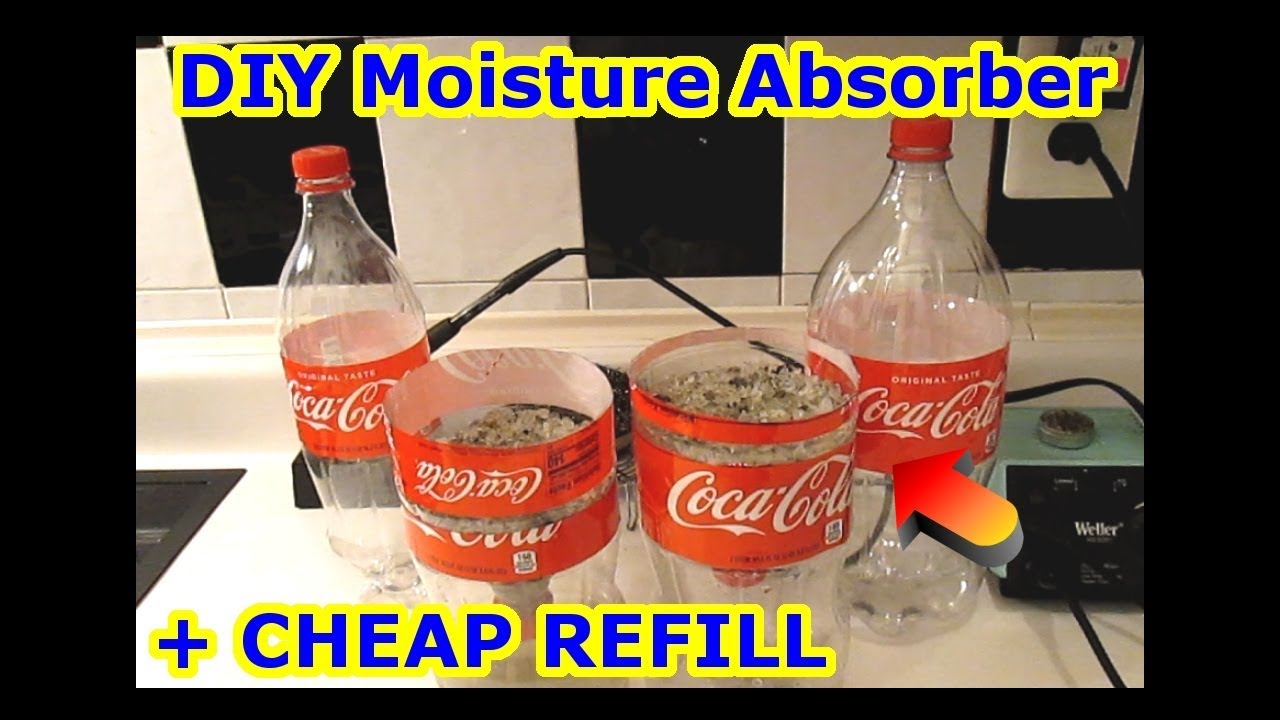
Cost, sustainability, and comparison with commercial products
A homemade moisture absorber is thrifty. A basic bucket build with calcium chloride often costs a few dollars to start. Refills can be cents per day, based on your climate and room size.
Silica gel and charcoal can be recharged, which cuts waste. Baking soda and rock salt are low-impact and easy to dispose of. Reuse jars, tins, and buckets to keep plastic out of the bin.
How it compares:
- Commercial tubs are neat and pre-measured, but refills can add up.
- A homemade moisture absorber can hold more media and fit your space better.
- For very wet spaces, a powered dehumidifier still wins on speed and control.

Real-life use cases and tips from experience
My basement office once hovered at 65 percent humidity in summer. A two-bucket calcium chloride trap cut the musty smell in two days. I still run a small fan and check the brine weekly.
In my linen closet, baking soda sachets keep towels fresh. I swap them each month. For camera gear, I use silica gel in a sealed box and bake the beads when they change color.
I once spilled brine on a metal shelf. It left rust spots. Now I always use a plastic catch tray and place a towel under it. Small habits like these make your homemade moisture absorber safer and cleaner.
Frequently Asked Questions of homemade moisture absorber
How long does a homemade moisture absorber last?
Most units work 2 to 8 weeks, based on room size and humidity. Check weekly and refill or recharge when the media clumps or the gel changes color.
Is baking soda enough for a damp room?
It helps odors and light damp in small spaces. For a wet room, use calcium chloride or a dehumidifier.
Can I use table salt instead of rock salt?
Yes, but fine grains can cake fast and reduce airflow. Rock salt or pellets give better airflow and slower caking.
Is calcium chloride safe around pets?
Keep it out of reach. It can irritate skin and cause stomach upset if eaten. Use sealed containers and drip trays.
Will a homemade moisture absorber stop mold?
It reduces moisture, which mold needs to grow. Clean existing mold first, improve airflow, and keep humidity near 50 percent.
Can I recharge silica gel at home?
Yes. Bake beads on low heat until the color shows dry. Follow the label, and do not overheat.
What should I do with used brine?
Pour it down a sink with lots of running water. Avoid plants and metal drains if you can.
Conclusion
A homemade moisture absorber is a simple, budget tool that helps you fight damp air. With the right media, smart placement, and steady checks, you can cut odors, protect gear, and keep closets fresh.
Start small today. Build one unit, track results for a week, and adjust as needed. Want more tips like this? Subscribe, share your results, or drop your questions in the comments so we can help you dial in your setup.