

Low humidity dries out skin and airways, irritates eyes, and raises infection risk.
If you want a clear, friendly guide to the health effects of low humidity, you are in the right place. I work with indoor air and comfort every day, and I’ve seen how dry air sneaks up on people. In this guide, we’ll unpack the health effects of low humidity, how they show up in daily life, and how to fix them fast without guesswork.

Understanding the health effects of low humidity
Low humidity means the air holds very little water. Relative humidity is the share of water vapor in the air compared to what it could hold at that temperature. When indoor air drops under about 30 percent, the health effects of low humidity start to show.
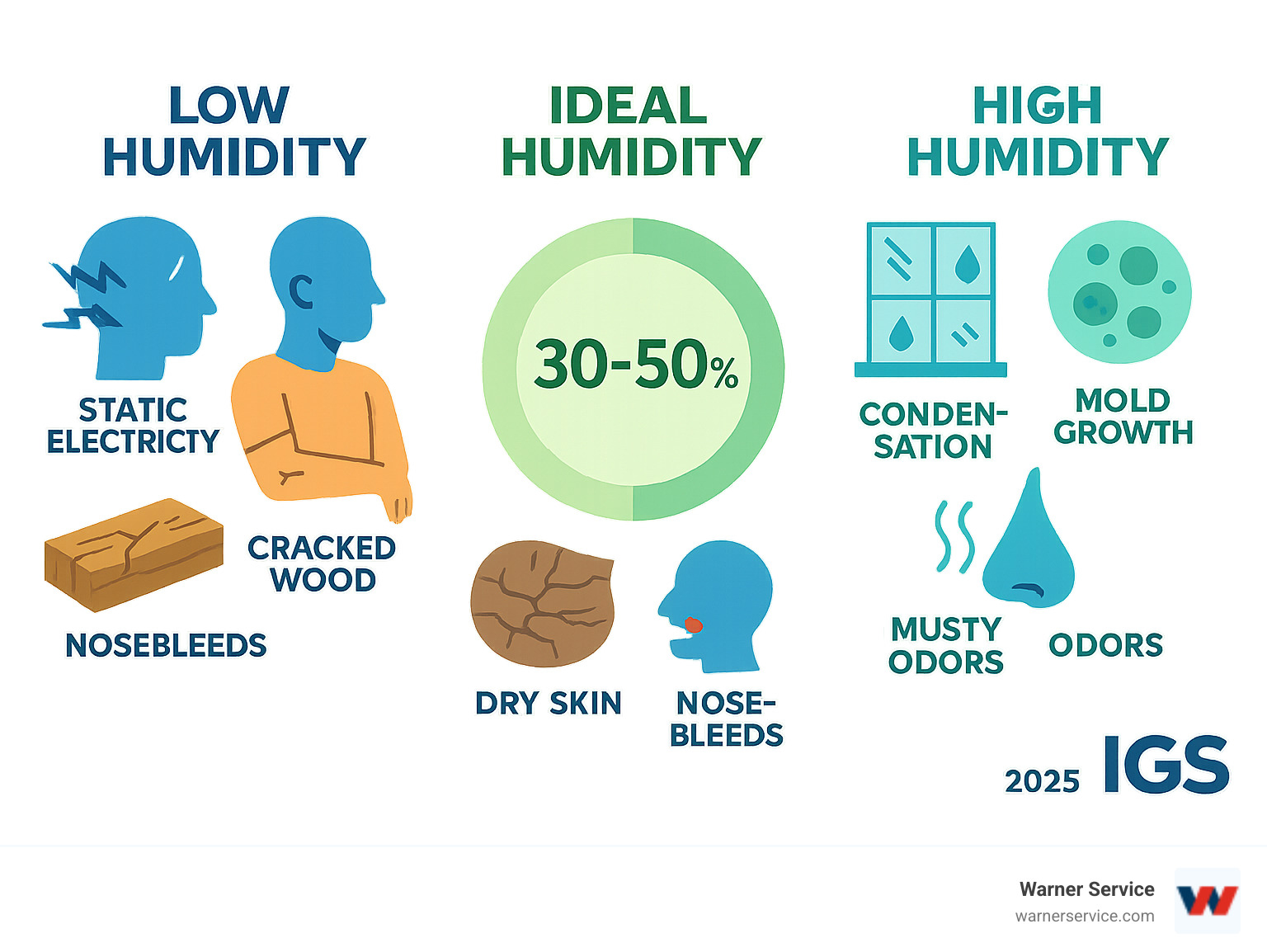
Cold weather, high altitude, and heated rooms are common triggers. Airplanes and some offices also run very dry. Many experts suggest a safe indoor range of 30 to 50 percent relative humidity. A sweet spot around 40 to 50 percent balances comfort, health, and mold control.
What drives low humidity at home or work
- Winter heating warms air, which lowers relative humidity indoors.
- HVAC systems move a lot of dry air and strip moisture from rooms.
- Leaky doors and windows pull in cold, dry outside air.
- High altitude air starts dry, so indoor air dries out faster.
Why it matters for the health effects of low humidity
- Dry air pulls moisture from skin and mucous membranes.
- Cilia in your nose and lungs work less well, so germs hang around.
- Dust and tiny particles stay airborne longer, which can stress lungs.
The health effects of low humidity on your body
Here is how the health effects of low humidity show up day to day. I learned this the hard way after my first winter in a high desert city. My skin cracked, my voice got coarse, and my kids had nosebleeds. A $12 hygrometer told the story: 22 percent indoors.
Skin and lips
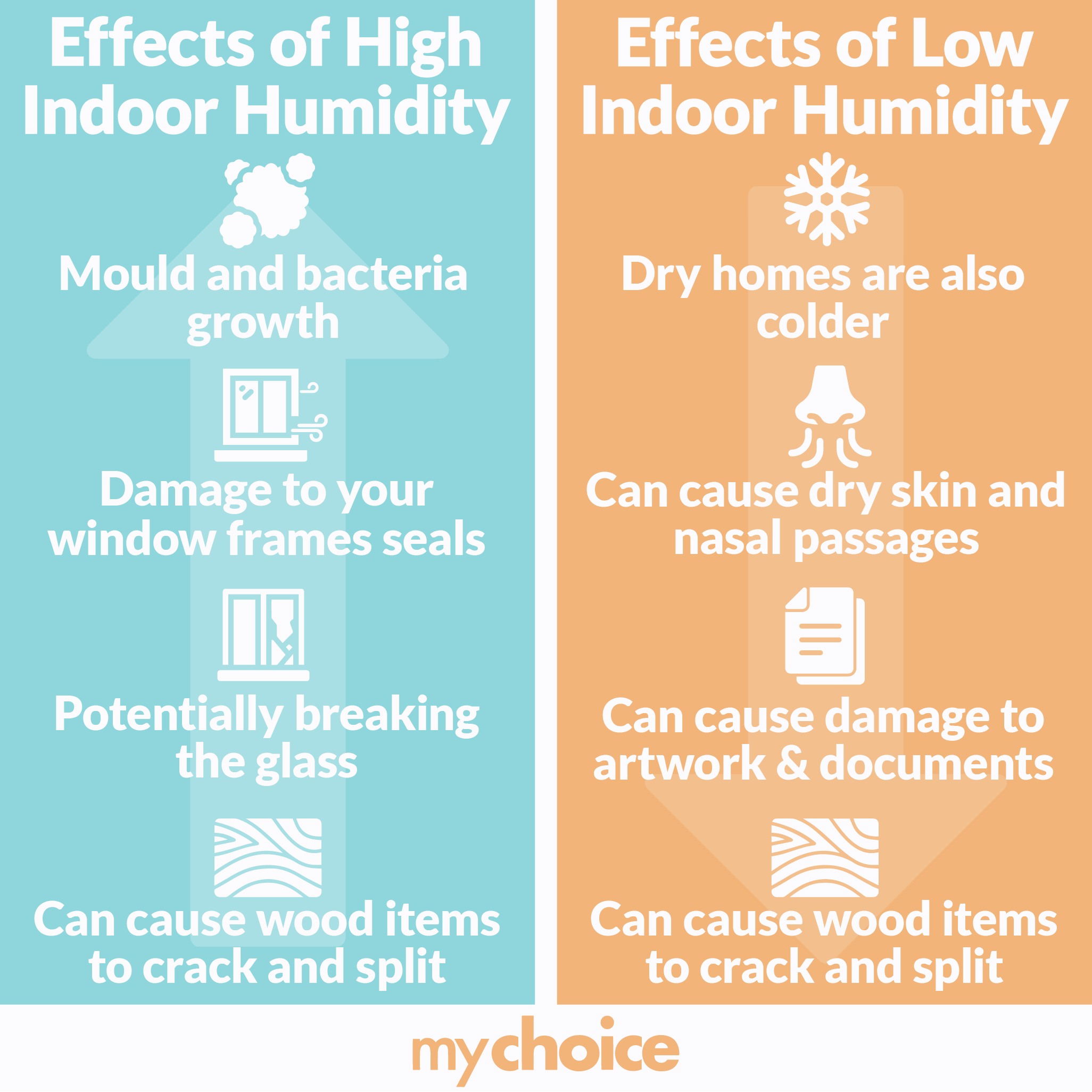
Dry air strips your skin barrier. You may see flaking, tightness, or eczema flares. Lips crack and sting, and hand eczema can get worse.
Eyes
Tears evaporate fast in dry air. Expect burning, redness, and a gritty feel. Contact lens users feel it first.
Nose, throat, and lungs
Your nose and throat dry out, so you get soreness and cough. Nosebleeds are more likely. Asthma and COPD symptoms can spike because dry air irritates the airway lining.
Immune system and infections
Low humidity slows the tiny hairs in your airway that sweep out germs. Viruses may survive longer in dry air. That is a key reason the health effects of low humidity include more winter colds and flu.
Sleep, voice, and comfort
You may snore more when your nose is dry. Your voice can feel rough or tired. Static shocks and dry, itchy skin make rooms feel colder than the thermostat shows.
Quick signs to watch for
- Morning sore throat or dry cough that fades after a shower.
- Itchy, flaky skin and chapped lips despite lotion.
- More static shocks, creaky floors, and cracking wood.
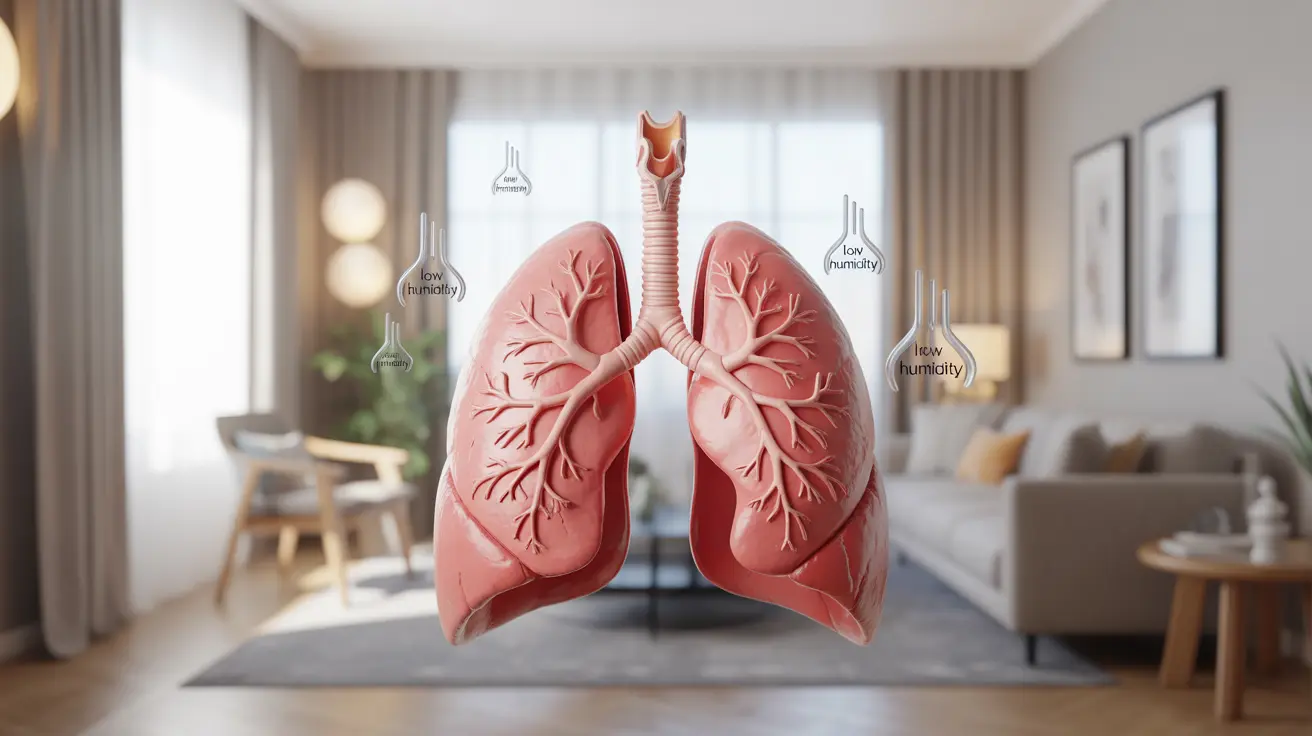
Low humidity, viruses, and indoor air quality
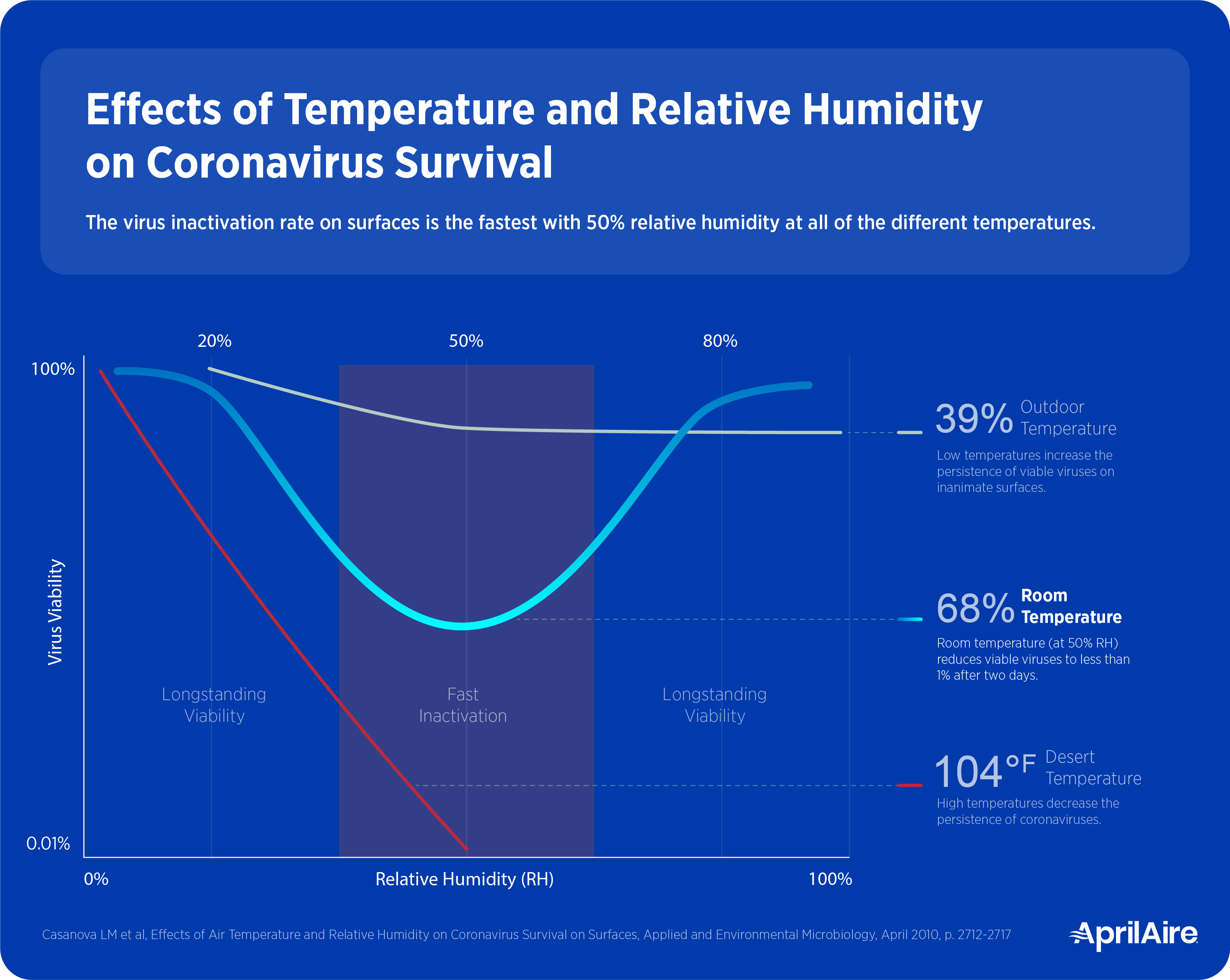
Dry air changes how droplets behave. Large droplets from a cough shrink into tiny aerosols in seconds. These small particles can float across a room. That is why the health effects of low humidity can include more spread of respiratory viruses.
Studies show that many viruses survive longer when the air is very dry. At moderate humidity, around 40 to 60 percent, droplets settle faster and the virus shell can break down sooner. Your airway lining also stays moist, which helps your body trap and clear bugs.
Low humidity also affects particles and allergens
- Dust stays airborne longer and moves deeper into lungs.
- Dry air increases static, which helps fine particles cling to surfaces and then resuspend.
- Very low humidity can irritate eyes and make smoke, ozone, or VOCs feel harsher.
This does not mean high humidity is better. Above 60 percent, you raise risks from mold and dust mites. The goal is balance, which is central to easing the health effects of low humidity without trading one problem for another.
Who is most sensitive to the health effects of low humidity
Some people feel the health effects of low humidity more than others. If you or someone in your home fits one of these groups, you may want to monitor humidity more closely.
Groups at higher risk
- Infants and toddlers have delicate skin and narrow airways.
- Older adults may have thinner skin and lower tear production.
- People with asthma, COPD, or chronic sinus issues get airway irritation sooner.
- Eczema, psoriasis, and rosacea can flare in a dry home.
- Contact lens users, singers, teachers, and call center staff strain eyes or voice in dry rooms.
- Office workers and frequent flyers spend long hours in dry, conditioned air.
Signs you’re living with low humidity and how to check it
You can spot the health effects of low humidity by looking at your space and your routine. Simple clues can warn you before symptoms build up.
Common home and office clues
- Frequent static shocks when you touch metal or clothes.
- Cracking or gaps in hardwood floors, trim, or instruments.
- Dry, brittle houseplants and fast-drying laundry indoors.
- Nosebleeds, scratchy throat, and rough hands in the morning.
How to measure it
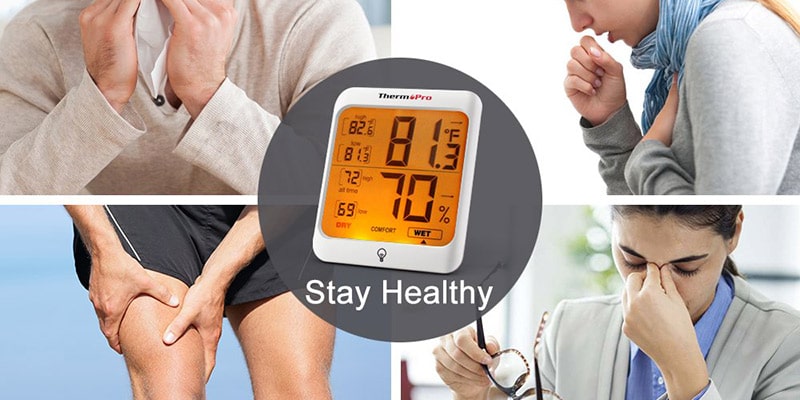
- Use a digital hygrometer in rooms where you spend time.
- Place it away from vents and sunny windows for a steady read.
- Check morning and evening; aim for 30 to 50 percent.
- Smart sensors can log trends so you can match changes to symptoms.
I keep one small sensor on my desk and one near the bed. That habit alone cut guesswork and helped me manage the health effects of low humidity in winter.

How to reduce the health effects of low humidity at home
You can improve comfort fast with a few simple moves. Start small, then add tools if needed. The right plan will ease the health effects of low humidity without causing mold.
Choose a humidifier
- Evaporative units use a wick and fan. They self-limit and avoid white dust.
- Ultrasonic units are quiet and efficient. Use distilled water to prevent mineral dust.
- Steam units heat water, which lowers germs in the reservoir. They use more power.
Maintain it well
- Empty, rinse, and dry daily. Refill with clean or distilled water.
- Deep clean weekly with a mild vinegar soak, then rinse well.
- Replace wicks and filters on schedule to stop odors and slime.
Boost moisture with habits
- Run a hot shower with the door open after you finish.
- Air-dry clothes on a rack indoors.
- Simmer a pot of water with the stove attended. Add cinnamon sticks for a nice scent.
- Group a few plants at your desk. They add a small, steady lift.
Protect your skin and airways
- Use a thick, fragrance-free moisturizer within three minutes of bathing.
- Carry lip balm and a small nasal saline spray.
- Use preservative-free eye drops if your eyes feel dry.
- Sip water through the day, especially before bed.
Tune your HVAC
- Seal window and door leaks to slow dry air inflow.
- Lower the thermostat one or two degrees to reduce dryness.
- Add a central humidifier with a humidistat if you have forced-air heat.
Safety notes
- Do not push indoor humidity above 60 percent. Watch for window fogging or musty smells.
- Place humidifiers on a stable surface and away from electronics.
- Clean them on a schedule to avoid microbial growth.
These steps can ease the health effects of low humidity in less than a week. Track your readings and your symptoms to see what works.
Workplace and travel strategies to manage the health effects of low humidity
Offices and planes often sit at 10 to 30 percent humidity. That is why the health effects of low humidity hit road warriors and open-plan staff hard.
At work
- Keep a small hygrometer at your desk to spot dry spells.
- Use a desk humidifier if allowed, and clean it often.
- Set a water reminder. Sip every 30 to 60 minutes.
- Switch to glasses when your eyes feel dry, or use rewetting drops for contacts.
On planes and in hotels
- Cabin humidity can be as low as 10 percent. Use nasal saline before boarding.
- Bring a reusable bottle and drink one cup per hour in flight.
- In hotels, hang a damp towel to dry in-room. It adds a mild moisture boost.
- Travel-size moisturizer and lip balm are must-haves.
These small steps reduce the health effects of low humidity on long days. Your throat, eyes, and skin will thank you.

Frequently Asked Questions of health effects of low humidity
What humidity level is best for health?
Most experts recommend 30 to 50 percent indoors. Around 40 to 50 percent often feels best for skin, sleep, and airway comfort.
Can low humidity cause nosebleeds?
Yes. Dry air cracks the lining of the nose and makes small vessels fragile. A little saline spray and a humidifier can help.
Do plants fix low humidity on their own?
A few plants help a little near your desk, but they will not fix a very dry home. Use them as a small boost along with a humidifier.
Which humidifier type is safest?
Evaporative units are simple and self-limiting, so they are a safe bet for many homes. Steam units produce clean vapor but use more power and run hot.
Can low humidity make you sick?
Dry air does not cause illness by itself, but it can raise risk. It dries your airway and can help viruses spread and survive.
How often should I clean my humidifier?
Rinse daily and deep clean weekly. Replace wicks or filters as directed to prevent buildup and odors.
Does boiling water on the stove help?
It adds moisture while the pot is on, but it is a short-term fix. Never leave it unattended, and use a proper humidifier for steady control.
Conclusion
Dry indoor air does not have to rule your skin, your sleep, or your lungs. The health effects of low humidity are real, but they are also simple to fix with a plan. Aim for 40 to 50 percent humidity, track it with a small sensor, and use smart habits and a clean humidifier.
Start today. Place a hygrometer in your bedroom and living room, and note how you feel for a week. If this guide helped, share it with a friend, subscribe for more healthy home tips, or leave a comment with your questions.