

High humidity stresses your body, impairs cooling, worsens breathing, and fuels mold growth.
If summer feels harder than it should, you are not imagining it. I’ve spent years studying how moisture affects health in homes and workplaces, and the health effects of high humidity are real and wide-ranging. In this guide, I’ll break down the science in plain language, share practical tips I use with clients, and help you protect your lungs, skin, and heart when the air is heavy.
What counts as high humidity and why it matters
Humidity is the amount of water vapor in the air. We often talk about relative humidity, which compares how much moisture the air holds to how much it could hold at that temperature. Indoors, most experts recommend 40 to 60 percent relative humidity. Above about 60 percent, problems creep in.
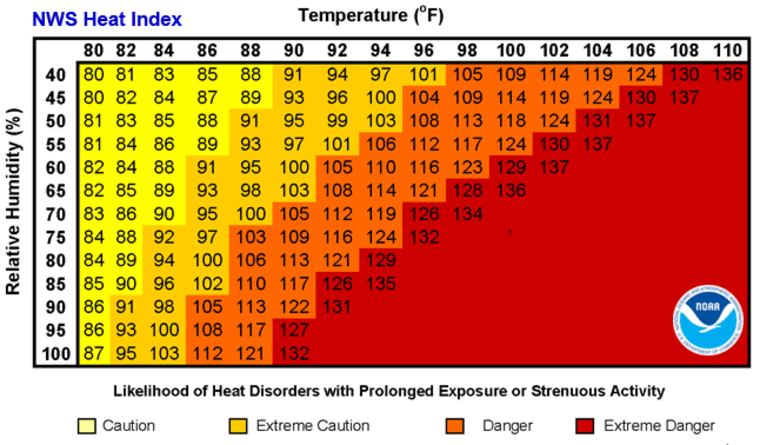
High humidity makes hot days feel much hotter. The heat index mixes temperature and humidity to estimate how it feels to your body. When humidity is high, sweat does not evaporate well, so your body struggles to cool. This is the first step in the health effects of high humidity.

How high humidity affects your body
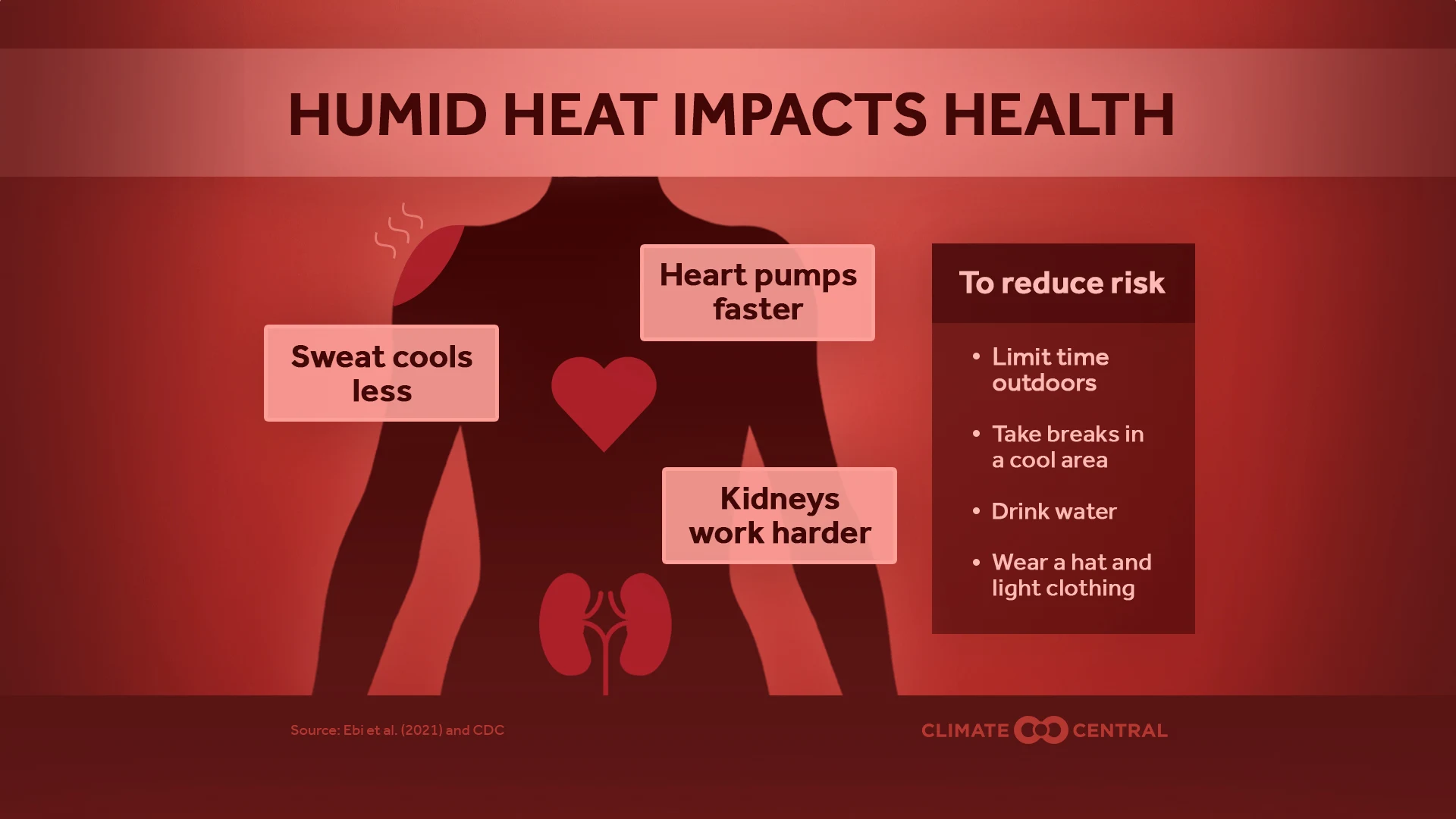
Your body cools itself by sweating. Evaporation pulls heat away from your skin. In humid air, sweat sits on your skin and drips. Your heart then works harder to push blood to the skin for cooling. This raises strain on your heart and can cause dizziness, fatigue, and cramps.
As your core temperature rises, the risks increase. You can slide from heat exhaustion to heat stroke, which is a medical emergency. Research from public health agencies shows more heat illness on muggy days. This is one of the most serious health effects of high humidity.
Tips you can use:
- Drink fluids with electrolytes when you sweat a lot.
- Rest in cool spaces during the hottest, most humid hours.
- Use fans with air conditioning to move air across damp skin.
Breathing and lungs: allergies, asthma, and infections
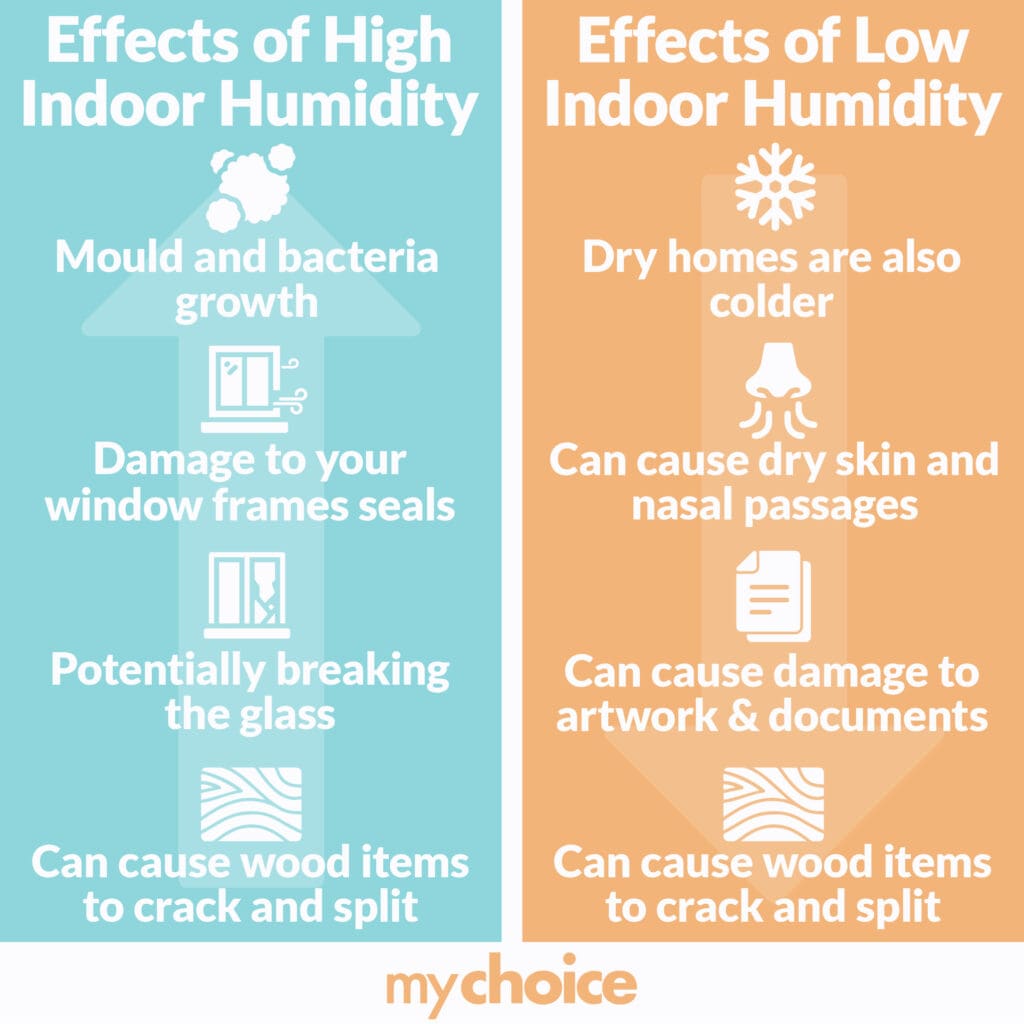
High moisture changes what floats in the air. Dust mites thrive when indoor humidity stays above 50 to 60 percent. Mold grows well on cool surfaces when the air is damp. Both can trigger allergies and asthma symptoms. In my work, I have seen asthma flare-ups drop after families keep bedrooms at 45 to 50 percent.
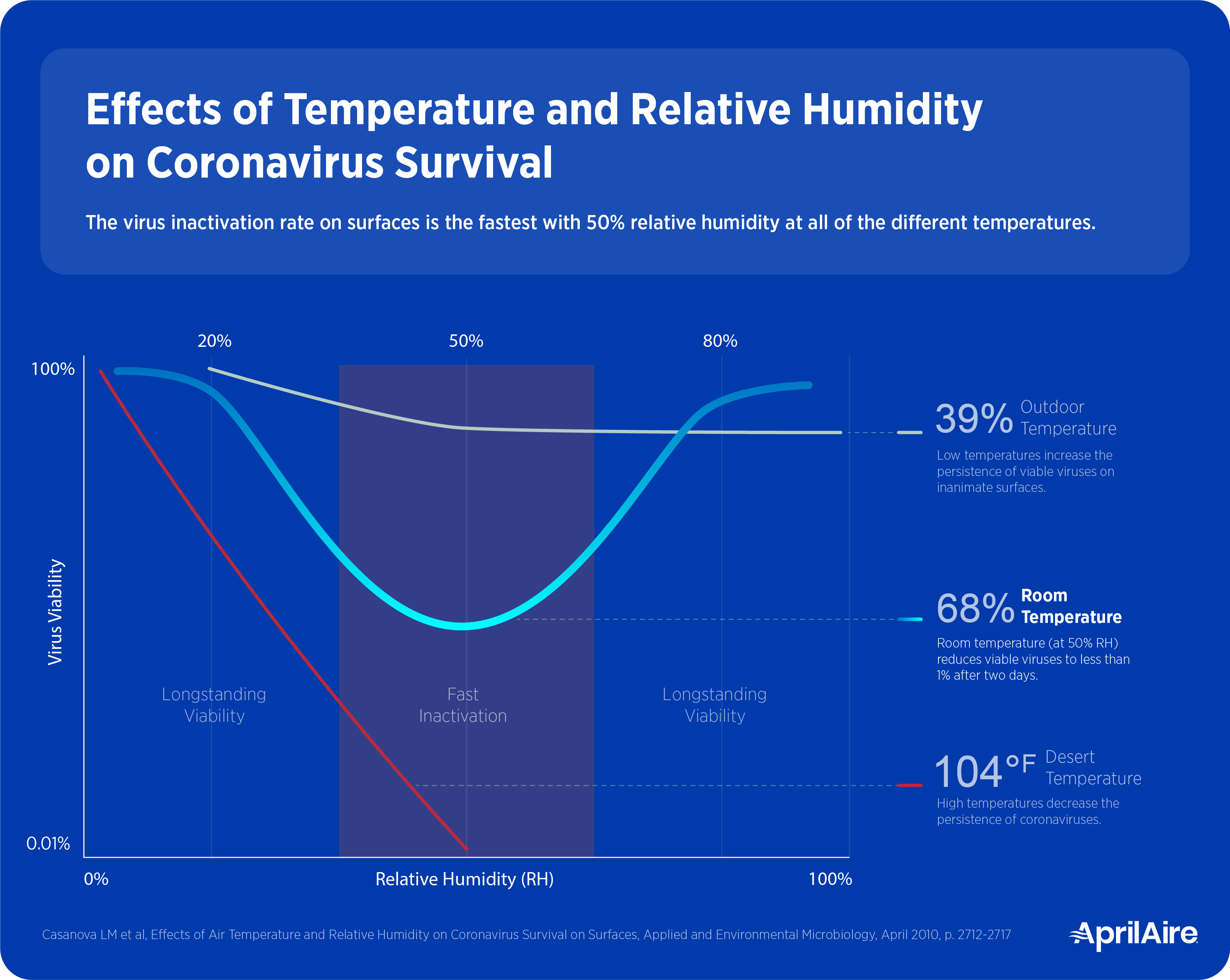
Humidity also affects particles and gases. Damp air can hold more pollutants from cleaning products and smoke. Some studies suggest a mid-range humidity can reduce how long some viruses survive on surfaces and in air. The picture is complex, but experts agree that very high or very low humidity is not ideal. Managing this balance is key to lowering the health effects of high humidity.
Helpful steps:
- Keep indoor relative humidity between 40 and 60 percent.
- Fix leaks and dry wet spots fast, within 24 to 48 hours.
- Run exhaust fans in kitchens and bathrooms during and after use.
Skin, hydration, and heat rash
Ever felt sticky and itchy on a muggy day? High humidity slows sweat evaporation, so pores can clog. This can lead to prickly heat, also called heat rash. Bacteria and yeast on the skin may also grow faster in damp, warm conditions. Some people see acne or eczema flare-ups.
Hydration is trickier too. You can lose salt and water without noticing because sweat drips instead of drying. That is one more reason the health effects of high humidity include cramps and dizziness. I coach athletes to track body weight before and after training on humid days to gauge fluid loss.
Skin care tips:
- Wear light, loose, breathable fabrics.
- Shower and dry off well after sweating.
- Use fragrance-free moisturizers if your skin barrier is sensitive.

Indoor air quality and microbes
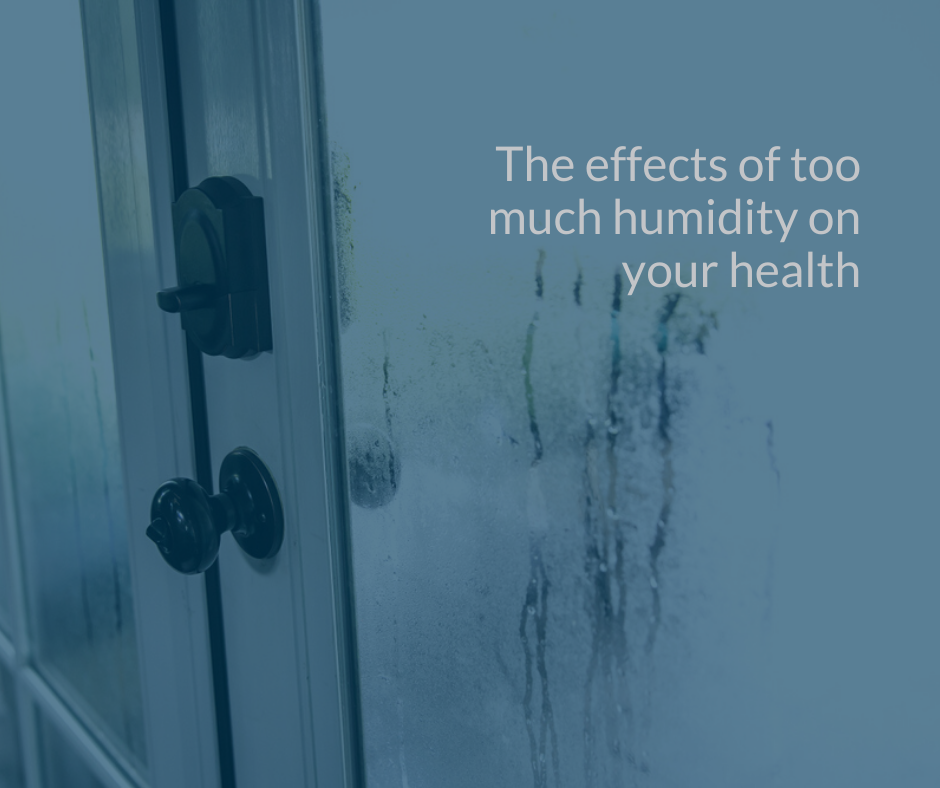
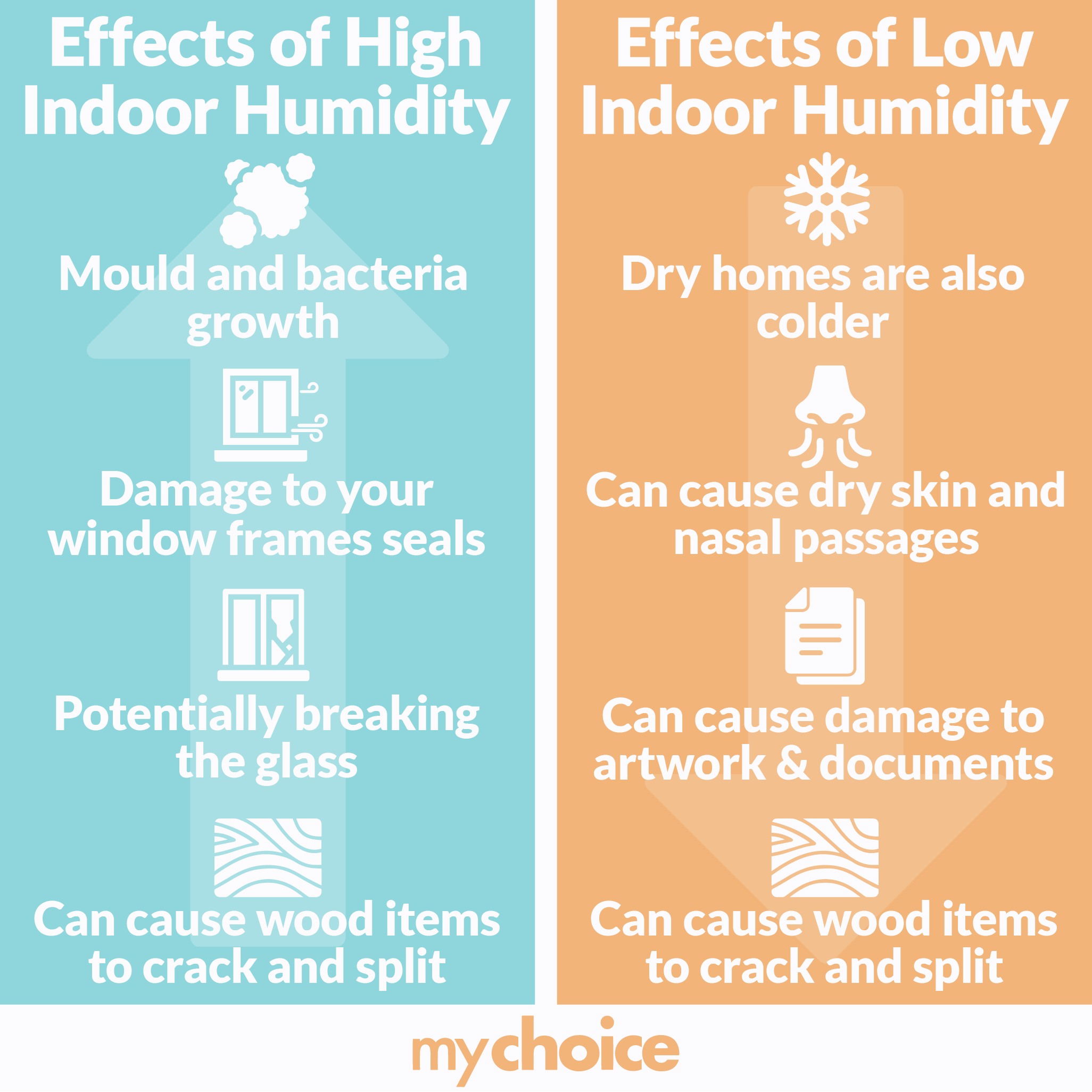
When indoor air is humid, cool surfaces can collect condensation. Think of windows, basement walls, or cold supply ducts. Moisture feeds mold and bacteria. Spores and fragments can become airborne and irritate lungs and eyes. Long-term dampness also damages building materials and carpeting.
Dust mites love soft furnishings, mattresses, and carpets. They peak when humidity sits above 50 percent for days. Keeping bedrooms in the 40 to 50 percent range helps a lot. From dozens of home visits, I have seen allergy symptoms ease when people pair dehumidification with mattress covers and HEPA vacuuming. Managing microbes is a key step in reducing the health effects of high humidity.
Action items:
- Use a dehumidifier in damp rooms and set it to 45 to 50 percent.
- Vent clothes dryers outdoors and avoid air-drying laundry indoors.
- Clean or replace HVAC filters on schedule.
Who is most at risk
Some groups feel the health effects of high humidity more than others. Their bodies may not cool as well, or they may have extra breathing needs.
Higher-risk groups include:
- Older adults, infants, and pregnant people
- People with asthma, COPD, heart disease, diabetes, or obesity
- Outdoor workers and athletes during heat waves
- People in top-floor apartments or homes without air conditioning
- Pets, especially flat-faced breeds
If you or someone you love is in one of these groups, plan ahead for humid spells. Simple changes can prevent big problems.
Measuring humidity and understanding the numbers
You cannot manage what you do not measure. A small digital hygrometer is cheap and accurate enough for home use. Place one on each floor and in the bedroom. Aim for 40 to 60 percent.
Know these terms:
- Relative humidity shows how saturated the air is.
- Dew point is the temperature where water condenses. A higher dew point feels muggy.
- Heat index mixes temperature and humidity to show how hot it feels.
- Wet-bulb temperature above about 95°F for several hours can be deadly without cooling.
Watching these numbers helps you predict the health effects of high humidity and act early.
Practical ways to control humidity at home
I often start with a short checklist. It works for apartments and houses alike. Tackle the easy wins first, then the bigger fixes if needed.
Do these right away:
- Run bathroom and kitchen exhaust fans that vent outdoors for at least 20 minutes after use.
- Use your range hood when cooking and boiling water.
- Keep indoor plants moderate in number and avoid overwatering.
- Fix plumbing leaks and dry spills fast.
Level up your control:
- Seal air leaks around windows, doors, and attic penetrations.
- Improve drainage outdoors so water moves away from the foundation.
- Set your AC to auto and keep filters clean to improve moisture removal.
- Add a standalone dehumidifier. Size it for the room. Set it to 45 to 50 percent.
- In basements, use a dehumidifier with a drain hose for continuous operation.
If you live in a humid climate, these steps can cut the health effects of high humidity by keeping your home dry, clean, and comfortable. One family I helped in coastal Texas dropped bedroom humidity from 70 percent to 48 percent with a sealed crawlspace, a right-sized dehumidifier, and fan timers. Their child’s nighttime coughing eased within a week.
.png)
Workplace and workout safety in humid weather
Work and exercise in humid heat need a plan. Recovery takes longer when sweat cannot evaporate. Do less, rest more, and drink smart.
Try this:
- Shift heavy work to the coolest, least humid parts of the day.
- Take frequent shaded breaks and buddy up to watch for symptoms.
- Wear light colors and breathable fabrics. Wet cooling towels help.
- Replace electrolytes during long efforts. Water alone may not be enough.
- Use air conditioning if possible. Fans help, but only when they move dry or cooled air.
Employers can set heat safety plans based on heat index or wet-bulb globe temperature. That reduces the health effects of high humidity on crews.
When to seek medical help
Know the warning signs. Heat exhaustion can show up as heavy sweating, weakness, nausea, and a fast pulse. Move to a cool place, sip fluids, and rest. If symptoms do not improve in an hour, get care.
Heat stroke is an emergency. Signs include hot skin, confusion, fainting, and a very high body temperature. Call emergency services right away. Trouble breathing, chest pain, or severe asthma attacks during humid days also need prompt help. Fast action can prevent the worst health effects of high humidity.
Frequently Asked Questions of health effects of high humidity
What indoor humidity level is healthiest?
Most experts suggest 40 to 60 percent relative humidity. This range reduces mold growth and dust mite activity while keeping your airways comfortable.
Can high humidity cause headaches?
Yes, high humidity can trigger headaches. Dehydration, heat stress, and poor indoor air quality can all play a part in headache patterns.
Does a fan help in very humid weather?
Fans increase air movement and can help sweat evaporate. In extreme humidity and heat, you also need air conditioning or dehumidification for real relief.
Are dehumidifiers expensive to run?
Modern units are efficient and often cost less than running extra air conditioning. Running one in damp rooms can prevent damage and lower health risks.
Will houseplants raise indoor humidity?
Many plants release moisture into the air. A few are fine, but a room full of plants can raise humidity, especially in small or closed spaces.
Do viruses spread more in high humidity?
The relationship is complex and varies by virus. Staying in the mid-range, about 40 to 60 percent, is a balanced target for indoor spaces.
Can high humidity make asthma worse?
Yes. Dust mites and mold grow in damp conditions, which can trigger asthma. Keeping humidity in range can reduce flare-ups.
Conclusion
High humidity challenges your body’s cooling system, strains the heart, and can worsen breathing, skin, and indoor air issues. The good news is you can measure it, manage it, and cut the health effects of high humidity with simple steps.
Start today. Check your indoor humidity, set a 40 to 60 percent goal, and tackle one fix at a time. If this guide helped, share it with a friend, subscribe for more practical health tips, or leave a question so we can solve your humidity headaches together.