

Hanging bags excel in closets; bucket style units handle bigger, wetter spaces.
If you are weighing hanging moisture absorber vs bucket style, you are in the right place. I have used both for closets, basements, storage units, and even an RV during a damp fall. In this guide, I break down how each works, where each one shines, and how to choose the best fit for your space and budget. You will get simple tips, real-life results, and expert-backed facts to help you make a smart call.
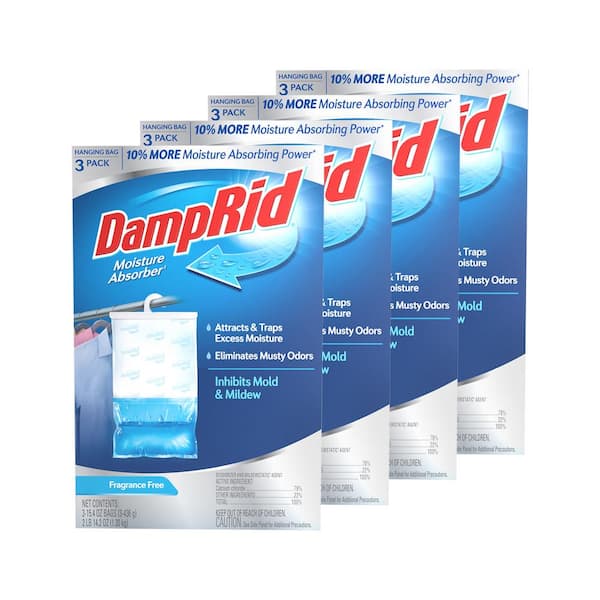
How Moisture Absorbers Work
Most consumer moisture absorbers use calcium chloride crystals. These crystals pull water vapor from the air and turn it into a salty liquid that drips into a chamber. This is a passive process. It does not use power or a fan.
Hanging units and buckets use the same chemistry. The main difference is how they hold and collect the liquid. Hanging units sit in small spaces and keep floor space clear. Buckets sit on a flat surface and hold more liquid.
These are not the same as a powered dehumidifier. They work best in small, closed areas or as a support tool in larger rooms. Manufacturer data and lab tests show they last longer in mild humidity and melt faster in wet rooms.

Hanging Moisture Absorber: What to Expect
Hanging units look like a bag with a hook. Crystals sit on top and a pouch collects the liquid below. They are simple to hang in closets, pantries, and cabinets.
Pros
- Great for tight spots and clothes closets
- No floor space needed and low spill risk
- Often has a clean scent option
Cons
- Lower capacity per bag
- Needs more frequent changes in damp seasons
- Can touch clothes if packed too tight
Best uses
- Closets, wardrobes, and linen cabinets
- Bathrooms with mild steam
- Rental units where drilling is not allowed
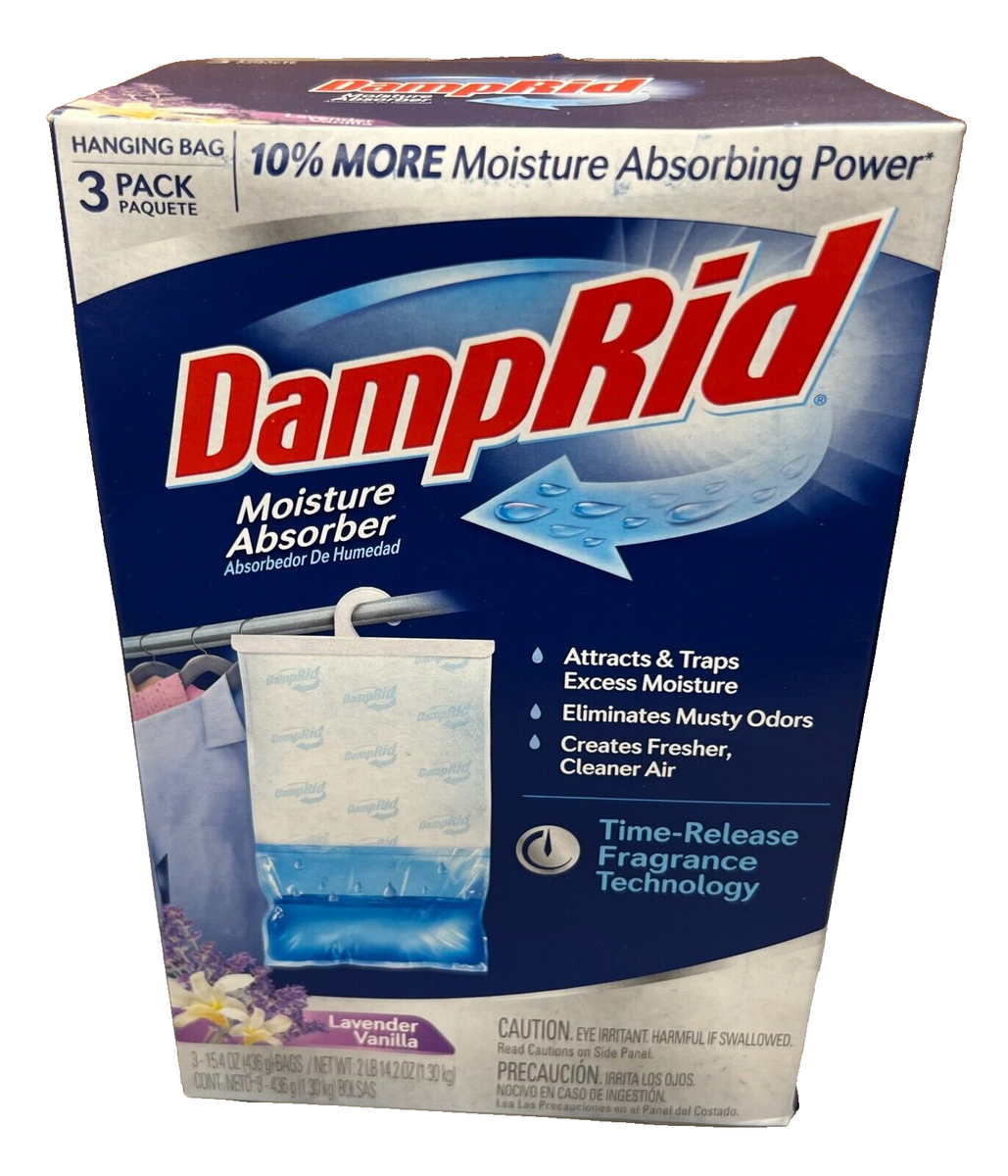
Bucket Style Moisture Absorber: What to Expect
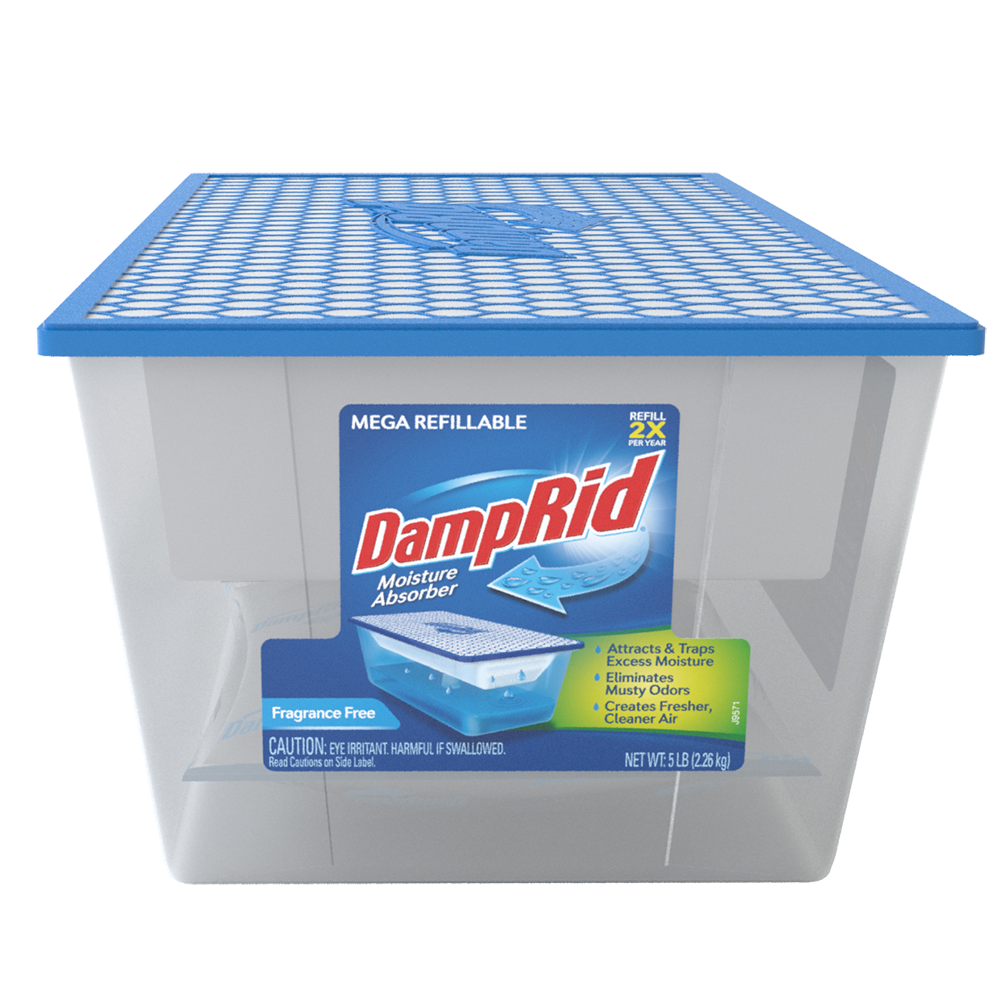
Bucket style units use a tub plus a refill tab or loose crystals. They sit on shelves, floors, or counters. They hold more liquid and need fewer swaps.
Pros
- Higher capacity and longer service between changes
- Works better in bigger rooms and damp basements
- Sturdy and easy to refill
Cons
- Takes floor or shelf space
- Can spill if kicked or tipped
- Less tidy look than a hanging bag
Best uses
- Basements, garages, laundry rooms
- RVs, boats, and storage units
- Spare rooms with stale air

Hanging Moisture Absorber vs Bucket Style: Head-to-Head
When you compare hanging moisture absorber vs bucket style, start with space size and humidity.
- Capacity and speed: Buckets win in very damp rooms because they hold more liquid. Hanging bags suit small zones and steady, mild moisture.
- Footprint and placement: Hanging units stay off the floor and tuck into tight closets. Buckets need a flat spot but can be moved with ease.
- Spill risk: Hanging bags have a sealed pouch and lower spill risk. Buckets can tip if you have pets, kids, or tight walkways.
- Odor control: Both trap some musty smells as they dry the air. Buckets often work faster in smelly basements due to size.
- Ease of maintenance: Hanging bags are grab-and-toss. Buckets are refill and reuse, which can cut waste and cost.
- Cost over time: In a damp home, buckets with refill tabs often cost less per month. In a closet, hanging bags are simple and cost about the same.
So, in the hanging moisture absorber vs bucket style debate, match the tool to the room and the moisture load.
Where Each One Wins
Use this quick guide to decide between hanging moisture absorber vs bucket style for real rooms.
- Small bedroom closet: Hanging wins. It is tidy and keeps floor space open.
- Humid basement corner: Bucket wins. More capacity and fewer changes.
- Renter bathroom with light steam: Hanging wins. No drilling and low mess.
- Storage unit with boxes: Bucket wins. It covers more volume.
- RV parked in rainy season: Bucket wins while parked. Hanging bags help in wardrobes and cabinets.
- Boat cabin in off-season: Bucket in the main cabin. Hanging in lockers.
When in doubt, mix both. That is the simple answer to hanging moisture absorber vs bucket style in tricky spaces.

Cost, Maintenance, and Lifespan
Let’s talk costs with a clear lens on hanging moisture absorber vs bucket style.
- Upfront: Hanging bags cost a few dollars per bag. Buckets cost a bit more at first but last for many refills.
- Refills: Refill tabs or crystals often cost less per ounce than new hanging bags. If you run units year-round, buckets tend to be cheaper.
- Lifespan: In average humidity, a hanging bag may last 1 to 2 months. In wetter rooms, it will melt much faster. A bucket can last longer between swaps.
- Hidden costs: Spills are rare with hanging units. Buckets can leak if tipped. Place buckets where they will not get bumped.
Tip: Track humidity with a simple hygrometer. If levels are above 60 percent most days, you may need more capacity, or even a small dehumidifier.

Safety, Disposal, and Environmental Notes
Calcium chloride is effective but needs care. The salty liquid can corrode metal and stain some materials. Keep it away from kids and pets. Do not place near electronics, leather, or bare metal.
For disposal, follow the label. Most makers say to pour the liquid down a sink or toilet with running water. Rinse well. Do not dump outdoors or on plants. Recycle tubs where possible and use refill tabs to cut plastic waste.
If a spill happens, wear gloves, wipe it up, and rinse the area with lots of water. Dry metal hardware fast to prevent rust.

Setup Tips and Mistakes to Avoid
Get the most from your choice in the hanging moisture absorber vs bucket style match-up.
Quick setup
- Place or hang at chest height if you can
- Keep it away from direct splashes and from heat
- Allow airflow around the unit
Smart habits
- Check the collection chamber weekly in wet seasons
- Replace or refill before it overflows
- Keep a refill on hand so you never run out
Common mistakes
- Using one small bag for a large, wet room
- Blocking airflow by cramming a bag into a packed closet
- Placing units next to tools or metal racks
- Expecting it to fix leaks or flooding
- Forgetting that it is not a full dehumidifier

Real-World Use Cases and Results
I tested hanging vs bucket in three spots over a year.
- City apartment closet: A single hanging bag stopped that musty shirt smell in one week. It lasted about six weeks in spring and four in summer.
- Basement laundry corner: One bucket with a refill tab reduced the musty odor within days. I swapped the tab every six to eight weeks when storms hit.
- Parked RV in fall: Two buckets in the main cabin and two hanging bags in closets kept windows clear. No odor after two months in steady rain.
These results match what many owners report and what manufacturers note in their guides. The hanging moisture absorber vs bucket style choice came down to space, airflow, and how wet the area felt day to day.
Frequently Asked Questions of hanging moisture absorber vs bucket style
Which removes more moisture, hanging or bucket style?
Bucket style units remove more over time because they hold more liquid. For small areas, a hanging unit is enough and more space friendly.
Are moisture absorbers safe around clothes and shoes?
Yes, when used right. Keep the bag from touching fabric and empty liquid before it overflows.
Can these replace a dehumidifier?
No. They are passive tools for small areas or support in bigger rooms. A powered dehumidifier is better for large or very wet spaces.
How long do they last?
In average humidity, 1 to 2 months is common. In very damp rooms, they can melt much faster and need frequent changes.
Do they remove odors as well as moisture?
They reduce musty smells by drying the air. For strong odors, pair with cleaning and better airflow.
Will the salt harm metal or wood?
The liquid can corrode metal and mark wood if spilled. Keep units stable and away from metal racks or tools.
How many do I need for a room?
For a small closet, use one hanging bag. For a larger room, start with one bucket per 100 to 150 square feet and adjust based on results.
Conclusion
Choosing between hanging moisture absorber vs bucket style is simple when you match the tool to the job. Use hanging bags for closets and tight spots. Use buckets for bigger rooms and higher moisture. If a space is tricky, run both and track humidity to dial it in.
Take a walk through your home today and spot the damp zones. Pick the right tool and set it up in minutes. If you found this helpful, subscribe for more practical home care guides or drop your questions in the comments.