

Hanging bags save space; standing containers offer stability and higher load capacity.
If you are weighing hanging bags vs standing containers, you are in the right place. I have installed, tested, and even broken my fair share of both in homes, shops, and small gardens. In this guide, I break down performance, cost, safety, and real use cases. You will leave with a clear, practical choice and zero guesswork.

What We Mean by Hanging Bags vs Standing Containers
Hanging bags are soft or semi-rigid bags that attach to walls, racks, doors, or ceilings. Think closet organizers, wall grow bags, or overhead storage slings. They aim to free up floor space and keep items within reach.
Standing containers sit on the floor or shelves. Think bins, totes, trunks, pots, planters, crates, and drums. They shine when you need stability, stackability, and simple access.
When people compare hanging bags vs standing containers, they often mix goals. Space saving is not the same as load capacity. Stability is not the same as airflow. This article separates those needs so you can choose with ease.

Key Differences That Matter
The big question with hanging bags vs standing containers is not “which is better,” but “better for what.” Here are the core differences that drive results.
Space use
Hanging bags free floor space. They use walls, doors, rails, and ceilings. Standing containers use floor area and vertical stacks.
Load capacity
Standing containers win for heavy loads. They spread weight to the floor. Hanging bags depend on anchors and hardware. They handle light to medium loads.
Stability and safety
Standing containers resist swing and tilt. They are safer in busy zones. Hanging bags can sway. They need secure anchors and even load spread.
Airflow and drainage
Hanging grow bags often breathe well and drain fast. That helps roots and reduces rot. Sealed standing containers can trap moisture unless vented.
Access and ergonomics
Hanging setups bring items to eye level. That can reduce bending. Standing bins are faster for bulk items and mixed shapes.
Flexibility and modularity
Hanging systems are easy to add or move. Swap hooks and clips in minutes. Standing containers stack, nest, and roll on casters. They scale for volume.
Setup complexity
Standing containers are simple: place and use. Hanging setups need hardware, anchors, and a weight plan.
Keep your top two needs in mind. That is the clean way to decide between hanging bags vs standing containers.
Pros and Cons of Hanging Bags
Hanging bags can feel like extra shelves that appear from thin air. They shine in tight spaces and small budgets.
Pros:
- Frees floor space in closets, garages, and vans
- Good airflow for plants, gear, and damp items
- Easy to move, rehang, or reconfigure
- Low cost and low footprint hardware
- Great visibility when placed at eye level
Cons:
- Limited weight per anchor and per bag
- Needs studs, solid walls, or strong racks
- Can sway or wear at stress points
- May scuff walls or doors over time
- Not ideal for large, rigid, or sharp items
Tip from the field: use wide straps and metal grommets. They spread force and reduce tear points. That extends the life of a hanging system.

Pros and Cons of Standing Containers
Standing containers are the workhorses of storage, shipping, and gardening. They take weight, stack well, and survive rough use.
Pros:
- High load capacity and better stability
- Easy to stack, roll, or palletize
- Safer for heavy, rigid, or sharp items
- Wide range of sizes and lids
- Simple setup with no drilling or anchors
Cons:
- Eats floor space fast
- Can trap moisture and odors if sealed
- Harder to access bottom bins in a tall stack
- Can become clutter if you skip labels
- Might need added racks or shelving
Tip from the field: add casters to large bins. Label both sides. Use clear lids for quick ID. This speeds access and reduces stack reshuffles.
Best Use Cases and Scenarios
When you compare hanging bags vs standing containers, match the tool to the job.
Small apartments and closets
Pick hanging bags for shoes, scarves, cables, and cleaning gear. Use a few small standing bins for bulky blankets or off-season clothes.
Vertical gardening and balconies
Use hanging grow bags for herbs and strawberries. They drain and breathe well. Keep a few standing pots for heavy plants that need deep soil.
Garages and workshops
Hang soft goods like cords, small tools, and safety gear. Use standing containers for power tools, paint, and hardware. Weight and safety rule here.
Retail and events
Hanging displays attract eyes and save booth space. Standing containers handle back stock, transport, and quick pack-up.
Travel vans and RVs
Use hanging pouches for daily items and kitchen tools. Keep locking standing bins for spares and emergency kits. Balance weight low and centered.
Waste sorting and recycling
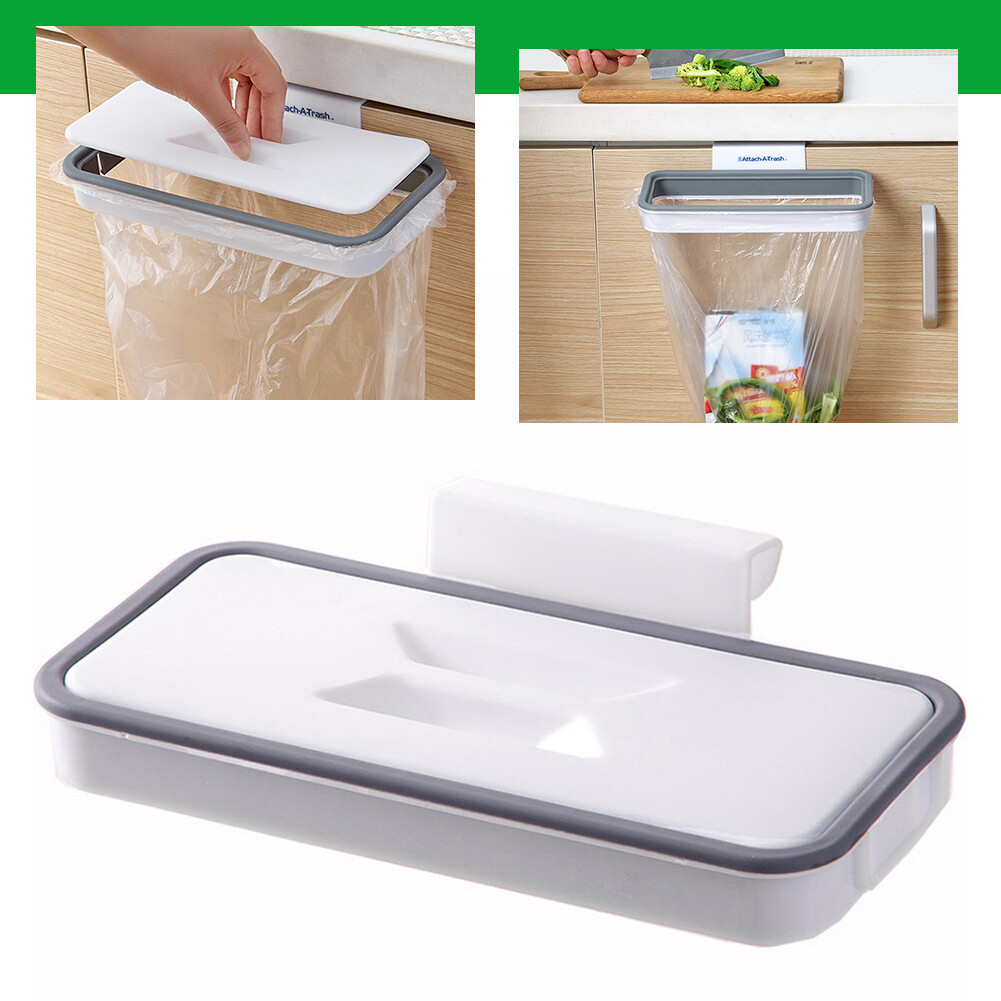
Hanging bags work for light recyclables like cans and plastic. Standing bins suit glass, compost, and heavier waste.
Across all these, the choice of hanging bags vs standing containers depends on weight, access, and space. Start with weight and safety. Then adjust for comfort and budget.

How to Choose: A Simple Decision Guide
Use this quick filter for hanging bags vs standing containers.
- If weight is heavy or unknown: choose standing containers.
- If floor space is tight: start with hanging bags.
- If you need fast access: use eye-level hanging or top-open bins.
- If items are sharp or rigid: choose standing containers with tough walls.
- If items are damp or need airflow: favor breathable hanging bags.
- If you rent and avoid drilling: use over-door hangers or freestanding bins and racks.
- If your needs change often: mix both. Use hooks, clear bins, and labels.
Pro move: build a hybrid wall plus floor plan. Hang light daily gear. Park heavy bins below. It keeps motion safe and flow clean.

Setup, Care, and Safety Tips
Hanging setups:
- Use rated anchors and carabiners. Read the load rating on each part.
- Find studs for heavy items. Use a stud finder or a small test hole.
- Spread load with rails, cleats, or slatwall. Avoid single-point stress.
- Check straps and seams each month. Replace at the first sign of wear.
Standing setups:
- Keep heavy bins low. Use casters with locks for big weights.
- Do not overstack past safe height. Leave hand space to lift lids.
- Label on two sides and the lid. Use color codes to cut search time.
Care and cleaning:
- For fabric bags, spot clean with mild soap. Air dry to prevent warp.
- For plastic bins, wash with warm water and a soft brush. Vent to dry.
- Pests hate clean, dry spaces. Seal food and compost. Add lids where needed.
These steps reduce failure risk and extend life. They also keep the choice of hanging bags vs standing containers working in your favor.

Cost, Durability, and Sustainability
Costs add up over time. Look at total life, not only sticker price.
- Upfront: hanging bags are often cheaper. Hardware adds a bit. Standing bins cost more but include structure.
- Durability: thick plastic or metal bins last for years under heavy use. Quality hanging bags do well with light to medium loads and smart anchors.
- Repairs: bags can be patched or restitched. Bins can be taped, but cracks grow with stress.
- End-of-life: some bins are recyclable if they use a single resin. Fabric bags vary by material. Repair first to cut waste.
- Footprint: using walls reduces the need for extra furniture. That can lower material use over time.
Independent tests show that correct installation matters more than material alone. Choose rated parts. Follow load limits. That is the core of smart spending.
Lessons Learned From the Field
On a balcony project, hanging grow bags beat planters for herbs. The airflow kept roots happy. I watered less and saw fewer gnats. I did move tomatoes to standing pots. They needed more soil and weight.
In a garage clean-up, we tried all hanging first. It looked neat, but drills and paints felt risky overhead. We shifted heavy gear to standing bins on a low rack. We kept cords and masks in hanging pouches at eye level. Work moved faster and felt safer.
For a pop-up shop, standing crates helped with transport. At the venue, we switched to a hanging sling display for small items. Sales rose because shoppers saw the items right away. This mix is where hanging bags vs standing containers both win.
Frequently Asked Questions of Hanging Bags vs Standing Containers
Which lasts longer: hanging bags or standing containers?
Under heavy use, standing containers tend to last longer. Hanging bags can last years if loads are light and hardware is solid.
Can hanging bags damage walls or doors?
Yes, if loads exceed anchor ratings or the surface is weak. Use studs, spread load, and use pads to prevent scuffs.
Do plants do better in hanging grow bags or standing pots?
It depends on the plant and climate. Hanging bags breathe well and reduce root rot, while deep pots support heavy feeders.
Which is better for renters?
Hanging bags with over-door hooks are renter-friendly. Standing containers work great too because they need no drilling.
How much weight can each option handle?
Standing containers handle much higher loads by design. Hanging setups depend on anchors, rails, and even load; always follow rated limits.
Are hanging bags or standing containers more eco-friendly?
Either can be eco-friendly with repair and long life. Pick durable materials, fix rather than toss, and recycle when possible.
Can I mix both in one system?
Yes, and it often works best. Hang daily light items and keep heavy or bulky goods in floor bins.
Conclusion
Hanging bags excel at saving space, airflow, and quick access. Standing containers win on weight, stability, and scale. For most setups, a smart mix is best: hang the light stuff, ground the heavy stuff, and keep labels clear.
Now choose one small zone to test. Try a hanging rail above a row of labeled bins. See what changes. If this guide on hanging bags vs standing containers helped, subscribe for more tips or leave a comment with your setup.