

Electric units remove more moisture fast; non-electric are cheap, silent, and simple.
If you’re weighing electric vs non-electric moisture absorbers, you’re in the right place. I’ve tested both in closets, basements, RVs, and even a damp laundry room. Below, I break down how each type works, where they shine, what they cost, and how to choose the best option for your space. By the end, electric vs non-electric moisture absorbers will feel simple and you’ll know exactly what to buy.
How moisture absorbers work
Moisture absorbers pull water from the air until the room hits a better balance. Most homes feel best at 30% to 50% relative humidity. That is the range many indoor air experts suggest. Going over that can cause mold, odors, and damage.
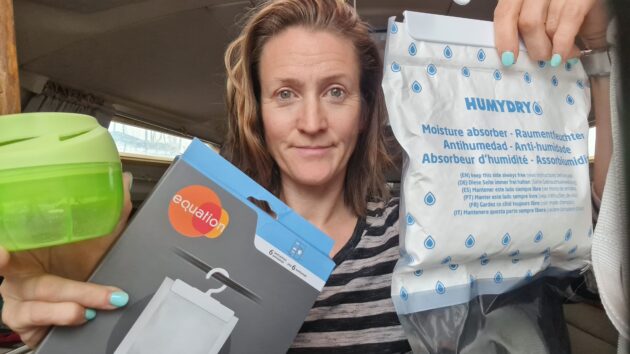
Electric units use a fan and a cold surface or a drying wheel. Water condenses and drips into a tank. Non-electric units use salts or gels that bind water from the air. They hold it in crystals or turn it into brine.
Both types aim for the same goal. They just use different tools. Keep this in mind as we explore electric vs non-electric moisture absorbers in detail.

Electric vs non-electric moisture absorbers: key differences
Think of electric units as active machines and non-electric as passive sponges. Electric units pull air with a fan and can move a lot of moisture fast. Non-electric units sit in place and work slowly, with no power need.
Electric units come in two common types. Compressor models work well in warm rooms and can remove many pints per day. Peltier models are compact and quiet, but they pull much less water. Non-electric units include calcium chloride tubs, silica gel canisters, and dehumidifier bags.
If speed and capacity matter, electric wins. If silence, price, and zero power matter, non-electric wins. That is the core of electric vs non-electric moisture absorbers.

Pros and cons
Electric moisture absorbers (plug-in dehumidifiers)
Pros
- Fast moisture removal in damp rooms.
- Works in larger spaces with the right size.
- Many models let you set a target humidity.
Cons
- Needs power and adds to your bill.
- Fan noise, even if low.
- Needs regular cleaning to stay safe and efficient.
Non-electric moisture absorbers (desiccants and salts)
Pros
- Silent and simple.
- No power use. Good for closets and cabinets.
- Low upfront cost.
Cons
- Slow and lower capacity.
- Ongoing refills or replacements.
- Spills or brine leaks can damage surfaces.
In short, capacity vs ease is the trade-off in electric vs non-electric moisture absorbers. Match the tool to your space and your noise and power needs.

When to choose each type
Pick electric in rooms that feel damp or smell musty. Basements, laundry rooms, and bathrooms often need that power. RVs and boats in humid zones also do well with an electric unit.
Pick non-electric in small, closed spaces. Think closets, gun safes, pantries, shoe cabinets, or storage bins. They shine where you want silent, set-and-forget control.
Here is a quick guide you can trust for electric vs non-electric moisture absorbers:
- Large room with wet air: Electric.
- Small closet with mild damp: Non-electric.
- Seasonal damp in a spare room: Electric for a few weeks, then off.
- Travel or storage bins: Non-electric packs or canisters.
Cost, energy, and capacity comparison
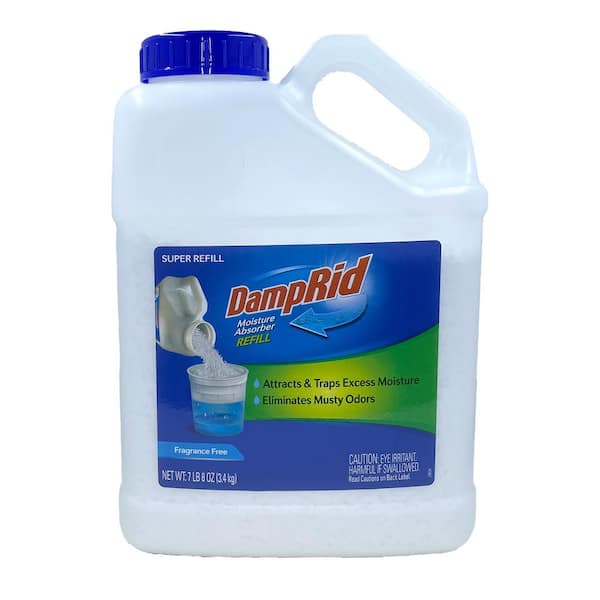
Upfront price varies a lot. Small Peltier units often cost less than a night out. Mid-size compressor units cost more but move a lot of water. Non-electric tubs and bags are cheap but need refills.
Energy use is only for electric. A small Peltier might draw 20 to 70 watts. A mid-size compressor unit might draw 300 to 600 watts. Your cost depends on run time and local power rates. Many homes pay around 0.15 dollars per kWh. A right-sized unit with a humidistat can cut run time and cost.
Capacity is where electric stands out. A mid-size compressor unit can remove many pints per day. A small Peltier might pull a few ounces per day. A calcium chloride tub can take in water over weeks, but it is slow. Think about the size of the space and how wet it gets when choosing electric vs non-electric moisture absorbers.

Safety, maintenance, and lifespan
Electric units need regular care. Empty the tank, or use a drain hose if the unit supports it. Clean the filter and the tank to prevent mold. Wipe the coils as the maker suggests. Keep cords dry and away from pets.
Non-electric units need safe placement and spill care. Calcium chloride brine can stain or corrode metal. Keep tubs on a tray and away from kids and pets. Rechargeable silica gel canisters are simple to refresh. Some plug in to heat and dry the beads. Others bake in an oven per label guidance.
With both types, follow the manual. Good care makes any choice in electric vs non-electric moisture absorbers last longer and work better.
Environmental impact and disposal
Electric units use power, so pick Energy Star where you can. Right-sizing helps too. Running a huge unit in a small room wastes energy. Use a humidistat and set it near 45%.
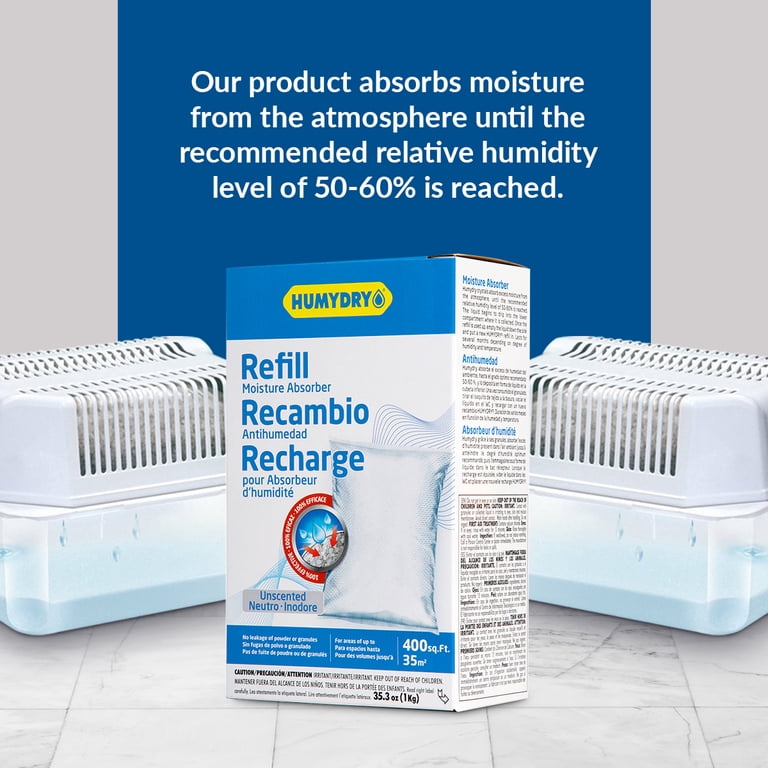
Non-electric units create waste over time. Brine and spent salts need proper disposal as the label states. Silica gel canisters that you recharge make less waste. Choose refill packs that use less plastic if you go with salts.
From a green view, both types can be smart. Cut overuse, size right, and follow disposal rules. That is a fair way to weigh electric vs non-electric moisture absorbers for the planet.

Real-world examples and personal tips
In my basement office, a mid-size compressor unit cut humidity from 65% to 45% in one day. The space felt fresh and my gear stayed dry. I set a drain hose to a floor drain. That ended daily tank trips.
In my hall closet, a small calcium chloride tub stopped the musty smell. It took a week to show liquid in the tray. But it kept shoes dry and the air clear. In a gun safe, I use a rechargeable silica gel canister. I “bake” it every few weeks, and it holds up fine.
Here is what I learned from testing electric vs non-electric moisture absorbers:
- Buy a humidity meter. Trust data, not guesswork.
- Size up one step for basements. Size down for small rooms.
- Place units where air can move. Do not push into a corner.
- For salts, use a tray under the tub to catch leaks.
- For electrics, clean the tank each week. It stops odors.
Setup, placement, and sizing guide
Measure the room. Note any water sources or leaks. Fix leaks before you try to treat the air. No absorber can beat an active leak.
For electric units, keep a few feet of space around them. Shut windows and doors to help. Set the target humidity between 40% and 50%. Start low, then raise if the air feels too dry.
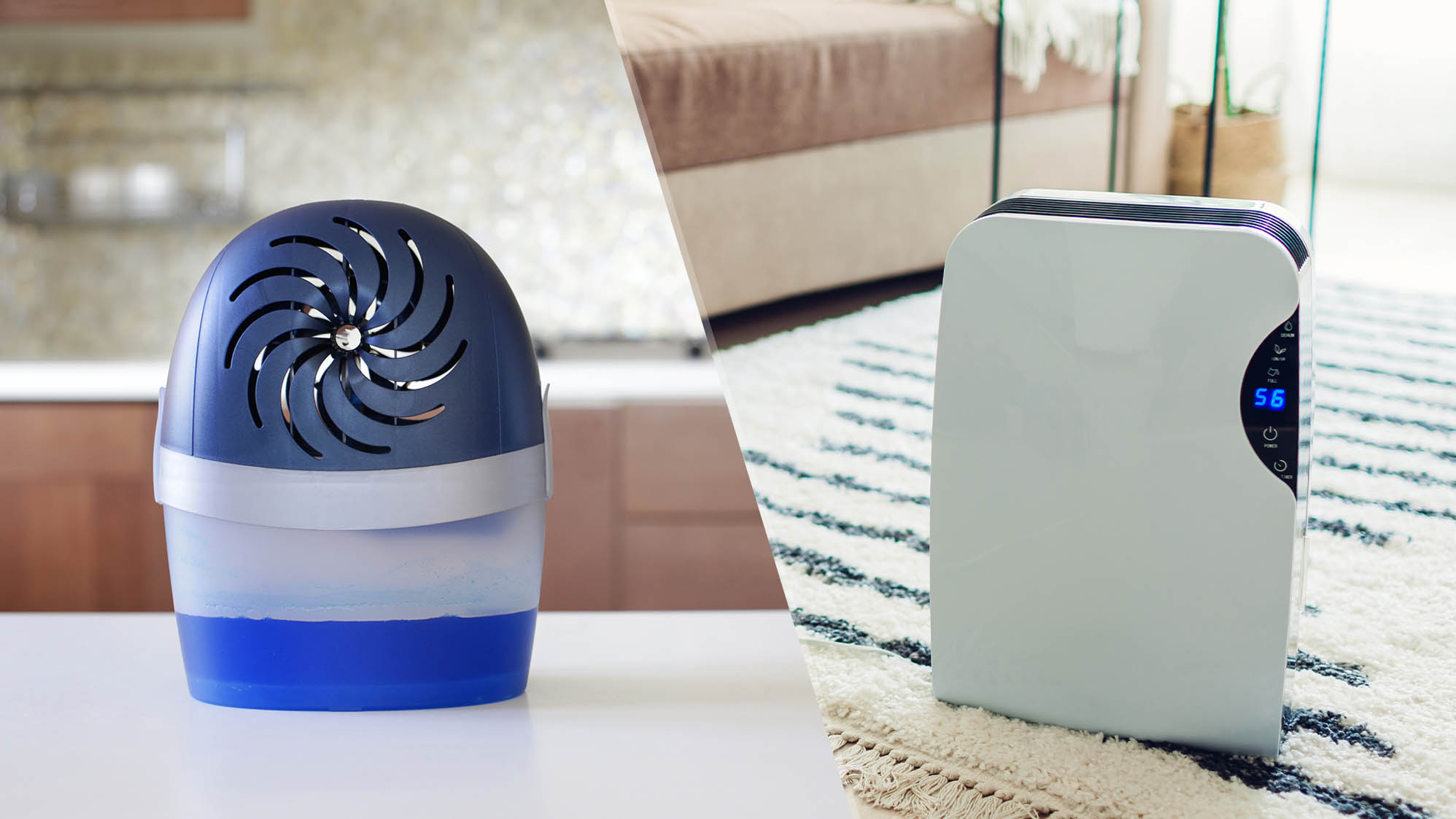
For non-electric units, place near the smell or the damp spot. Use more than one tub in larger closets. Replace or recharge as the color dots or fill lines show. These simple steps make electric vs non-electric moisture absorbers work better for you.
Troubleshooting common issues
If an electric unit is not pulling water, check room temp. Compressor units work best in warm rooms. Clean filters and check the door seals in the space. Make sure airflow is not blocked.
If a non-electric tub seems slow, the room may be dry already. Or the tub is spent. Replace the refill pack. For brine spills, wipe at once and rinse the area well.
If you still see mold, the cause may be poor airflow or a leak. Use a fan or open vents. Fix leaks and insulate cold pipes. This is key with electric vs non-electric moisture absorbers because both need a fair space to work.
Buying checklist and features that matter
Key features for electric units
- Right capacity for your room size and climate.
- Humidistat with auto stop and restart.
- Drain hose option for long runs.
- Washable filter and easy-to-clean tank.
- Low noise rating if used in living areas.
Key features for non-electric units
- Refill availability and cost.
- Spill-resistant design with a sturdy tray.
- Indicator window or color beads to show status.
- Rechargeable beads if you want less waste.
Before you buy, list your space, your noise needs, and your budget. Then match the product to that list. This simple plan works well when choosing between electric vs non-electric moisture absorbers.
Frequently Asked Questions of electric vs non-electric moisture absorbers
Are electric moisture absorbers the same as dehumidifiers?
Electric moisture absorbers are often small dehumidifiers. They use similar tech to pull water from the air. The key difference is size and capacity.
Do non-electric moisture absorbers remove mold?
They do not kill mold. They lower humidity, which can slow mold growth. Clean mold first, then keep humidity under control.
What humidity level should I aim for at home?
Most experts suggest 30% to 50%. Many rooms feel best near 45%. Go a bit lower in humid climates to stop musty smells.
How long do non-electric tubs last?
It depends on room humidity and size. Many tubs last from a few weeks to two months. Check the fill line or color dot.
Are Peltier dehumidifiers good for bedrooms?
Yes, they are quiet and compact. They work best in small rooms with mild damp. For big rooms, use a compressor model.
Can I run an electric unit all day?
Yes, if it has a humidistat and auto shutoff. Set a target level and let it manage itself. That saves power and hassle.
Is calcium chloride safe around pets?
Keep it out of reach. The brine can harm surfaces and is not safe to ingest. Use a high shelf and a spill tray.
Conclusion
Choosing between electric vs non-electric moisture absorbers comes down to space, speed, and noise. Electric units win for large or very damp rooms. Non-electric wins for small, closed spaces and silent control. Use a humidity meter, size right, and place each unit well.
Take action today. Pick one room, measure humidity, and try the fit that matches your needs. If this helped, share your results, ask a question, or subscribe for more home air tips.