

Pour calcium chloride brine down a sink with running water; never dump outdoors.
If you’ve got a DampRid-style container full of salty liquid, you’re not alone. I’ve handled dozens across basements, closets, boats, and RVs. In this guide, I’ll walk you through disposing of moisture absorber liquid the right way—safely, cleanly, and without harming pipes, plants, or pets. You’ll get clear steps, quick safety checks, and simple tips that come from real-world use and industry best practices.

What is moisture absorber liquid?
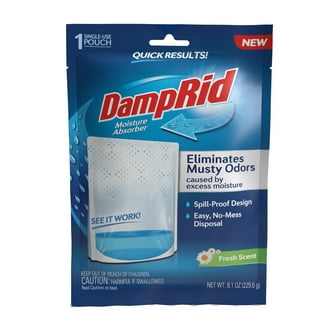
Most moisture absorber liquid comes from calcium chloride crystals that pull water from the air. Over time, the crystals dissolve into a dense saltwater brine. This liquid is not the same as plain water. It can irritate skin, corrode metals, and damage plants. When disposing of moisture absorber liquid, treat it like a salty cleaner that needs careful handling.

Safety first: simple precautions that matter
Wear gloves to protect your skin. Keep the liquid off wood, stone, and metal surfaces. Work near a sink or toilet, and keep kids and pets away. When disposing of moisture absorber liquid, turn on cool water first to dilute as you pour.

Step-by-step: how to dispose of calcium chloride liquid at home
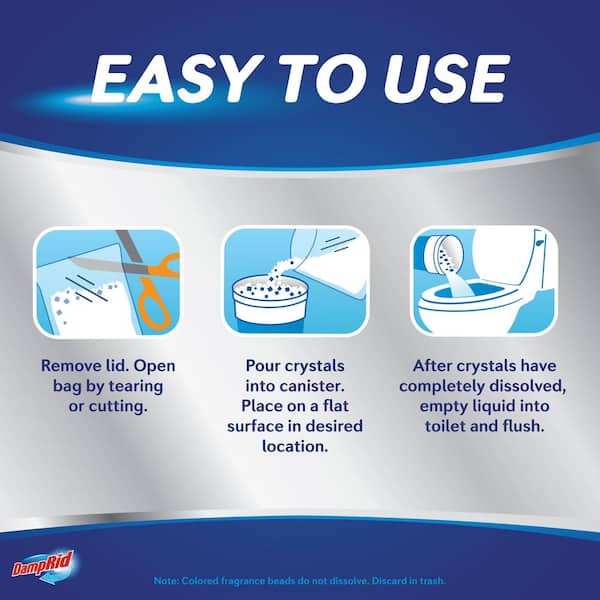
- Read the label. Most makers say the liquid brine is safe for sinks or toilets when flushed with running water.
- Protect the area. Place the container in a sink or tub in case of drips.
- Turn on cold water. Let it run at a steady flow.
- Pour slowly. Aim the stream into the water, not onto the bowl or sink surface.
- Rinse the container. Fill with water, swirl, and pour it out again.
- Wash your hands. Wipe any splashes right away with lots of water.
- For big volumes, split it. Do two or three rounds with more water between pours.
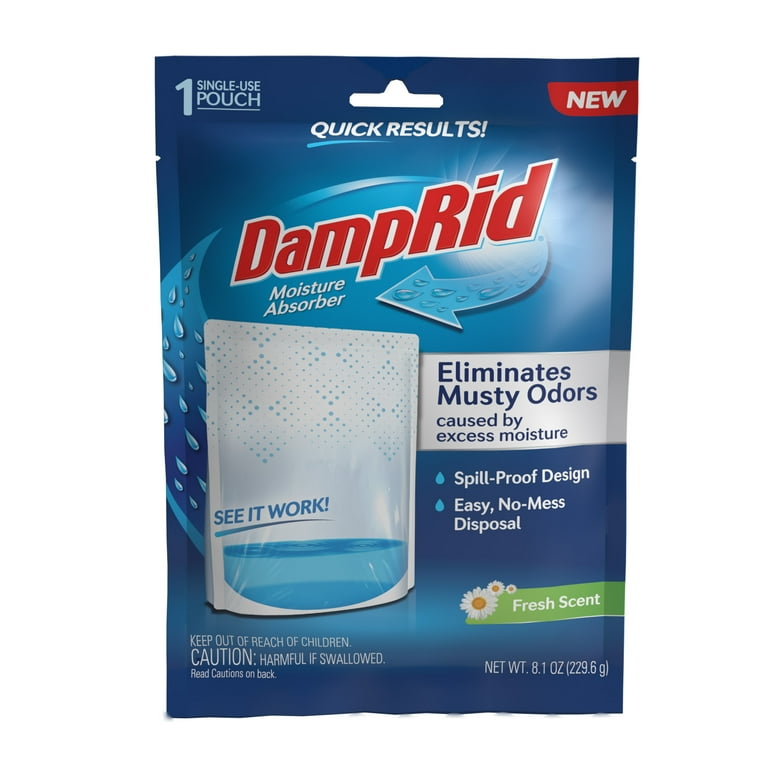
When disposing of moisture absorber liquid from a hanging bag, snip a corner over the running sink or toilet, then discard the empty bag. When disposing of moisture absorber liquid from a reusable tub, rinse the reservoir before you reload new crystals.
Septic systems vs municipal drains: key differences
If you’re on a city sewer, small household amounts are fine with lots of water. If you’re on a septic system, brine is still acceptable in small batches, but spread out the pours. Run water longer than you think you need. If you fill many containers at once, pause between pours. When disposing of moisture absorber liquid on septic, big, sudden salt loads can stress tank microbes, so go slow.

What not to do when disposing of moisture absorber liquid
- Do not pour into storm drains. Those lead straight to streams and lakes.
- Do not dump outside on soil or plants. The salt can burn roots and ruin lawns.
- Do not pour onto concrete, marble, or wood. It can stain, spall, or warp surfaces.
- Do not mix with cleaners, bleach, or acids. You don’t need a reaction here—just dilution with water.
- Do not leave on metal surfaces. It can trigger rust fast.
These rules keep you safe and also make disposing of moisture absorber liquid simple and compliant.

Spill cleanup and stain prevention
If it spills, flush the spot with plenty of cool water right away. For hard floors, wipe, rinse, and dry. For wood or stone, rinse fast and blot dry to prevent marks. For fabric, rinse with cold water, then wash as usual. Keep a towel handy when disposing of moisture absorber liquid to catch drips before they reach grout or seams.
Container and refill disposal
Empty plastic tubs are often recyclable if they’re clean and unlined. Check your local rules. Used hanging bags or liners go in the trash once drained. Don’t recycle soft liners or mixed-material packs. If crystals remain, dissolve them with water and dispose down the drain with lots of water. When disposing of moisture absorber liquid and its packaging, read the product label and the safety data sheet for any brand-specific steps.
Eco-friendly ways to reduce how often you need to dispose
Use a dehumidifier to control humidity at the source. Vent rooms, run exhaust fans, and seal leaks. Try reusable desiccants like silica gel canisters you can recharge in the oven. Activated charcoal or baking soda can help in small spaces. These habits cut how often you’re disposing of moisture absorber liquid and save money over time.

Brand directions and SDS: how to read them fast
Look for disposal guidance on the label. Most will say the liquid is a salt solution safe for drains with water. The safety data sheet confirms hazards, first aid, and handling tips. It also notes surface risks and incompatibilities. If you’re ever unsure about disposing of moisture absorber liquid, contact the maker’s customer care line. They can verify steps for your exact product.
Signs you need a different moisture control method
If you’re refilling tubs every week, humidity is too high. Aim for 40–50% indoor humidity with a dehumidifier or better ventilation. If mold appears, skip passive products and fix the source right away. If disposing of moisture absorber liquid feels endless, it’s time to go bigger than crystals.
Frequently Asked Questions of disposing of moisture absorber liquid
Is moisture absorber liquid toxic?
Most calcium chloride brine is not highly toxic, but it can irritate skin and eyes. Avoid contact and rinse well if you spill.
Can I pour it down the sink or toilet?
Yes, for household amounts. Run cool water before, during, and after the pour to dilute it.
Is it safe for septic systems?
Yes in small amounts. Pour in batches, and run plenty of water between pours to protect tank bacteria.
Can I dump it outside or on my driveway?
No. It can harm plants, stain concrete, and corrode metal. Always use indoor drains with running water.
What if I have a scented or perfumed version?
Treat it the same way. Scent additives are minimal, but still use lots of water and avoid mixing with cleaners.
What do I do with leftover crystals?
Dissolve them with water and drain with more water, or reload them into the container as directed. Keep them away from metal and wood.
Does silica gel create liquid like calcium chloride?
No. Silica gel traps moisture without forming a brine. It’s often reusable by drying in the oven.
Conclusion
Disposing of moisture absorber liquid is simple: use a sink or toilet with running water, pour slowly, and protect your surfaces. Avoid storm drains, outdoor dumping, and mixing with cleaners. If you’re draining tubs often, fix the humidity source and consider a dehumidifier.
Take five minutes today to check labels, plan your pour, and set up better airflow. You’ll save time, money, and a few headaches. Want more practical home care guides like this? Subscribe for updates or drop your questions in the comments—I’m happy to help.