

Absorbers cost $5–$20 per room monthly; dehumidifiers $150–$300 plus power.
If you want a clear answer on the cost of moisture absorbers vs dehumidifier, you’re in the right place. I test gear for damp spaces and help homeowners fix humidity for good. In this guide, I break down the numbers, show real examples, and share what actually works. You’ll see when a cheap absorber saves money and when a dehumidifier pays for itself fast.
What each option does, and when it makes sense
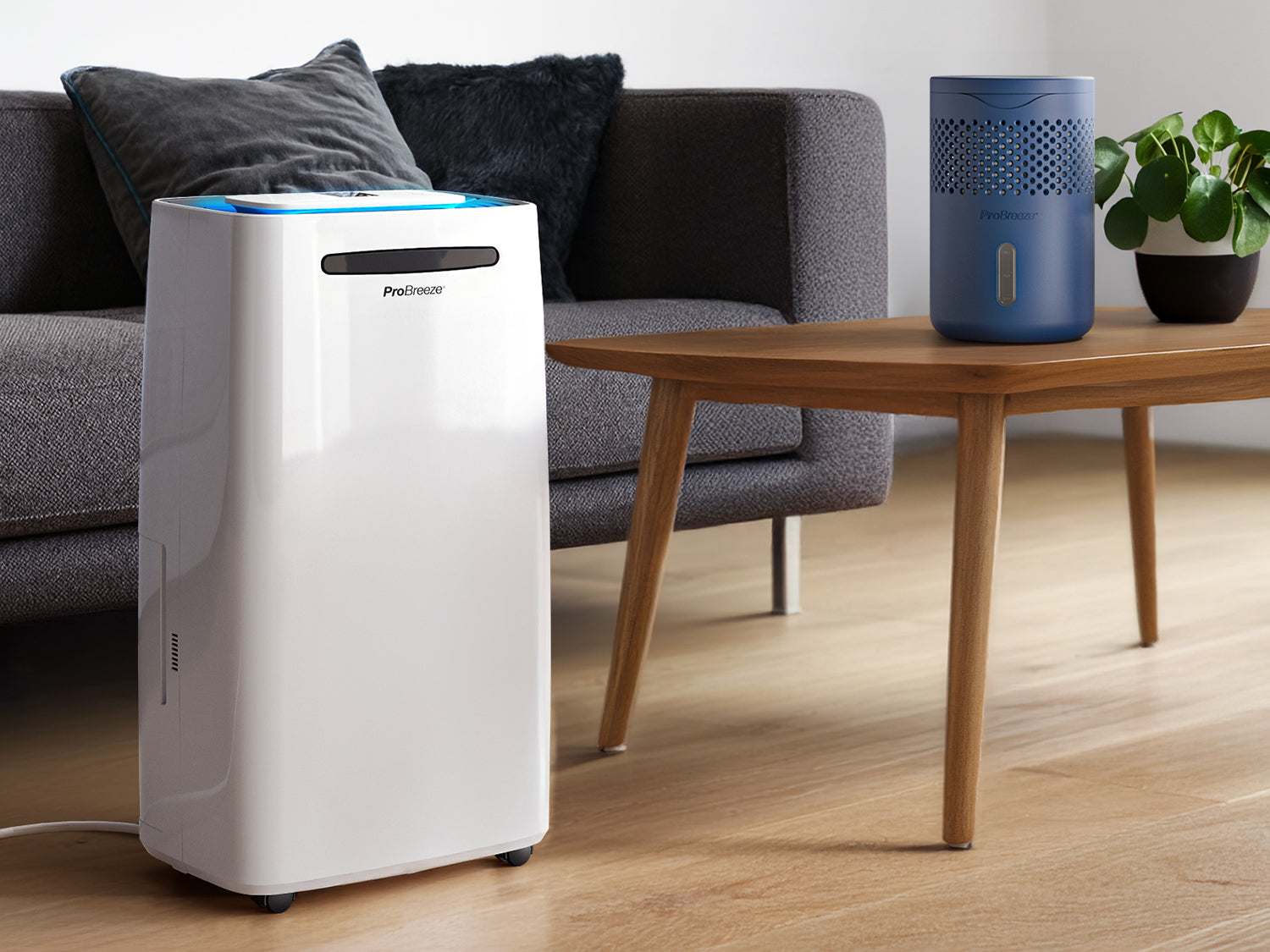
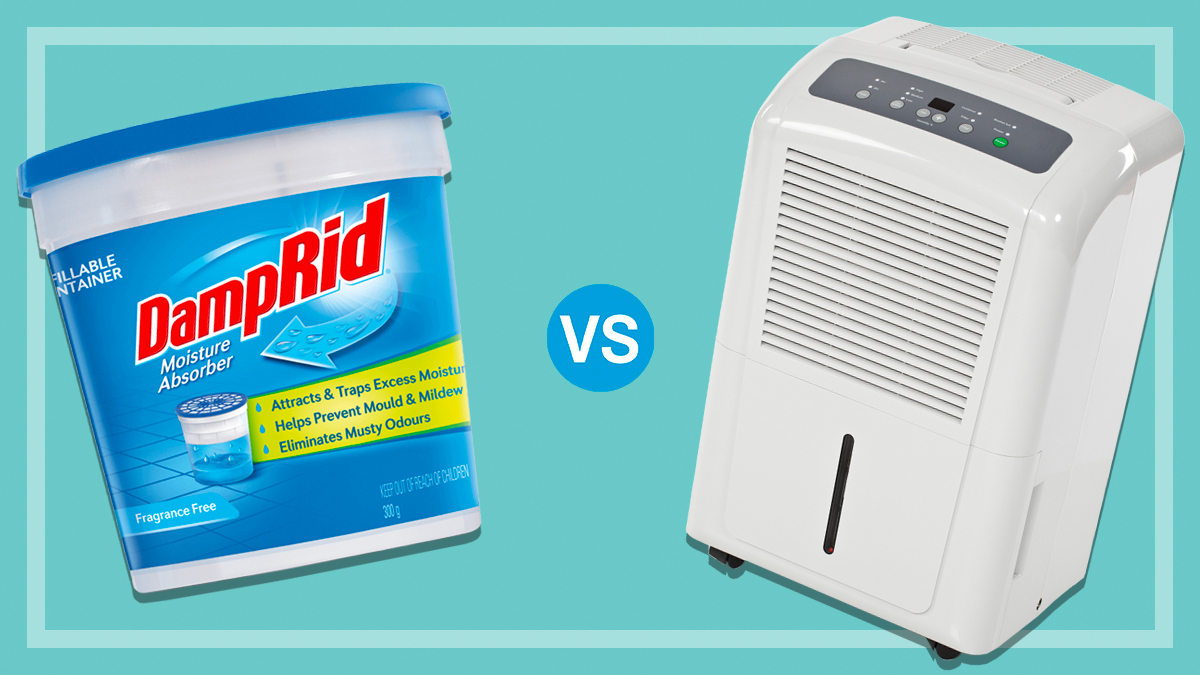
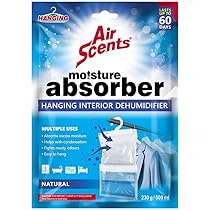
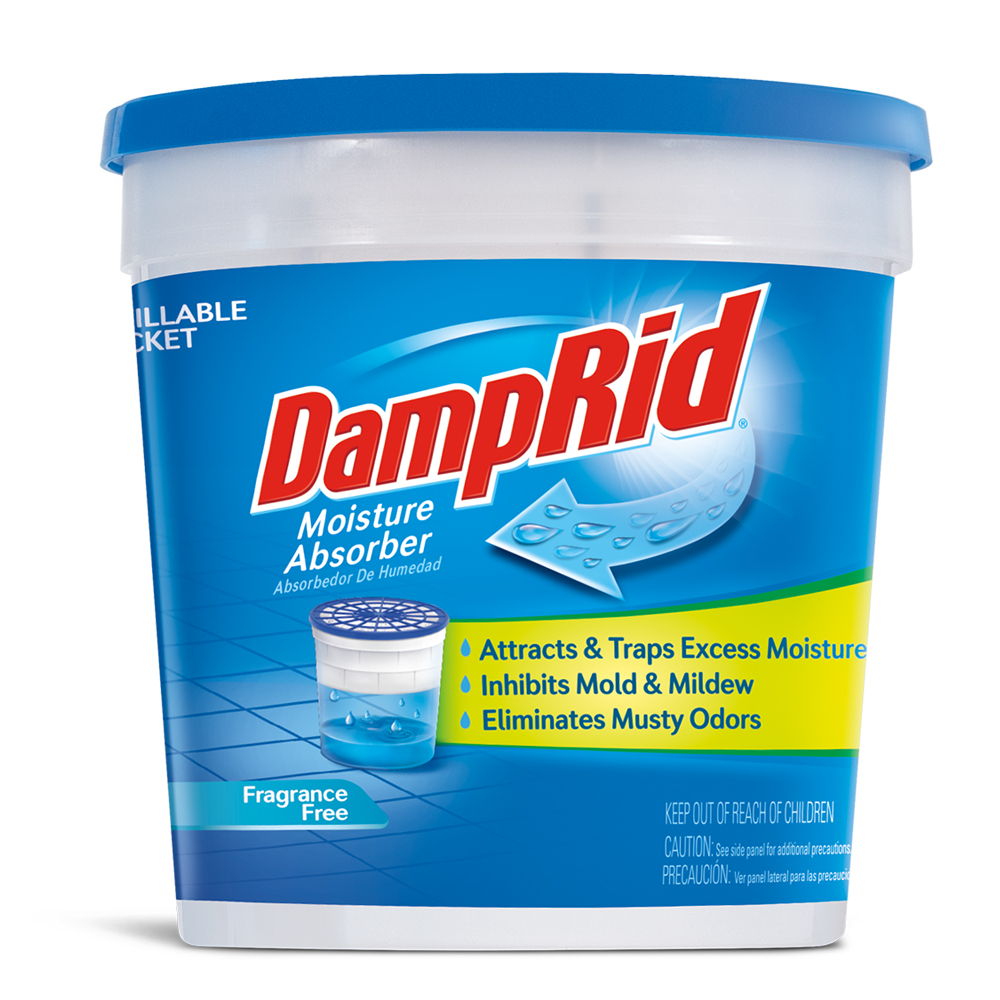
Moisture absorbers are passive. They use salts or crystals to pull water from air in a small area. They shine in tight spots like closets, under sinks, gun safes, and storage bins.
Dehumidifiers are active machines. They pull air over cold coils and drain water into a tank or hose. They fit rooms, basements, garages, and whole apartments.
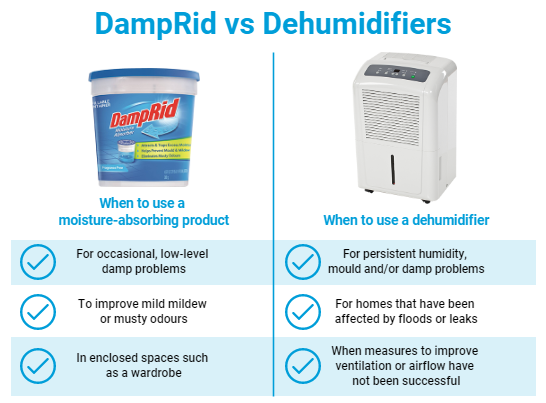
Here is the simple rule I use:
- Use absorbers for small, closed spaces, light damp, short-term needs.
- Use dehumidifiers for rooms, basements, high humidity, ongoing control.
This is the heart of the cost of moisture absorbers vs dehumidifier. Each tool has a sweet spot. Pick the one that fits your space and your budget.
Breaking down the cost of moisture absorbers vs dehumidifier
Let’s map the typical costs you can expect.
Upfront cost
- Moisture absorbers: $5 to $20 per canister or bag.
- Dehumidifiers: $150 to $300 for a 20 to 35 pint home unit. $300 to $800 for larger or commercial units.
Ongoing cost
- Moisture absorbers: Replace every 1 to 3 months. $5 to $15 each time, per small space.
- Dehumidifiers: Power use of 200 to 600 watts while running. At $0.15 per kWh, that is about $0.03 to $0.09 per hour. Filters $10 to $30 per year.
Lifespan
- Moisture absorbers: Single use. You keep buying more.
- Dehumidifiers: 4 to 8 years if cared for. Some last longer with good cleaning.
Hidden cost
- Moisture absorbers: You may need many canisters for a large room. That adds up.
- Dehumidifiers: Tank emptying time, or a drain hose install. A pump add-on may cost extra.
This section is the base of the cost of moisture absorbers vs dehumidifier comparison. You have low entry cost with absorbers, and higher entry cost with a dehumidifier but lower long-term cost in many cases.
Real-life math: cost of moisture absorbers vs dehumidifier by room type
Here are quick, real numbers using an average power rate of $0.15 per kWh.
Small closet, mild damp
- Absorber: One $10 canister changed every 2 months. About $60 per year.
- Dehumidifier: Not ideal. Even a mini unit costs $50 to $80 and still uses power. Absorber wins.
Apartment bedroom, 120 sq ft, summer humidity
- Absorbers: Three $10 canisters monthly. About $360 per season if you run 3 months, more if longer.
- Dehumidifier: A 20 to 30 pint unit at 300 watts, 8 hours per day for 90 days. 0.3 kW x 8 x 90 x $0.15 = about $32 in power. Add $200 upfront split over 5 years, about $40 per year. Total around $72 the first season. Dehumidifier wins.
Basement, 700 sq ft, very damp
- Absorbers: You would need 8 to 12 canisters and still not control RH. Could be $80 to $120 per month and still not solve the issue. Not viable.
- Dehumidifier: A 35 to 50 pint unit at 500 watts, 10 hours per day for 5 months. 0.5 kW x 10 x 150 x $0.15 = $112 in power. Add $300 upfront spread over 5 years, $60 per year. Around $172 per year. Dehumidifier wins by a mile.
RV or boat in storage
- Absorbers: Two $15 calcium chloride tubs for 4 months. About $30 to $60 total. Good choice for sealed spaces.
- Dehumidifier: Needs power and airflow. Often not practical in storage. Absorber wins.
These examples show the real cost of moisture absorbers vs dehumidifier. In small, sealed spots, absorbers are cheap and easy. In rooms and basements, a dehumidifier is cheaper over the season and far better at control.

Performance per dollar: cost of moisture absorbers vs dehumidifier
Absorbers
- Typical capacity is a few ounces to a few cups of water over weeks.
- They do not reduce humidity fast. They are best for odor control and slow damp.
Dehumidifiers
- A 20 to 50 pint unit can pull 2 to 6 gallons per day.
- You can hit the target of 30 to 50 percent RH fast and keep it there.
When you weigh the cost of moisture absorbers vs dehumidifier, think about speed and volume. If you need a big drop in moisture, a dehumidifier delivers more water removal per dollar spent.
Health, mold, and property protection
Mold growth speeds up above 60 percent RH. Guidance from building and health experts sets 30 to 50 percent RH as the safe zone. If your space lives above 60 percent RH, an absorber cannot hold it down in most rooms.
Here is the risk math behind the cost of moisture absorbers vs dehumidifier:
- Absorbers may delay odors and surface damp. They are not a cure for wet basements.
- A dehumidifier cuts the risk of mold, rust, swollen floors, and peeling paint.
Protecting the shell of the home is a cost too. One swollen hardwood repair can cost more than a dehumidifier.

Noise, energy, and environmental footprint
Noise
- Absorbers are silent.
- Dehumidifiers make 45 to 55 dB, like a quiet fan.
Energy
- Absorbers use no power but need refills.
- Dehumidifiers use power, but Energy Star units are efficient and remove more water per kWh.
Waste
- Absorbers create plastic and brine waste. You throw away canisters.
- Dehumidifiers last years. You wash a filter. Less waste over time.
For some folks, the quiet use case helps absorbers. But the broader cost of moisture absorbers vs dehumidifier also includes waste and energy use. A right-sized, efficient dehumidifier often has the lower footprint over years.

My hands-on lessons learned
I have tested both in my own home and for clients.
- In a hall closet that smelled musty, one absorber solved it in a week. Cheap and easy.
- In a 600 sq ft basement with a sump pit, absorbers did nothing. A 50 pint unit with a hose dropped RH from 72 percent to 48 percent in one day.
- In a tenant bedroom, three absorbers per month cost more than running a small dehumidifier. The tenant slept better too.
So, when I judge the cost of moisture absorbers vs dehumidifier, I start with the volume of air and the source of moisture. If the space is open and damp, I go straight to a dehumidifier.

How to choose: a quick decision framework
Ask these simple questions.
- Is the space smaller than a closet or sealed storage? If yes, try an absorber.
- Is RH over 60 percent for more than a few hours a day? If yes, use a dehumidifier.
- Is the damp seasonal or due to a leak? Fix leaks first, then size a unit.
- Do you need fast results for allergy or mold risk? Pick a dehumidifier.
This framework keeps the cost of moisture absorbers vs dehumidifier clear. Match the tool to the load, not just the price tag.
Sizing and estimating cost for your space
Step 1: Measure or estimate relative humidity
- Use a $10 hygrometer. Place it at chest height. Check morning and evening.
Step 2: Size the unit
- If RH is 55 percent or less in a small space, an absorber can work.
- For rooms 100 to 500 sq ft, start at 20 to 35 pint rated units.
- For basements 500 to 1,200 sq ft, look at 35 to 50 pint units.
Step 3: Estimate power cost
- Multiply unit watts by hours per day by days by $ per kWh.
- Example: 300 watts x 6 hours x 120 days x $0.15 ≈ $32.40.
Step 4: Compare to absorber refills
- Count how many canisters you would need for that same period.
- If absorber cost is higher and RH goal is strict, pick the dehumidifier.
This simple path makes the cost of moisture absorbers vs dehumidifier easy to see on paper before you buy.
Common mistakes and how to avoid extra costs
Avoid these traps to save money.
- Using absorbers in open rooms. They will not control RH and you keep buying more.
- Buying an undersized dehumidifier. It will run longer and still miss the target.
- Skipping maintenance. Dirty filters and coils raise power use and shorten life.
- Ignoring airflow. Keep 12 inches around the unit and doors open for even drying.
- Not draining the tank. Use a hose to a drain so it can run as needed.
Fixing these habits changes the total cost of moisture absorbers vs dehumidifier and keeps your space dry without waste.
Frequently Asked Questions of cost of moisture absorbers vs dehumidifier
Are moisture absorbers safe to use around kids and pets?
Most are safe when used as directed, but the salts can irritate skin and eyes. Keep them sealed, upright, and out of reach.
Will a dehumidifier raise my electric bill a lot?
Usually not. A small home unit often costs less than a dime per hour to run, and you can use a humidistat to limit runtime.
Can moisture absorbers remove mold that is already there?
No. They can reduce damp and odor, but mold on surfaces needs cleaning and the source of moisture must be fixed.
How long should a dehumidifier last?
With regular filter cleaning and good airflow, many last 4 to 8 years. Draining by hose instead of using the tank can help the motor cycle less.
Do I need a dehumidifier in winter?
If you heat your home, indoor air is often dry in winter. Basements can still be damp, so check a hygrometer and run the unit only if RH stays above 50 to 55 percent.
Are desiccant dehumidifiers better than compressor models?
Desiccant models work better at lower temperatures and can be quieter. Compressor units are usually more efficient in warm rooms and remove more water per dollar.
Can I use both absorbers and a dehumidifier?
Yes. Use a dehumidifier for the room and place an absorber inside a closed cabinet or safe. This targets small pockets of damp.
Conclusion
You now have the facts and the math to pick the right tool. In small, closed spaces, absorbers are cheap and simple. In rooms and basements, a right-sized dehumidifier controls humidity better and often costs less across a season. That is the real story behind the cost of moisture absorbers vs dehumidifier.
Set a clear RH goal, measure your space, and run the numbers. Start with the quick framework above and make the choice that protects your health and your home. Ready to go deeper? Check out more guides, subscribe for tips, or drop a comment with your room size and I will help you run the math.