

In compact vs jumbo moisture traps, compact fit tight spots; jumbo tackle heavy dampness.
If you want a clear guide to compact vs jumbo moisture traps, you are in the right place. I work with moisture control in homes, RVs, and storage units. I will break down how each trap works, when to choose one over the other, and what your wallet can expect. You will get real examples, smart sizing tips, and easy math to help you decide with confidence.

What is a moisture trap and how does it work?
A moisture trap pulls water from the air. Most use salts like calcium chloride or beads like silica gel. The salt or gel holds water until you empty or replace it.
The goal is simple. Reduce damp air to stop mold, musty smells, and rust. In compact vs jumbo moisture traps, both do this. The main difference is size, capacity, and refill rate.
Most home traps are passive. They need no power. They work best in closed spaces with steady air flow. Warmer air often speeds up absorption.

Compact vs jumbo moisture traps: key differences at a glance
Compact vs jumbo moisture traps differ in size, reach, and upkeep. Compact units suit tight spaces. Jumbo units work in bigger rooms or tough damp zones.
Use these points to compare:
- Size and footprint: Compact units are small and easy to hide. Jumbo units take more shelf or floor space.
- Capacity: Compact units hold less water. Jumbo units hold more and last longer between refills.
- Area coverage: Compact units work in drawers, closets, and RV cabinets. Jumbo units handle basements, garages, and boats.
- Refill and cost: Compact refills are cheap per pack but need more swaps. Jumbo refills cost more up front but less per ounce of water removed.
- Mess control: Jumbo trays need careful handling to avoid spills. Compact cartridges are simpler to swap.
In compact vs jumbo moisture traps, think about space size and moisture level first. Then weigh effort and cost.

When to choose compact moisture traps
Compact vs jumbo moisture traps is not one-size-fits-all. Compact shines in small, sealed places. It is great when you value discreet and low-fuss.
Good fits for compact units:
- Closets with seasonal clothes
- Gun safes, camera cases, and toolboxes
- Pantries and under-sink cabinets
- RV closets and boat cabins
- Storage bins and shoe boxes
From my field work, compact traps excel when you have mild damp and want quick setup. They are quiet and cheap. They are also handy to place near specific items you need to protect.

When to choose jumbo moisture traps
Jumbo units win when you fight heavy damp. They can pull more water and do it longer. This cuts down on your refill time.
Good fits for jumbo units:
- Basements and crawl spaces
- Garages and workshops
- Laundry rooms with poor venting
- Boats in off-season storage
- Vacant rentals and flip homes
In compact vs jumbo moisture traps, jumbo is my pick for basements after storms. The larger salt bed helps keep odors down and slows mold spread until you can add airflow or a powered dehumidifier.

Performance factors that matter
Capacity and media type vary by brand. The science is simple. Calcium chloride can absorb several times its weight in water. Silica gel holds about one-fifth to two-fifths of its weight. Warmer air and higher humidity mean faster water pull.
Key factors:
- Media type: Calcium chloride is strong for high humidity. Silica gel is better for delicate gear.
- Airflow: Place traps where air moves. Avoid blocking vents or corners with dead air.
- Temperature: Warmer rooms help the trap work faster.
- Room tightness: Sealed spaces are easier to control. Drafty rooms need more capacity.
- Spill risk: Jumbo trays hold more liquid brine. Keep them stable and away from kids and pets.
Compact vs jumbo moisture traps will both underperform if the door is open all day. Keep spaces closed when you can.
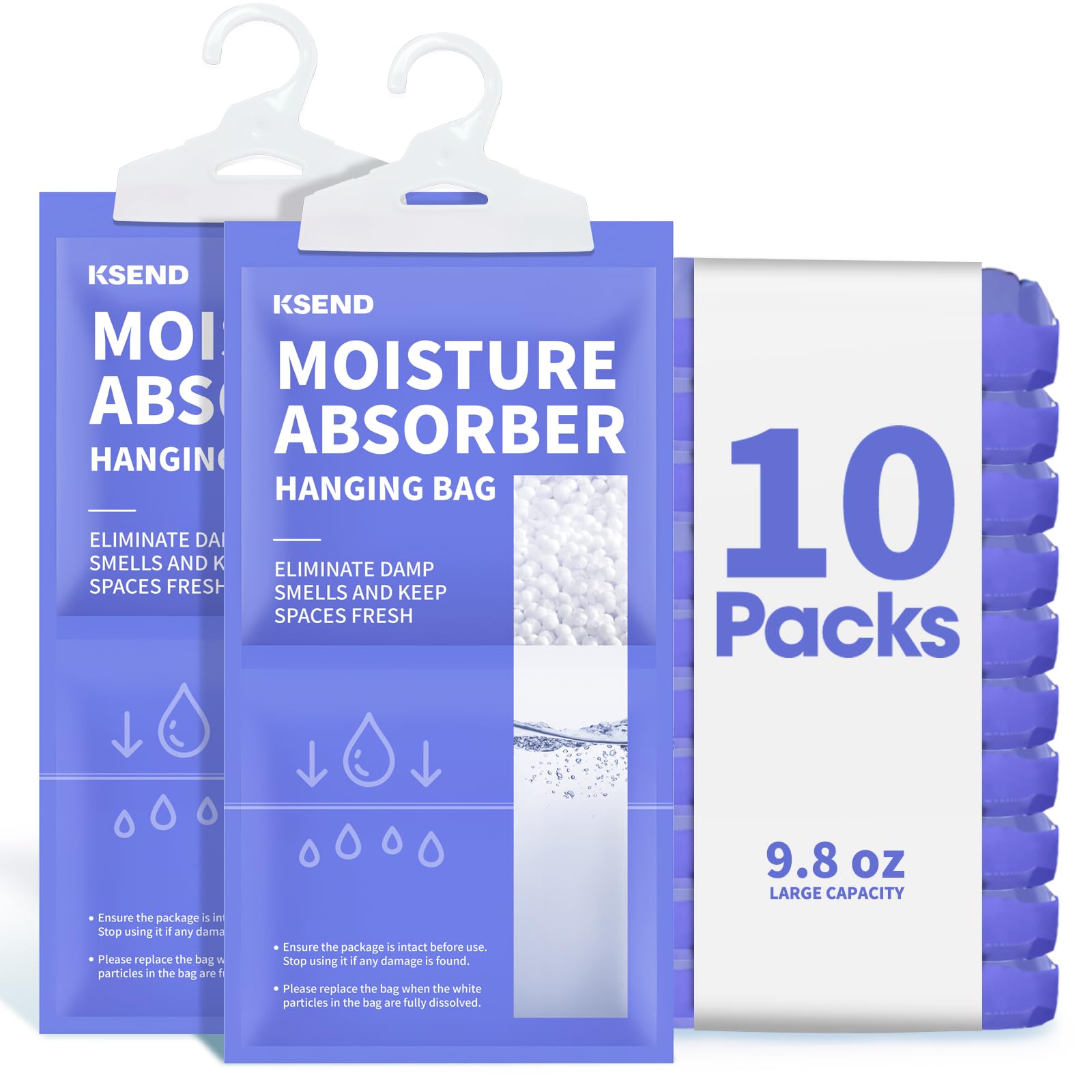
Cost of ownership: simple math
Let’s do easy math. Say a compact unit removes 8 ounces of water per refill and costs 4 dollars. That is 0.50 dollars per ounce removed. A jumbo unit removes 64 ounces and costs 12 dollars. That is 0.19 dollars per ounce.
If your area is very damp, jumbo saves money and time. If your area is only a bit damp, compact may be enough. Compact vs jumbo moisture traps cost depends on how wet the space is.
Also consider time. I once swapped four compact trays in a basement every week after a roof leak. One jumbo tray cut swaps to once every two weeks. That saved time and trips.

Safety, odor, and maintenance tips
Most salts are safe when used right. But calcium chloride brine can be corrosive. Do not spill it on metal, wood, or fabric. Keep away from kids and pets.
Use these tips:
- Keep traps upright and on a tray or shelf liner.
- Empty liquid in a sink with running water if the label allows. Rinse the container.
- Wear gloves if you have sensitive skin.
- For odor control, add airflow or charcoal packs. Traps do not remove all smells alone.
- Check labels. Some traps are for single use. Others are refillable.
In compact vs jumbo moisture traps, jumbo spills are bigger risks. Place them low and stable.

Real-world scenarios and what I learned
I tested compact vs jumbo moisture traps in three sites. Each taught me a lesson.
Case 1: Studio closet. A compact unit stopped mild musty smells in a week. Clothes felt dry. Refill needed once a month.
Case 2: Two-car garage near the coast. Jumbo units worked well in summer. One tray per bay kept tools rust free. Refills each three to four weeks.
Case 3: Boat cabin in winter storage. I used two compact units in each berth and one jumbo in the galley. The mix worked best. Local humidity spiked on warm days, and the jumbo picked up the slack.
Lesson learned: A mixed setup often wins. Compact vs jumbo moisture traps is not either-or. Use compact near items and jumbo for the room load.

How to size a moisture trap
Follow this quick plan. It is simple and works for most homes.
Step 1: Check space size and damp signs. Measure square feet. Note smells, condensation, or mold spots.
Step 2: Pick media. Calcium chloride for heavy damp. Silica gel for valuables.
Step 3: Start with capacity. For small spaces up to 100 square feet, use one compact. For 100 to 300 square feet, try one jumbo or two compacts. For larger rooms, use two jumbo units.
Step 4: Place traps well. Keep off the floor if it floods. Allow air to flow around the unit.
Step 5: Track results for two weeks. If you still see damp, add one more unit.
This method makes compact vs jumbo moisture traps easy to test and tune. Small steps beat guesswork.
Alternatives and complements to moisture traps
Moisture traps are part of a plan. They are not magic. Pair them with other tools for best results.
Options to consider:
- Powered dehumidifiers for big rooms or severe damp
- Vent fans in baths and laundry rooms
- Weather seals for doors and windows
- Vapor barriers in crawl spaces
- Silica gel packs inside gear cases
I often start with traps to buy time. Then I add venting or a dehumidifier. Compact vs jumbo moisture traps work best when the source of moisture is also managed.
Buying checklist: what to look for
Use this list when you shop. It will save you returns and hassle.
- Media clarity: Calcium chloride for high humidity. Silica gel for gear and cases.
- Capacity per refill: Higher is better for jumbo. Check ounces or grams.
- Leak protection: Look for sturdy trays and lock-in cartridges.
- Refill cost: Compare price per ounce of water removed.
- Placement options: Hooks, slim designs, or floor trays based on your space.
This checklist makes compact vs jumbo moisture traps simple to compare. Stick to facts on capacity and cost.
Frequently Asked Questions of compact vs jumbo moisture traps
What is the main difference between compact and jumbo traps?
Compact traps are small and fit tight spaces. Jumbo traps cover larger areas and hold more water.
Do moisture traps remove odors?
They reduce musty smells by cutting humidity. For strong odors, add airflow or a carbon deodorizer.
How long does a trap last before refilling?
It depends on humidity and size. Compact may last weeks, while jumbo can last a month or more.
Are moisture traps safe around pets and kids?
Keep them out of reach. The collected liquid can be irritating if spilled or touched.
Can I use both compact and jumbo together?
Yes. Use compact near items and jumbo for the room. This balanced setup works very well.
Will a moisture trap fix a leak?
No. It controls humidity but does not stop water entry. Fix leaks and improve drainage first.
Are silica gel traps better than calcium chloride?
Silica gel is gentle for gear and small cases. Calcium chloride is stronger for high humidity rooms.
Conclusion
Compact vs jumbo moisture traps comes down to space, moisture load, and effort. Compact units are ideal for closets, safes, and small cases. Jumbo units shine in basements, garages, and boats where damp hits hard.
Pick the size that matches your space, then test and tune. Start small, watch results, and scale up if needed. You will save time, protect your stuff, and spend less over the long run.
Ready to choose your setup? Compare capacity, refill cost, and placement today. Subscribe for more home care guides or drop your questions in the comments.