

Closet absorbers handle bigger spaces; drawer absorbers work best in tight, closed spots.
If you’re weighing closet absorber vs drawer absorber, you’re in the right place. I’ve tested both in real homes, from humid apartments to beach rentals. I’ll break down what works, what fails, and how to get dry, fresh storage with little fuss. Stick around for clear answers, simple steps, and real-life tips on closet absorber vs drawer absorber.
Understanding moisture in closets and drawers
Humidity sneaks into small spaces. Warm air holds water. When it cools, that water condenses on fabric, leather, and paper. That is why sweaters smell musty and shoes spot with mold.
For storage, aim for indoor humidity near 30–50 percent. That range helps stop mold and dust mites. In my tests, a tiny spike above 60 percent in a closet can set off a chain of trouble. Drawer air is tighter, so a small desiccant can keep it stable for weeks. Choosing closet absorber vs drawer absorber starts with the space size and how sealed it is.

Closet absorber vs drawer absorber: what they are
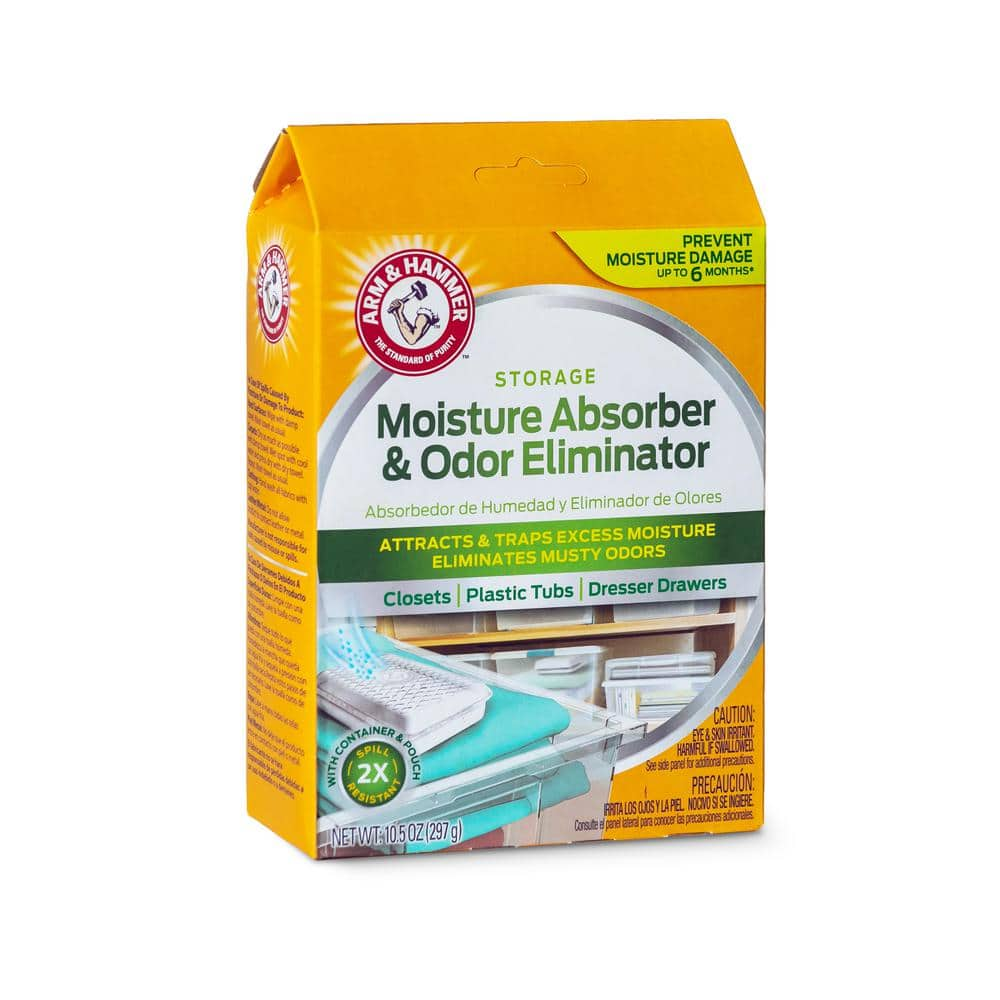
Closet absorbers are made for bigger, semi-sealed spaces. Common options include hanging bags, tub-style units, and canisters. They pull in moisture from shoes, coats, and linens.
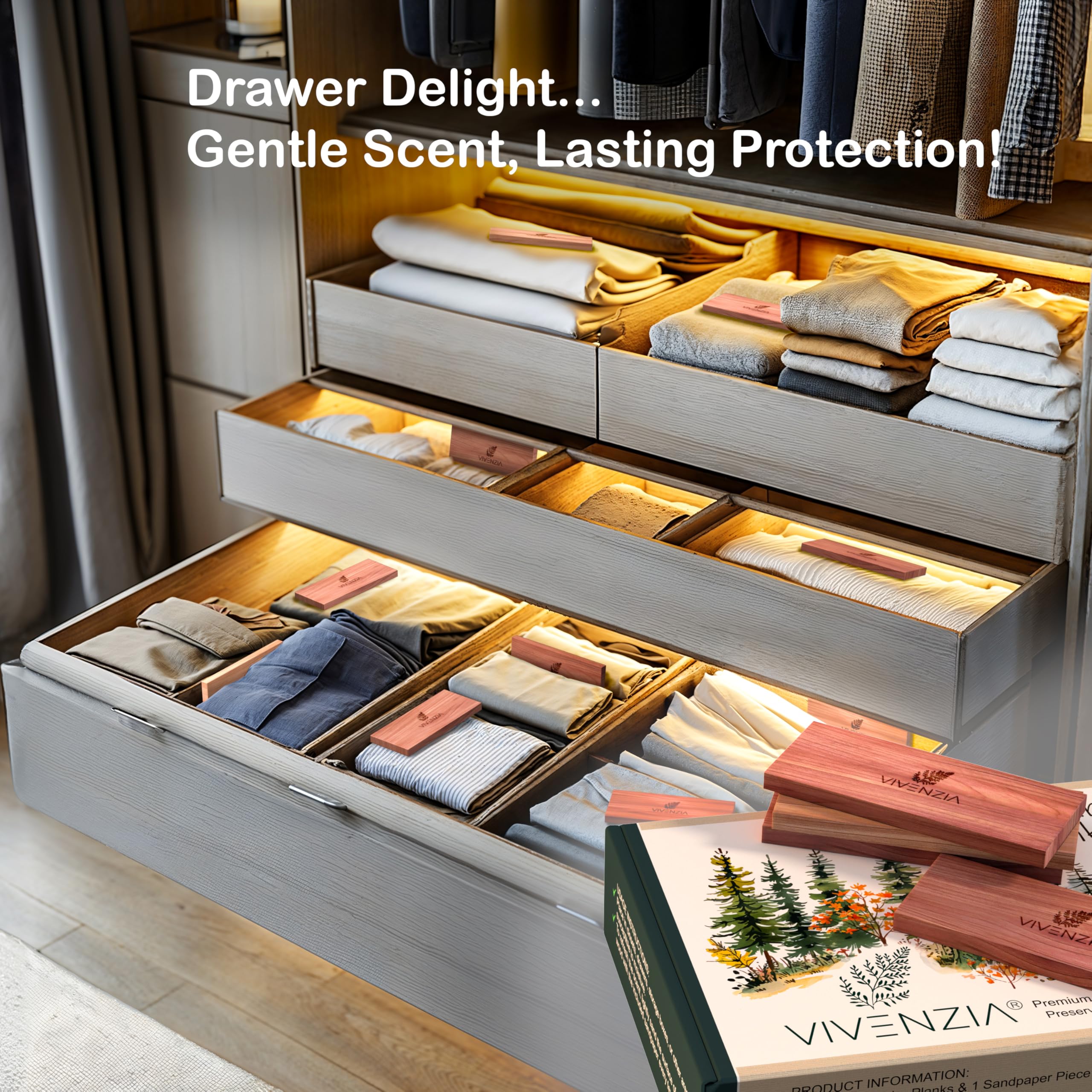
Drawer absorbers are small packets or pucks. They slip into tight spaces and pull moisture close to the source. Think silica gel sachets, mini charcoal bags, or compact clay packs.
When people compare closet absorber vs drawer absorber, they often overlook the air volume. Closets have more air to treat, so they need higher capacity. Drawers need precise control in a small box. Using the right type for the right space is half the battle.

Key differences you should know
- Capacity: Closet units hold more and often form liquid brine. Drawer units hold less and stay solid.
- Placement: Closet units hang or sit on shelves. Drawer units tuck beside fabric without bulk.
- Refill cycle: Closet tubs fill fast in damp months. Drawer packs can last longer due to less air volume.
- Spill risk: Calcium chloride closet tubs can leak if tipped. Drawer packets are safer inside small spaces.
- Odor control: Charcoal helps with smells. For closets, you may need multiple bags spread out.
In short, closet absorber vs drawer absorber comes down to scale, safety, and swap-out time.
The materials: how each works
Not all absorbers work the same. Knowing the material helps you choose.
- Calcium chloride: Very strong. It absorbs water and turns to liquid. Best for closets and laundry rooms. Needs a drip-proof design and careful disposal.
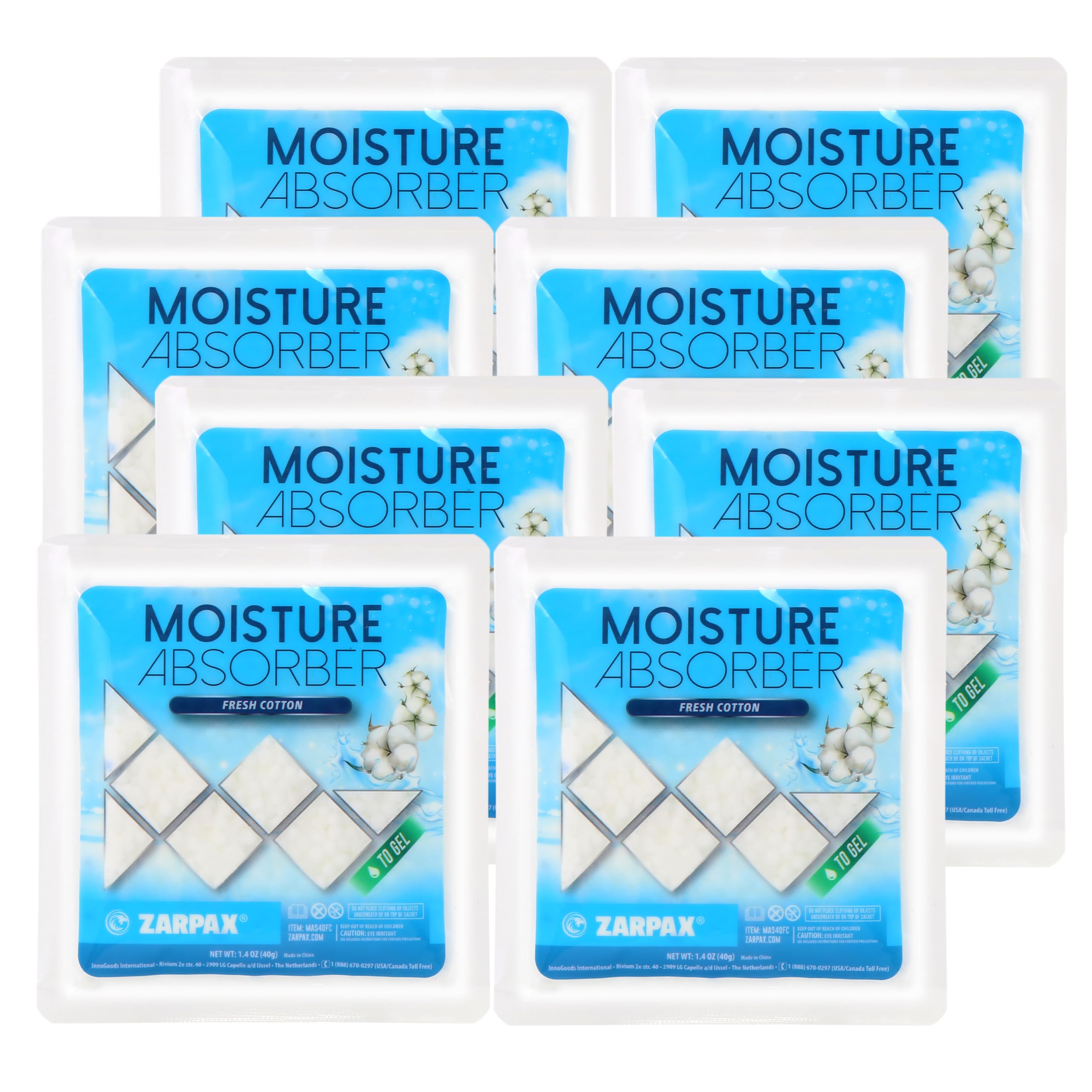
- Silica gel: Adsorbs water on its surface. Great for drawers, dressers, photos, and tools. Many types can be recharged by gentle heat, as the label allows.
- Activated charcoal (bamboo): Helps with odor and some moisture. Ideal for shoes, gym drawers, and small boxes. Often reusable by sun-drying.
- Clay or bentonite: Mild and steady. Good for drawers with papers and fabric. Lower capacity than silica gel.
- Molecular sieve: Very strong and fast. Common in gear cases and pro use. Can be overkill for casual home drawers.
If you are torn on closet absorber vs drawer absorber, match power to space. Big space, high capacity. Small space, precise control.

Choosing based on real-life use
Here is how I match solutions after years of trial and error.
- Winter coats in a walk-in closet: Use a calcium chloride hanging bag near the door and a tub on the floor. Add two charcoal bags for odor control.
- Linen closet with towels: Use one tub per shelf span. Swap refills monthly in humid seasons.
- Dresser drawers with wool: Use two silica gel packs per drawer corner. Recharge as needed.
- Shoes and handbags: Place a small charcoal bag in each item. Add a silica gel pack for leather.
- RV or boat cabin closets: Use spill-proof tubs and anchor them. Add drawer sachets for small cubbies.
Each setup turns the closet absorber vs drawer absorber choice into a simple plan. The closet gets capacity. The drawer gets precision.

Setup and maintenance tips that work
- Start dry: Wash and dry fabrics fully. Absorbers work best when you start from a dry base.
- Place smart: Keep closet units a few inches from walls for airflow. Put drawer packs in two corners.
- Track humidity: Use a tiny hygrometer. Swap or recharge when it rises past 55 percent.
- Rotate and refresh: Sun-dry charcoal bags monthly. For silica gel, recharge only as the label allows.
- Prevent spills: Keep calcium chloride tubs upright. Empty brine per instructions. Use trays if you have pets or kids.
This is where closet absorber vs drawer absorber blends. Good placement and upkeep matter more than brand names.

Cost, lifespan, and eco impact
- Upfront cost: Drawer packs can be very cheap per piece. Closet units cost more but treat more air.
- Lifespan: Silica gel and charcoal can last months and be reused. Calcium chloride works fast but needs frequent refills in damp months.
- Long-term value: For very damp homes, closet tubs pay off by stopping damage. For normal homes, reusable drawer packs win.
- Eco notes: Refillable tubs reduce plastic waste. Charcoal contents can often be composted. Choose fragrance-free options if you are sensitive.
When you compare closet absorber vs drawer absorber, think total cost over a season. Balance purchase price, refill pace, and reusability.
Troubleshooting and mistakes to avoid
- Using one small pack for a whole closet: It will saturate fast and seem “broken.” Size up.
- Ignoring airflow: A stuffed closet traps wet air. Space hangers and leave a gap at the door.
- Overfilling a drawer with packs: More is not always better. Use two to four small packs, then measure.
- Spill scares: Keep calcium chloride off wood surfaces. Use drip trays.
- Wrong material for the job: Use silica gel for photos, cameras, and fabrics. Use high-capacity calcium chloride for closets in humid seasons.
These fixes often settle the closet absorber vs drawer absorber debate. The right match ends the odor and the mold.

Frequently Asked Questions of closet absorber vs drawer absorber
Is a closet absorber stronger than a drawer absorber?
Yes. Closet absorbers handle more air and higher moisture loads. Drawer absorbers are smaller and meant for tight spaces.
Can I use a drawer absorber in a small closet?
You can, but use many packs and monitor humidity. A single packet is not enough for a closet.
How often should I replace or recharge absorbers?
Swap calcium chloride when the chamber fills. Recharge silica gel or sun-dry charcoal when humidity rises or packs feel heavy.
Are moisture absorbers safe for clothes and leather?
Yes, when used as directed. Keep calcium chloride away from direct contact, and use silica gel or charcoal near delicate items.
Do absorbers remove odors too?
Charcoal helps with smells, and drier air reduces musty odor. For strong odors, combine charcoal with a high-capacity closet absorber.
Will a dehumidifier replace absorbers?
A plug-in dehumidifier can help a whole room. You may still need absorbers inside closets and drawers where air does not move.
What if I see mold even with absorbers?
Clean the area, dry it well, and increase capacity. Add airflow and keep humidity under 50 percent.
Conclusion
Choosing between closet absorber vs drawer absorber is easy when you match power to space. Use high-capacity units for closets and compact, targeted packs for drawers. Keep placement smart, track humidity, and refresh on schedule.
Take one small step today. Put a hygrometer in your closet and a couple of silica packs in your most used drawers. If this guide helped, share it, subscribe for more home care tips, or drop your questions in the comments.