

A clay moisture absorber is a natural desiccant that reduces humidity fast.
If you want an easy, safe way to stop damp, odors, and mold, a clay moisture absorber is a smart choice. I’ve tested and used them in closets, cars, camera bags, and storage bins. In this guide, I’ll break down how a clay moisture absorber works, when it shines, when it falls short, and how to get the best results without wasting money.
What is a clay moisture absorber?
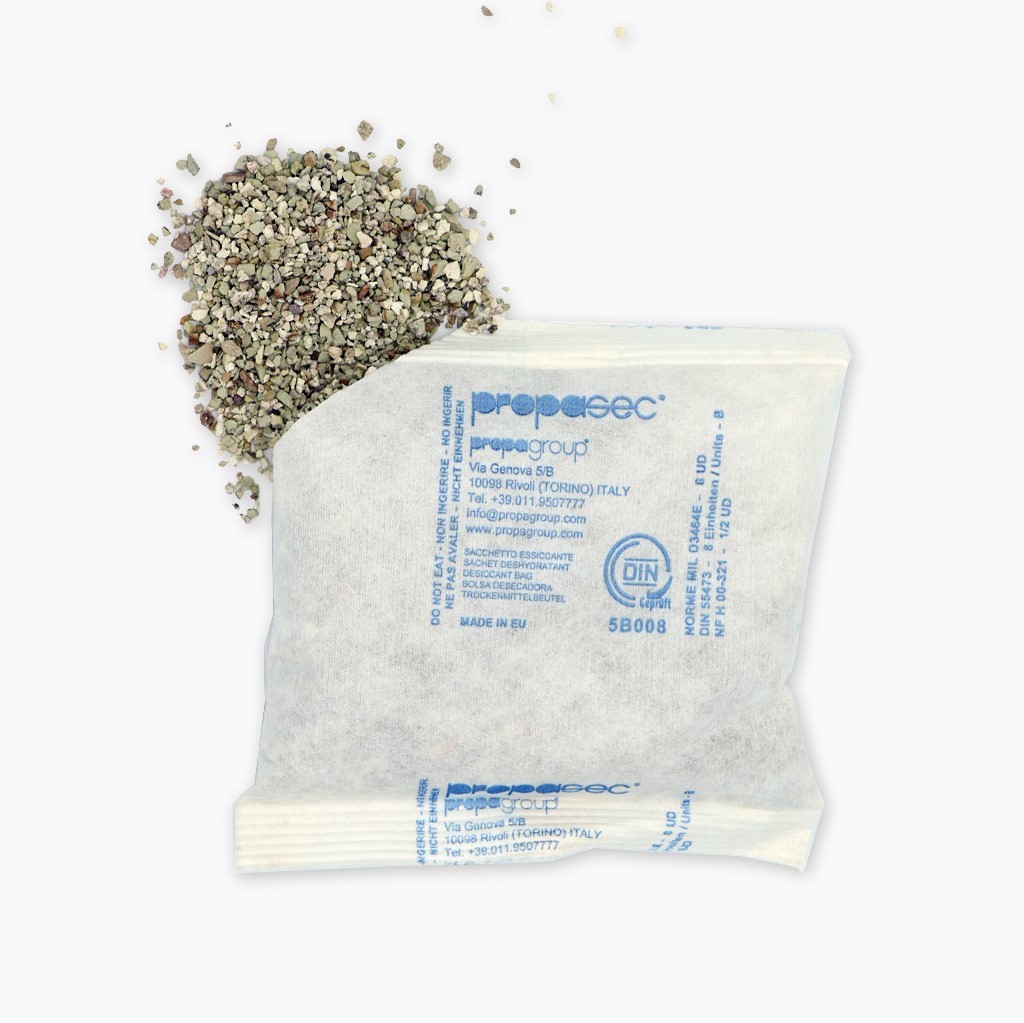
A clay moisture absorber is a pouch or canister filled with natural clay. Common clays include bentonite or montmorillonite. These clays trap water vapor from the air through adsorption. That means water sticks to the surface of the clay particles.
This type of desiccant is simple and safe. It needs no power. It is reusable in many cases. You heat it to drive off the trapped moisture, then use it again.
In my experience, a clay moisture absorber can hold about 20 to 30 percent of its weight in water. Silica gel often holds more, but clay wins on cost and eco-friendliness. It works best in small, enclosed spaces where air is still and humidity creeps up.

Benefits and best use cases
A clay moisture absorber helps reduce musty smells and moisture damage. It is non-toxic and budget-friendly. It works quietly in the background.
Great spots to use a clay moisture absorber:
- Closets and wardrobes to protect fabrics and leather
- Shoes and gym bags to cut odors and damp
- Toolboxes and gun safes to prevent rust
- Camera bags and electronics cases to limit condensation
- Cars, RVs, and boats during storage
- Pantries and cabinets to reduce stale smells
- Storage totes with photos, comics, or linens
From my tests, it shines when the space is sealed or nearly sealed. It can keep humidity in a safer range for months. Pair it with a small hygrometer so you can see the difference.
How a clay moisture absorber compares to other options
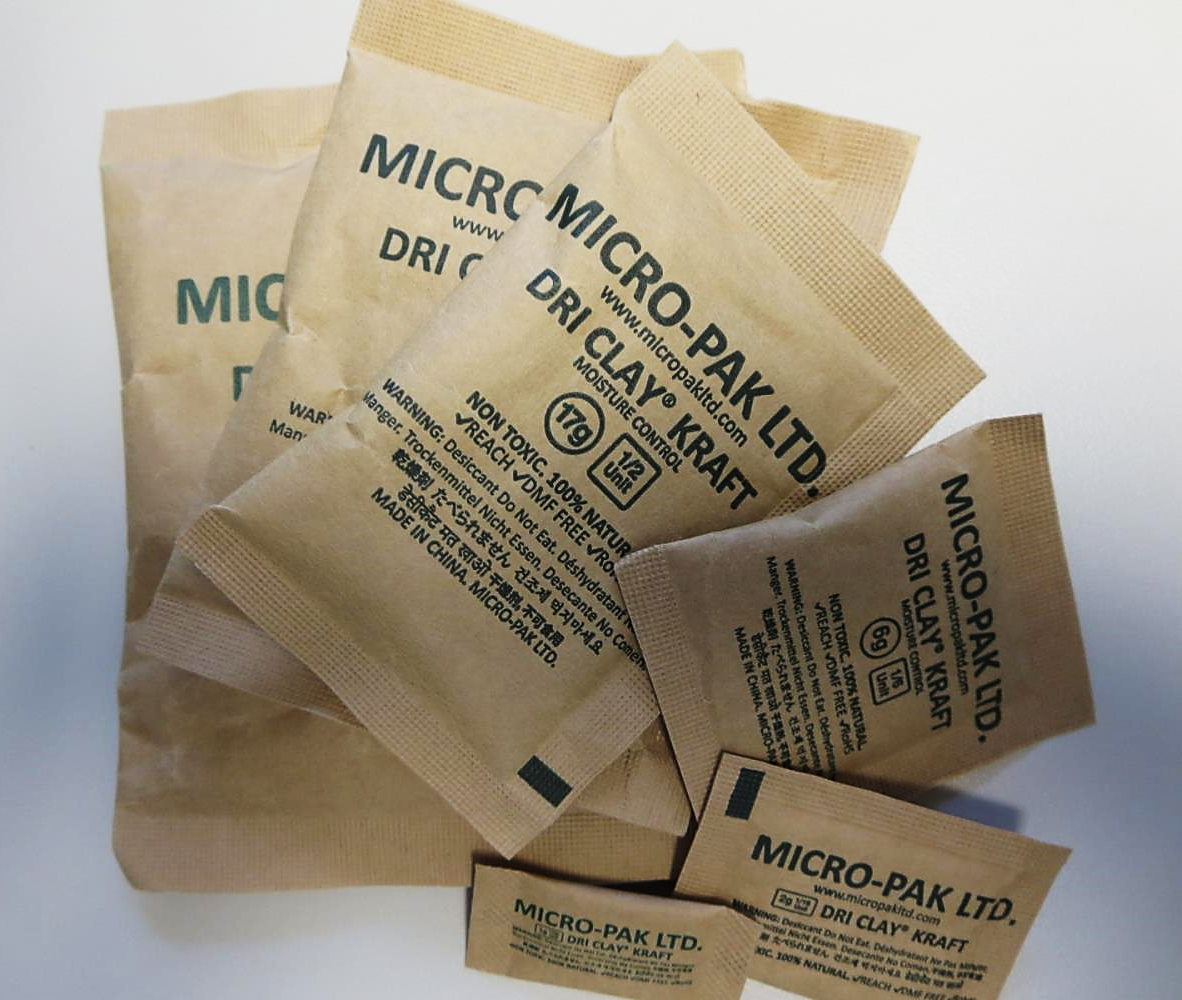
You have choices. Each option has trade-offs. Here is a quick comparison based on lab data and field use.
-
Clay vs silica gel
- Capacity: Silica gel often holds slightly more water by weight.
- Cost and eco-friendliness: Clay is cheaper and very natural.
- Regeneration: Both can be recharged with heat, but clay is very forgiving.
-
Clay vs calcium chloride
- Mess risk: Calcium chloride can liquefy and leak. Clay stays dry and solid.
- Extreme humidity: Calcium chloride pulls more moisture in very damp places.
- Safety: Clay is simpler and safer around pets and kids.
-
Clay vs electric dehumidifiers
- Power: Dehumidifiers need electricity and remove more moisture in large rooms.
- Size: A clay moisture absorber is perfect for small, enclosed spaces.
- Maintenance: Clay needs only periodic recharging. No tanks to empty.
Bottom line: Use a clay moisture absorber for small containers, cabinets, and gear. Choose silica gel when you need slightly higher capacity. Use calcium chloride for very wet spaces with drip trays. Pick an electric unit for entire rooms.

How to choose the right clay moisture absorber
Picking the right size and type matters. A clay moisture absorber should match both the space size and the humidity level.
Use these tips:
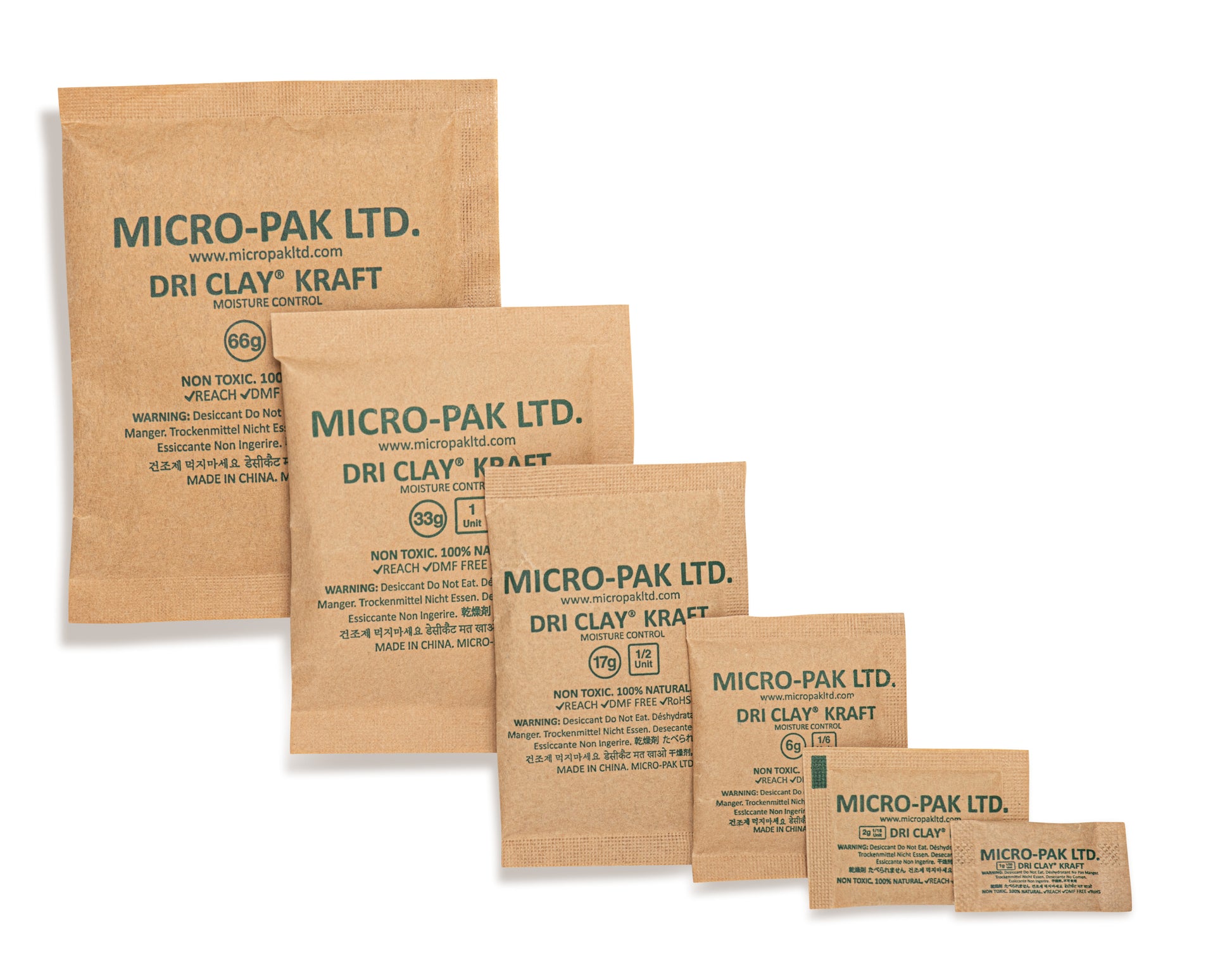
- Size and weight: Check the grams or ounces. Larger units last longer between recharges.
- Coverage: Many brands list cubic feet or liters covered. Aim for extra capacity in damp seasons.
- Pouch material: Look for non-woven or Tyvek-style fabric that breathes but contains dust.
- Dust control: Quality filling has low dust. This protects sensitive gear like cameras.
- Indicator: Some units include humidity cards or built-in color indicators.
- Reusability: Choose models rated for many recharge cycles to save money.
For a 60-liter storage bin, one 100–200 gram clay bag is often enough. For a closet, use a larger canister or two medium bags. In my camera bag, I use one 50–100 gram pouch and check it monthly.
How to use a clay moisture absorber for best results
Placement is the secret. A clay moisture absorber works best when air can flow around it.
Follow these steps:
- Place it high or central in the space so air can reach it.
- Avoid blocking it under piles of items.
- Seal or close the space to slow humid air from entering.
- Use more than one unit for large or oddly shaped spaces.
- Add a small hygrometer so you can monitor progress.
From practice, I recharge my pouches when the humidity climbs above my target. For clothes and photos, I aim for 40–55 percent relative humidity. For gun safes and tools, 35–50 percent works well.

Regenerating and recharging
Most clay pouches are reusable. Heat drives off the water and resets the clay.
General steps:
- Check the label first. Follow the brand’s temperature and time.
- Common settings are 200–250°F (93–121°C) for 2–3 hours.
- Place the pouch on a baking tray. Do not cover it.
- Let it cool fully before putting it back into use.
Safety notes:
- Never microwave a pouch with metal parts.
- Do not exceed the recommended temperature.
- If the pouch tears or leaks dust, replace it.
A good clay moisture absorber can be recharged many times. In my gear closet, I recharge every 4–8 weeks in damp seasons. In winter, I can go longer.

Safety, sustainability, and cost
A clay moisture absorber is simple and safe. It does not form liquid brine like calcium chloride. It is also non-flammable and non-corrosive.
Sustainability benefits:
- Natural clay filling with low environmental impact
- Reusable for many cycles, which reduces waste
- No electricity needed for daily use
Cost-wise, clay wins when you protect small spaces. It saves gear from rust, mold, and odors. Over time, the savings are real. I’ve saved leather boots, camera lenses, and a set of chisels by using clay pouches the right way.

Troubleshooting and common mistakes
If your clay moisture absorber seems weak, try these tips.
- The space is not sealed. Close doors, lids, and vents so it can work.
- The unit is undersized. Add a second pouch or pick a bigger canister.
- It is fully saturated. Recharge it, then check again with a hygrometer.
- Humidity is extreme. Use an electric dehumidifier to knock it down first.
- Placement is poor. Move the pouch to a central, open area.
One mistake I made early on was stuffing a pouch at the bottom of a tote. It did little there. Moving it to the top made a clear difference within a day.
Real-world examples from the field
Here are a few simple wins I’ve seen using a clay moisture absorber.
- Camera bag travel
- After flights, condensation can form. A small clay pouch cuts fog and smells.
- Closet with leather goods
- One large canister kept jackets supple and odor-free for months.
- Tool chest in a garage
- Two medium pouches reduced rust on plane blades and chisels.
- Car parked for weeks
- A canister on the floor kept windows clear and seats fresh.
- Storage totes for photos
- One 100-gram pouch per tote kept prints safe during a humid summer.
These changes are easy. They cost little. But they protect things you care about.
When a clay moisture absorber is not enough
There are limits. A clay moisture absorber works best in small, enclosed areas. It is not designed to dry a whole basement.
If the air is very wet or water is present, fix the source first. Improve ventilation. Add a drain or vapor barrier if needed. Use an electric dehumidifier to reduce room humidity, then switch to clay pouches for storage boxes and cabinets.
This layered approach keeps costs down. It also gives you more control over tricky spots.
Frequently Asked Questions of clay moisture absorber
What is a clay moisture absorber made of?
It is usually made from natural clays like bentonite or montmorillonite. The clay adsorbs water vapor onto its surface and holds it until you recharge it.
How long does a clay moisture absorber last?
It lasts until the clay is full of moisture, which can take weeks or months. You can recharge it many times, so the overall lifespan is long.
Is a clay moisture absorber safe around pets and kids?
Yes, it is generally non-toxic and dry. Keep pouches out of reach to avoid tearing or chewing.
Can I use a clay moisture absorber in a fridge or freezer?
It can help with odors and frost in some cases, but check the product label. Very cold temperatures can slow adsorption.
How do I know when to recharge it?
Use a hygrometer or look for a built-in indicator. If humidity rises or odors return, it is time to recharge.
Will a clay moisture absorber prevent mold?
It can lower humidity, which helps prevent mold growth. It will not fix leaks or standing water, so address moisture sources too.
How many pouches do I need for a closet?
For a small closet, one large canister or two medium pouches often works. Increase capacity if the closet is very damp or packed with clothes.
Conclusion
A clay moisture absorber is a simple, low-cost way to fight damp, odors, and rust in small spaces. It is safe, reusable, and easy to place where you need it. With the right size and smart placement, it can protect clothes, tools, and electronics for years.
Put one in your most vulnerable spots today. Track the results with a small hygrometer. If you found this helpful, subscribe for more practical home and gear care tips, or leave a comment with your setup and I’ll help you dial it in.