

Child-safe moisture absorbers reduce damp, mold, and odor without toxic chemicals or leaks.
If you want fresh, dry air but have little hands exploring every corner, you’re in the right place. I’ve used child-safe moisture absorbers in nurseries, closets, and bathrooms for years. In this guide, I’ll show you what works, what to avoid, and how to use them the smart way. You’ll leave with clear steps, expert tips, and safe options you can trust.
What are child-safe moisture absorbers and how do they work?
Child-safe moisture absorbers pull excess water from the air. This helps prevent mold, musty smells, dust mites, and warped wood. In kid spaces, safe options matter more than ever.
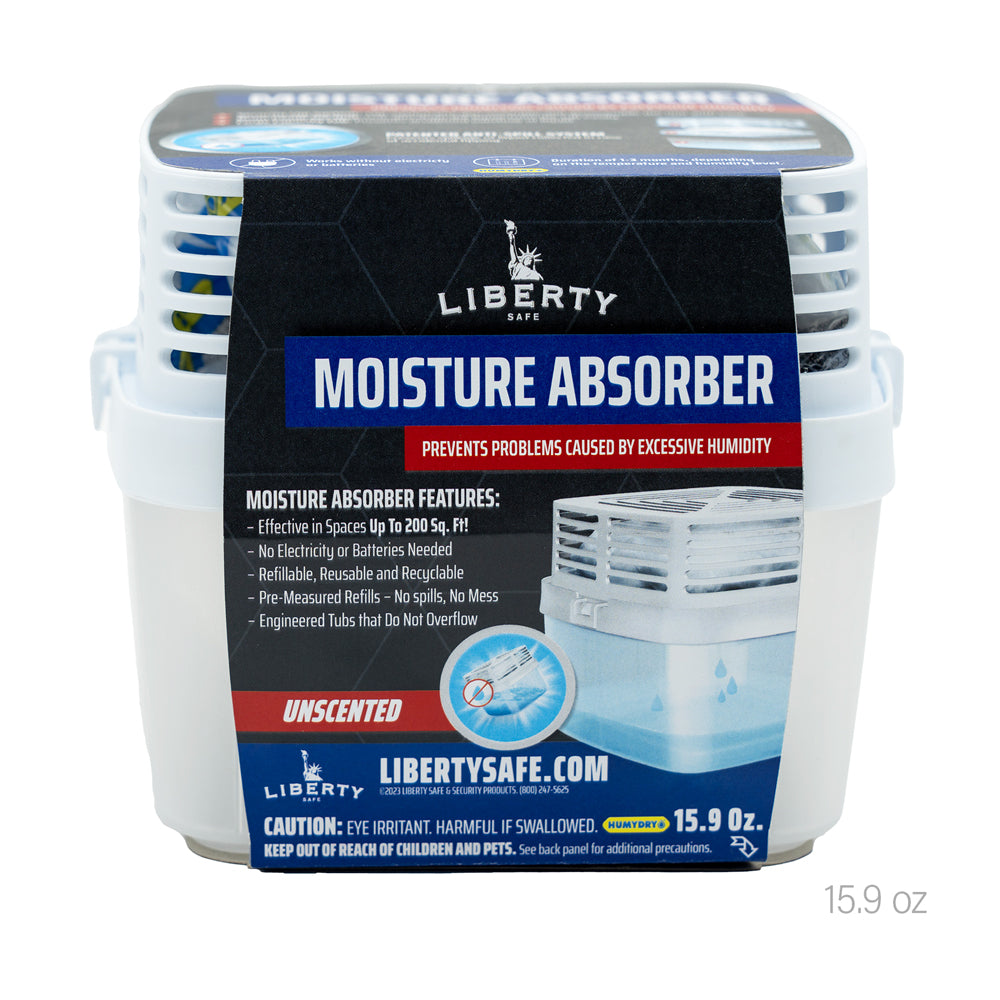
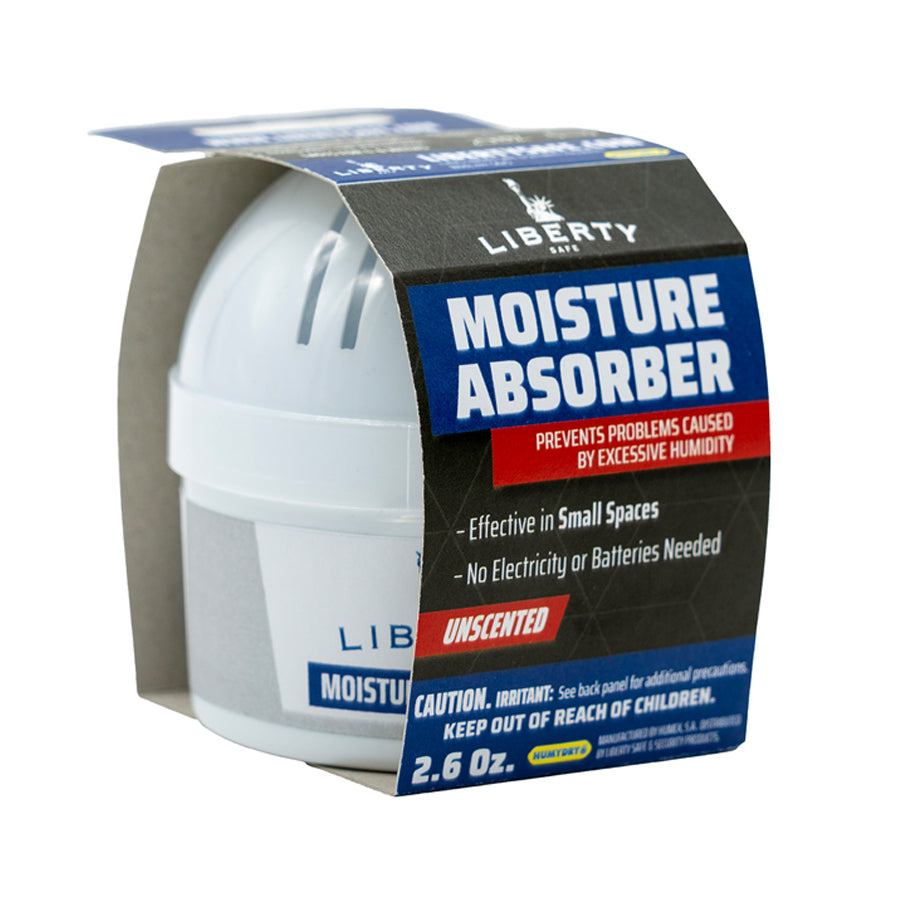
The most common type is a desiccant. It pulls water into its pores and holds it there. Some products use sealed bags. Others use a vented canister that keeps material locked inside.
These are not deodorizers alone. They target humidity at the source. For best results, pair them with airflow and routine cleaning.
What makes a moisture absorber “child-safe”?
Child-safe moisture absorbers avoid caustic or corrosive chemicals. They come in secure, sealed formats that resist spills. They reduce choking and ingestion risks through design and labeling.
Look for these key points:
- Non-toxic media like bamboo charcoal, clay, or non-indicating silica gel.
- Cobalt-free silica gel if you want color-change beads. Orange indicating gel is safer than blue.
- Sealed sachets, stitched fabric, or snap-shut canisters that kids cannot open.
- Clear hazard labels and simple first-aid steps on the package.
- Packaging that follows child-resistant design principles used in safety standards.
Poison control centers report most silica gel ingestions are low risk, but choking is still a worry. Calcium chloride can burn skin and eyes. It also turns into liquid brine that can leak. That is why most homes with toddlers choose dry, sealed formats.
Best materials for child-safe moisture absorbers
Not all desiccants behave the same. Here is a quick guide based on safety and everyday use.
- Bamboo charcoal bags: Non-toxic and light. Great for closets, shoes, cars, and diaper pail smells. Can be “recharged” in sun.
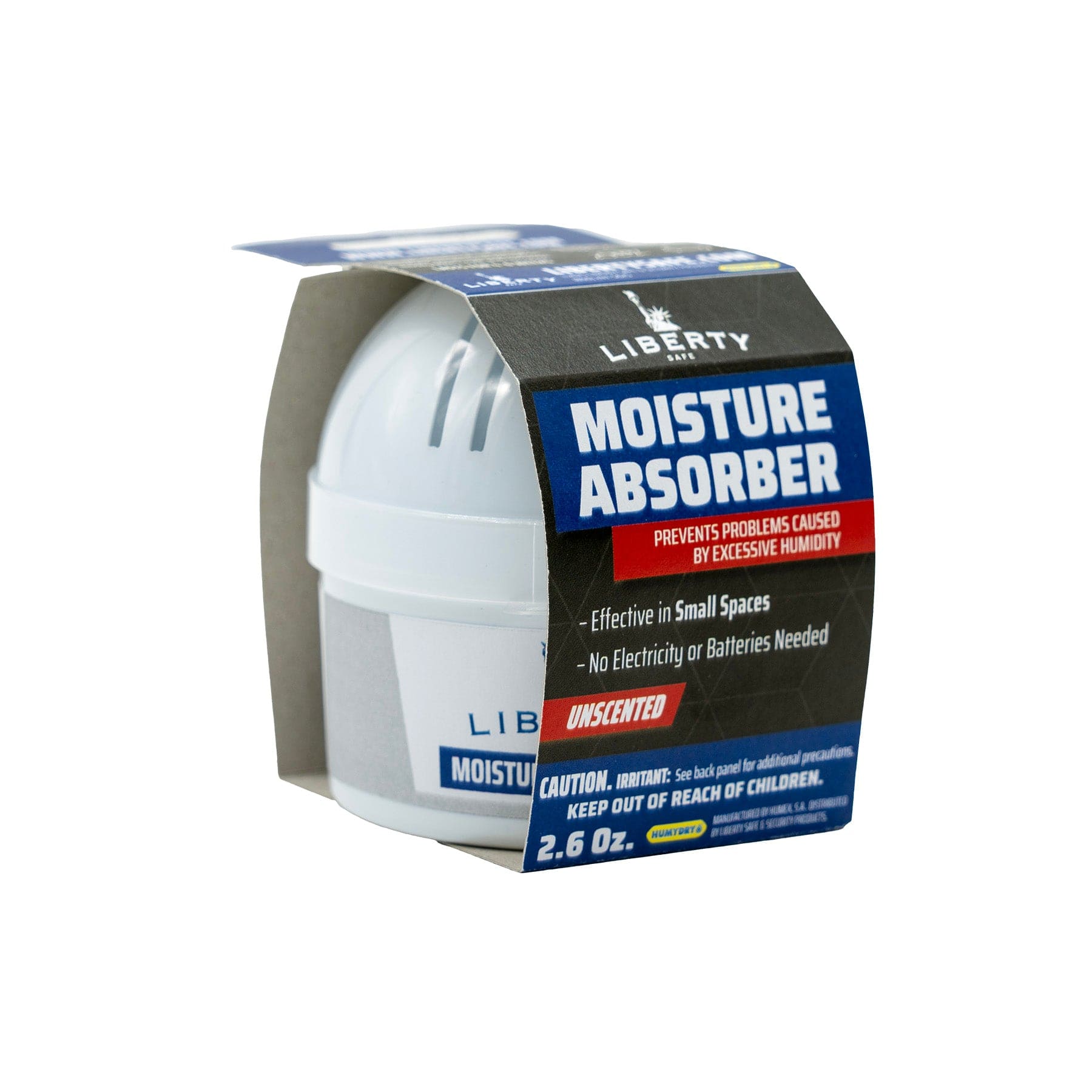
- Non-indicating silica gel: Very effective, non-reactive, and affordable. Choose sewn sachets or closed canisters. Keep away from mouth due to choking risk.
- Orange indicating silica gel: Lets you see when it is saturated. Avoid blue, which often uses cobalt dye. Still treat as a small-part hazard.
- Natural clay: Inexpensive and non-toxic. Works slower than silica gel but is steady and safe in sealed bags.
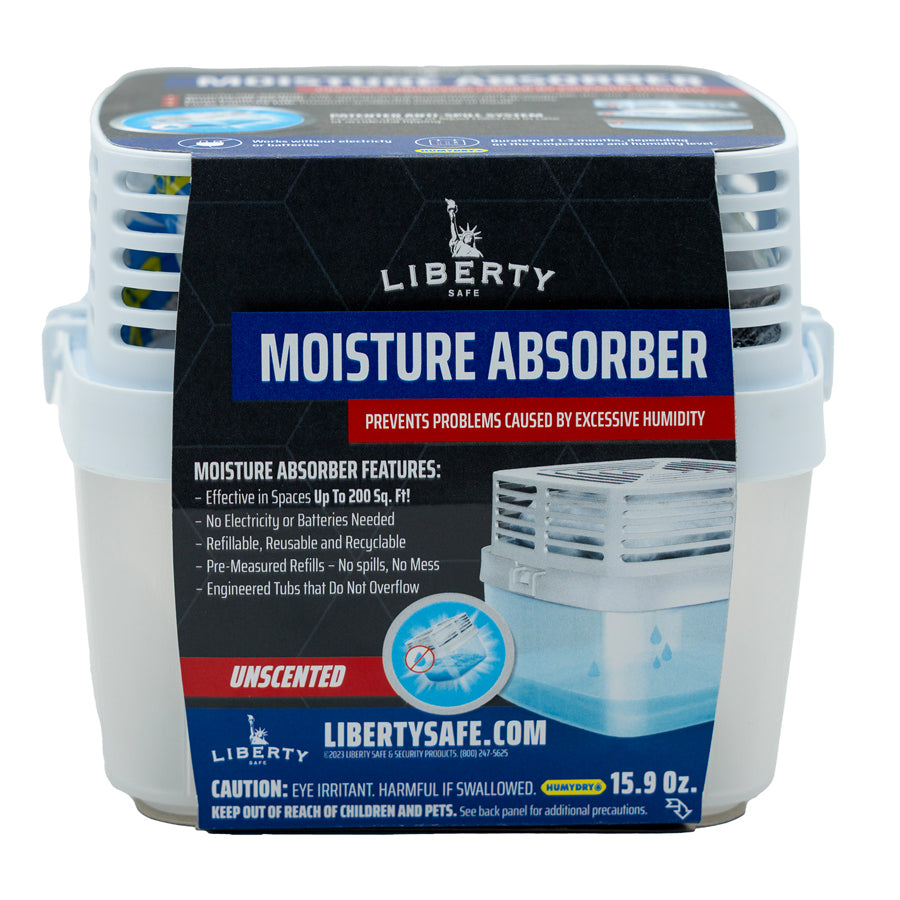
- Avoid for child zones: Calcium chloride “damp rid” style tubs. They work fast but create corrosive liquid. Use only in out-of-reach areas if needed.
All of these can be part of a safe plan. But the safest picks for nurseries are bamboo charcoal and sealed silica gel.
How to choose the right product
Use this simple checklist when shopping for child-safe moisture absorbers.
- Media: Bamboo charcoal, clay, or non-indicating silica gel.
- If color-change is needed: Choose orange indicating beads (cobalt-free).
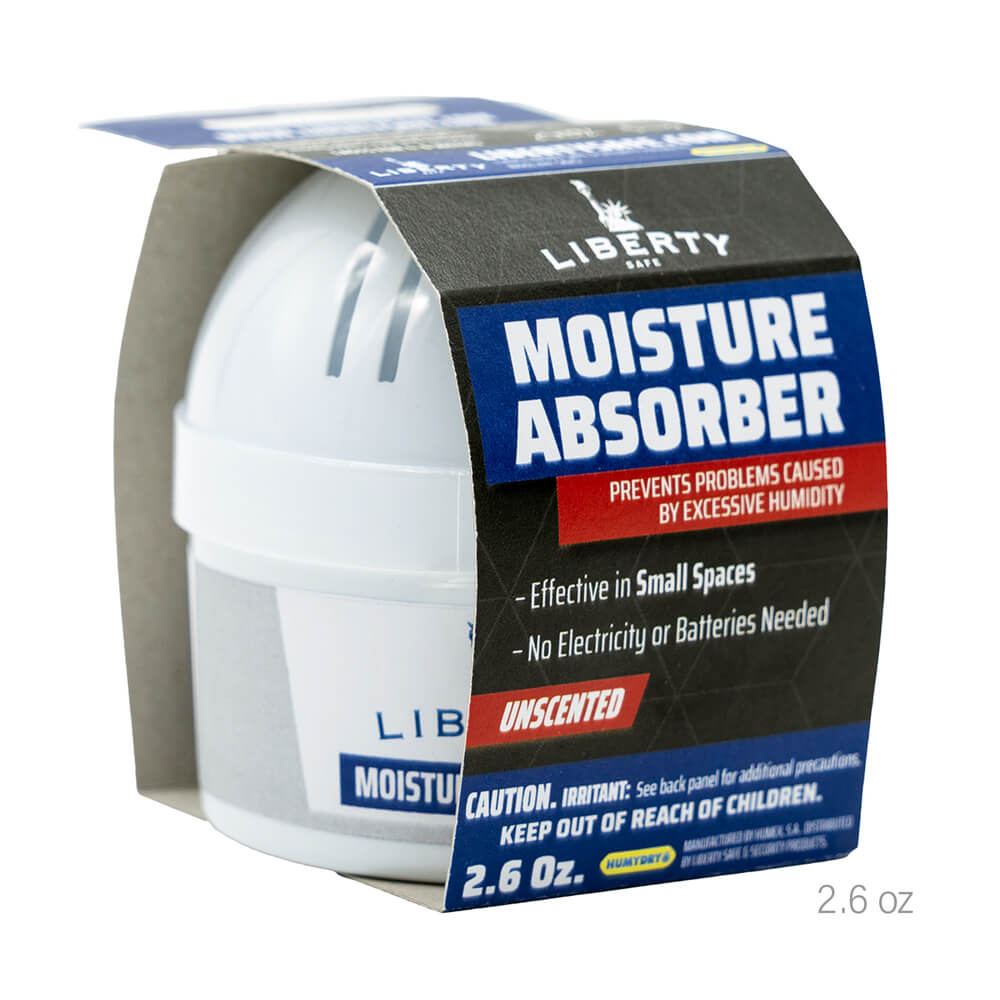
- Design: Sewn pouches with tight seams or hard canisters with locking lids.
- Size: Match packet grams or canister ounces to your room size. Check coverage on the box.
- Labels: Clear instructions, non-toxic claims, and emergency guidance.
- Odor: Fragrance-free if you have kids with allergies.
- Reusability: Rechargeable beads or charcoal save money and waste.
- Brand transparency: Material type, capacity, and reactivation steps on the product page.
I favor brands that publish test data and use cobalt-free indicators. You do not need fancy scents or gels with unknown additives. Simple wins with kids.

Safe placement by room
Placing child-safe moisture absorbers well is half the battle. Keep units where air moves, but little hands cannot reach.
- Nursery: Top closet shelf or a wall-mounted basket. Use sealed silica gel or charcoal bags. Avoid open liquid tubs.
- Bathroom: High cabinet or a tall shelf. Choose a canister with a tight lid.
- Laundry room: Above the washer on a shelf. Leave a small gap around the unit for airflow.
- Kitchen: Pantry top shelf to protect dry goods. Use fragrance-free options near food.
- Closets and shoes: Use charcoal bags or sewn silica packs. Tuck into shoe toes or hang on hooks.
Tip: Use a cheap digital hygrometer. Aim for 40–50% relative humidity for comfort and to deter mold.
DIY and low-cost options that stay kid-friendly
If you like DIY, you can make safe helpers with basic items. Keep all DIY options out of reach, even if they are low risk.
- Mason jar silica canister: Fill a jar with non-indicating silica gel beads. Replace the metal lid with mesh and a ring. Add a childproof latch or store up high.
- Bamboo charcoal pouches: Buy bulk charcoal and sew small cotton bags. Stitch tight seams. Add a loop to hang high.
- Baking soda odor catcher: Place in a sealed, ventilated container. It helps with smells, not heavy moisture. Safe for pantries.
Label everything with a date. Recharge silica in a low oven if allowed by the brand. Recharge charcoal in the sun for a few hours.

Use, recharge, and disposal steps
Follow these steps to keep child-safe moisture absorbers working and safe.
-
Setup
- Place units high and away from cribs, play zones, and pet bowls.
- Start with fresh packs and note the date.
- Record the room’s humidity to track progress.
-
Recharge
- Silica gel: Reactivate as instructed, often 200–250°F for a set time.
- Charcoal: Put in sunlight for a few hours.
- Replace if beads break, fabric tears, or odors persist.
-
Disposal
- Seal used packs in a bag and put in household trash.
- Do not flush. Keep away from food.
- For calcium chloride brine (if used elsewhere), follow local guidance and wear gloves.
If a child puts any desiccant in their mouth, remove it, rinse, and contact poison control for advice. Most cases are mild, but do not guess.

When to use a dehumidifier instead (and keep it child-safe)
Sometimes passive products are not enough. Basements, flood zones, or homes over 60% humidity may need a dehumidifier.
- Choose units with auto shutoff, tip-over stability, and a covered reservoir.
- Route a drain hose to a sink to avoid spills. Secure the hose.
- Hide cords with clips or covers. Place the unit in a low-traffic corner.
- Set 45–50% on the humidistat. Clean filters monthly.
Use child-safe moisture absorbers in closets and cabinets. Use a dehumidifier for big, damp rooms. The combo works well and stays safe.

Common mistakes to avoid and quick fixes
- Using liquid salt tubs in play areas: Switch to sealed silica or charcoal up high.
- Overloading one room with many packs: Use a hygrometer and right-size the product.
- Leaving torn pouches in shoes or bags: Discard and replace at once.
- Ignoring leaks or dust: If beads break or dust appears, replace the unit and wipe the area.
- Expecting odor-only bags to fix damp: Target moisture first, then smells.
These small changes deliver big gains in safety and comfort.
A quick case study from my home
Our old bathroom hit 68% humidity after showers and smelled musty. A small dehumidifier helped, but it was loud at night. I added two sealed silica canisters on a high shelf and set the dehumidifier to a lower fan speed.
Within a week, humidity held at 48–52%, and the smell faded. In a nursery closet, two bamboo charcoal bags kept tiny clothes fresh. Both setups used child-safe moisture absorbers, and both stayed out of reach.
I learned to log humidity weekly and recharge on a schedule. That keeps the home dry without stress.
Frequently Asked Questions of child-safe moisture absorbers
Are silica gel packs safe around kids?
Yes, most silica gel is non-toxic, but it is still a choking hazard. Use sealed pouches and place them up high.
Is bamboo charcoal safe and effective?
Bamboo charcoal is non-toxic and good for odor and light moisture. It works best in small spaces like closets and shoes.
Can I use calcium chloride around children?
It is not a child-safe choice for living areas. It can leak brine and irritate skin and eyes.
How many packs do I need in a room?
Check product coverage on the label. A small room may need one canister or a few sachets, while larger rooms need more.
How do I know when to replace or recharge?
Use color-change beads or a date log. If humidity rises or odors return, it is time to recharge or replace.
What humidity level should I aim for?
Aim for 40–50% for comfort and mold control. Use a digital hygrometer to track daily levels.
Are scented moisture absorbers okay for nurseries?
Skip added scents in kid spaces. Fragrance-free, child-safe moisture absorbers reduce risk of irritation.
Conclusion
Keeping kids safe while fighting damp is possible with the right tools and habits. Pick sealed designs, place them up high, and track humidity so you swap or recharge on time. Child-safe moisture absorbers can keep closets fresh, bathrooms dry, and nurseries comfortable.
Start with one room today. Grab a hygrometer, choose a safe absorber, and set a quick recharge reminder. Ready for more tips? Subscribe for updates, ask a question in the comments, or share your setup to help other parents.