

Yes and no: some crystals are reusable; others should be replaced.
If you’ve ever opened a closet and caught a musty smell, you’ve met the enemy: moisture. I’ve tested many options in homes, RVs, and gear bags, and I’ll help you decide what works. You came here asking can you reuse moisture absorber crystals. This guide breaks it down with clear steps, safety tips, and smart ways to save money while keeping air dry.

How moisture absorber crystals work
Moisture absorbers pull water from the air. They lower humidity in tight spaces. This helps stop mold, odors, and rust.
Different crystals do the job in different ways. Silica gel traps water inside its pores. Calcium chloride turns air moisture into a salty liquid. Clay desiccants hold water in layers but with lower capacity.
The type you use decides if it can be used again. That’s why the question can you reuse moisture absorber crystals does not have one simple rule.
Can you reuse moisture absorber crystals? The short and safe answer
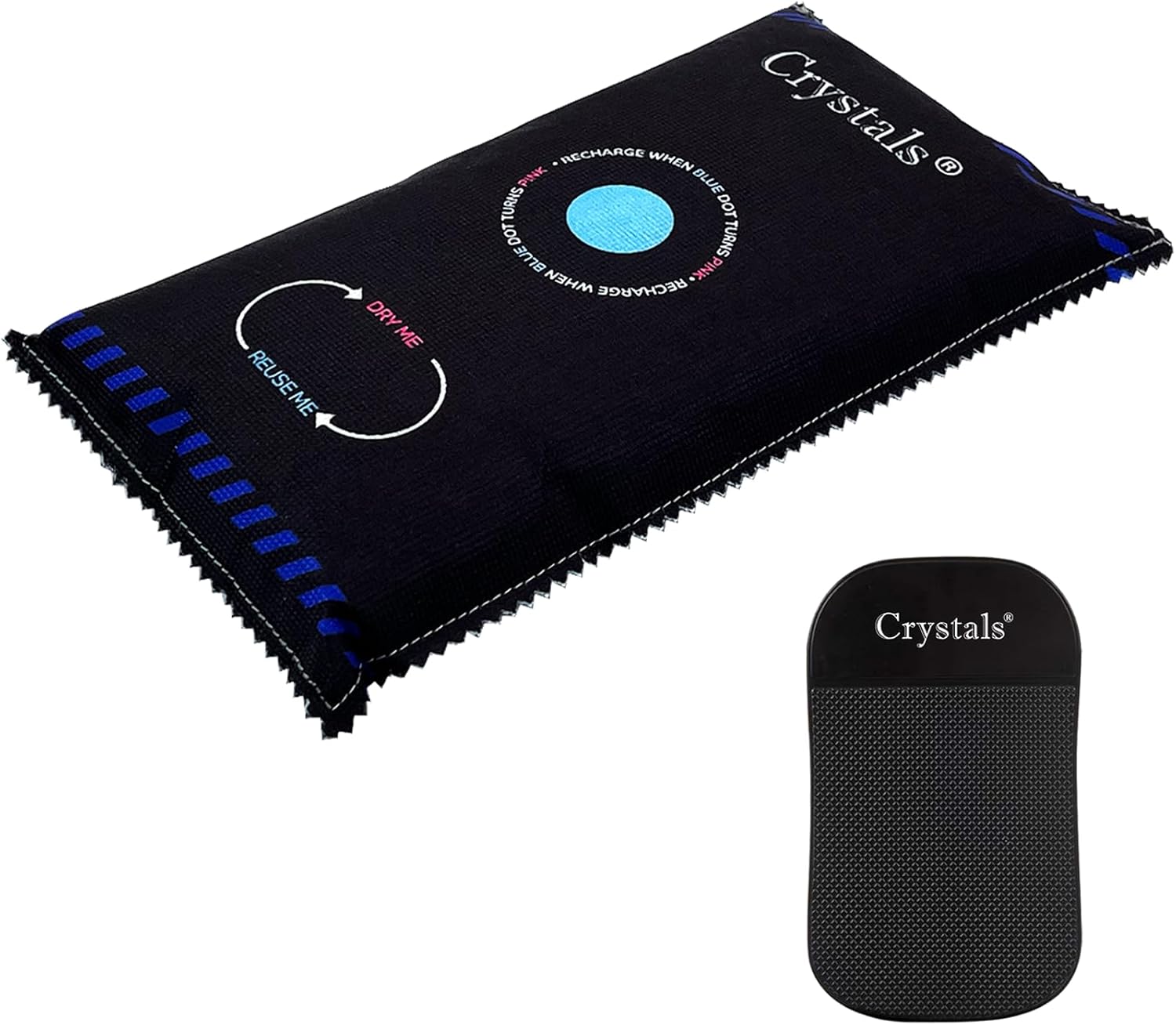
Here is the bottom line. Silica gel is reusable. Calcium chloride crystals are not reusable at home. Clay packs are sometimes reusable but less effective after many cycles.
So, can you reuse moisture absorber crystals? Yes, if they are silica gel or labeled rechargeable. No, if they are calcium chloride tubs that turn into liquid brine. When in doubt, check the label or the safety sheet. Brands list if heating is safe.
I have recharged silica gel beads many times for camera cases and shoe boxes. It works well when you follow the steps below. But I replace calcium chloride tubs once they liquefy. Trying to turn brine back into crystals at home is unsafe and not worth it.
Types of crystals and what’s actually reusable
- Silica gel beads or packets. Reusable. Dry them with heat. Indicator beads change color when wet.
- Rechargeable desiccant canisters or jars. Reusable. Often have a window that changes color. Some have a built-in heater dock.
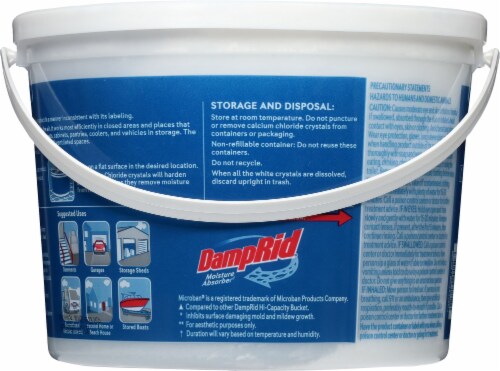
- Calcium chloride crystals or flakes. Not reusable at home. They dissolve into liquid as they work.
- Clay desiccant. Sometimes reusable with gentle heat. Lower capacity than silica gel.
- Molecular sieve beads. Reusable with heat, but mainly for industrial uses.
If you ask can you reuse moisture absorber crystals, think first about what they’re made of. Silica gel is your best bet for repeated use. Calcium chloride is your go-to for high moisture, but it is single-use.

Safe ways to extend life without risks
You can stretch performance with simple habits. These tips work well in closets, cars, boats, and bins.
- Use the right type for the job. Silica gel for small sealed spaces. Calcium chloride tubs for damp rooms or basements.
- Rotate packs. Keep two sets of silica gel. One in use, one drying.
- Keep air moving. A small fan helps any absorber last longer.
- Seal the space. Fewer air leaks mean less work for the crystals.
- Elevate tubs. For calcium chloride, place the container on a tray to catch drips.
If your goal is can you reuse moisture absorber crystals, pick products sold as reusable. They save time and cut waste.
Step-by-step: How to recharge silica gel safely
Follow the product label first. If none is present, these steps are common best practice.
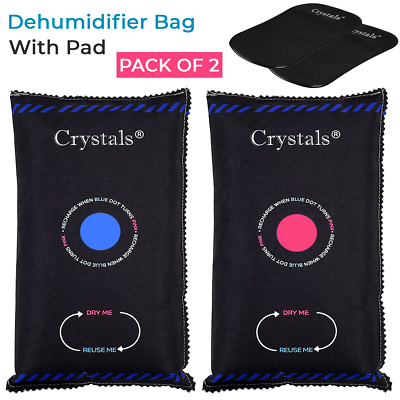
- Check the indicator. Beads change color when saturated. If your pack has no indicator, weigh it. Heavier means wet.
- Preheat the oven to 200–250°F (93–121°C). Lower heat is safer for packets and stitching.
- Spread beads or packets on a dry baking sheet. Do not stack them deep.
- Bake for 1–2 hours. For large jars, go up to 3 hours. Stir once halfway for even drying.
- Cool in a dry spot. Then seal in an airtight jar until use.
Avoid the microwave unless the label allows it. Microwaves can overheat and melt packets fast. Do not heat near food. Silica gel is non-toxic, but packets can pick up dust and dye from indicator beads.
People ask can you reuse moisture absorber crystals in ovens over and over. With silica gel, the answer is yes, many cycles. I have packs that still work after more than 20 recharges.

What to do with calcium chloride brine and why not to “re-crystallize”
Calcium chloride tubs pull a lot of water. That is why they turn into liquid. Once it is liquid brine, do not try to bake it back to crystals. Home ovens cannot do this safely or cleanly. The mix can spit, corrode, and make fumes. It can also trap dirt from the air.
Safer choices:
- Dispose of brine down a drain with plenty of water. Check local rules if on a septic system.
- Keep away from plants and bare soil. Salt harms roots.
- Avoid dumping on metal or bare concrete. Brine can corrode metal and stain floors.
- Reuse the container. Many tubs let you pour out brine and add a fresh refill.
This is why the answer to can you reuse moisture absorber crystals is no for calcium chloride. Use, empty, and refill. Do not try to reform crystals at home.
Cost, lifespan, and eco impact: which option wins?
Let’s compare common cases.
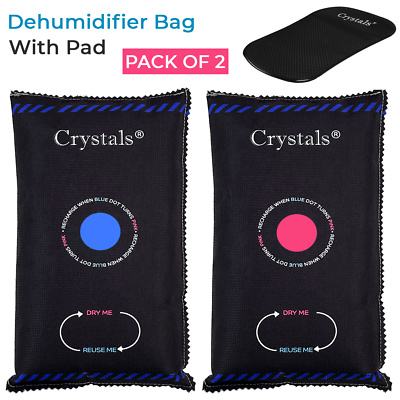
- Silica gel packs. Higher upfront cost, low long-term cost. You can recharge many times, so less waste.
- Rechargeable canisters or jars. Easy to see when to dry. Long lifespan. Great for closets and gear boxes.
- Calcium chloride tubs. Low upfront cost, high moisture capacity. Best for very damp places, but single-use.
If you ask can you reuse moisture absorber crystals to save money, silica gel wins for sealed spaces. Calcium chloride wins for raw power in wet rooms, even if you replace it. For many homes, a mix of both works well.

Troubleshooting and pro tips
- Musty smell lingers. The space may be too open. Seal the area or add more absorbers.
- Leaks from a tub. Move it to a tray. Replace the container if it cracked.
- Indicator beads never change back. Heat longer at a safe low temp. If still stuck, the beads are spent.
- Rust on metal nearby. Keep brine away from tools. Use silica gel in tool chests instead.
- Packets get dusty. Store dry packs in a jar with a gasket.
When friends ask can you reuse moisture absorber crystals, I tell them to match the product to the job, monitor often, and keep it simple. That alone solves most issues.

Frequently Asked Questions of can you reuse moisture absorber crystals
Can you reuse moisture absorber crystals in DampRid-style tubs?
No. Those tubs use calcium chloride, which turns into liquid. Replace the crystals or use a refill and keep the same container.
How many times can I recharge silica gel?
With gentle heat, many packs last dozens of cycles. Stop using them if they tear, leak dye, or never dry.
Is silica gel safe to dry in an oven?
Yes, if the label allows it and you keep the heat low. Use 200–250°F and keep it away from food.
Can you reuse moisture absorber crystals in a microwave?
Only if the product says it is microwave-safe. Many packets scorch or melt, so ovens are safer.
What humidity level should I aim for indoors?
Aim for 30–50 percent relative humidity. Below 30 percent can feel too dry, and above 60 percent invites mold.
Is the liquid from calcium chloride dangerous?
It can irritate skin and corrode metal. Wear gloves, keep it off floors, and flush drains with plenty of water when disposing.
Do clay desiccants work as well as silica gel?
They work but hold less water by weight. Use them where space is tight and moisture is mild.
Conclusion
The best answer to can you reuse moisture absorber crystals depends on the type. Silica gel and rechargeable canisters are made to be used again with simple heat. Calcium chloride tubs are great for heavy damp, but they are single-use by design. Choose the right tool, place it well, and keep an eye on it.
Take one small step today. Recharge the silica packs you have, or pick up a reusable jar for closets and gear. Want more tips like this? Subscribe, share your setup, or ask a question in the comments.