

Boat moisture absorbers tackle salt, condensation, and tight spaces; home solutions handle steady indoor humidity.
If you want dry gear, safe wiring, and a mold-free life, you need the right tool for the job. I’ve managed damp cabins at sea and musty closets at home, and the challenges are not the same. In this guide, I break down boat moisture absorber vs home in plain language, with real examples, expert tips, and clear steps you can use today.

What makes boats and homes so different for moisture control
Boats are sealed, small, and close to water. They trap vapor in tight spaces. Warm days and cool nights cause constant condensation on hulls and windows. Salt in the air pulls water into fabrics and metal.
Homes breathe a bit more. Air moves in and out through vents, doors, and leaks. Temperatures are steadier. You still get damp spots, but they spread over larger areas. That means different tools and plans for control.
These facts shape the boat moisture absorber vs home choice. What works in a living room may struggle in a bilge or locker. Match tools to the space and the job.

Boat moisture absorber vs home: key differences
Boats need rugged, low-power tools that handle salt and tight spots. They also need safety features for rocking and low airflow. Home spaces are larger, so airflow and capacity matter more than corrosion resistance.
In a boat, desiccants shine in lockers and during storage. Small compressor or Peltier units help in cabins at dock. At home, a full-size dehumidifier clears a basement fast. For closets, small desiccants do fine.
The big lesson from boat moisture absorber vs home tests is this: think about volume, leaks, salt, and power limits. The right choice depends on these factors more than brand.

Types of moisture absorbers and dehumidifiers
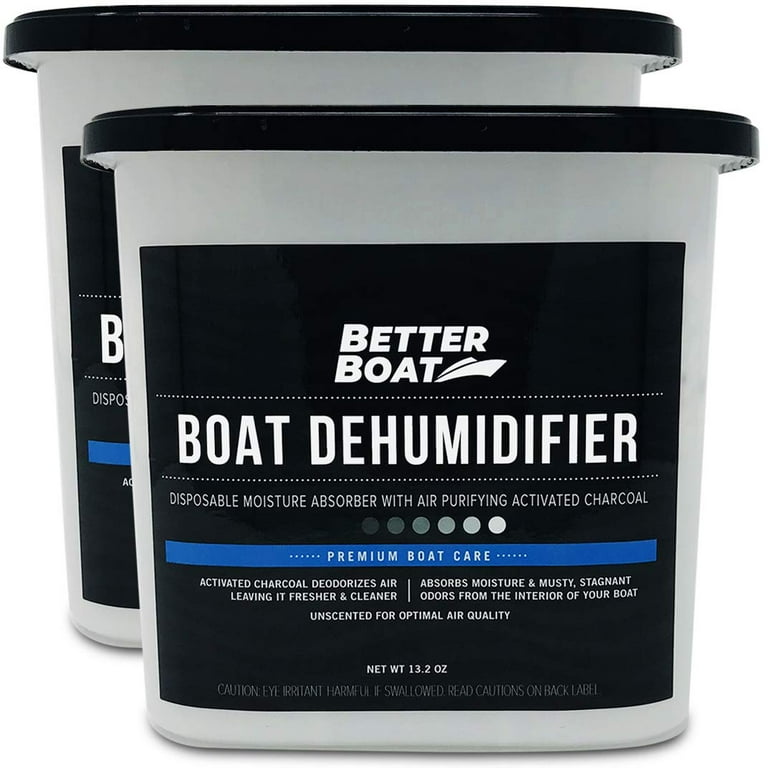
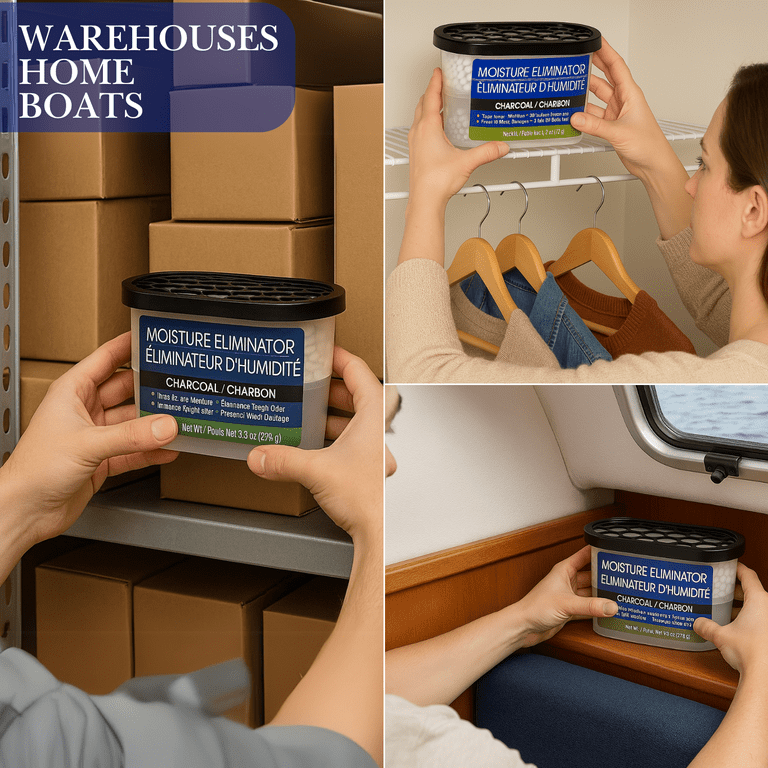
Desiccant bags and tubs
- What they are: Calcium chloride or silica gel that pulls water from air.
- Best for: Lockers, under-berth storage, closets, sealed cabins in winter.
- Boat note: Calcium chloride can leak brine. Use trays and stable holders.
Thermo-electric (Peltier) units
- What they are: Small electric dehumidifiers using a cold plate.
- Best for: Tiny cabins, heads, or RV-style spaces.
- Boat note: Low power draw, but low capacity. Good for mild damp, not floods.
Compressor dehumidifiers
- What they are: Standard home units with a compressor and coils.
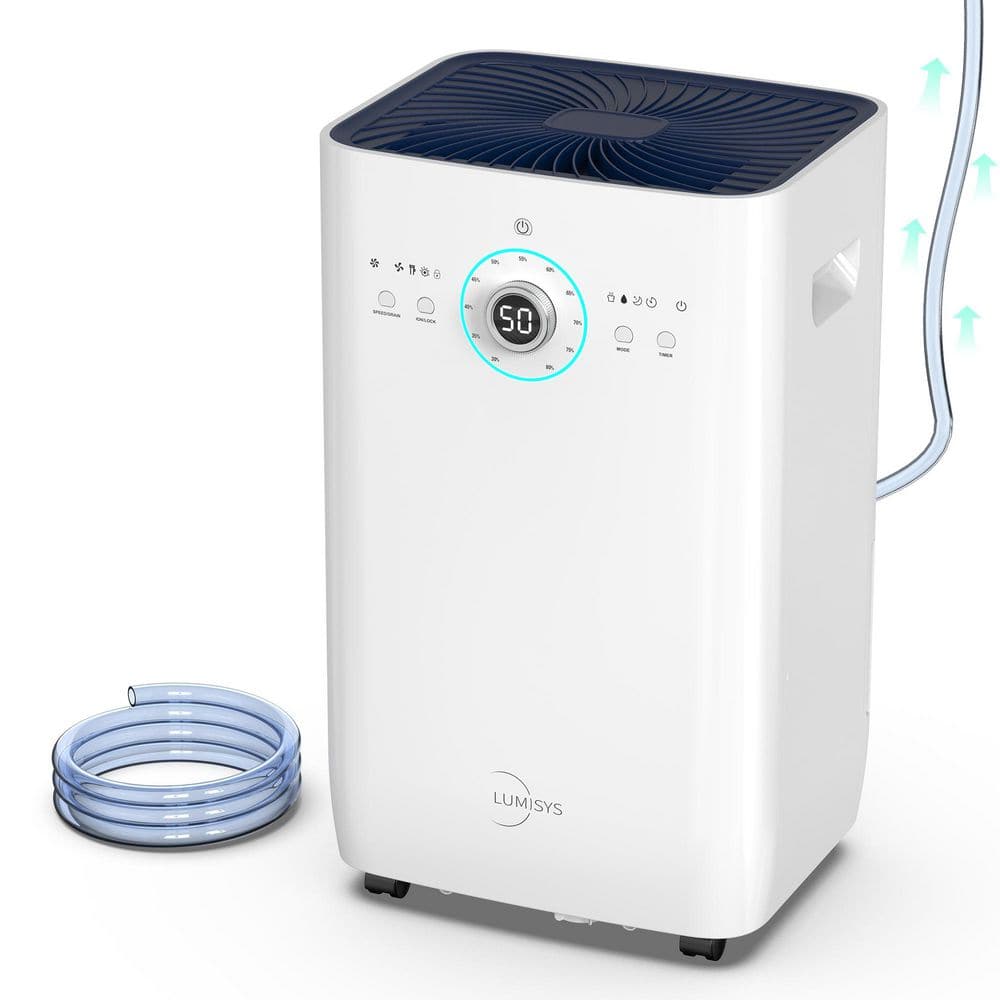
- Best for: Basements, large rooms, liveaboard cabins at dock with shore power.
- Boat note: Use marine-safe cords and secure the tank. Drain to sink or bilge if set up right.
Desiccant rotor dehumidifiers (active desiccant)
- What they are: Electric units that work well in cool spaces.
- Best for: Cold cabins, garages, winter storage areas.
- Boat note: Solid in shoulder seasons when compressor units ice up.
Ventilation aids
- What they are: Solar vents, small fans, passive vents.
- Best for: Reducing stale air, lowering condensation peaks.
- Boat note: Alone they are not enough, but they help every system work better.
When you compare a boat moisture absorber vs home model, note the type, capacity, drain options, and safety features. These details make or break performance.
 placement for boats and homes”
style=”max-width: 100%; height: auto; border: 2px solid black; border-radius: 10px; display: block; margin: 0 auto;”
loading=”lazy”
/>
Sizing and placement for boats and homes
Sizing starts with volume. Boats have small rooms, but high vapor loads. Homes have large rooms with steady loads. Check the unit’s daily pint or liter rating and match it to your space.
Placement matters a lot. Put units near damp sources like the galley, head, or basement wall. Keep doors and hatches open for airflow. Use fans on low to move air through lockers.
For boat moisture absorber vs home placement, cabins need low, stable spots with a drain route. Homes need central spots near outlets and a floor drain if possible. Keep filters clean to hold airflow.
Cost, power use, and maintenance
Desiccants are cheap to buy, but you replace them often. They shine in spaces where power is not an option. Watch for spills and swap them on a schedule.
Electric units cost more upfront but are easy to run. A small Peltier unit sips power, but removes less water. A compressor unit drinks more power, but dries fast. In boats, shore power limits choices.
For boat moisture absorber vs home costs, look at total ownership. Consider filter changes, salt bags, energy use, and time. The best choice is the one you can maintain without fail.

Safety and material concerns in marine vs home settings
Boats move, tilt, and face salt air. Tanks can tip. Brine can corrode metal. Secure everything. Use drip trays. Keep cords high and dry. Check ground fault protection.
Homes are calmer, but risks remain. Full tanks can overflow onto wood floors. Filters can clog and grow mold. Clean and empty on a routine rhythm.
In the boat moisture absorber vs home debate, safety sets the rules. Stable placement, drain lines, and protection from spills are not nice-to-have. They are must-haves.
Real-world setups: sample checklists
Boat setup for a 28-foot sailboat at dock
- One small compressor or rotor unit in the main cabin, on a timer.
- Drain hose to sink or a sealed container with float shutoff.
- Desiccant tubs in the bow locker and under the berth.
- Solar vent on the foredeck to keep air moving.
- Weekly check for tank level, salt brine, and filter.
Home setup for a damp basement
- One 35–50 pint compressor unit near the worst wall.
- Hose to a floor drain or sink for continuous use.
- Small fans to move air behind storage shelves.
- Desiccant tubs in closets and under stairs.
- Monthly filter clean and coil dust check.
These routines show how boat moisture absorber vs home plans split. One favors secure drains and salt control. The other leans on capacity and airflow.

Mistakes to avoid and pro tips
Common mistakes
- Using a home-only unit on a boat without securing the tank.
- Placing desiccant bags where they can tip and leak brine.
- Closing all doors and expecting air to dry evenly.
- Ignoring winter conditions where compressor units ice up.
Pro tips I learned the hard way
- Use a baking sheet as a cheap spill tray under tubs on boats.
- Add a small USB fan to move air into lockers.
- For winter storage, go desiccant-heavy and crack vents for pressure balance.
- Label a calendar for swap days. Fresh media beats guesswork.
These tips apply on both sides of the boat moisture absorber vs home question. Small tweaks save gear and stop smells.
Buying guide: what to look for
Key features for boats
- Tip-safe tanks, drain hose option, and auto shutoff.
- Corrosion-resistant parts and simple filters.
- Low power draw and timer modes.
- Compact size for tight cabins and lockers.
Key features for homes
- Right pint-per-day rating for your square footage.
- Continuous drain and easy-clean filters.
- Humidistat with target settings.
- Quiet mode for living areas.
When choosing between a boat moisture absorber vs home model, read real capacity in cool rooms. Many ratings use warm, humid labs. Cold spaces cut performance. Pick a unit built for your climate.
Frequently Asked Questions of boat moisture absorber vs home
Is a boat moisture absorber different from a home unit?
Yes. Boat units need secure tanks, low power use, and corrosion resistance. Home units focus on capacity and quiet operation in larger rooms.
Can I use a home dehumidifier on my boat?
You can, but secure the tank and add a drain. Use a GFCI outlet and check for rust risk around coils and screws.
Do desiccant bags work better on boats or at home?
They work in both, but shine in sealed spaces like lockers. At home, they are best in closets or drawers, not big rooms.
What humidity level should I aim for?
Target 45–55% relative humidity for comfort and mold control. Boats stored cold can run slightly lower to reduce condensation.
How often should I replace desiccant on a boat?
Plan every 2–6 weeks based on season and leaks. Check more often during rain, big temperature swings, or after washing gear.
Does salt air change how moisture absorbers work?
Yes. Salt attracts water and speeds corrosion. Use trays, rinse metal parts, and pick marine-friendly materials.
Are rotor dehumidifiers worth it in cold cabins?
Often, yes. They perform better than compressor units in cool air and avoid coil icing.
What is the best placement for a small cabin?
Low and central, near a drain route. Keep doors open and add a small fan to move air into corners.
Conclusion
Boats and homes fight moisture in different ways. Boats face tight spaces, salt, and swing in temperature. Homes deal with larger rooms and steady loads. When you match tools to the space, you win against mold, rust, and must.
Use this guide to choose the right setup, not just the right brand. Start with your climate, volume, and power options. Then pick a plan you will maintain. If this breakdown on boat moisture absorber vs home helped you, try one tip today, subscribe for more hands-on guides, or share your setup so others can learn.