

Silica gel is best for most safes; molecular sieve wins in extreme humidity.
If you want the best safe absorber: silica vs desiccant, you are in the right place. I help people keep safes dry, from gun rooms to basement lockers. In this guide, I compare silica gel to other desiccants and show what works best, why it works, and how to size, place, and maintain it. I share real lessons from trial, error, and many damp safes. Let’s keep your valuables safe and dry.

How moisture sneaks into a safe and why it matters
If you are asking about the best safe absorber: silica vs desiccant, start with moisture basics. A safe is not sealed like a jar. Air leaks in. Humid air carries water vapor. That vapor condenses on cool steel. Rust begins. Paper curls. Electronics corrode.
Aim for 35% to 50% relative humidity in a safe. Below 35% can dry wood grips and leather. Above 50% invites rust and mold. Desiccants pull water from air. They hold it tight until you recharge or replace them.
Silica gel in safes: how it works
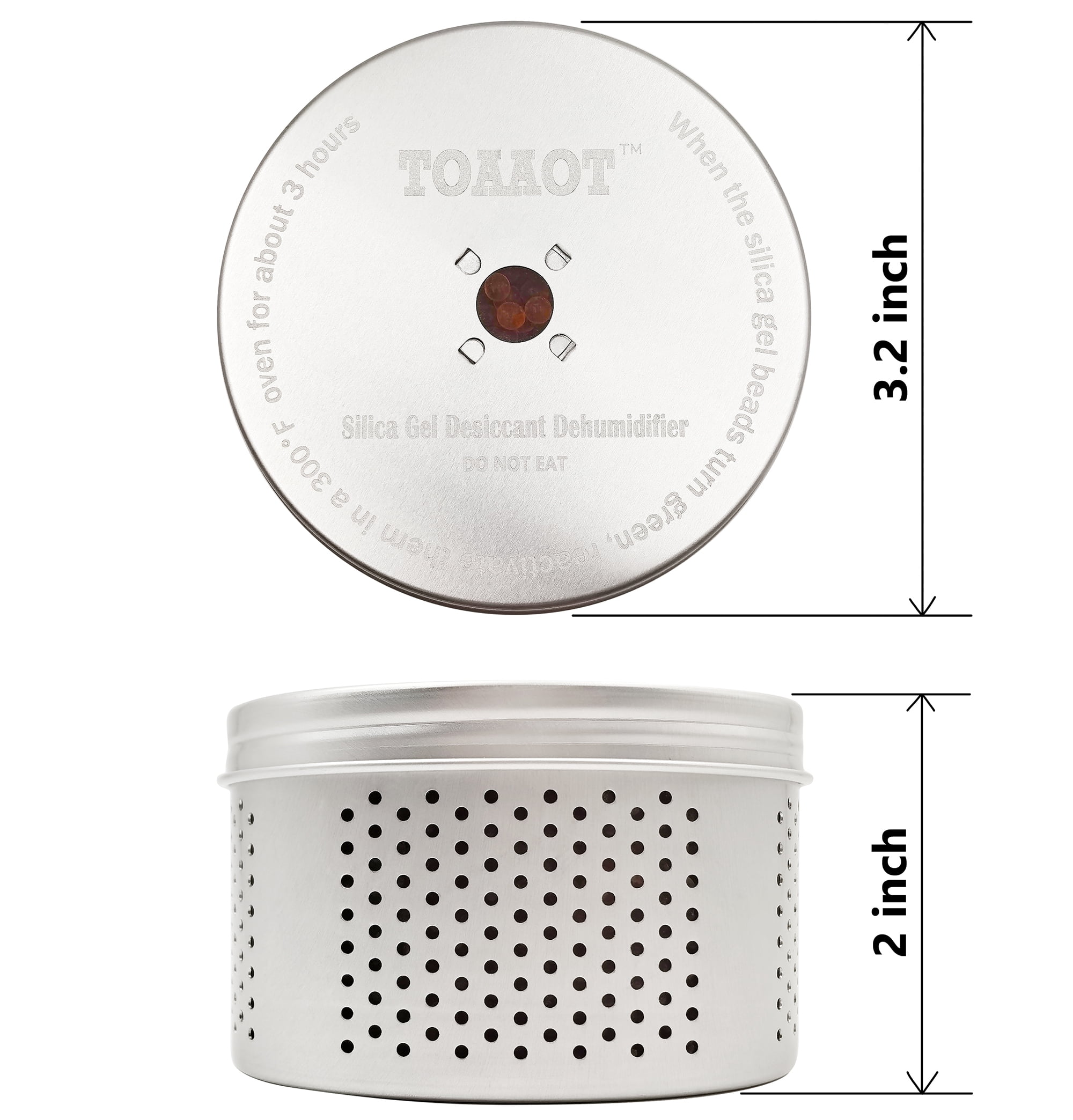
Many wonder about the best safe absorber: silica vs desiccant as if they are separate. Silica gel is a desiccant. It is the most common one for safes. It is a porous form of silica with many tiny holes. Those holes grab and hold water molecules.
What I like about silica gel:
- It is reusable. Bake at 250°F to 300°F for a few hours to dry it.
- It is stable and clean. It does not drip or leak.
- It works well between 20% and 60% relative humidity.
- It is safe for metals, paper, and photos.
What to watch:
- It gets slower in very high humidity.
- It needs regular recharges in damp rooms.
- Some beads have blue-to-pink color change with cobalt. Choose cobalt-free orange-to-green beads if you want safer indicators.

Other desiccants compared: clay, molecular sieve, calcium chloride, and more
We still need to answer the best safe absorber: silica vs desiccant across all types. There are four common choices:
- Clay (bentonite). Low cost. Good at high humidity. Reusable at low heat. But it can shed dust and holds a bit less than silica by weight.
- Molecular sieve (zeolite). Great at very low humidity and high heat. It pulls water even at near zero humidity. Ideal for cold climates and sealed cases. Needs high heat to recharge. It can over-dry wood or leather if you use too much.
- Calcium chloride. Very strong pull in very wet spaces. It turns to liquid brine. That brine can spill. Not ideal inside safes with paper and metal unless contained.
- Activated alumina. Good performance. Reusable. Less common in retail packs. Often used in air dryers.
In my tests, silica gel gives the best balance for home safes. Molecular sieve wins in harsh or cold sites. Clay works when budget is tight. Calcium chloride is risky inside a safe due to liquid.

Choosing the right absorber for your safe
Here is where the best safe absorber: silica vs desiccant becomes a real plan. Pick based on the room, not just the safe.
Use this quick path:
- Mild indoor room. Go with silica gel packs or canisters.
- Cold garage or cabin. Choose molecular sieve or a silica+molecular sieve mix.
- Very wet basement. Use silica in the safe and a room dehumidifier outside the safe.
- Vacation home with long gaps. Use a larger silica canister and consider an electric safe rod.
If you have wood grips, leather, or photos, avoid very low humidity. Use a smaller amount or a target of about 45%.
How much to use and where to put it
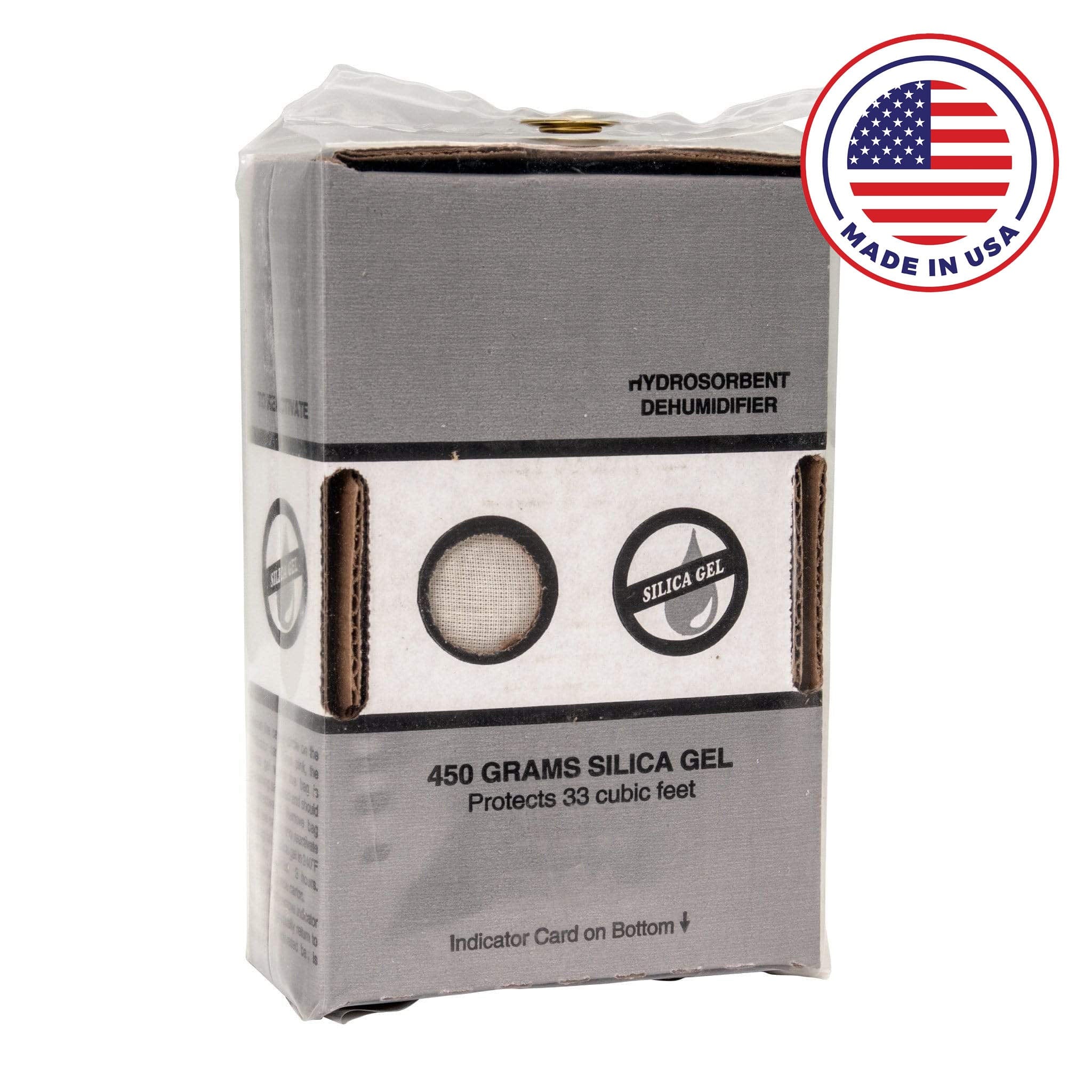
The heart of best safe absorber: silica vs desiccant is sizing. Most makers rate silica by volume control. A common rule: 30 to 60 grams of silica per cubic foot of safe space in damp rooms. Use the low end in dry homes. Use the high end in basements.
A simple sizing plan:
- Small document safe (1 to 2 cubic feet). Use 60 to 120 grams of silica.
- Mid gun safe (10 to 20 cubic feet). Use 300 to 800 grams total, split into packs.
- Large safe (20+ cubic feet). Use 1 to 1.5 kilograms, split into canisters.
Placement tips:
- Spread packs so air moves around them.
- Keep a pack on each shelf level.
- Avoid blocking vents or the door gap.
- Use a small fan inside only if the maker allows.

Recharge, replacement, and care
Care is part of the best safe absorber: silica vs desiccant question. Silica gel is easy to recharge. Many color beads turn from orange to green when wet. Bake per label. Typical bake time is 2 to 4 hours at 250°F to 300°F. Let cool in a dry spot before closing the safe.
Care tips I use:
- Recharge when the color changes or at least every 3 months in a basement.
- Weigh packs. If they gain 20% to 30% weight, they are loaded and need drying.
- Rotate two sets. One set in the safe, one set drying.
- Replace packs if the bag tears or beads crack badly.
Molecular sieve needs higher heat to recharge. Check the label. Some need 450°F or more.

Safety, odor, and contact risks
Safety also fits into best safe absorber: silica vs desiccant. Silica gel is non-toxic and odorless. But avoid eating it. Keep from pets and kids. Indicator beads can contain chemicals. Choose cobalt-free if you want to avoid cobalt dye.
Notes for specific materials:
- Do not put calcium chloride in a safe unless it sits in a solid spill-proof cup.
- Keep desiccants off photos and silver coins. Use a thin cloth barrier.
- Vent the oven when you recharge any desiccant. It will release moisture.

Cost and value over time
Smart buyers weigh the best safe absorber: silica vs desiccant by cost per year. Silica gel packs cost more up front than clay. But they recharge many times. Over three years, silica usually wins on cost per dry day.
What I see in the field:
- Silica canisters last years with easy recharges.
- Clay needs more recharges and may shed dust.
- Molecular sieve costs more but shines in cold or very dry targets.
- Calcium chloride needs refills. Brine disposal adds hassle.
Sustainability and disposal
There is a green side to best safe absorber: silica vs desiccant. Reusable options cut waste. Silica gel and molecular sieve are both reusable many times. Clay is natural but may not last as long. Calcium chloride creates liquid waste. Follow local rules for disposal.
Tips:
- Recharge more, replace less.
- Choose cobalt-free indicator beads.
- Store spent packs in sealed bags until you recharge or trash them.
When a passive desiccant is not enough
This is a key point in best safe absorber: silica vs desiccant debates. Sometimes the room is the issue. If your basement sits at 70% to 80% humidity year-round, a passive pack will work hard. Add a room dehumidifier or a safe heater rod. A low-watt rod raises air temperature a bit. That cuts condensation and helps your silica last longer.
Use both for best results:
- A safe rod to reduce moisture load.
- Silica gel to catch the rest.
- A hygrometer in the safe to check humidity daily.
Field notes and pro tips
From years of tests, here is how I apply best safe absorber: silica vs desiccant in real life. In a heated home office, a single 750-gram silica canister keeps a 16-cubic-foot safe at 42% RH. In a cold garage in winter, that same safe needed a mix: 500 grams silica plus 300 grams molecular sieve. The mix held 38% to 45% RH even when the door opened often.
More simple tips:
- Put a small digital hygrometer inside the safe door.
- Log humidity weekly. Adjust pack size if you trend above 50%.
- Open the safe less in humid weather. Each open lets wet air in.
- Add a door seal only if the maker supports it. Trapped moisture can spike if you seal wet air in.
Common mistakes to avoid
Let’s close the loop on best safe absorber: silica vs desiccant by avoiding pitfalls. These are the big ones I see:
- Using too little desiccant. Undersized packs get saturated in days.
- Skipping recharges. A wet pack is a paperweight.
- Using calcium chloride without a tray. Spills can ruin paper and steel.
- Over-drying wood stocks or leather. Keep RH above 35%.
- Ignoring the room. Fix room humidity first when it is very high.
Frequently Asked Questions of best safe absorber: silica vs desiccant
Is silica gel safe to use around guns and documents?
Yes. Silica gel is inert and non-corrosive. Keep packs intact and away from direct contact with photos and coins.
How often should I recharge desiccant packs?
Recharge when the indicator changes color or every 1 to 3 months, based on humidity. Basements need more frequent cycles.
What humidity level should a safe stay at?
Aim for 35% to 50% relative humidity. This range protects metal, paper, wood, and leather.
Can I use both a dehumidifier rod and silica packs?
Yes, and it works well. The rod reduces condensation while silica captures remaining moisture.
Do I need molecular sieve or is silica enough?
Silica is enough for most indoor safes. Molecular sieve helps in cold garages, cabins, or very low humidity targets.
Are cobalt indicator beads dangerous?
Cobalt-based beads can be a concern if ingested or inhaled as dust. Choose cobalt-free orange-to-green indicators when possible.
Will calcium chloride damage my safe?
It can if it spills, since it forms a brine. Use only in sealed trays and avoid direct contact with valuables.
How do I know if my desiccant is saturated without a color indicator?
Weigh the pack and track the weight gain. A 20% to 30% increase usually means it is time to recharge.
Can desiccants over-dry a safe?
Yes, if you use too much or use strong desiccants in small spaces. Keep humidity above 35% to protect wood and leather.
Does a bigger safe always need more desiccant?
Usually yes, but content matters too. More textiles and paper can buffer moisture and may need extra capacity.
Conclusion
The short answer still stands: silica gel is the best all-around absorber for most safes, while molecular sieve shines in harsh or cold conditions. With smart sizing, good placement, and routine recharges, you can keep your safe between 35% and 50% RH and stop rust, mold, and paper damage.
Set up a hygrometer, choose the right mix, and commit to a simple care routine. Try the steps today, track results for a week, and dial in your plan. Want more guides like this? Subscribe for updates or drop a question in the comments.