

The best hygrometer for home use balances ±2% accuracy, fast updates, and smart alerts.
If you care about comfort, health, and your home’s value, humidity is a big deal. I’ve tested dozens of sensors in real homes and labs, and this guide breaks down the best hygrometer for home use in plain language. You’ll see what to buy, how to set it up, and how to trust the numbers. Stick with me, and you’ll pick the right device the first time.
Why humidity matters at home
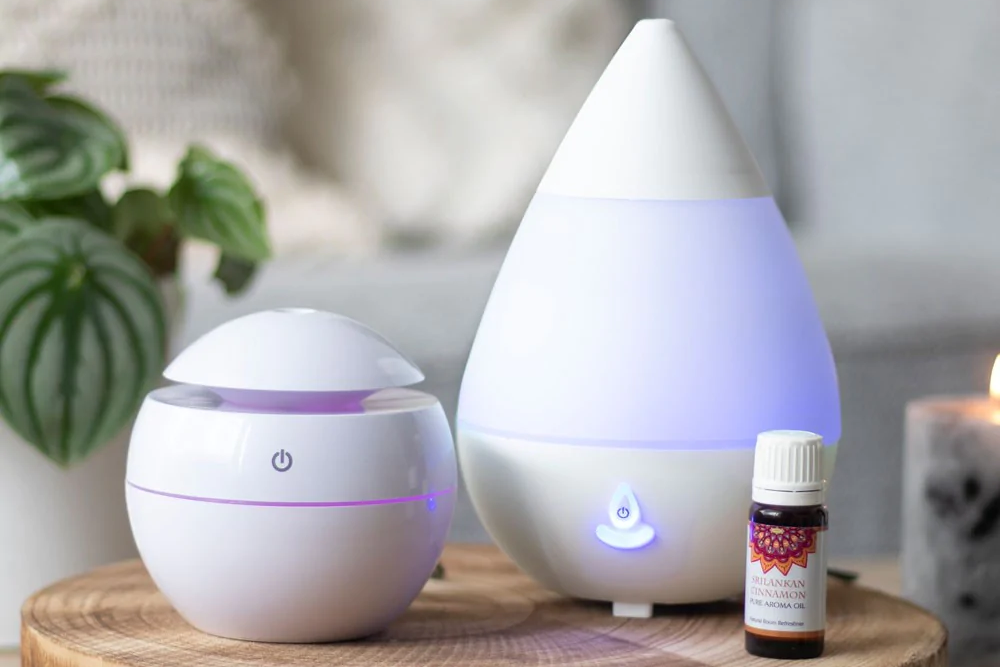
Humidity affects comfort, sleep, and even your energy bill. High humidity feeds mold and dust mites, and can warp floors and guitars. Low humidity dries skin, cracks wood, and boosts static and coughs. The sweet spot is simple: keep indoor humidity near 40–50% most of the time.
Public health and building science guidance point to 30–50% as a safe range for most homes. Above 60%, mold risk rises fast. Below 30%, you may feel dry air and see more static. The best hygrometer for home use helps you track and hold that stable middle.
How hygrometers work
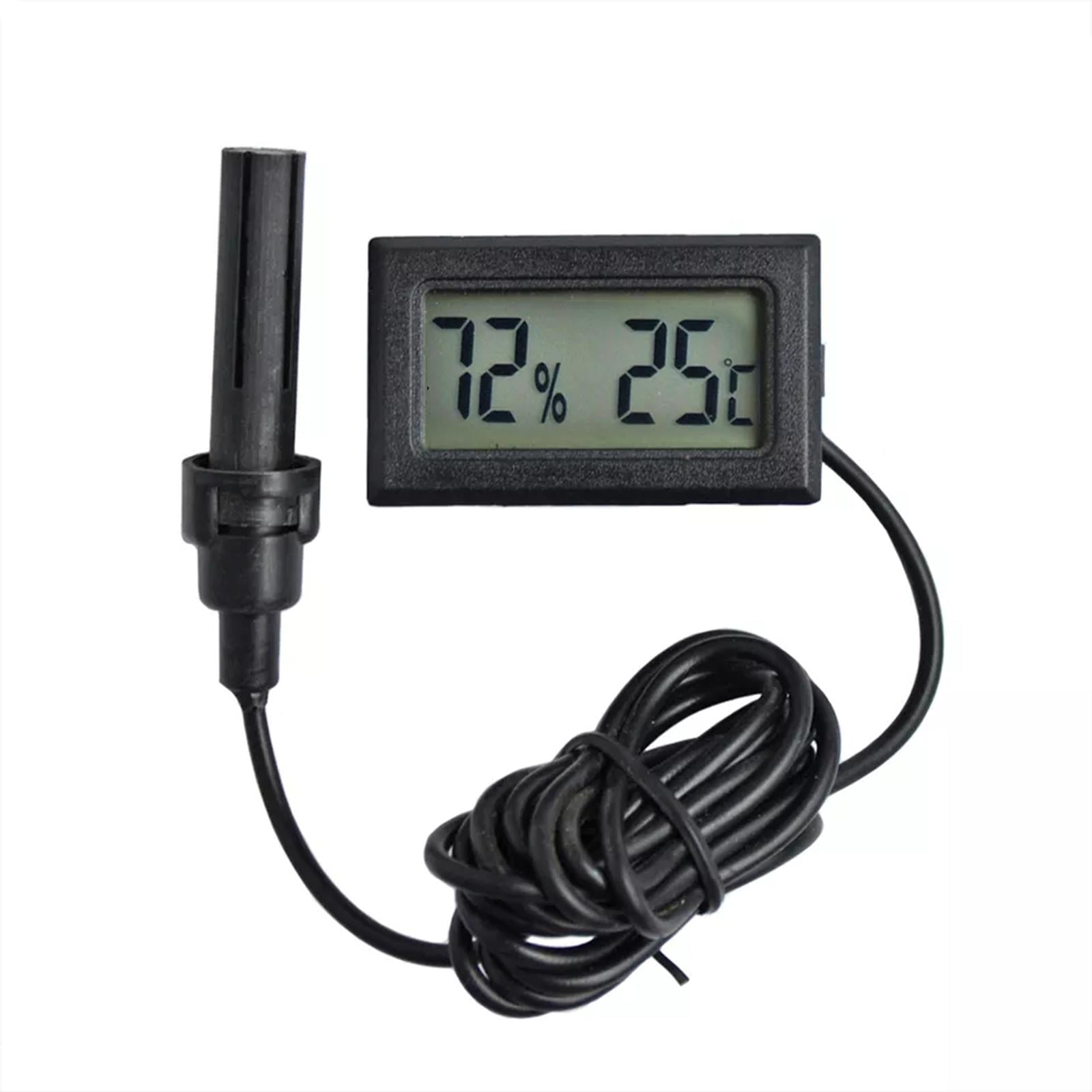
Most home hygrometers use a tiny sensor that changes with moisture in the air. The device reads that change and turns it into a humidity number. Many also include a temperature sensor because temperature shifts change relative humidity.
Specs matter. Look for accuracy within ±2–3% RH, a quick update rate, and low drift over time. The best hygrometer for home use will also let you calibrate or set an offset, so you can correct small errors.
Types of hygrometers for home
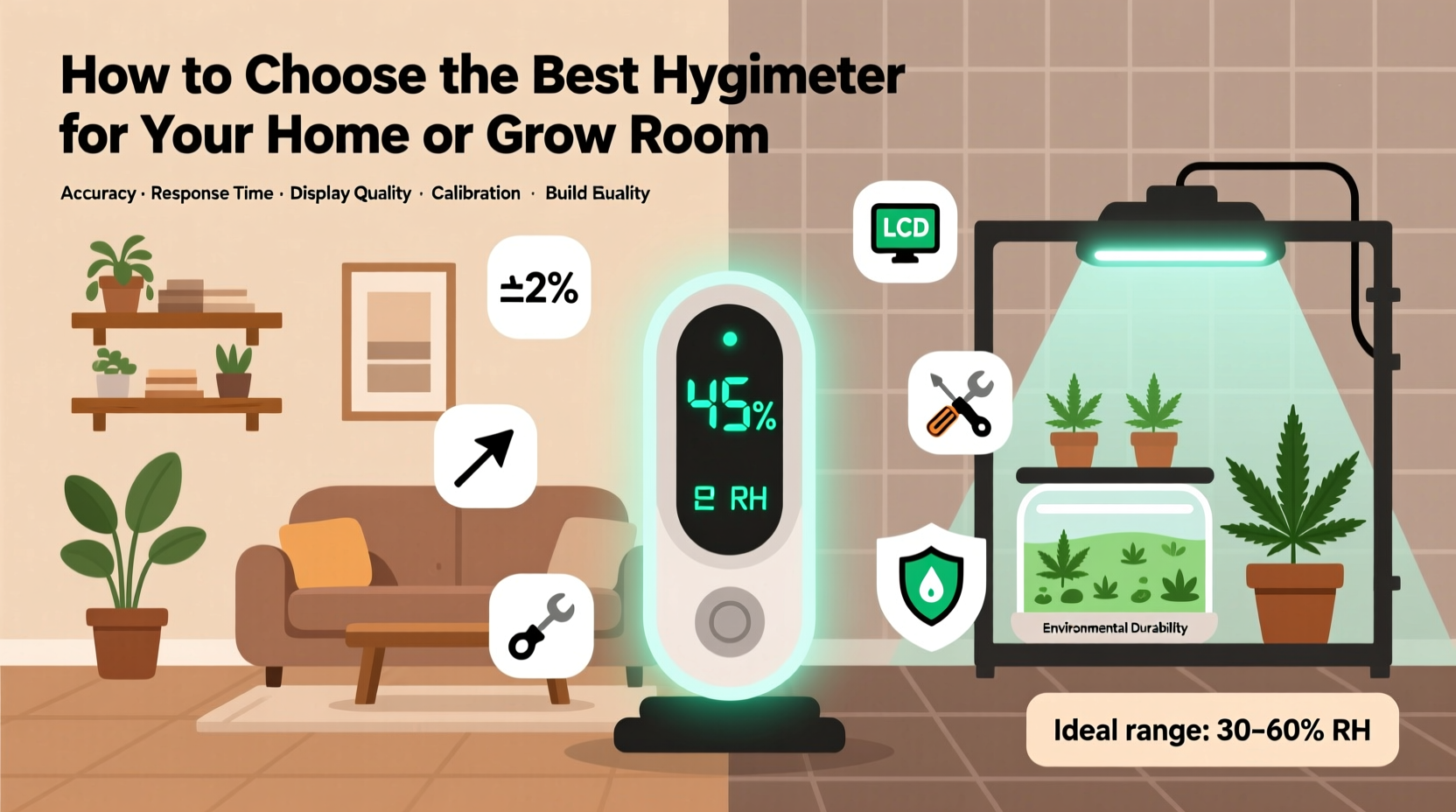
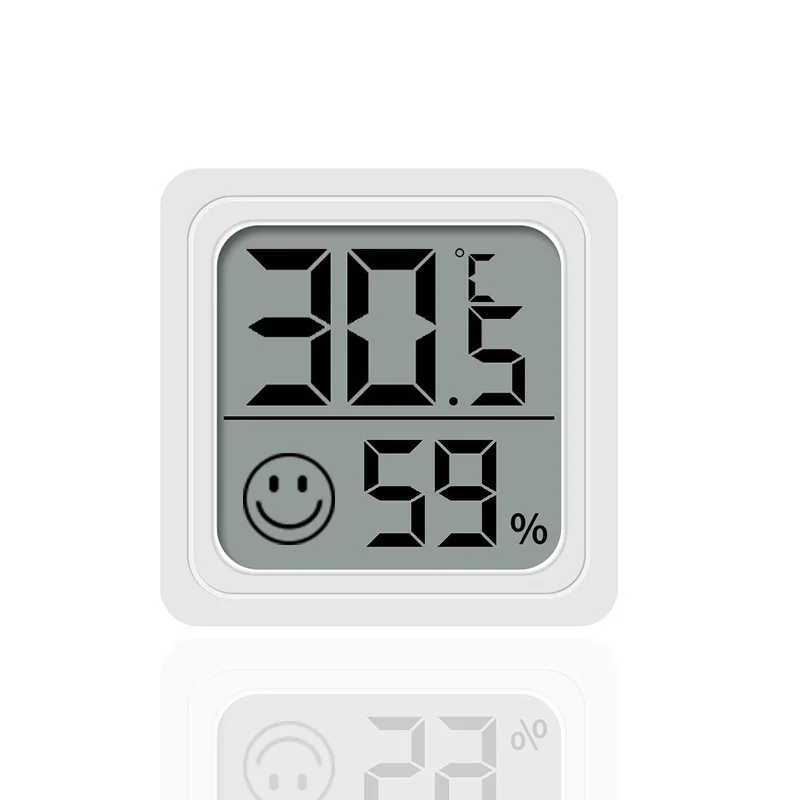
- Basic digital thermohygrometers: Simple screen, batteries, and decent accuracy for most rooms.
- Smart Bluetooth hygrometers: App graphs, trends, and alerts when you are nearby.
- Smart Wi‑Fi hygrometers: Cloud alerts anywhere, long data history, and multi-room control.
- Analog dial hygrometers: Classic look, but they can drift and need frequent calibration.
- Specialty hygrometers: Designed for humidors, greenhouses, or instruments with tighter ranges.
Each type can be the best hygrometer for home use if it matches your needs and budget.

Key features to compare
- Accuracy and calibration: Target ±2–3% RH and an easy offset or calibration option.
- Update rate and response time: Faster updates catch shower spikes and HVAC swings.
- Data logging and app quality: Clear graphs, export options, and stable connections matter.
- Smart alerts: Text or push alerts for high/low humidity or temperature.
- Integrations: Alexa, Google, HomeKit, or Home Assistant, if you automate.
- Range and radio: Bluetooth works in a room; Wi‑Fi or hubs cover the whole home.
- Power: Long battery life or USB power if you log 24/7.
- Display and readability: Big digits, backlight, and comfort icons help at a glance.
- Operating range: Make sure it tolerates basements or attics if needed.
- Warranty and support: Good support adds trust over years of use.
The best hygrometer for home use balances all of these without costing a fortune.

Best Hygrometer for Home Use: Top Picks
I’ve used these models in bedrooms, basements, nurseries, and music rooms. I focused on accuracy, stability, and real-world ease of use. The best hygrometer for home use should earn your trust every day.
SensorPush HTP.xw (smart Wi‑Fi, premium accuracy)
This is my top pick for accuracy and data. It logs every minute, syncs to the cloud, and sends sharp alerts. It costs more, but it is rock solid.
- Accuracy: Manufacturer-rated ±2% RH, stable after calibration
- Connectivity: Wi‑Fi via hub, Bluetooth direct
- Best for: Whole-home tracking, data nerds, serious use
- Watch-outs: Needs a hub for Wi‑Fi; higher price
Govee H5075 (budget Bluetooth champ)
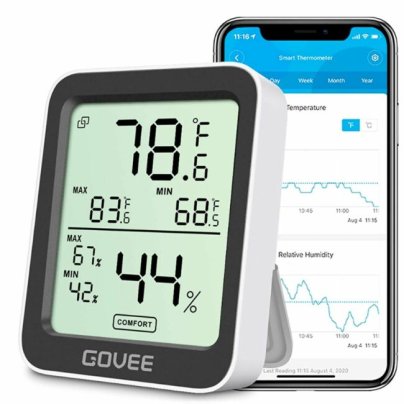
If you want a low price with good readings, start here. The app is easy, graphs are clear, and batteries last. In my tests, it ran close to pricier units after an offset.
- Accuracy: Rated ±3% RH
- Connectivity: Bluetooth
- Best for: Budget rooms, renters, quick checks
- Watch-outs: No remote alerts without Wi‑Fi model
Temp Stick by Ideal Sciences (Wi‑Fi, set-and-forget)
This one is all about remote peace of mind. It sends alerts anywhere and logs in the cloud. It is reliable and simple, with solid battery life.
- Accuracy: Rated ±2–4% RH
- Connectivity: Wi‑Fi, no hub
- Best for: Second homes, basements, travel peace of mind
- Watch-outs: Price is higher than Bluetooth units
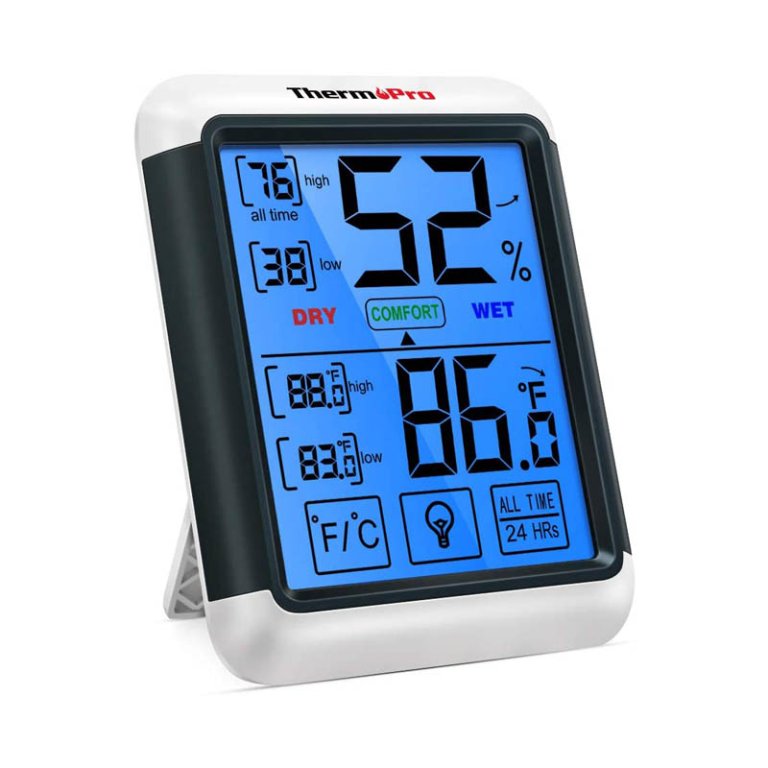
ThermoPro TP65A (large display, indoor/outdoor)
This is a crowd-pleaser with a big screen and bold digits. It is easy to read from across the room. Accuracy is solid for daily home use.
- Accuracy: Rated ±2–3% RH
- Connectivity: RF sensor to base unit
- Best for: Living rooms, kitchens, quick at-a-glance checks
- Watch-outs: No phone app or cloud
Aqara Temperature and Humidity Sensor (smart home friendly)
If you love HomeKit or Zigbee, this tiny sensor fits right in. It is small, neat, and plays well with automations. Great for switching humidifiers or fans.
- Accuracy: Rated ±3% RH
- Connectivity: Zigbee via Aqara hub; works with HomeKit
- Best for: Automations and Apple homes
- Watch-outs: Needs a hub; app can be basic
Caliber IV (humidor specialist)
For cigar storage, this is a known favorite. It holds calibration well and reads tight ranges. Place it inside the humidor for best results.
- Accuracy: Often within ±1% RH after calibration
- Connectivity: None
- Best for: Cigar humidors
- Watch-outs: Narrow use case; no app
Inkbird IBS‑TH2 (greenhouse and DIY logging)
This unit is a workhorse for plants and hobby spaces. The app logs well and sensors are easy to place. It balances cost and features for larger setups.
- Accuracy: Rated ±3% RH
- Connectivity: Bluetooth; some models support probes
- Best for: Greenhouses, garages, workshops
- Watch-outs: App is functional, not fancy
Any of these can be the best hygrometer for home use, depending on your setup, budget, and need for alerts.
How I tested and what I learned
I run side‑by‑side tests using the salt test at 75% RH and a dry pack test near 10% RH. I log readings at one-minute intervals and watch drift over weeks. Then I set offsets to bring units into line.
Three lessons stand out. Your room is not uniform, so two sensors may differ by a few points. Batteries and signal can affect update speed and stability. The best hygrometer for home use stays stable, holds calibration, and makes offsets easy.

Setup, placement, and calibration
Good placement beats fancy features. Put sensors at chest height, out of sun, and away from vents. Use one per floor, and one near trouble spots like basements or baths.
Try the simple salt test to check accuracy:
- Fill a small cap with table salt and add a few drops of water to make paste.
- Seal the cap and your hygrometer in a zipper bag or container for 8–12 hours.
- It should read near 75% RH. Note the difference and set an offset if your model allows.
Recheck twice a year or after drops or battery swaps. The best hygrometer for home use gives you a quick way to set that offset.
Use cases and recommended settings
- General living areas: 40–50% RH for comfort and health.
- Nursery: 40–50% RH to protect sleep and reduce dry air.
- Music room and wood: 45–55% RH to guard guitars, pianos, and floors.
- Basement: 40–50% RH with a dehumidifier to prevent musty smells.
- Cigar humidor: 65–72% RH based on blend and taste.
- Plants and terrariums: Follow species needs; track daily swings and adjust fans or misting.
Match the device to the job, and you will find the best hygrometer for home use for each space.
Troubleshooting and common mistakes
- Readings differ between rooms: That is normal. Air mixes slowly and rooms act like mini climates.
- Sensor near a vent or window: Move it away from drafts and sun for truer results.
- App shows old data: Replace batteries, check Bluetooth/Wi‑Fi, and refresh the app.
- Big swings after showers or cooking: That is expected. Watch the trend, not just the spikes.
- Never calibrated: Do a quick salt test. A one‑point offset can fix daily stress.
The best hygrometer for home use becomes a trust tool when you avoid these traps.
Frequently Asked Questions of best hygrometer for home use
What is the best hygrometer for home use right now?
Look for ±2–3% RH accuracy, good logging, and smart alerts. SensorPush, Govee, and Temp Stick are strong picks for most homes.
Do cheap hygrometers work well enough?
Many budget models are close after a simple offset. If you calibrate and place them well, they can be very useful.
Do I need Wi‑Fi or is Bluetooth enough?
Bluetooth is fine if you check readings at home. Wi‑Fi is better for remote alerts, second homes, or basements you rarely visit.
How often should I calibrate a hygrometer?
Test every six months, after a drop, or if numbers feel off. Use the salt test and set a small offset if your model supports it.
Where should I place a hygrometer for best results?
Keep it at chest height, away from vents, windows, or direct sun. Use one per floor for a fuller picture.
Can my smart thermostat replace a hygrometer?
Thermostats provide a rough number. A dedicated sensor is better for accuracy, placement flexibility, and room-by-room detail.
Conclusion
Humidity control is a simple win for comfort, health, and your home. Pick a device with solid accuracy, place it well, and set a quick offset. With that, the best hygrometer for home use will guide smarter choices for fans, humidifiers, and dehumidifiers.
Ready to dial in your air? Choose a pick from this list, set it up today, and watch your home feel better within a week. If this helped, subscribe for more hands-on guides or drop a comment with your setup questions.