

Silica gel is the best all-purpose desiccant for moisture absorption in most home uses.
If you want a simple, safe, and effective solution, start there. But the best desiccant for moisture absorption can change with your space, your gear, and your climate. I’ve tested packets in camera bags, buckets in damp closets, and molecular sieve in cold storage. In this guide, I’ll break down what works, why it works, and how to size it right so you avoid waste and get real results.
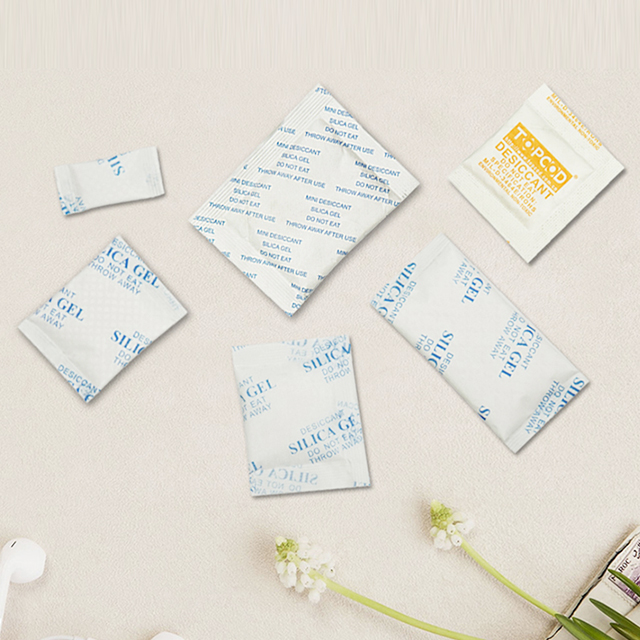
What makes a desiccant “best” for your needs
Desiccants trap water from the air. Some grab water on their surface. Some turn it into a liquid brine. The best desiccant for moisture absorption meets your goal with the least fuss and cost.
Look at a few key points:
- Capacity. How much water can it hold before it stops working.
- Speed. How fast it pulls moisture down after a door opens or a lid lifts.
- Low humidity power. Can it keep relative humidity very low if needed.
- Safety. Is it food-safe, leak-free, and low dust.
- Reuse. Can you dry it out and use it again.
- Cost and supply. Is it easy to buy in the size you need.
In real life, the best desiccant for moisture absorption is the one that fits your space and risk. A camera case needs a different plan than a damp garage. A gun safe is not the same as a spice cabinet. You want control, not guesswork.
The top desiccant types compared
Here is a quick, plain-English look at common options and where they shine.
Silica gel
- What it is: Porous beads that adsorb water on the surface.
- Why it’s great: High capacity for its size. Non-toxic. Food-safe grades exist. Simple to recharge in an oven.
- Best uses: General storage, electronics, cameras, shoes, tool cases, gun safes.
- Tip: Color-change beads help you see when it is full.
Molecular sieve (zeolite)
- What it is: Crystals with uniform pores that pull water even at very low humidity.
- Why it’s great: Works when you need very dry air or cold temps. Keeps dew point very low.
- Best uses: Sealed optics, lab gear, double-pane windows, refrigerant systems.
- Tip: Needs higher heat to recharge. More costly than silica gel.
Calcium chloride
- What it is: Salt that absorbs water and turns to liquid brine.
- Why it’s great: Huge capacity. Great for rooms, closets, RVs, and boats.
- Best uses: Damp spaces with ongoing moisture. Long-term room drying.
- Caution: It can leak. Keep upright. Not for sealed gear or food.
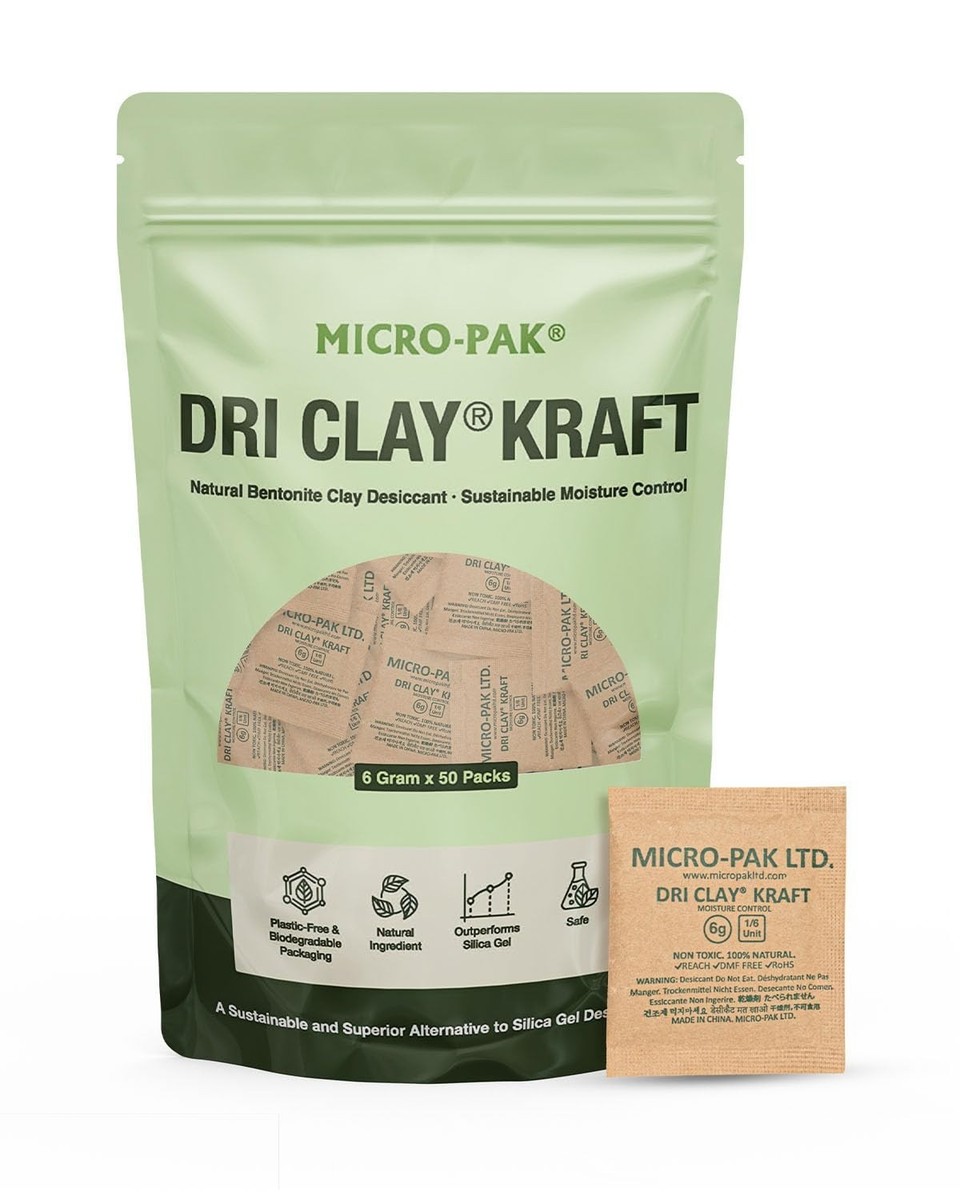
Clay (bentonite)
- What it is: Natural clay that adsorbs water.
- Why it’s great: Low cost. Good for shipping and bulk storage.
- Best uses: Boxes, bins, warehouse packs, basic closet use.
- Tip: Works best at room temp. Capacity drops in heat.
Activated alumina
- What it is: Porous aluminum oxide beads.
- Why it’s great: Tough, reusable, and good at higher temps.
- Best uses: Compressed air dryers, industrial uses, some dry cabinets.
- Tip: Often overkill for home use unless you need heat resistance.
Calcium sulfate (often called Drierite)
- What it is: A stable salt that adsorbs modest amounts of water.
- Why it’s great: Very stable, low dust, popular in labs.
- Best uses: Small sealed setups, lab jars, glove boxes.
- Tip: Capacity is modest. Plan for more frequent changes.
From field use and industry data, silica gel is the best desiccant for moisture absorption for most home and hobby tasks. Molecular sieve wins when you must keep air very dry. Calcium chloride wins for damp rooms.

The best desiccant for moisture absorption by use case
You get the best results when you match the desiccant to the job. Here’s how I set things up for clients and in my own spaces.
Electronics, cameras, and lenses
- Best pick: Silica gel or molecular sieve for cold or very low humidity needs.
- Why: No leaks, quick response. Add an indicator card to track RH.
Food storage and spices
- Best pick: Food-grade silica gel.
- Why: Non-toxic, no odor, safe when used as directed. Keep packets out of direct contact if possible.
Gun safes and ammo
- Best pick: Silica gel canister or renewable dehumidifier rod plus packets.
- Why: Steady control without liquid. Easy to recharge.
Closets, bathrooms, RVs, and boats
- Best pick: Calcium chloride bucket or hanging bag.
- Why: High capacity for damp air. Place a tray under it to catch brine.
Shipping boxes and storage bins
- Best pick: Clay or silica gel packets sized to the container.
- Why: Low cost for bulk, solid protection in sealed or semi-sealed spaces.
Basements and sheds
- Best pick: Calcium chloride for open areas; silica gel for sealed trunks or cases.
- Why: Use liquid style for space, solid style for containers.
If you need the best desiccant for moisture absorption in a small, sealed case, pick silica gel. If you need the best desiccant for moisture absorption in a damp room, pick calcium chloride. For ultra-dry targets, molecular sieve is the best desiccant for moisture absorption due to its low RH hold.

How to size and place desiccants
Right size matters more than brand. A small packet in a big closet will not help. A bucket in a sealed case is overkill and messy.
Quick rules I use:
- For sealed cases and bins: Start with 10–20 grams of silica gel per cubic foot of volume.
- For loose-lid totes or frequent door openings: Use 20–40 grams per cubic foot.
- For rooms and closets: Use calcium chloride products sized by space, then check fill rate and add more if it fills fast.
Placement tips:
- Put packets near air gaps where fresh air sneaks in.
- Spread packets, do not pile them in one corner.
- Use a humidity indicator card to verify results. Aim for your target RH, not a guess.
- Replace or recharge when the card shows a rise or the beads change color.
These steps help you dial in the best desiccant for moisture absorption without wasting money. Test, observe, and adjust until you hit the RH target you need.

Storage, recharge, and disposal
You can reuse many solid desiccants. You only need dry heat and a little time.
Recharge basics
- Silica gel: Dry in an oven at 200–250°F (93–120°C) until the indicator turns back or for 1–3 hours. Avoid microwaves unless the maker says it is safe.
- Molecular sieve: Needs higher heat. Follow the product data. Often 450°F+ in controlled systems.
- Clay: Can be recharged at low oven temps, but it loses capacity over cycles.
- Calcium chloride: Do not recharge. It turns to liquid. Replace when full.
Storage tips
- Keep fresh packets in an airtight jar or bag until use.
- Label jars with date and weight if you want to track gains in water.
Disposal
- Silica gel and clay can go in trash in most areas. Check local rules.
- Calcium chloride brine is salty water. Do not pour near plants or metal. Follow local guidance for drains or sealed trash.
These habits keep your setup safe and make the best desiccant for moisture absorption last longer.

Safety and compliance
Safety is part of picking the best desiccant for moisture absorption. A few quick checks go a long way.
What to check
- Food contact: Look for food-grade silica gel for food storage.
- Dyes: Some blue indicator beads use cobalt chloride. Many brands now use safer orange-to-green dyes. Read the label.
- Pets and kids: Keep packets out of reach. Do not eat. Use canisters when possible.
- Dust: Choose low-dust beads or mesh bags for sensitive optics and electronics.
- Labels: Follow maker heat limits for recharging to avoid damage.
If you sell or ship products, pick packets that meet standard unit ratings and labeling. It helps with audits and makes performance more clear.
Cost and smart buying tips
You do not need to overspend to get strong results. You need the right match.
What to look for
- Clear specs: Capacity, bead type, and indicator status.
- Right form: Packets for small spaces. Canisters for safes. Buckets for rooms.
- Bulk value: Buying a few hundred small packets can cut cost per unit a lot.
- Proof: Get a humidity card. It shows if the best desiccant for moisture absorption is doing the job.
- Reuse plan: Reusable canisters pay off fast if you recharge on a schedule.
A simple trick I use: weigh a new silica gel canister and write the weight. Weigh it again when RH creeps up. The gain in grams equals water captured. It’s a nice feedback loop.

Real-world lessons and mistakes to avoid
I have made all the classic mistakes so you do not have to. These points come from camera cases, server shipments, and damp closets.
Lessons learned
- Under-sizing is the top fail. Use more than you think, then scale back if you stay too dry.
- Leaks matter. A leaky lid can beat the best desiccant for moisture absorption. Fix seals first.
- Do not mix types in one small case. Pick one and size it right.
- Track RH. Indicator cards cost little and end the guesswork.
- Cold storage needs special care. Use molecular sieve if you must keep things very dry in the cold.
These small steps make the best desiccant for moisture absorption work like a plan, not a wish.
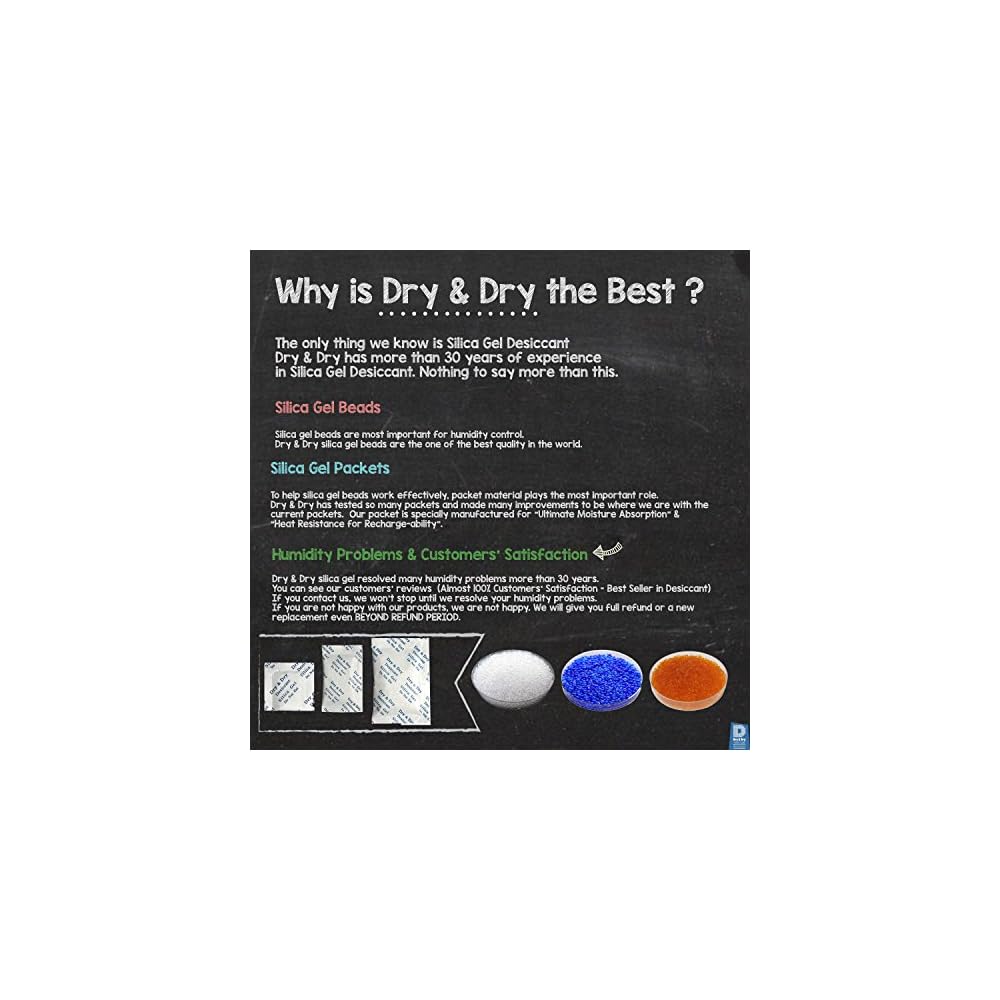
Frequently Asked Questions of best desiccant for moisture absorption
What is the best desiccant for moisture absorption in general?
Silica gel is the best choice for most home and hobby uses. It is safe, strong, and easy to recharge.
Which desiccant works best at very low humidity?
Molecular sieve holds very low RH and low dew points. It is ideal for optics, labs, and cold storage.
Is silica gel safe for food storage?
Yes, when labeled food-grade and used as directed. Keep packets out of direct contact with food when possible.
Can I reuse desiccant packets?
Silica gel, molecular sieve, and clay can often be recharged with dry heat. Follow the maker’s temperature guide to avoid damage.
How do I size desiccant for a sealed bin?
Start with 10–20 grams of silica gel per cubic foot. Use an indicator card and adjust as needed.
Is rice a good desiccant?
No. Rice absorbs very little water and can mold. Use silica gel for real results.
Are color-changing beads safe?
Many brands use safer orange-to-green dyes. Avoid older blue beads with cobalt chloride if possible.
Conclusion
You now know how to choose, size, and use the best desiccant for moisture absorption for your gear and spaces. Match the type to the job, seal the space, and verify with an indicator card. That simple loop gives you dry, safe storage with less waste.
Put this into action today. Pick one target spot and set it up right. If this helped, share it, subscribe for more practical guides, or drop a comment with your setup and results.