

For most drivers, bags win daily use; containers win high-moisture, long storage.
Choosing the best car absorber: bag vs container can feel tricky. I test these for real in wet winters and humid summers. In this guide, I break down how each works, what to expect, and how to get dry, fog-free glass fast. If you want the best car absorber: bag vs container, you will find clear, tested answers here.
What “car absorber” really means
When drivers say car absorber, they often mean a moisture absorber for the cabin. It is a simple tool. It pulls water from the air. Less moisture means less fog, less smell, and less rust risk.
The best car absorber: bag vs container depends on your climate, use, and goals. Bags are clean, light, and easy. Containers are strong, fast, and heavy-duty. Both help, but in different ways.
Think of a bag as a sponge you can recharge. Think of a container as a drain that turns damp air into liquid brine. If you want the best car absorber: bag vs container for your car, start by looking at your weather and where you park.

How each option works
Bag absorbers
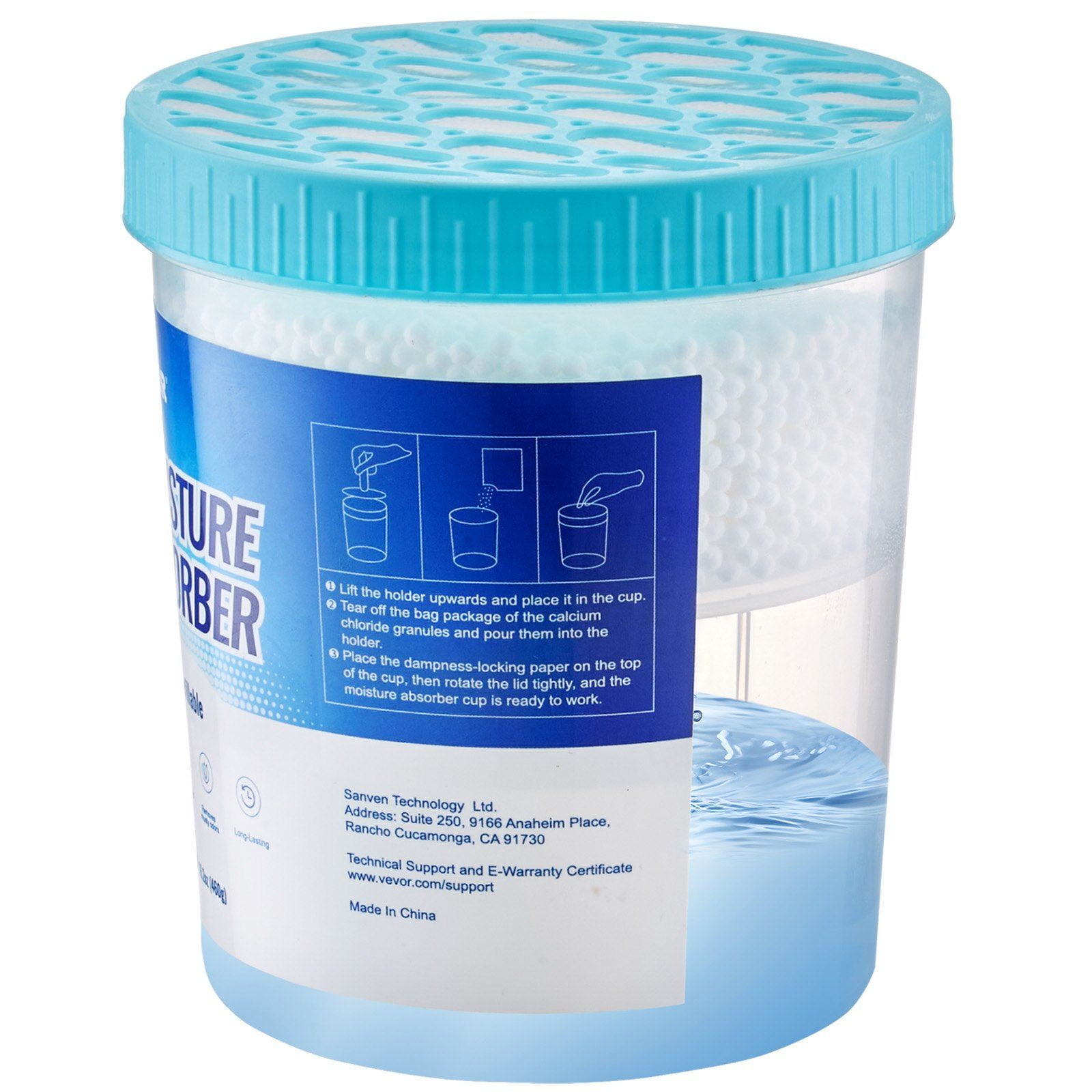
Most car moisture bags use silica gel, activated charcoal, or zeolite. They adsorb water on the surface of tiny pores. Many bags are reusable.
Pros:
- Clean and dry use No liquid mess in the cabin.
- Easy to place Small and light, fits on the dash or under a seat.
- Reusable Many recharge in the oven or sun.
Cons:
- Lower total capacity Works best for light to moderate moisture.
- Slower in severe damp May not keep up in soaked cabins.
Typical facts from makers and lab tests:
- Silica gel can hold about 25% to 40% of its weight in water.
- Charcoal also helps with odors but holds less water than silica.
- Recharge times vary from 2 to 3 hours at low heat.
Container absorbers
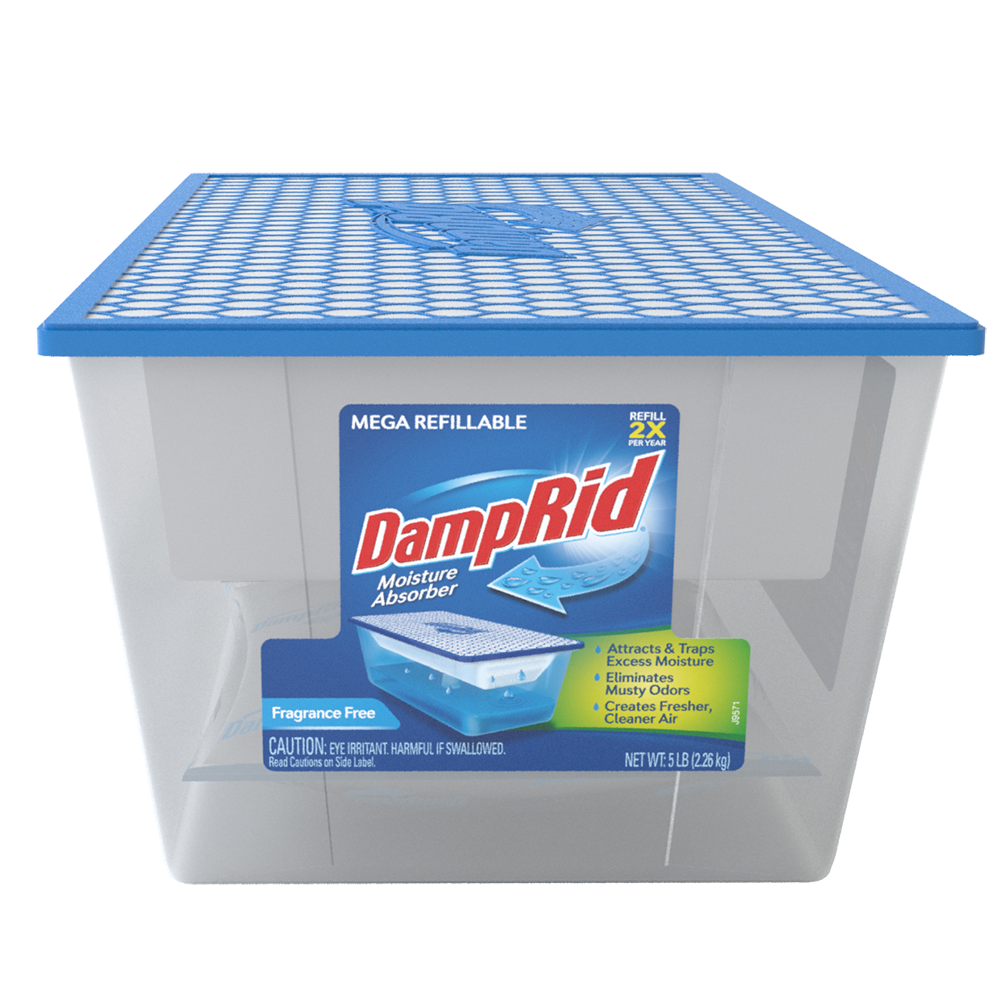
Containers use calcium chloride pellets or flakes. They pull water fast and form a salt brine. Some have anti-spill barriers.
Pros:
- High capacity Great for very damp cars or long storage.
- Fast pull-down in closed cabins Reduces fog quickly in tough cases.
Cons:
- Liquid brine risk Needs careful placement and stable mounts.
- Not reusable You replace refills when full.
Typical facts from makers and lab tests:
- Calcium chloride can hold over 200% of its weight as brine.
- Works well in cold air where bags slow down.
- Needs a tray or holder to avoid spills.
If you want the best car absorber: bag vs container for tough humidity, containers shine. For daily driving ease, bags shine. The best car absorber: bag vs container is not one-size-fits-all.

Head-to-head: performance, safety, and ease
Here is how I compare them after many seasons in the field and in garage tests. This will help you pick the best car absorber: bag vs container with confidence.
-
Capacity
- Bag: Low to medium. Great for routine moisture.
- Container: High. Best for soggy carpets and leaks.
-
Speed
- Bag: Steady, not instant. Works well overnight.
- Container: Faster pull-down in sealed cars.
-
Fog reduction
– Bag: Strong for light fog. Keeps glass clear in daily use.- Container: Strong for heavy fog or wet mats after rain or snow.
-
Spill risk
- Bag: None. Dry media stays contained.
- Container: Medium. Use a tray and keep it upright.
-
Reusability
- Bag: Yes. Recharge many times.
- Container: No. Replace refills.
-
Odor control
- Bag: Charcoal options help with smells.
- Container: Moisture drop helps, but no odor media.
-
Temperature range
- Bag: Slows in cold, still useful.
- Container: Works well in cold and damp.
-
Cost over time
- Bag: Low. One-time buy, periodic recharge.
- Container: Medium to high in very wet months.
-
Safety
- Bag: Keep from pets and kids, but low hazard.
- Container: Keep brine away from fabrics, metal, and skin.
Based on this, the best car absorber: bag vs container comes down to your pattern. Light daily damp favors bags. Heavy damp or storage favors containers. If you want a clear path to the best car absorber: bag vs container, match capacity to your cabin’s moisture load.

Real-world picks for common car situations
I have used both in my wagon, hatchback, and a classic project car. Here is what worked best.
-
Daily commuter, mild humidity
- Pick a 300 g silica bag. Place on the dash at night. It keeps the windshield clear by morning.
- Why it wins: Clean, simple, and zero spill.
-
Wet winter with snow and slush
- Start with a container for one week. Then swap to a bag for upkeep.
- Why it wins: Fast pull-down, then low-maintenance control.
-
Coastal parking, no garage
- Use two 300 g bags. One on the dash, one in the trunk.
- Why it wins: Steady control and odor help.
-
Weekend or classic car in storage
- Use a container with a stable tray. Check monthly.
- Why it wins: High capacity for long, closed storage.
-
Water leak or soaked carpets after a storm
- Fix the leak first. Use a container for three to five days. Follow with bags.
- Why it wins: Strong drying, then clean maintenance.
From my tests, the best car absorber: bag vs container often means using both at different times. You can switch based on seasons or events. That is the real key to the best car absorber: bag vs container.
How to size and place your absorber
Use this simple rule to get the best car absorber: bag vs container for your cabin size.
Sizing rules:
- Small car or coupe
- Bag: 300 g to 500 g total.
- Container: 300 g to 500 g pellets.
- Sedan or compact SUV
- Bag: 500 g to 1,000 g total, split in two spots.
- Container: 500 g to 1 kg pellets.
- Large SUV or van
- Bag: 1 kg to 1.5 kg total.
- Container: 1 kg to 1.5 kg pellets.
Placement tips:
- Keep airflow around the absorber. Do not trap it in a closed box.
- For bags, place on the dash or front footwell at night.
- For containers, use a stable tray on the floor behind a seat.
- Crack windows slightly only in dry, safe areas. In rain, keep sealed.
- Replace cabin air filters. A clean filter helps defog.
These steps improve results for the best car absorber: bag vs container across all cars.

Setup, care, and safety tips
Make the most of your gear and avoid mess.
For bags:
- Recharge silica gel in an oven at low heat per the label. Do not microwave if it has metal parts.
- Dry charcoal bags in sun for a few hours.
- Rotate two bags. Use one while the other recharges.
For containers:
- Seat it on a rigid tray. Keep it upright.
- Check weekly in wet months. Empty brine as directed.
- Keep brine off carpets and trim. It can stain or corrode.
General moisture fixes:
- Dry wet mats outside the car.
- Use the A/C with defrost. It removes moisture fast.
- Check door seals, sunroof drains, and trunk seals.
- Run the heater with fresh air mode to purge damp air.
Heed labels for every product you buy. That is part of using the best car absorber: bag vs container with safety and care.

Cost, footprint, and long-term value
Money and waste matter. Here is what to expect with the best car absorber: bag vs container.
-
Upfront cost
- Bags: About 10 to 25 dollars per 300–1,000 g kit.
- Containers: About 10 to 20 dollars with the first refill.
-
Ongoing cost
- Bags: Low. Energy cost to recharge is small.
- Containers: Refills add up in wet months.
-
Lifespan
- Bags: Many cycles if handled well. I have some past two years.
- Containers: Plastic holder lasts, but refills are single-use.
-
Waste
- Bags: Low waste. Just packaging and occasional bag replacement.
- Containers: More packaging and brine disposal.
-
Value take
- Light to medium damp: Bags give the best long-term value.
- Heavy damp or storage: Containers give the best results per day.
If you want the best car absorber: bag vs container for budget and impact, match the tool to your moisture load. That is how you win on cost and comfort.

The verdict: pick based on moisture load
Here is the simple call. For daily driving and mild to moderate damp, pick a bag. For severe damp, leaks, or long storage, pick a container. In many cases, start with a container and switch to a bag once dry. That is the practical way to get the best car absorber: bag vs container.
Use a hybrid plan if your seasons swing. I do this each winter and it works. If you want the best car absorber: bag vs container that saves time, go hybrid.
Frequently Asked Questions of best car absorber: bag vs container
Are moisture bags safe to leave on the dashboard?
Yes, if the product label allows it. Keep bags out of direct water and away from airbags.
Can a container leak brine in my car?
Yes, if tipped or overfilled. Use a stable tray and check levels weekly.
How often should I recharge a silica gel bag?
Recharge when the color dot changes or it feels heavy. This is often every 2 to 4 weeks in damp seasons.
Will a car absorber remove mold smell?
It helps a lot, but fix the source first. Dry carpets and clean vents for best results.
Do absorbers work in cold weather?
Yes, but bags slow down in very cold air. Containers with calcium chloride keep working well in the cold.
Can I use both a bag and a container together?
Yes. Use a container to pull down moisture fast, then keep a bag for daily control.
Are charcoal bags better than silica gel bags?
Charcoal helps with odors more. Silica gel holds more water by weight in most cases.
Conclusion
Dry air means clear glass, fresh smells, and less rust risk. Bags bring clean, simple control for daily use. Containers bring heavy-duty drying for big moisture loads and storage. Match the tool to the job, and you will win.
Try the plan that fits your life. Start small with a bag, or go strong with a container if your car is soaked. Share your results or questions below, and subscribe for more tested car care guides.