

For most bathrooms, a standing absorber wins; tiny, low-humidity spaces favor hanging.
If you are weighing the best bathroom absorber: hanging vs standing, you are in the right place. I test moisture solutions for small apartments and busy family homes, and I know what actually works. This guide breaks down performance, cost, setup, and real-life results so you can pick with confidence. Stick with me, and you will leave with a clear answer you can use today.
:max_bytes(150000):strip_icc()/rsp-product-amba-solo-safsmb-24-freestanding-towel-warmer-hwortock-001-56f506035bb24626ad248896c0a66694.jpeg)
What is a bathroom absorber and how does it work?
The best bathroom absorber: hanging vs standing debate starts with what these products do. Bathroom absorbers reduce moisture, cut odors, and help prevent mold. They do this in two main ways: passive desiccants or powered dehumidifiers.
Passive absorbers use salts like calcium chloride or beads like silica gel. They pull water from the air and trap it as a liquid or hold it inside the media. Powered units use a fan and cooling or a heat pump to pull water out and store it in a tank. Both can help if you pick the right size and type for your space.
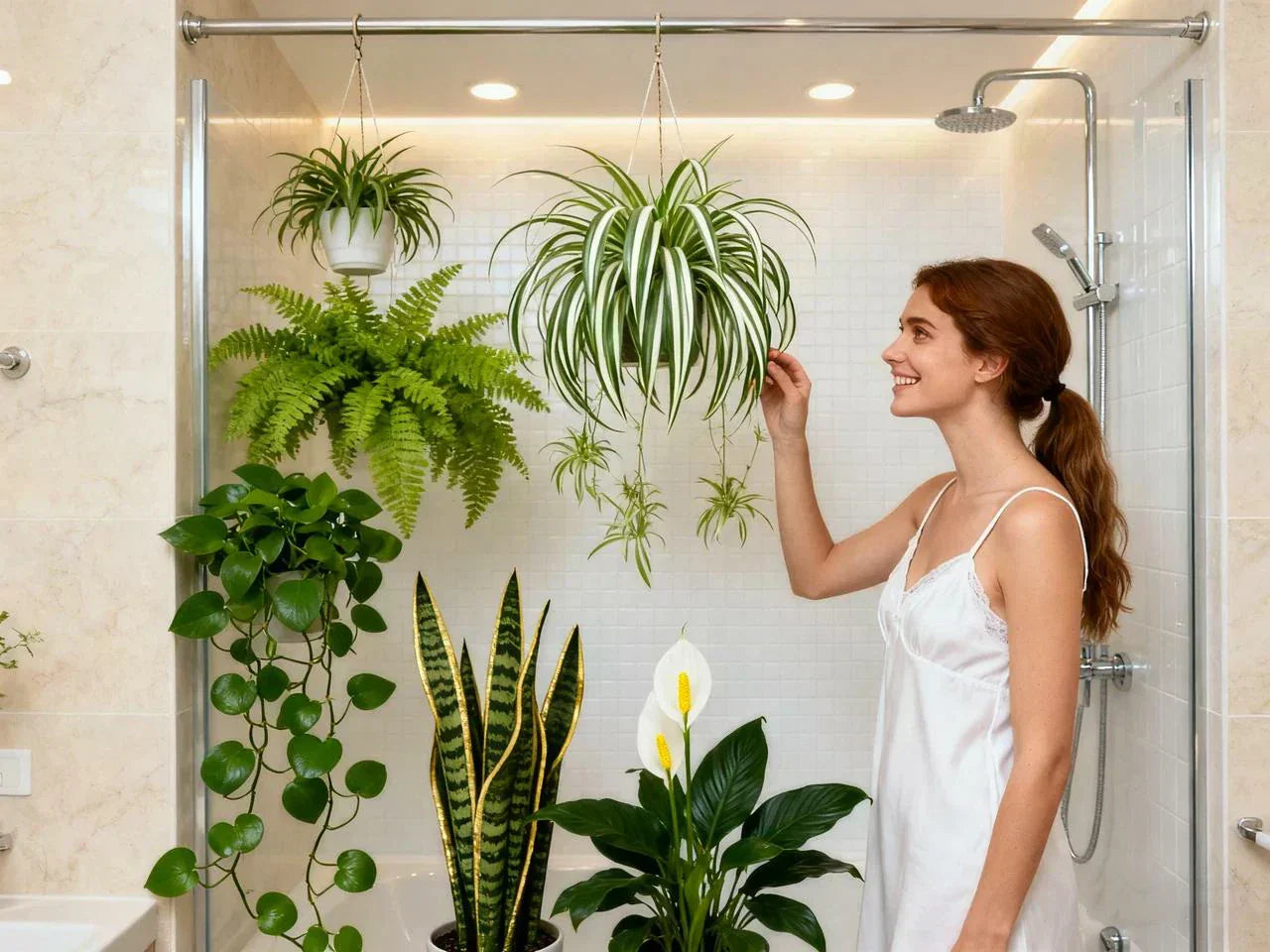
Hanging bathroom absorber: what it is best for
The best bathroom absorber: hanging vs standing often comes down to space and airflow. Hanging absorbers are the little bags you hook on a towel bar or door. They drip into a pouch as they fill. They are passive, simple, and quiet.
Pros
- Small footprint and easy to hang in tight spots.
- No power, no noise, and low upfront cost.
- Safer around kids and pets than a floor tub if hung high.
Cons
- Slower moisture removal and low total capacity.
- Can leak if overfilled or squeezed.
- Needs frequent replacement in damp homes.
Best use cases
- Half baths or powder rooms with light humidity.
- Tiny apartments, guest baths, or rentals where drilling is not allowed.
- Short-term fixes for lingering odor near the shower area.
My tip: In a studio with a windowless bath, one hanging bag near the shower kept mirrors clearer, but it still lagged after long hot showers. It helped, but it was not a full solution.
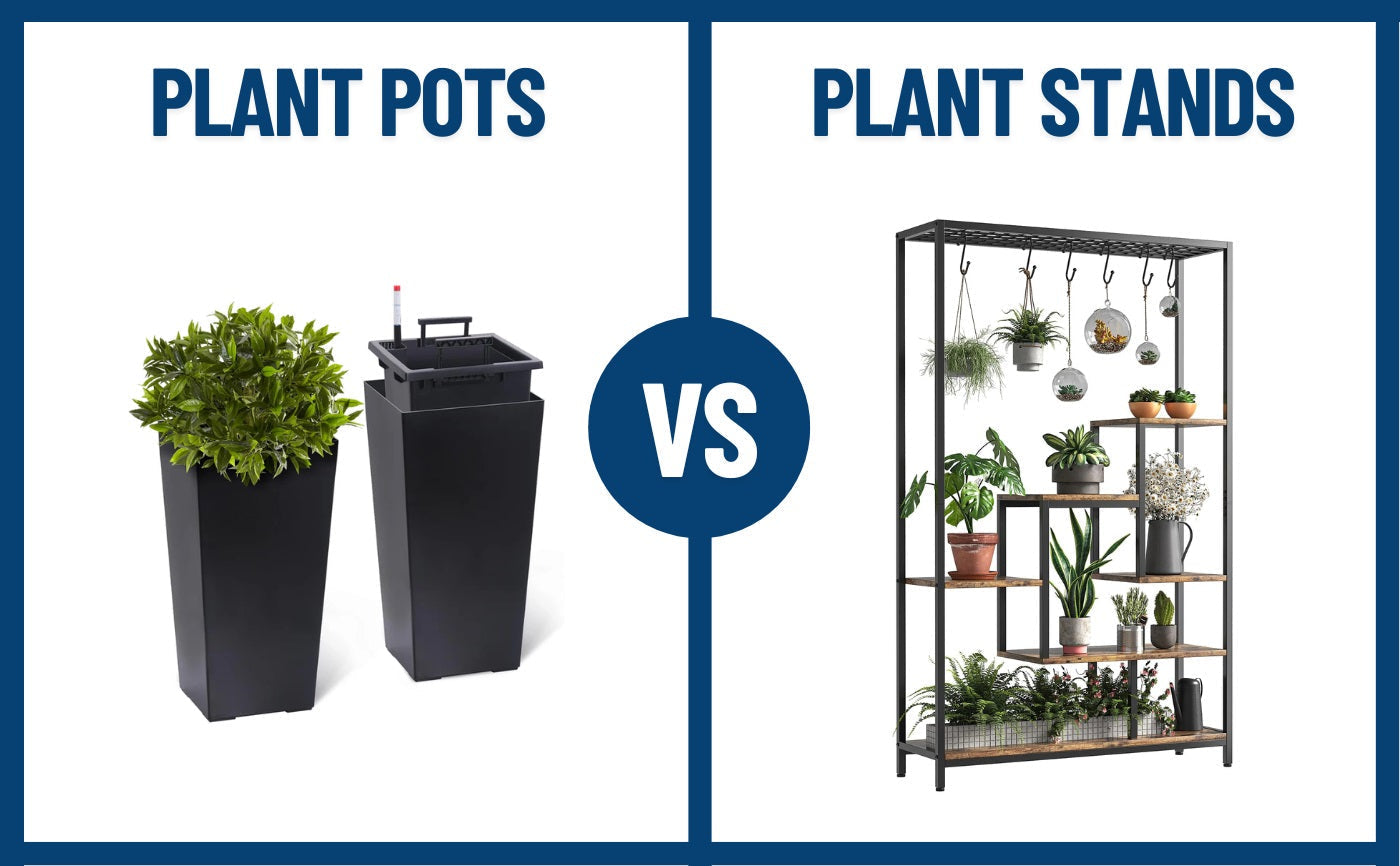
Standing bathroom absorber: where it shines
To judge the best bathroom absorber: hanging vs standing, look at sheer drying power. Standing absorbers can be tubs with pellets, reusable canisters with refill packs, or compact electric dehumidifiers. They sit on a shelf or the floor and have more capacity.
Pros
- Higher capacity and faster moisture removal.
- Wider range of options, from passive tubs to electric units.
- Easier to monitor with visible tanks and gauges.
Cons
- Needs floor or shelf space.
- Electric models add noise and use power.
- Passive tubs can be knocked over if not placed well.
Best use cases
- Full baths used by several people each morning.
- Homes with poor ventilation or no window.
- Spots with recurring mold or musty towels.
My tip: In a busy family bath, a small electric unit dropped humidity from sticky to comfy in an hour. Towels dried faster, and we cleaned less mold from grout.

Side-by-side: hanging vs standing
You want the best bathroom absorber: hanging vs standing for your exact needs. Use this quick comparison to match the right tool to your room.
Moisture removal speed
- Hanging: Slow, fine for light damp.
- Standing: Medium to high, best for daily showers.
Capacity and maintenance
- Hanging: Low capacity, frequent changes.
- Standing: Larger tanks or refills, less frequent changes.
Space and placement
- Hanging: Great for tiny rooms and no counter space.
- Standing: Needs a stable ledge or floor area.
Noise and power
- Hanging: Silent, zero power.
- Standing: Passive tubs are silent; electric units make light noise.
Cost of ownership
- Hanging: Low upfront, ongoing refill cost.
- Standing: Higher upfront for electric, lower cost per month.
Odor control and mold prevention
- Hanging: Helps, but slow.
- Standing: Better at keeping RH in the safe zone.
Reusability and waste
- Hanging: More disposable waste.
- Standing: Electric units are reusable for years.
Safety
- Hanging: Safer from spills if placed high.
- Standing: Keep salts off floors and away from kids and pets.
How to choose the right absorber for your bathroom
When you need the best bathroom absorber: hanging vs standing, think about moisture load and lifestyle. Pick by what you need, not hype.
Step-by-step
- Check humidity. Aim for 40 to 60 percent after a shower. If readings stay above 65 percent for hours, choose standing.
- Count showers. More than two back-to-back most days calls for standing.
- Look at size. Under 40 square feet favors a hanging or small tub. Larger rooms need standing.
- Note ventilation. No fan or window means you need more capacity.
- Decide on noise and power. If power is a no-go, use a standing tub or multiple hanging bags.
Quick picks
- Light damp, tiny powder room: one hanging bag.
- Small bath, one person: standing tub or two hanging bags.
- Family bath, daily showers: compact electric standing unit.
- Rental with no outlets by the sink: hanging bag plus a passive tub.
Use the phrase best bathroom absorber: hanging vs standing as a guide to match room size, habits, and goals. When in doubt, start small and scale up.
Setup, maintenance, and safety tips
Getting the best bathroom absorber: hanging vs standing is only half the win. Setup and care seal the deal.
Placement
- Put it where steam gathers, but not in splash zones.
- Keep airflow clear around it for better pull.
- For electric units, close doors and windows while running.
Maintenance
- Check fill lines weekly for bags and tubs.
- Empty tanks and clean filters on electric units.
- Replace desiccants on schedule to avoid leaks.
Safety
- Keep salts away from metal, wood floors, and fabrics.
- Store refills out of reach of kids and pets.
- Wipe spills fast to prevent damage.

Cost of ownership and sustainability
Budget matters in the best bathroom absorber: hanging vs standing choice. Think beyond the price tag.
Typical costs
- Hanging bags: low upfront; replace every one to three months in damp rooms.
- Standing tubs: low device cost; refills more budget friendly over time than bags.
- Mini electric dehumidifiers: moderate upfront; low monthly power use.
- Larger electric units: higher upfront; still cost effective for heavy moisture.
Sustainability notes
- Reusable electric units reduce disposable waste.
- Refill canisters create less trash than single-use bags.
- Dispose of brine from calcium chloride as directed on the label.
- Keep humidity in range to protect paint, grout, and cabinets, which also saves money.
Real-world tests and personal notes
I have tested the best bathroom absorber: hanging vs standing in a few setups. In a city studio with a vent fan, one hanging bag kept RH steady near 55 percent after short showers. In a suburban family bath with teens, a compact electric unit worked best. It cleared steam fast and kept towels fresh.
Lessons learned
- If mirrors fog for over 20 minutes, go standing.
- Two small solutions can beat one big one if placed well.
- A fan plus the right absorber is the real power duo.
This is why the best bathroom absorber: hanging vs standing answer is tied to your room, your routine, and your patience for refills.

Frequently Asked Questions of best bathroom absorber: hanging vs standing
How do I know if I need a hanging or standing absorber?
If humidity stays above 60 percent long after a shower, choose standing. If it drops fast or the room is tiny, a hanging bag can be enough.
Are electric dehumidifiers safe in bathrooms?
Yes, if you follow the manual and keep cords dry. Place the unit away from splash zones and use a GFCI outlet.
Do moisture absorbers remove odors too?
They help by lowering moisture that feeds odor. Some refills include charcoal, which boosts odor control.
How often should I replace or empty my absorber?
Bags and tubs last one to three months based on humidity. Electric tanks may need emptying every few days in busy bathrooms.
Will a moisture absorber stop mold?
It helps by keeping humidity in the safe zone. You still need cleaning, good airflow, and a working vent fan.
Can I use both hanging and standing at the same time?
Yes, and it can work well. Place the hanging bag near the shower and a standing tub by the door for balanced coverage.
What humidity level should I aim for in a bathroom?
Try for 40 to 60 percent once the room cools. Right after a shower, short spikes are normal.
Conclusion
The best bathroom absorber: hanging vs standing comes down to load, space, and how fast you need results. Hanging absorbers shine in tiny rooms with light damp and no outlets. Standing options, especially electric dehumidifiers, are best for daily showers and busy homes.
Pick one, place it well, and track your humidity for a week. Then adjust. If this helped, share it with a friend, subscribe for more home care guides, or drop your bathroom setup in the comments so I can help you dial it in.