

Basements need heavy-duty desiccants or dehumidifiers; bathrooms thrive with ventilation.
If you are weighing basement moisture absorber vs bathroom solutions, you’re in the right place. I’ve managed damp basements, foggy mirrors, and moldy grout. This guide breaks down what works, what fails, and why the best choice depends on the space, not the label on the box. You’ll get clear steps, real examples, and expert-tested picks so you can solve humidity fast and for good.
Basement vs bathroom moisture: what’s really different
Basements and bathrooms get wet for different reasons. That is the root of the basement moisture absorber vs bathroom debate. Basements pull moisture through walls and floors. Bathrooms add moisture from hot showers and poor airflow.
Basements stay cooler and damp longer. They often lack sunlight and ventilation. Bathrooms heat up, steam up, and then should vent out. That’s why a fan beats a jar of crystals in most baths.

Moisture absorbers 101: what works and why
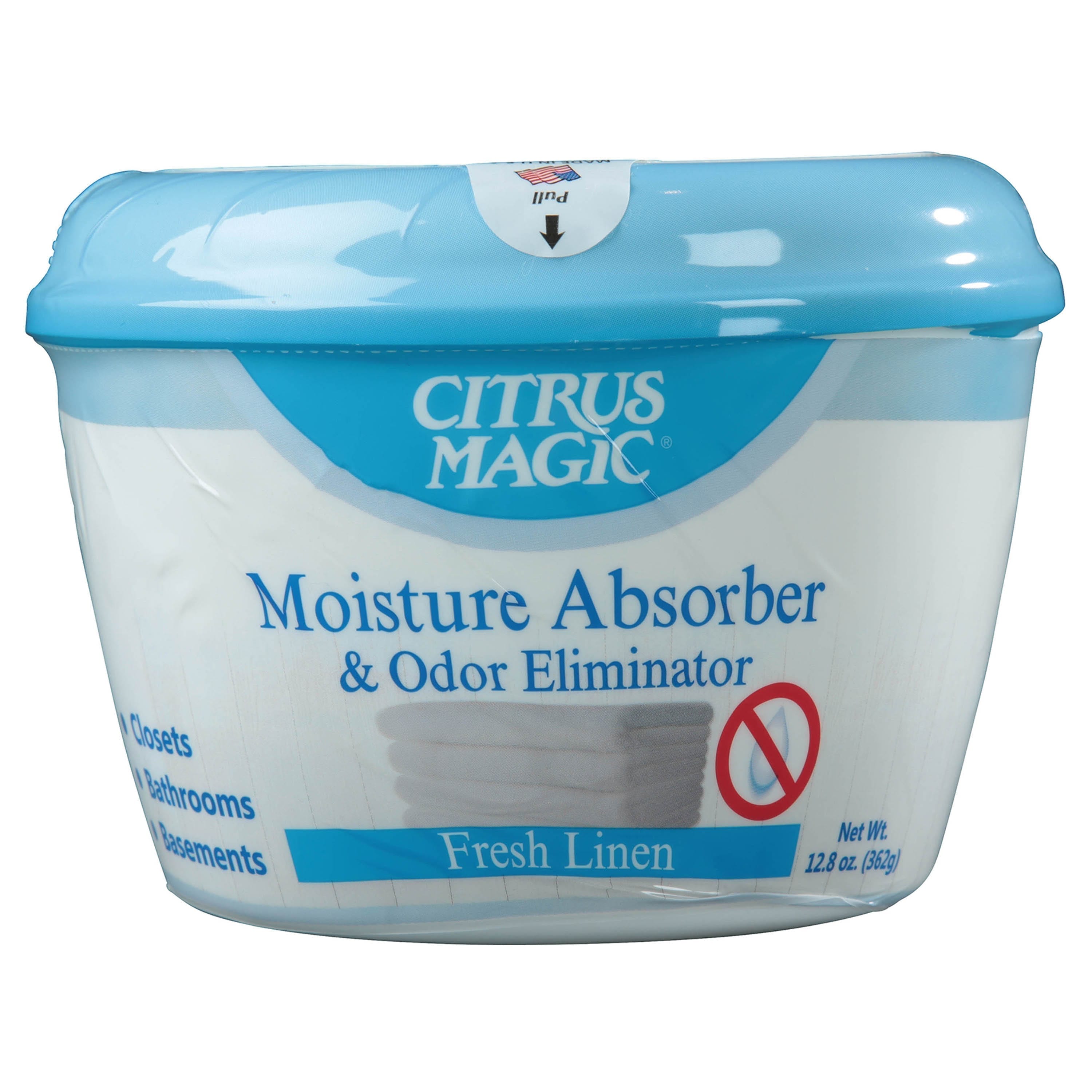
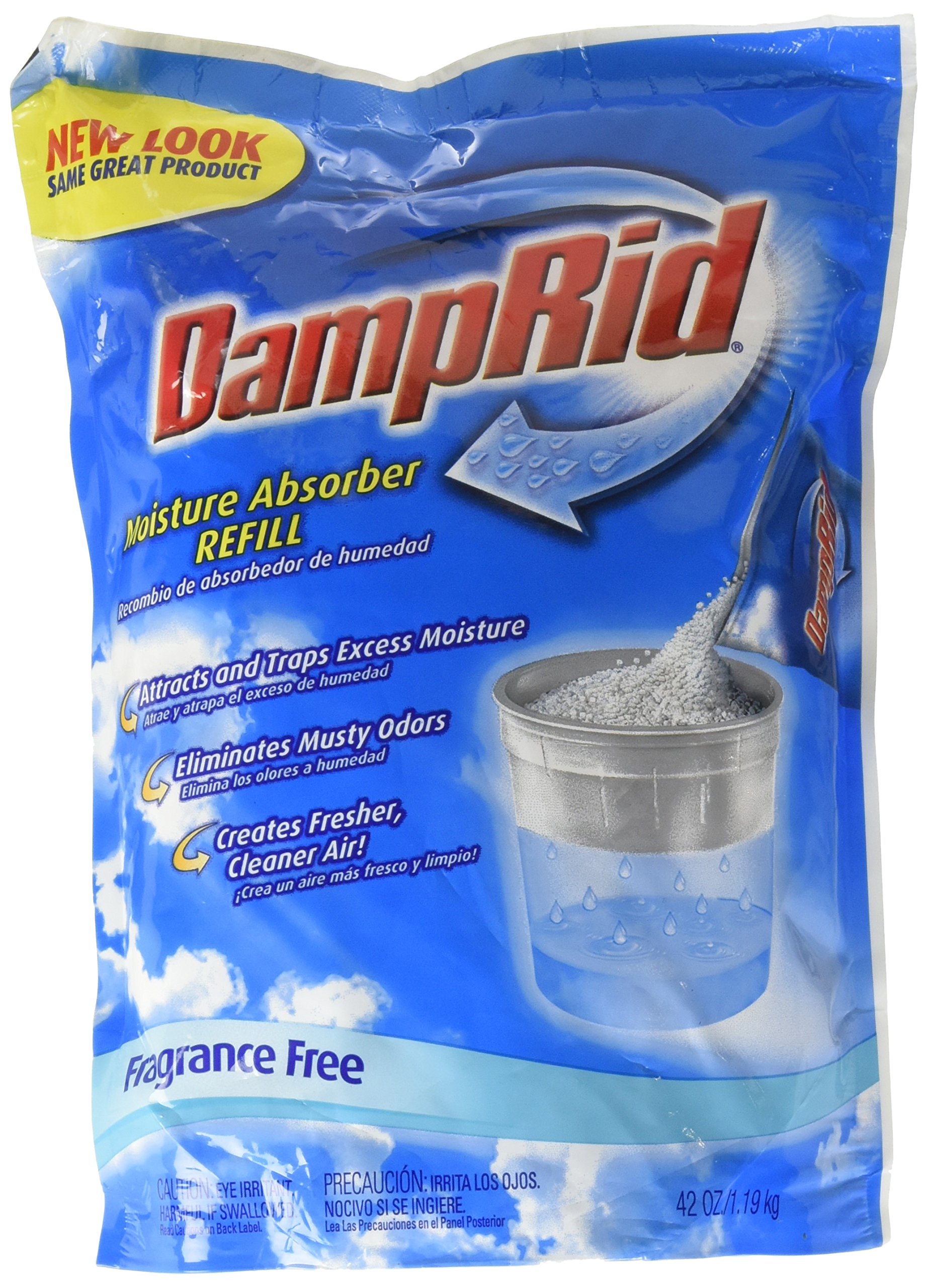
Moisture absorbers come in two main types: passive and powered. Passive units use desiccants like calcium chloride, silica gel, activated charcoal, or zeolite. They pull water from air and collect it in a cup or bag.
Powered units use electricity. Think dehumidifiers and exhaust fans. A dehumidifier lowers room humidity. An exhaust fan removes moist air at the source. For basement moisture absorber vs bathroom needs, this difference matters a lot.
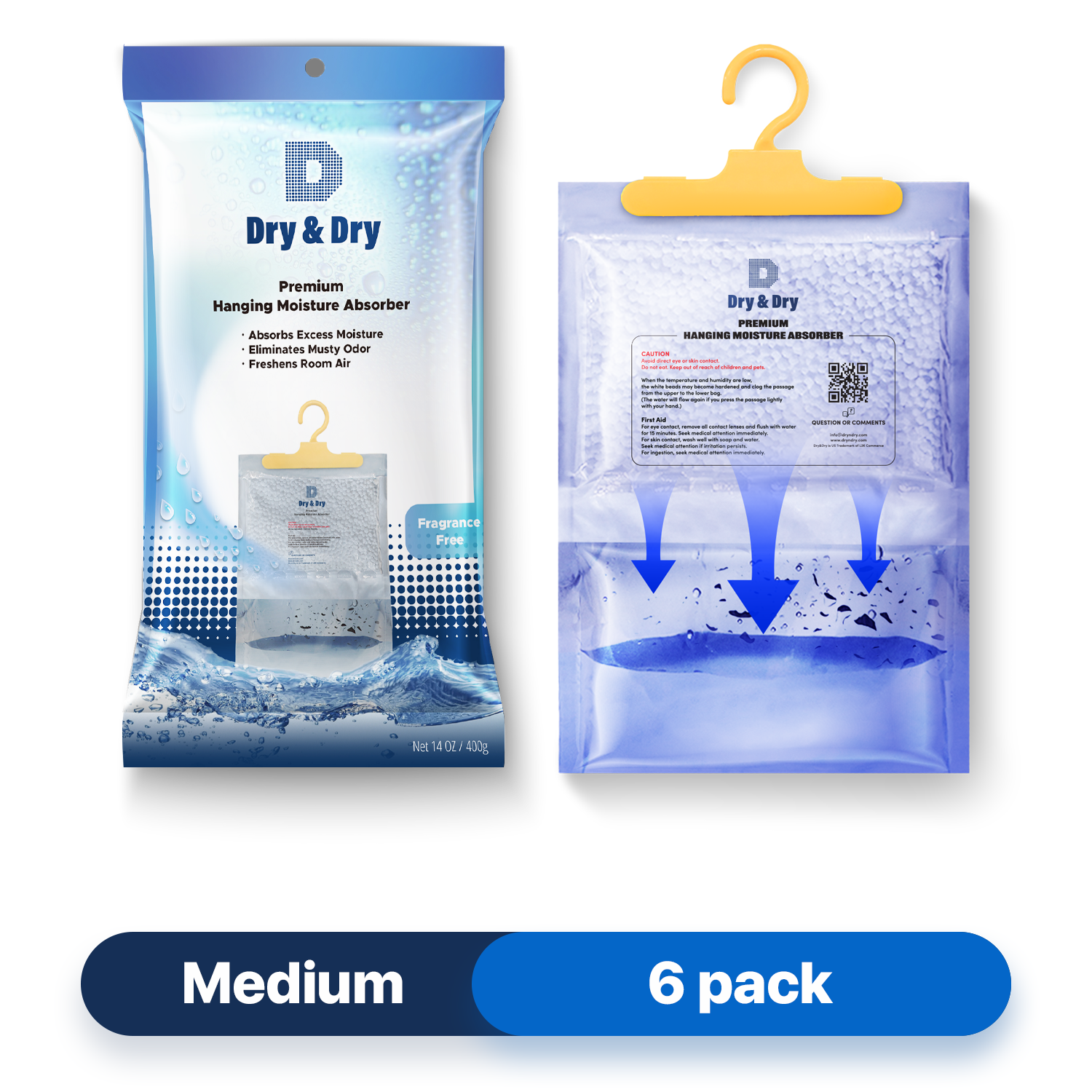
Calcium chloride pulls a lot of water fast and suits cool basements. Silica gel handles smaller, warmer areas like a linen closet or a half bath. Exhaust fans are the gold standard for showers. Dehumidifiers shine in big damp rooms.

Comparing basement moisture absorber vs bathroom: best choices by scenario
Here’s how I match tools to rooms after many home visits and tests.
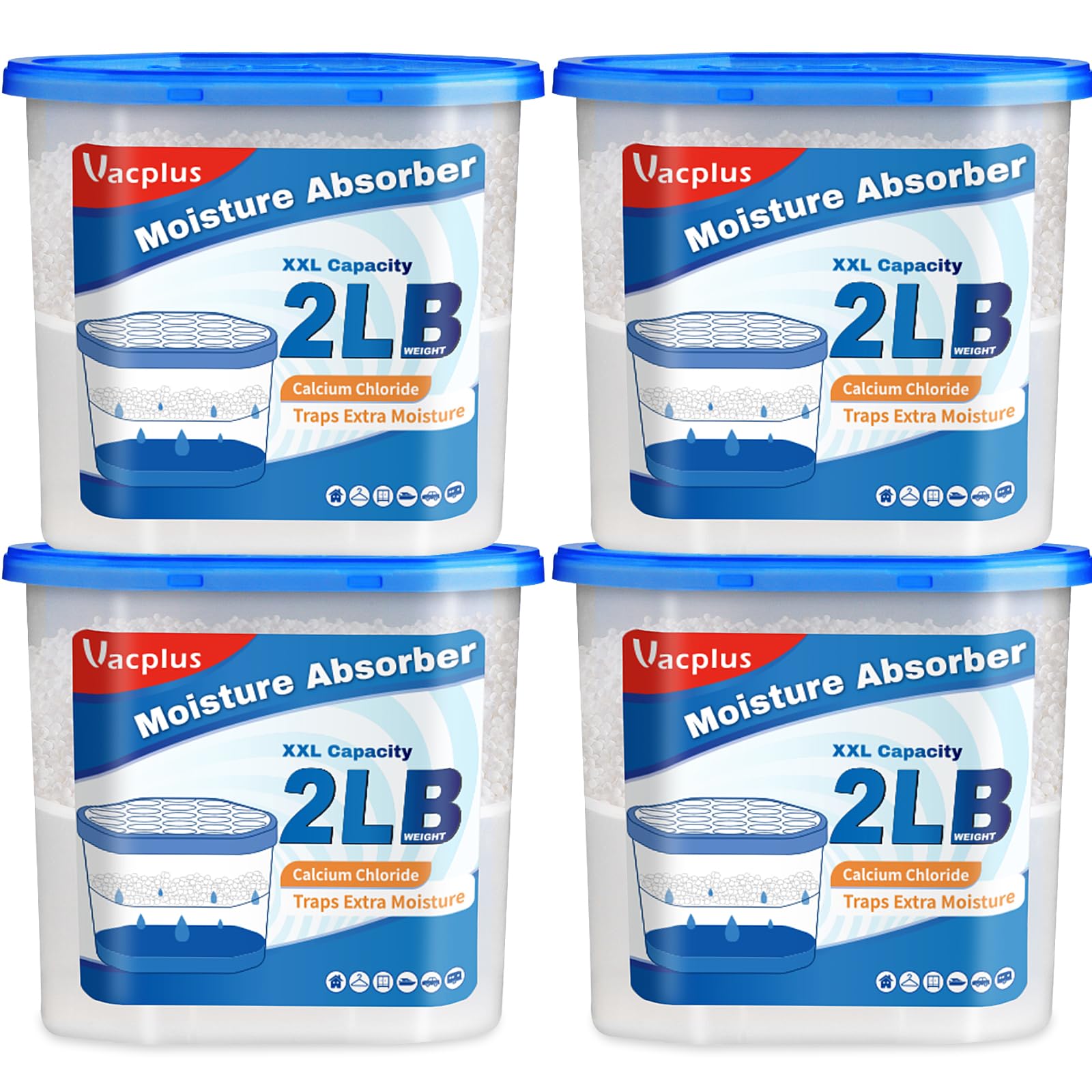
- Basement, musty smell only: Use calcium chloride buckets or refillable tubs. Place two or more for medium rooms. Check weekly.
- Basement, visible damp spots or RH over 60%: Use a 35–50 pint dehumidifier. Add one or two calcium chloride tubs in corners.
- Basement, chronic seepage: Fix drainage first. Then use a dehumidifier. Absorbers alone will not keep up.
- Bathroom with a shower: Install a 80–110 CFM exhaust fan. Run it during and 20 minutes after showers. Add a small desiccant only for cabinets or under sinks.
- Bathroom without a fan or window: Use a high-capacity desiccant as a stopgap. Crack the door. Plan to add a fan soon.
This is where basement moisture absorber vs bathroom choices diverge. Basements benefit from high-capacity desiccants and dehumidifiers. Bathrooms need airflow more than crystals.

Sizing and placement made simple
Picking size is easy if you follow a few steps.
- Measure the room. Note square footage and ceiling height.
- Check humidity with a hygrometer. Aim for 30–50% RH.
- For basements over 600 sq ft, pick a 35–50 pint dehumidifier. Larger or wetter spaces may need 50–70 pint models.
- For bathrooms, choose an exhaust fan rated about 1 CFM per square foot. Use 80–110 CFM for typical baths with a shower.
- For passive absorbers, use at least 1 large calcium chloride tub per 150–250 sq ft in cool basements.
Place absorbers away from walls for airflow. Keep them off the floor if flooding is possible. Put bathroom desiccants in cabinets or shelves, not on wet ledges. This is the practical edge in the basement moisture absorber vs bathroom match-up.
Costs, maintenance, and lifespan
Let’s talk money and upkeep. It affects the basement moisture absorber vs bathroom choice.
- Calcium chloride tubs: $5–$15 each. They last 1–3 months depending on humidity. Replace or refill as needed.
- Silica gel canisters: $10–$25. They last weeks to months. Many can be recharged in a low oven or with a plug-in heater.
- Dehumidifiers: $200–$400 for most homes. Electricity may cost $5–$20 per month. Clean filters monthly and drain as needed.
- Exhaust fans: $80–$200 plus install. Use a timer switch to run them long enough after showers.
If you want the lowest ongoing cost, fix sources first. Good grading, gutters, and sealed vents beat any gadget long term.

Safety, mold, and odor control
Safety matters with any absorber. Calcium chloride is salty and can irritate skin. Keep it away from kids and pets. If it spills, wipe it up and flush with water.
For mold, lower RH below 60% and clean surfaces. Use a mild detergent on most areas. Use a diluted bleach mix on hard, non-porous spots if needed. Vent the room well. Odors linger when moisture stays. This is why the basement moisture absorber vs bathroom decision often leans toward airflow in baths and full dehumidification in basements.
What I learned from real homes
In one 900 sq ft split-level, a single dehumidifier took the basement from 70% to 45% RH in two days. Two calcium chloride tubs helped corners the air did not reach. The musty smell faded in a week.
In a small bath with no fan, silica gel canisters kept the mirror clearer, but mold still crept into grout. We added an 80 CFM fan with a 20-minute timer. The change was night and day. Experiences like these shape how I think about basement moisture absorber vs bathroom choices.
DIY fixes and when to call a pro
Fix the source when you can.
- Outside: Clean gutters. Extend downspouts 6–10 feet. Improve grading away from the house.
- Inside: Seal rim joists. Add a vapor barrier on crawlspace soil. Insulate cold pipes to stop condensation.
- Bathroom: Install or upgrade an exhaust fan. Duct it outside, not into the attic.
Call a pro if you see steady water entry, wall bowing, or a musty smell that returns fast. A quick tool will not beat a structural leak. This is a key limit in the basement moisture absorber vs bathroom debate.

Common mistakes to avoid
Avoid these traps. They waste time and money with basement moisture absorber vs bathroom setups.
- Using tiny sachets in a wet basement. They will saturate in days.
- Relying on absorbers instead of fixing roof, gutter, or grading issues.
- Venting bathroom fans into the attic. That creates a new mold problem.
- Placing absorbers right against walls or behind heavy furniture. Air cannot move there.
- Ignoring humidity readings. Guessing leads to poor choices.
Frequently Asked Questions of basement moisture absorber vs bathroom
Which is better: a basement moisture absorber or a bathroom fan?
They solve different problems. Use a fan for bathrooms to expel steam, and a high-capacity absorber or dehumidifier for basements that hold moisture.
Do moisture absorbers prevent mold?
They help by lowering humidity. You also need to clean existing mold and fix leaks or water entry.
How long do calcium chloride absorbers last?
Most last one to three months. High humidity or larger rooms shorten that time.
Can I use a bathroom fan in a basement?
A fan can help move air but will not remove moisture like a dehumidifier. Basements need drying, not just air exchange.
What humidity level should I target?
Keep indoor RH between 30% and 50%. Go lower in winter if condensation forms on windows.
Will a small dehumidifier work in a big basement?
It will run nonstop and still struggle. Pick the right capacity for the size and dampness level.
Are silica gel packs useful in bathrooms?
Yes, for cabinets and small areas. They are not enough for shower steam without a fan.
Conclusion
The right tool depends on the room and the moisture source. Basements do best with high-capacity calcium chloride or a dehumidifier. Bathrooms do best with a strong, well-vented exhaust fan, with small desiccants as backup.
Test your humidity, fix the source, then size your gear. Start small, measure results, and adjust. Ready to solve your basement moisture absorber vs bathroom puzzle? Try the steps above, track your RH for a week, and share your results or questions in the comments.