

Most moisture absorbers are not pet-safe if handled or eaten by animals.
If you have a curious dog or cat, you have likely wondered, are moisture absorbers safe for pets? I work with pet parents and have used many products at home and on the job. In this guide, I break down what is inside those packets and tubs, why pets get into them, and how to keep your home dry without risking your furry friend.
How moisture absorbers work and why pets notice them
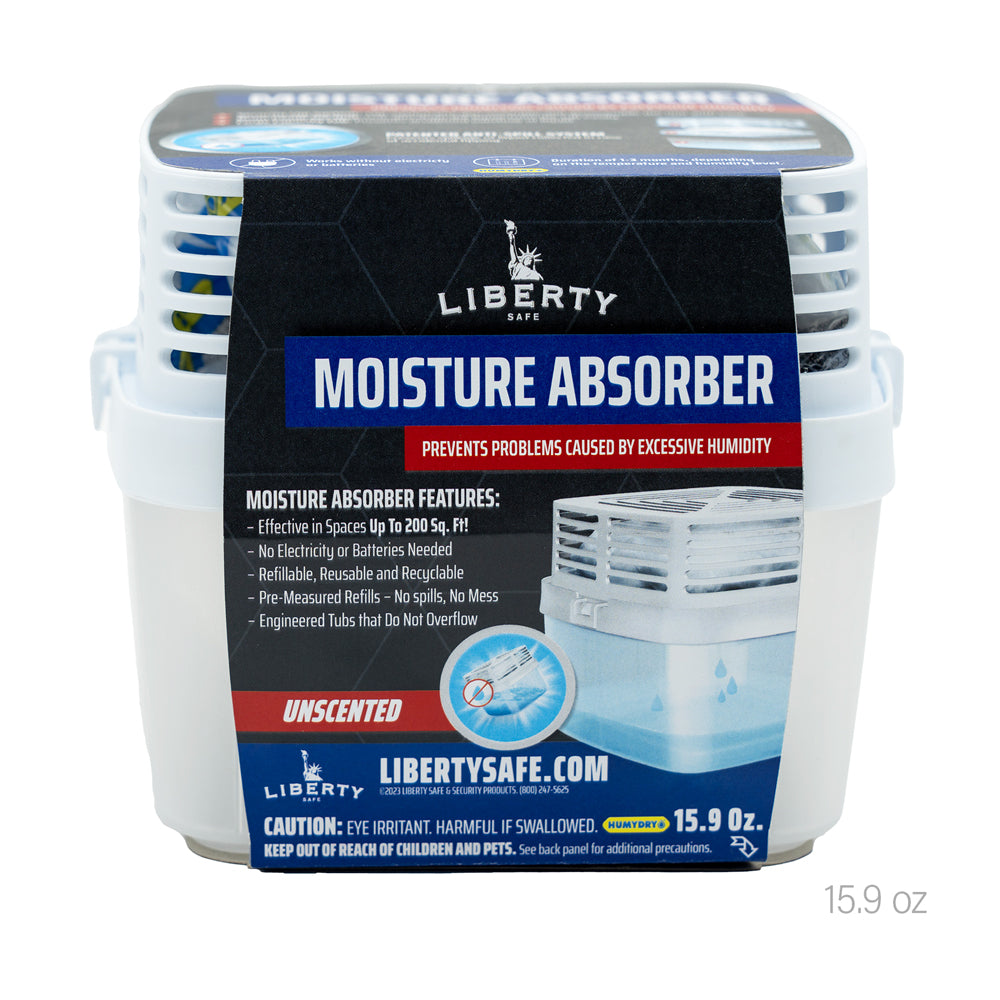
Moisture absorbers pull water from the air. They keep closets, bins, cars, and basements dry. Common types use silica gel, calcium chloride, clay, or activated charcoal.
Pets explore with noses and mouths. Small packets crinkle like treats. Tubs can slosh, smell odd, or look like toys. This is why many folks ask, are moisture absorbers safe for pets, before they place them at home.
Are moisture absorbers safe for pets? The honest answer
Short answer: it depends on the type, the amount, and the pet. Plain silica gel is usually low in toxicity. Still, it can cause stomach upset or a blockage if a lot is eaten.
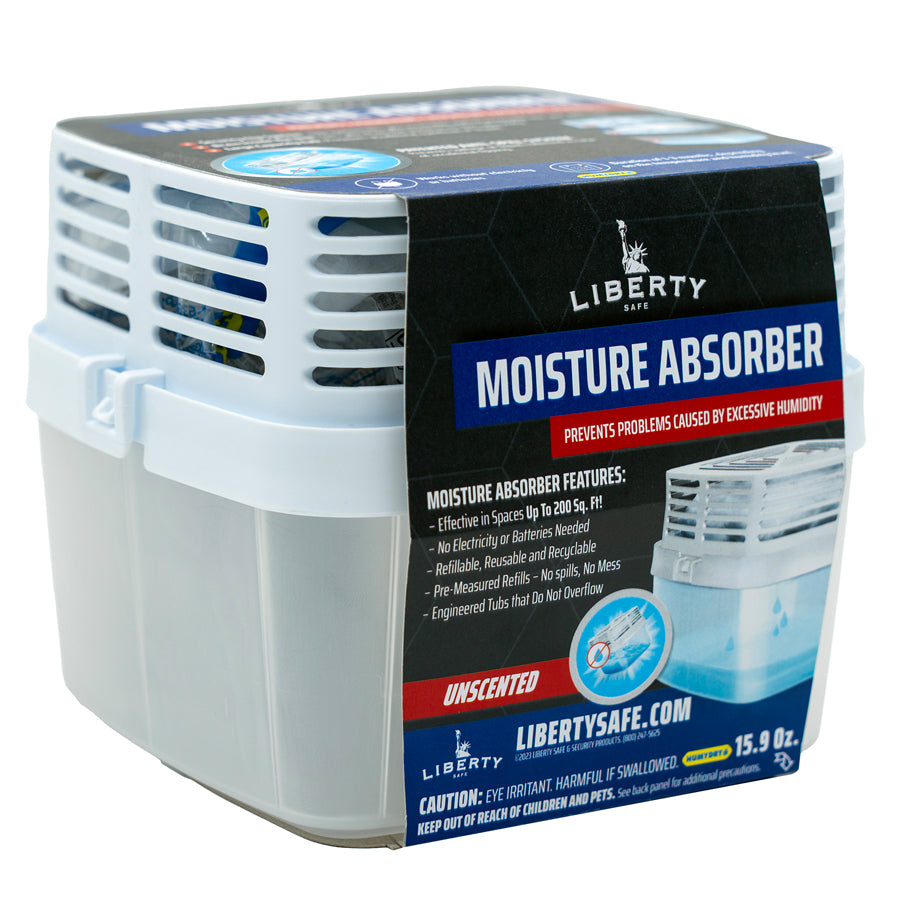
Calcium chloride pulls water fast and turns into a salty brine. This can burn the mouth or throat. It can also upset salt levels in the body. So, if you are asking, are moisture absorbers safe for pets, the honest view is no, not if a pet can reach them. When in doubt, ask yourself again: are moisture absorbers safe for pets if chewed or spilled? The risk rises fast when pets can touch or lick them.

Types of moisture absorbers and pet risk levels
Here is a quick tour of what is inside common products and what that means for pets.
-
Silica gel packets
- Often marked “Do Not Eat.”
- Plain white beads are low in toxicity but can cause vomiting or blockage.
- Indicator beads can be blue or orange. Older blue beads may use cobalt chloride, which is harmful. Newer types are safer but still not for pets.
-
Calcium chloride tubs, pouches, or hanging bags
- Brands that drip into a liquid brine are common.
- Dry pellets can burn moist tissue. The brine is salty and can cause mouth burns, drooling, vomiting, or worse.
-
Clay or mineral desiccants
- Similar to kitty litter texture.
- Usually mild irritation if eaten. But blockage is a worry if a lot is swallowed.
-
Activated charcoal bags
- Charcoal is messy and can cause vomiting or constipation.
- Some bags include added scents or other chemicals. Those raise risk.
When people ask, are moisture absorbers safe for pets, the best rule is this: assume none are safe to chew, lick, or play with.
What to do if your pet chews or eats one
Stay calm. Act fast. Small steps help a lot.
- Remove any bits from the mouth. Rinse lips and tongue with room temp water.
- Offer fresh water. Do not force food or induce vomiting unless your vet says so.
- If the product was calcium chloride or a liquid brine, call your vet right away.
- Watch for drooling, pawing at the mouth, vomiting, diarrhea, coughing, weakness, or not eating.
- Save the package. A photo helps your vet know the exact ingredients.
If you are unsure, ask your vet or a poison control expert. It is smart to call, even if your pet acts fine. Many readers come here asking, are moisture absorbers safe for pets after a scare. Quick advice can prevent bigger problems.

Smart placement and storage to keep pets safe
Prevention beats panic. A few small changes go a long way.
- Keep packets sealed inside bins, not loose in drawers or bags.
- Tape packets high inside closet walls, where paws cannot reach.
- For tubs and hanging bags, use high shelves with doors.
- Check for leaks often. Replace at the first sign of a crack or bulge.
- Skip scented or “fresh” versions. Added perfumes can draw pets in.
- Teach “leave it.” Reward your pet for ignoring crinkly packs.
If you have to ask yourself, are moisture absorbers safe for pets in this spot, choose a safer spot or use a different method.

Pet-safe alternatives for humidity control
You have options that lower risk and still fight damp air.
-
Electric dehumidifier
- Great for basements, bedrooms, and laundry rooms.
- Empty the tank daily. Use a drain hose if you can.
-
Better airflow
- Open doors and vents. Use fans.
- Avoid overstuffed closets and bins.
-
Silica gel only in sealed containers
- Use food-grade packs in airtight bins.
- Keep packs under a taped lid or in a mesh clip box stuck to the lid.
-
Charcoal bags hung high
- Hang away from pet zones.
- Put them inside a closet with a door.
If you are thinking, are moisture absorbers safe for pets with these steps, remember that “out of reach” is your best friend.
My hands-on experience and lessons learned
A client’s beagle once chewed a silica gel packet from a shoe box. He threw up once and was fine. The scare taught us to tape packets under closet shelves, far from paws. We also moved to a dehumidifier in the basement.
At home, my cat once batted a small calcium chloride pouch. The outer layer was damp. We grabbed it fast, rinsed her mouth, and called our vet. She was okay, but it proved my rule. If you wonder, are moisture absorbers safe for pets in a busy room, the answer is no. Choose a pet-proof setup or a different tool.
Room-by-room advice for homes, cars, and storage
Every space needs a plan. Here are simple tips that work.
-
Closets and wardrobes
- Use silica gel inside sealed bins only.
- Tape packets high if you must use them loose.
-
Basements and laundry rooms
- Go with a dehumidifier.
- Keep calcium chloride tubs on high shelves in locked cupboards.
-
Cars and RVs
- Pick silica gel packets and tuck them in glove boxes or closed bins.
- Do not leave loose packets on seats or floors.
-
Storage units
- Use bins with gasket lids and desiccants inside the lid.
- Visit often to check for leaks.
People often ask, are moisture absorbers safe for pets in cars or storage? Pets still explore, even on trips. So, ask yourself again: are moisture absorbers safe for pets if they can roam the space? If yes, switch to sealed solutions.
Frequently Asked Questions of are moisture absorbers safe for pets
Are silica gel packets toxic to dogs and cats?
Plain silica gel is low in toxicity, but it can cause stomach upset. A large amount can cause a blockage, which is serious.
Is calcium chloride in moisture absorbers dangerous for pets?
Yes, it can burn moist tissue and upset salt balance. Call your vet quickly if your pet licks or eats it.
What signs should I watch for after my pet chews a packet?
Watch for drooling, vomiting, diarrhea, not eating, coughing, or weakness. Save the package and call your vet for guidance.
Can I use moisture absorbers in a home with pets?
Yes, with care. Keep them high, sealed, and out of reach, or choose a dehumidifier instead.
Are charcoal odor bags safe around pets?
They are safer when hung high and kept intact. If chewed, charcoal can cause vomiting or constipation.
What should I do before going to the vet?
Rinse the mouth with water and offer fresh water. Bring the product or a photo so the vet can check ingredients.
Conclusion
Moisture control and pet safety can live under one roof. The key is smart choices and strict placement. When in doubt, ask yourself the core question: are moisture absorbers safe for pets where I plan to use them? If you hesitate, switch to sealed setups or a dehumidifier.
Take a walk through your home today. Move risky items out of reach. If you found this helpful, subscribe for more pet-safe home tips, or drop a comment with your questions.