

Usually safe when out of reach, but packets and liquids can harm kids.
Parents ask me all the time: are moisture absorbers safe for kids? The truth depends on the type, the room, and your habits. I’ve tested them in damp homes for years and learned what actually works. Stick with me, and you’ll leave with a clear, kid-safe plan that fits your life.
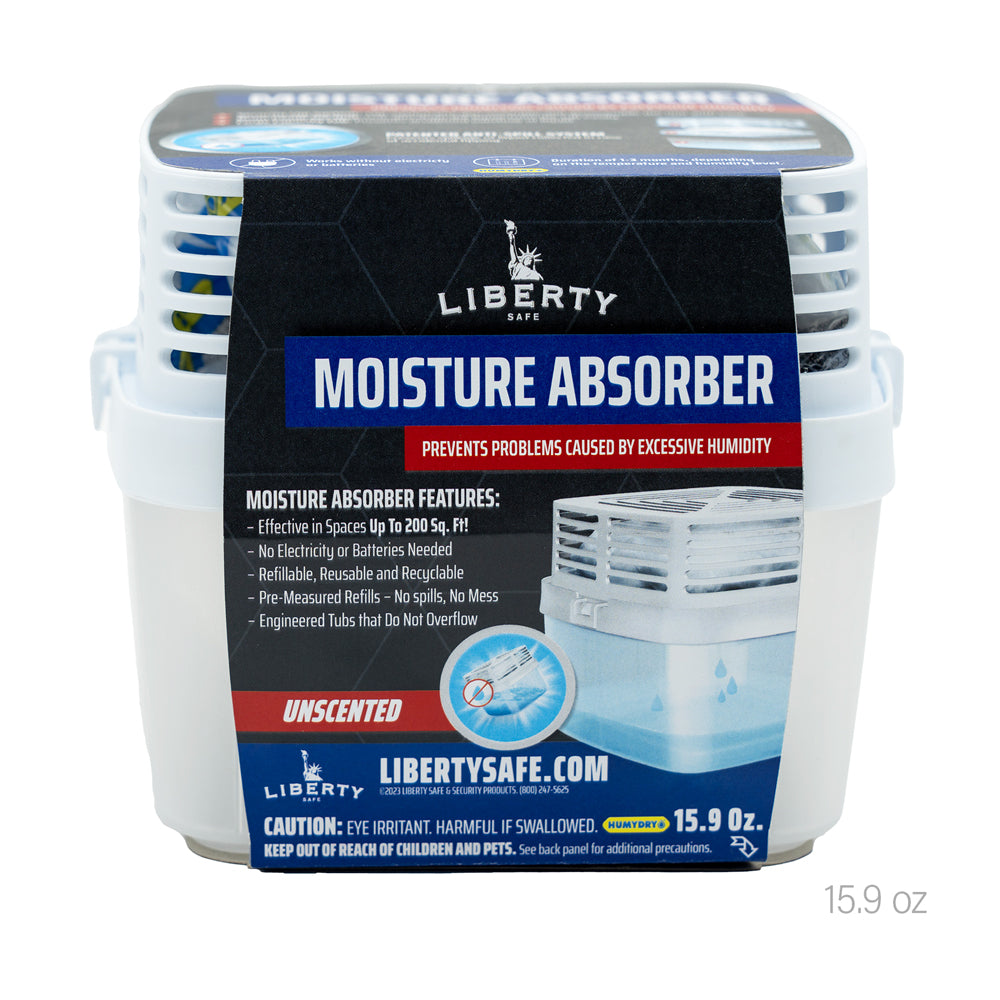
Are moisture absorbers safe for kids? Risks at a glance
Here’s the short version. Moisture absorbers help with damp air and musty smells. But are moisture absorbers safe for kids in every case? No. Some are low risk, and some can burn skin or cause choking.
Safety comes down to two things. What’s inside the product, and how your child can reach it. Most issues happen when a packet or liquid sits within little hands’ reach. Fix that, and risk drops a lot.
I see three main hazards. Choking on small packets. Chemical irritation from dust or liquid. Slips or skin burns from spilled brine. Knowing which type you use matters.
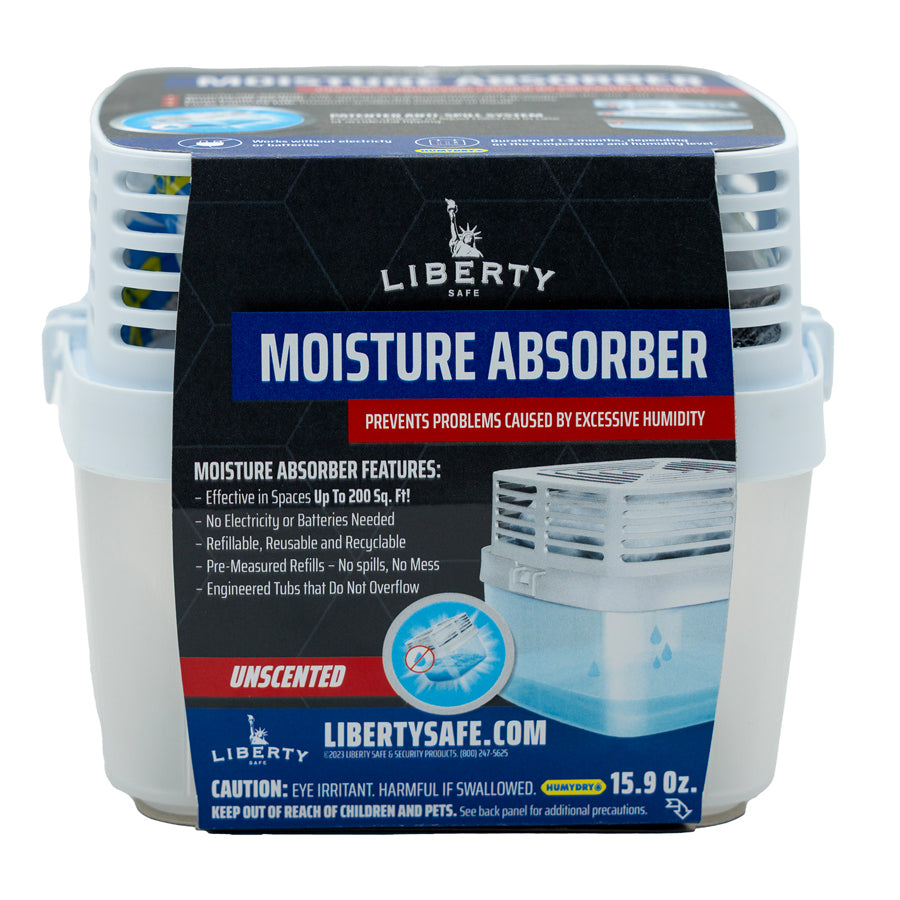
What’s inside common moisture absorbers
Not all products are the same. If you ask, are moisture absorbers safe for kids, you must know the contents first.
- Silica gel: Often in small packets. Low toxicity if swallowed, but a choking risk. Some “indicator” beads used to be dyed with cobalt salts, which can irritate. Many new indicators are safer, but keep all packets out of reach.
- Calcium chloride: Found in many room canisters. Very thirsty for water. It turns into salty liquid brine that can irritate skin and eyes. Ingestion can cause vomiting and burns in the mouth.
- Calcium sulfate or clay: Common in closet packs. Low toxicity but still not for kids. Dust can irritate eyes or nose.
- Activated charcoal or bamboo charcoal: Absorbs odors more than moisture. Low toxicity. Dust can be messy and irritating if inhaled.
- Fragrances or essential oils: Can irritate sensitive kids. Scented products can trigger headaches or cough.
Poison control centers note that silica gel is usually low risk, but choking is the concern. They also warn that calcium chloride can burn or cause pain on contact. Are moisture absorbers safe for kids when you pick the right one and store it well? Yes, if you treat them like any household chemical.
How these products work (and why kids face extra risk)
Moisture absorbers pull water from air or small spaces. They keep closets, bins, and boats dry. That’s great for mold control and dust mites.
But here’s the catch. Packets look like candy or “beads.” Kids learn by putting things in their mouths. Liquids look like water. The brine from calcium chloride can pool in the bottom of a tub. That is not a drink. Are moisture absorbers safe for kids if they see them as toys? Not without controls.
Use them like you would bleach. Helpful tool, yes. Always out of sight, sealed, and handled by adults.
Real-life lessons from homes I’ve worked in
I once found a calcium chloride tub on a laundry room floor. A busy parent set it there after a late wash cycle. The next morning, a toddler poked the soft top. The brine leaked. No injury, but a near miss. We moved to a wall-mounted dehumidifier with a lock. Problem solved.
In my own house, I keep silica gel only in sealed bins. No loose packets in drawers. Are moisture absorbers safe for kids when you use strict placement rules? In my experience, yes. But only when the rules are firm and simple.
Here’s my rule of thumb. If a child can see it or touch it, you need a different product or a different spot.

Safety rules that work in busy homes
Ask yourself each time: are moisture absorbers safe for kids in this setup? Use these checks.
- Choose safer types: Use silica gel or charcoal in sealed containers. Avoid open calcium chloride tubs in rooms kids use.
- Keep them high and hidden: Place in locked closets or high shelves. Avoid floor or low shelf spots.
- Use sealed systems: Pick canisters with screw tops and leak guards. Look for child-resistant lids.
- Avoid scents: Skip fragrances. They invite curiosity and may irritate airways.
- Secure the space: For bathrooms and laundry rooms, use a baby gate or door lock if needed.
- Never reuse food jars: Kids link jars with “snacks.” Use original containers with labels.
- Check often: Replace or empty before they overflow. Wipe spills right away.
- Teach older kids: Explain it dries air but is not safe to touch or taste.
Are moisture absorbers safe for kids with these steps? The risk drops a lot. You still must watch placement and habits.
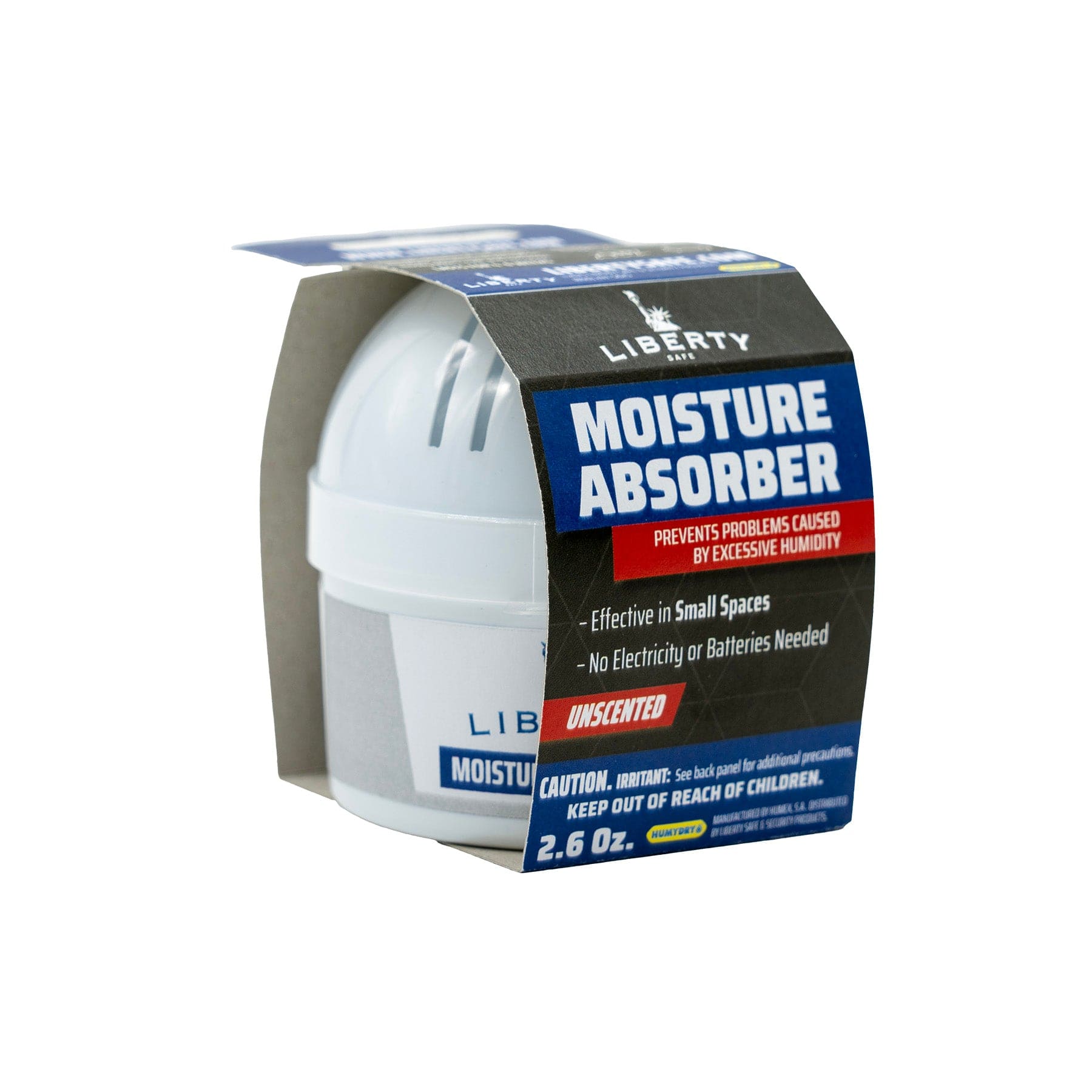
Smarter alternatives when kids are around
If you can avoid loose chemicals, do it. I lean on these options in kid zones.
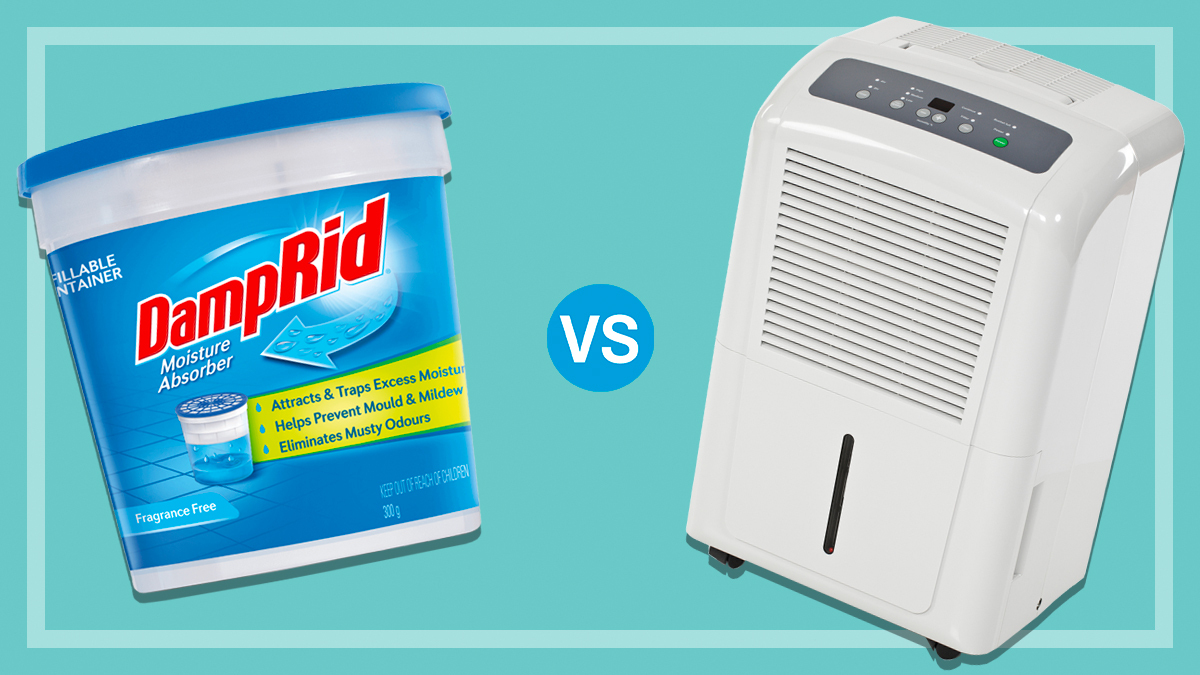
- Electric dehumidifier: Use a model with a child lock and hose drain. Place in a locked laundry room when you can.
- Ventilation: Run bathroom fans for 20 minutes after showers. Open windows when weather allows. Fix leaks fast.
- Silica gel in sealed bins: Place packets inside airtight storage totes, not loose on shelves.
- Baking soda for odors: Works in fridges or closed bins, up high. It is not a moisture cure, but can help with smell.
- Desiccant cabinets or safes: For documents or cameras, use units with locking doors.
Are moisture absorbers safe for kids when built into sealed systems? Yes, that is the point. Put the absorber where kids cannot reach it.

What to do if a child is exposed
Stay calm. You can prevent most harm with quick action.
- If swallowed: Check the label. Wipe the mouth. Offer small sips of water. Do not make them vomit. Call Poison Control at 1-800-222-1222 in the US.
- If choking: Call 911. Start age-appropriate first aid if trained.
- If on skin: Brush off solids. Rinse with cool water for 15 minutes. Remove wet clothes.
- If in eyes: Rinse with water for 15 to 20 minutes. Get medical help.
- If inhaled: Move to fresh air. Watch for cough or wheeze.
Keep the package for the nurse or doctor. Tell them the exact product. Are moisture absorbers safe for kids after fast first aid? Most cases end well, but call an expert.
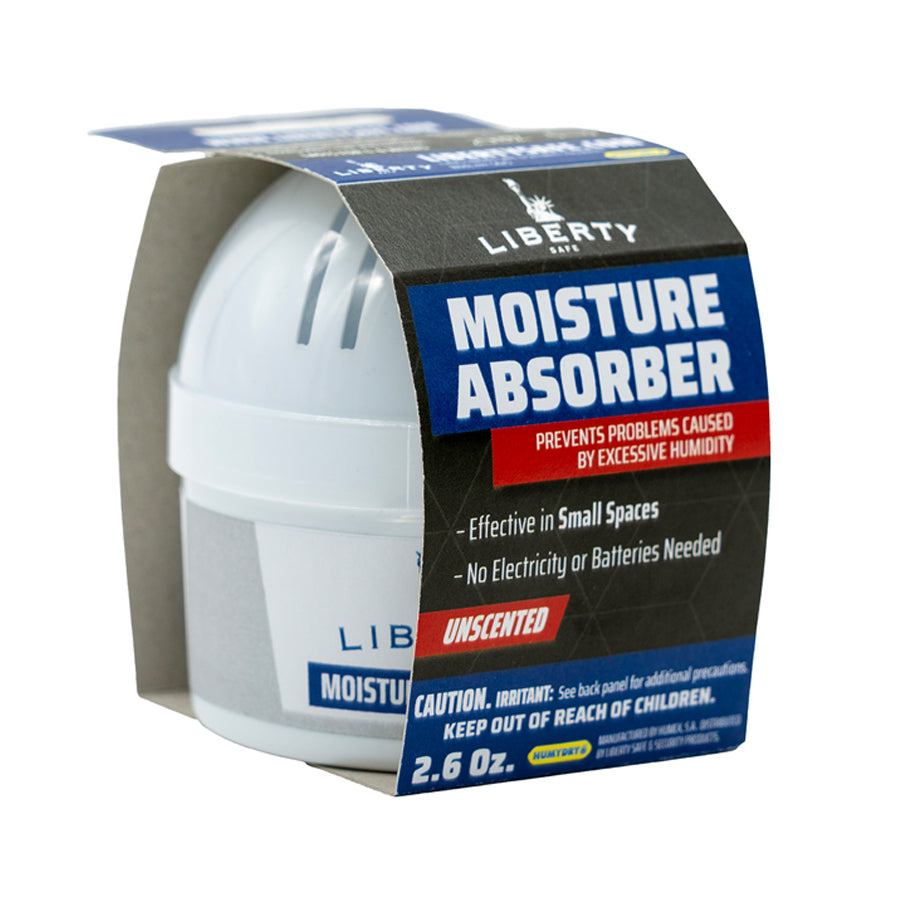
Buying guide for safer choices
Labels matter. Features matter. Here is what I look for.
- Clear ingredient list: Know if it is silica gel, calcium chloride, or clay.
- Child-resistant design: Choose locking lids and sealed pouches.
- Leak protection: Double walls, absorbent pads, or gel traps.
- Fragrance-free: Fewer triggers, less curiosity.
- Safety icons: Poison warnings, first-aid steps, and toll-free help lines.
- Brand support: Clear instructions and disposal steps on the label.
Are moisture absorbers safe for kids when the product is well built and well labeled? Safer, yes. But still keep it out of reach.

Disposal and cleanup tips
Plan for the end of life before you buy. It keeps kids safe and avoids mess.
- Follow the label: Some brines can go down a sink with lots of water. Others should go in sealed trash. Local rules vary.
- Bag it tight: Seal used packets in a plastic bag. Toss out of kids’ reach.
- Wipe spills fast: Use gloves. Rinse the area with water. Vent the room.
- Keep pets away: Dogs will lick salty brine. Store used tubs high until you toss them.
Are moisture absorbers safe for kids when you handle disposal with care? Yes, because the riskiest time is often when you empty or change them.
Frequently Asked Questions of are moisture absorbers safe for kids
Are moisture absorbers safe for kids in bedrooms?
I avoid open chemical tubs in kids’ rooms. Use a dehumidifier with a lock or sealed silica gel in closed storage.
What happens if my child eats silica gel?
Small amounts are usually low toxicity, but choking is a risk. Rinse the mouth, give water, and call Poison Control for guidance.
Is calcium chloride dangerous for toddlers?
It can burn skin and eyes and tastes salty, which can tempt kids. Keep it locked away or use a sealed, tamper-resistant system.
Can I use moisture absorbers in a nursery closet?
Use sealed silica gel inside airtight bins on a high shelf. Check weekly and replace before packets break open.
Are scented moisture absorbers safe for kids with asthma?
Scents can trigger cough or headaches in sensitive children. Choose unscented and keep products out of the breathing zone.
Are moisture absorbers safe for kids if I store them in the bathroom?
Only if the door stays shut, the product is high up, and it is sealed. A fan and a dehumidifier are safer for daily use.
Do charcoal bags help with moisture and are they safe?
Charcoal helps with odor more than moisture. They are low toxicity but still keep them out of reach to avoid dust and mess.
Conclusion
Moisture control matters for comfort and health. But the answer to are moisture absorbers safe for kids depends on type, placement, and habits. Pick sealed systems, go fragrance-free, lock away chemicals, and lean on ventilation and dehumidifiers in kid zones.
Do a five-minute home check today. Move any tubs off the floor, label containers, and add the Poison Control number to your phone. Want more parent-tested tips? Subscribe for new guides, or drop your questions in the comments.