

Mostly yes—if you choose reusable types and dispose of salts responsibly.
If you’re asking are moisture absorbers environmentally friendly, you’re not alone. I’ve tested them in damp closets, RV trips, and coastal homes. In this guide, I’ll break down what makes one greener than another, where they save energy, and how to use them without guilt. Stick with me and you’ll walk away with a clear, practical answer to are moisture absorbers environmentally friendly that you can trust.
What “environmentally friendly” really means for moisture absorbers
The real question behind are moisture absorbers environmentally friendly is about full life cycle. We need to look at raw materials, production energy, transport, use, and disposal. We also need to check safety for people, pets, and waterways.
Another lens is prevention. If a small absorber prevents mold, it avoids waste, repairs, and harsh cleaners. That can offset its footprint. So, are moisture absorbers environmentally friendly? They can be, when chosen and managed with care.

Types of moisture absorbers and how green they are
Not all products are equal. The material inside the pouch or tub drives most of the impact.
Silica gel (reusable desiccant packets or canisters)
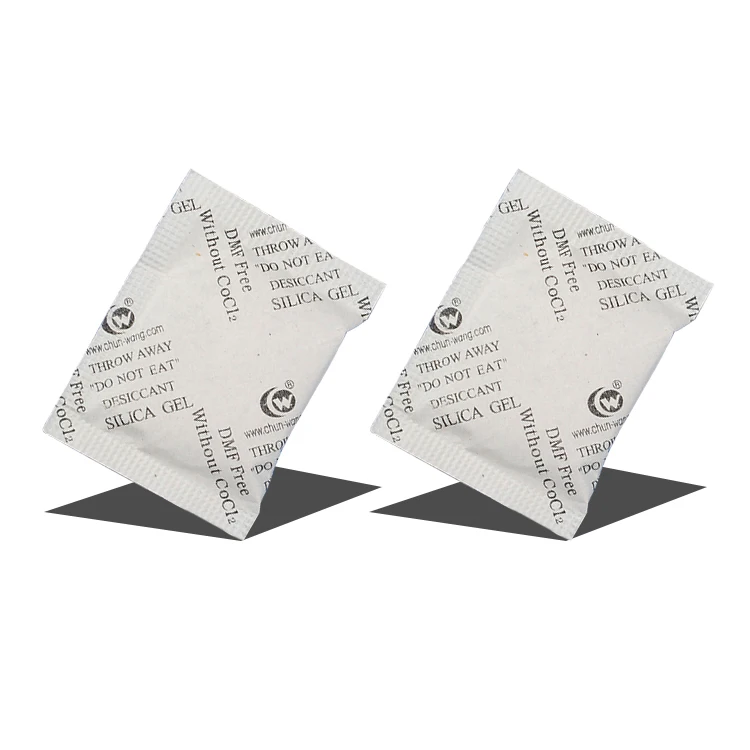
Silica gel is inert and non-toxic. You can recharge it many times by heating at low temps. That reuse cuts waste and cost.
From a footprint view, production has an impact, but long life spreads it out. If you ask are moisture absorbers environmentally friendly, silica gel is often the best pick.
Calcium chloride (salt tubs and hanging bags)
These are strong performers in very damp spaces. They pull lots of water fast. But most are single-use and end as salty liquid waste.
That brine needs careful disposal. It should never go into soil or storm drains. If you wonder are moisture absorbers environmentally friendly, calcium chloride is a maybe. Use it only when needed and dispose of it right.
Clay and activated charcoal
Clay is abundant and low energy to produce. Charcoal can be made from plant waste. Many charcoal bags are reusable by sun-drying.
These options are mild in power but gentle on the planet. For small spaces and odors, they shine. In the debate are moisture absorbers environmentally friendly, clay and charcoal are a solid yes for light-duty jobs.
Zeolite and other minerals
Zeolite acts like a sponge for vapor and odors. Some forms can be recharged with heat. It sits between silica gel and charcoal for both power and footprint.
Mineral options can be a smart middle path. Are moisture absorbers environmentally friendly when they are mineral-based? Often, yes, especially if you can recharge them.
How they work and why it matters
Desiccants grab water vapor from air. Some hold it in pores. Others turn it into a liquid brine. This mechanism shapes the impact.
Reusables that hold vapor, like silica, avoid liquid waste. Salts that liquefy need careful disposal. So when you ask are moisture absorbers environmentally friendly, think about the end state of the water they capture. It guides your best choice.

Life cycle: from factory to trash (or reuse)
To answer are moisture absorbers environmentally friendly with confidence, zoom out across the life cycle.
Production
- Silica and minerals require energy but can last for years.
- Charcoal from waste biomass has a lower footprint.
- Calcium chloride is common and cheap, but usually single-use.
Packaging
- Look for paper cartons or recycled plastic. Avoid mixed materials that are hard to recycle.
- Refill systems can cut plastic waste a lot.
Transport and use
- Lightweight packets ship efficiently.
- A small absorber that prevents mold or reduces the need for energy-heavy dehumidifiers can be a net win.
End of life
- Reuse or recharge where possible.
- Dispose of brine as household hazardous waste if required locally.
- Recycle containers when allowed.
Safe use and disposal, step by step
If you want the answer to are moisture absorbers environmentally friendly to be yes, handle them right.
Silica gel
- Choose canisters with windows or color beads that show saturation.
- Recharge in a low oven or per instructions to extend life for years.
- Keep away from pets and kids, even if non-toxic.
Calcium chloride
- Place tubs on a stable tray to catch drips.
- Seal the spent brine. Follow local rules. Do not pour outside or into storm drains.
- Use only where a reusable option cannot keep up.
Charcoal and clay
- Sun them to refresh. Replace only when they stop working.
- Compost plant-based bags if the maker confirms they’re compostable.
General
- Label containers. Track replacement to avoid waste.
- Vent rooms when possible to reduce how hard the absorber must work.

Greener ways to fight moisture before you buy more products
The surest way to make are moisture absorbers environmentally friendly is to need fewer of them.
Low-cost fixes
- Open windows when humidity outdoors is lower than indoors.
- Run kitchen and bath fans for 20 minutes after use.
- Raise items off basement floors to improve air flow.
Equipment
- Use an Energy Star dehumidifier for large, wet spaces.
- Set target humidity to 45–55 percent to avoid over-drying.
- Use humidity sensors so devices run only when needed.
Building solutions
- Seal leaks around windows and pipes.
- Add vapor barriers or improve drainage where water creeps in.
My hands-on lessons from homes, closets, and an RV
I’ve tested many brands in a coastal condo, a damp basement, and a small camper. Here’s what worked and what didn’t.
What worked
- Reusable silica canisters in closets. I recharge them monthly in the oven.
- Charcoal bags in shoe cabinets and gym lockers. They cut odor well.
- A dehumidifier for the basement, then two small silica canisters to keep it steady.
What to avoid
- Using calcium chloride in tiny spaces where a spill would be messy.
- Tossing silica too soon. Most last far longer than the label claims.
- Forgetting to check brine levels. Overfilled tubs can leak.
From that, my answer to are moisture absorbers environmentally friendly is this: yes, when you match the tool to the job and favor reusables.

Cost, carbon, and when to switch to a dehumidifier
For one small closet, a reusable silica canister can last years. That’s low cost and low waste. For a wet basement, salt tubs pile up fast and cost more over time.
A right-sized dehumidifier can beat stacks of single-use tubs. It uses electricity but stops ongoing plastic and brine. So, are moisture absorbers environmentally friendly in big spaces? Not as much. Move to a dehumidifier once you’re replacing tubs more than once a month.
Buying guide: what to look for on the label
If you’re still wondering are moisture absorbers environmentally friendly, use this checklist.
Best picks
- Reusable or rechargeable desiccants with clear saturation indicators.
- Refill systems with paper packs and recyclable containers.
- Mineral or plant-based options for light-duty odor and damp control.
Claims to verify
- “Non-toxic” should include safe disposal guidance.
- “Compostable” should specify home versus industrial composting.
- “Biodegradable” should state conditions and timeframes.
Smart extras
- Transparent lifecycle info from the maker.
- Instructions for reuse and disposal that match local rules.
Common mistakes and easy fixes
Are moisture absorbers environmentally friendly when misused? Not really. Avoid these pitfalls.
Mistakes
- Using salt tubs in places a reusable would handle fine.
- Tossing reusables instead of recharging them.
- Ignoring the source of moisture, like leaks or poor venting.
Fixes
- Start with minerals in small spaces. Upgrade only if needed.
- Put reminders to recharge or replace on your phone.
- Track humidity with a small meter to guide your choices.
Frequently Asked Questions of are moisture absorbers environmentally friendly
Are moisture absorbers environmentally friendly in small spaces?
Yes, especially if you choose reusable silica or charcoal options. They cut waste and can prevent mold.
Is calcium chloride bad for the environment?
It’s effective but creates salty liquid waste. Dispose of the brine per local rules and avoid spills.
Can I recycle moisture absorber containers?
Many rigid tubs are recyclable if clean and labeled with a recyclable resin code. Check your local program’s rules.
Do moisture absorbers save energy compared to dehumidifiers?
In small areas, yes, because they use no power. In large, wet spaces, a high-efficiency dehumidifier may be greener over time.
How often should I replace or recharge silica gel?
Recharge when the indicator changes color or monthly in damp seasons. Proper care can extend life for years.
Are moisture absorbers environmentally friendly for RVs and boats?
Reusable desiccants work well in enclosed storage. For very damp marinas, combine them with ventilation or a small dehumidifier.
Is activated charcoal safe around pets?
Yes, when kept in sealed fabric pouches and out of reach. It’s odor-absorbing and mild for moisture control.
Can I pour used calcium chloride down the sink?
Avoid that unless local guidance says it’s allowed. It’s safer to take it to household hazardous waste collection.
Are moisture absorbers environmentally friendly if I live in a dry climate?
You may not need them at all. Fix the cause first and use desiccants only in targeted spots like closets.
What’s the best eco-friendly moisture absorber?
A reusable silica canister or a quality charcoal bag for small spaces. For big spaces, use an efficient dehumidifier instead.
Conclusion
Are moisture absorbers environmentally friendly? They can be, when you choose reusable types, use them in the right spaces, and dispose of salts with care. In small rooms and closets, reusable desiccants shine. For large, wet areas, a smart dehumidifier is the greener long-term move.
Take a quick walk through your home, find the damp hotspots, and match the tool to the job. If this helped, subscribe for more practical home and sustainability tips, or drop a question in the comments so I can help you pick the right setup.