

Activated charcoal for moisture helps control dampness and odors in small, enclosed spaces.
If you want a simple way to tame musty air without messy salts, you are in the right place. I have tested activated charcoal for moisture in closets, cars, and gear bags for years. In this guide, I share how it works, where it shines, when to avoid it, and how to size, recharge, and DIY your own setup. Stick around to learn how to use activated charcoal for moisture the right way.
How activated charcoal for moisture works
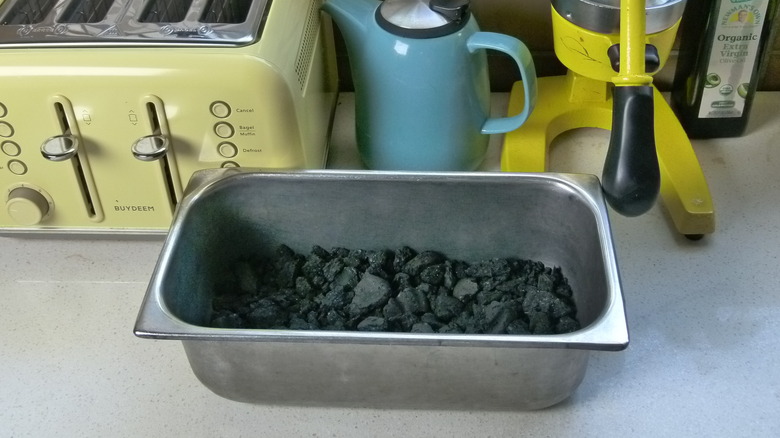
Activated charcoal has millions of tiny pores. These pores grab water vapor and smells from the air. This is called adsorption, not absorption. The water sits on the surface of the pores rather than soaking in.
The effect grows as surface area grows. Good charcoal has a lot of surface area for its size. It can hold a small to moderate amount of water vapor. It also traps many odor molecules at the same time.
In lab tests, water uptake depends on humidity and pore design. At mid humidity, it holds a few percent of its weight in water. At high humidity, it can hold more, but odor control may drop as pores fill.
Key takeaways for daily use:
- Activated charcoal for moisture works best in small, closed spaces.
- It cuts odors and minor damp, but it is not a room dehumidifier.
- It pairs well with silica gel or a dehumidifier for larger spaces.

Where activated charcoal for moisture helps most
I use it in shoes, gym bags, closets, cars, and camera cases. It shines in sealed bins and drawers. It also helps in safes and pantries, where leaks would be a pain.
Practical places to try:
- Shoes and sports gear to tame sweat smells and light damp.
- Closets and wardrobes to keep clothes fresh between seasons.
- Cars and RVs after rain or beach trips.
- Camera bags to protect lenses from musty air.
- Gun safes and tool chests to reduce rust risk.
A quick story. I put two 200 gram bags in my gym shoes. The smell faded by the next day, and the lining felt dry. I tried one bag in a damp basement room, and the room humidity did not budge. Activated charcoal for moisture is great for small zones, not whole rooms.
Pros and cons of activated charcoal for moisture
What it does well:
- Natural, reusable, and low mess.
- No leaks or salty residue.
- Good for odors and light damp in tight spaces.
Limits you should know:
- It will not drop room humidity on its own.
- It is slower than silica gel for water vapor.
- It needs sun or dry air to refresh at times.
When to choose it:
- Use activated charcoal for moisture when you want odor control with minor damp control.
- Choose silica gel or calcium chloride when you need fast or heavy drying.
- Use a powered dehumidifier for rooms and basements.

How to choose and size products
Look for coconut shell or bamboo charcoal bags. Pick tight stitching and a breathable fabric. Avoid loose powder that sheds dust.
Sizing rules of thumb:
- Shoes or small bins: one 100 to 200 gram bag each.
- Closets up to 25 square feet: two to four 200 to 300 gram bags.
- Cars or SUVs: two to four 200 to 500 gram bags spread around.
- Very damp areas: pair activated charcoal for moisture with silica gel or a dehumidifier.
Placement tips:
- Keep the space as closed as you can.
- Raise bags off wet floors.
- Place near the odor or damp source.
Recharging and life:
- Refresh in direct sun for two to four hours per side once a month.
- Or set in a warm, dry room with airflow for a day.
- Do not use an oven or microwave. Heat can scorch the fabric and start a fire.
- Most bags last one to two years with care.

DIY activated charcoal for moisture projects
You can make your own pouches in minutes. I like pellet or granule carbon because it sheds less dust than powder. Use two layers of breathable cotton.
Simple DIY options:
- Fill a clean cotton sock with 1 cup of activated charcoal. Tie a knot and double-bag it.
- Use small muslin tea bags or coffee filters. Fill, fold, and staple.
- Make a jar absorber. Punch holes in a lid, add charcoal, and cover holes with a mesh.
Use tips:
- Do not add oils or scents. They block pores.
- Label the date so you remember to refresh.
- Rotate two sets so one can dry while the other works.

Care, maintenance, and troubleshooting
How to know it is time to refresh:
- Odors return sooner than before.
- The bag feels heavy and cool to the touch.
- The fabric looks damp in humid weather.
Care tips:
- Tap the bag gently outside to shake off dust.
- Keep away from pets and toddlers. Charcoal is messy if chewed.
- If spills happen, vacuum with a HEPA filter and wipe with a damp cloth.
When to replace:
- If the bag tears or leaks dust into the space.
- If refresh cycles no longer help.
- If the fabric smells stale after sun time.
Activated charcoal for moisture is low fuss. A little routine keeps it working well.
What research says about performance
Studies show that activated carbon holds water by surface forces. At higher humidity, capillary action in pores adds more water. The pore size and surface chemistry drive the result.
Research also shows trade-offs. When pores fill with water, odor sites can get blocked. That is why activated charcoal for moisture does best in moderate humidity and smaller spaces.
Compared with other adsorbents:
- Silica gel often pulls more water per gram at most humidity levels.
- Calcium chloride pulls much more water but can leak brine.
- Activated charcoal is strong on odors and light damp with no leak risk.

Safety and environmental notes
Pure activated charcoal for moisture is non-toxic and scent free. Still, do not eat it or let pets chew the bags. Dust can irritate lungs and eyes.
End of life tips:
- If the label says pure bamboo charcoal, you can mix small amounts into soil.
- If you are not sure, place in the trash.
- Reuse the fabric pouch if it is clean and sturdy.
Use common sense in hot spots. Keep bags away from heaters and open flames. Do not microwave or bake them to dry.
Frequently Asked Questions of activated charcoal for moisture
Does activated charcoal actually absorb moisture?
Yes, but only a modest amount in daily use. Activated charcoal for moisture helps most in small, closed spaces and is best for odors.
How many bags do I need for a closet?
Use two to four bags of 200 to 300 grams for a small closet. Spread them on shelves to improve airflow and contact time.
How often should I recharge the bags?
Refresh monthly in sun or in a warm, dry room. If the air is very humid, refresh every two weeks.
Can I dry charcoal bags in an oven or microwave?
No. Heat can damage the fabric and may start a fire. Use sunlight or a dry, warm room instead.
Will activated charcoal stop mold?
It will not kill mold. Activated charcoal for moisture can help reduce damp and smells, but you must fix leaks and improve airflow.
Is it safe around pets and kids?
It is generally safe, but the dust is messy and can irritate. Keep bags out of reach to avoid chewing or spills.
Can it lower humidity in a whole room?
No. Activated charcoal for moisture does not replace a dehumidifier. Use it for zones like closets, cars, and storage bins.
Conclusion
Activated charcoal for moisture is a simple tool that keeps small spaces fresh and dry. It shines in shoes, closets, cars, and gear bags where leaks or spills would be a hassle. It pairs well with silica gel or a dehumidifier when you need more serious drying.
Start small. Place two bags where the smell or damp is worst and refresh them in the sun each month. If you want more control, combine activated charcoal for moisture with better airflow and a room dehumidifier. Try a DIY pouch today, and share your results or questions in the comments.