

Dissolve calcium chloride crystals, flush with plenty of water; bin silica gel.
If you have ever stared at a DampRid bucket or a bag of desiccant packs and wondered how to dispose of moisture absorber crystals, you are in the right place. I’ll walk you through safe, simple methods, backed by manufacturer guidance and hands-on experience, so you can protect your home, pipes, pets, and the planet—without stress.
What are moisture absorber crystals?
Moisture absorber crystals pull water from the air. The most common types are calcium chloride, silica gel, and charcoal-based blends. You see them in closets, cars, basements, and storage bins.
Calcium chloride looks like white pellets. It turns into a salty liquid brine as it works. Silica gel comes as hard beads inside small packets. It stays solid. Charcoal blends help with odors more than water.
Knowing the type matters because how to dispose of moisture absorber crystals depends on what you have, and what it turned into during use.

Safety first: check the label and prepare
Before you start, read the product label or safety sheet. It tells you what the crystals are and the maker’s disposal advice. Many brands note that small amounts are safe for household drains with plenty of water.
Gear up a bit. Use gloves, and keep kids and pets away. Work over a sink or tub. Keep paper towels handy. Avoid letting the salty brine touch bare metal, as it can corrode fast.
Always check local rules. Some areas limit what you can pour down drains. If you are unsure how to dispose of moisture absorber crystals in your city, call your waste authority for a quick answer.
Step-by-step: how to dispose of moisture absorber crystals by type
Calcium chloride crystals and brine (DampRid-style products)
What you have:
The top starts as dry crystals. The bottom fills with liquid brine as it absorbs moisture.
How to dispose:
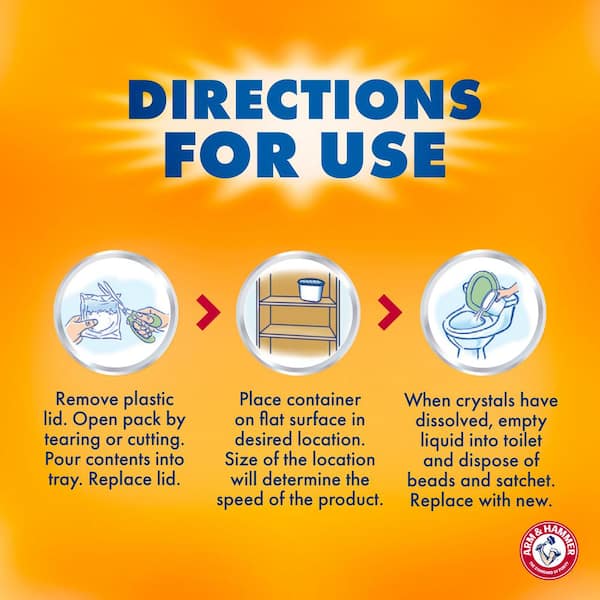
- If it is liquid brine: Pour it into a sink or toilet with running water. Keep the tap on for at least 30 seconds to dilute. Rinse the container before tossing or refilling.
- If you still have dry crystals you no longer want: Dissolve them in warm water in a bucket. Then pour the solution into a drain with plenty of water. Do not pour in the yard or on plants. The salt can harm soil and grass.
- Packaging: Rinse plastic parts and recycle if your bin accepts that type. If not, place them in the trash.
Tips from the field:
The brine is slippery. Wipe spills at once. I once let a few drops sit on a steel shelf. It left rust marks by the next day. Move slowly, and protect metal surfaces.
This is the most common scenario when people ask how to dispose of moisture absorber crystals, and it is usually the easiest.
Silica gel packets (Do not flush)
What you have:
Small packets labeled silica gel or desiccant. Sometimes they change color to show saturation.
How to dispose:
- Reuse first if you can. Many are rechargeable. Dry them in a low oven per the label.
- If you must toss them: Place packets in the trash. Do not put them in the drain or compost.
- Color-changing silica gel: Older blue beads may use cobalt chloride dye. In large amounts, take them to a household hazardous waste site. A few packets can usually go in household trash, but check local guidance.
Keep packets away from pets. They are a choking risk. If a pet eats one, call your vet.
Activated charcoal or odor-absorbing blends
What you have:
Bags or canisters with charcoal or a mix of charcoal and clay.
How to dispose:
- If the product is plain charcoal from a home goods brand, the simplest route is the trash.
- Do not flush. Charcoal does not dissolve and can clog drains.
- If the label mentions odor chemicals or specialty additives, follow brand directions or use a hazardous waste drop-off if advised.
Refillable bucket systems
What you have:
A large tub or hanger unit that collects a lot of brine.
How to dispose:
- Pour brine into a toilet or sink with steady running water.
- Rinse the chamber well. Dry before refilling to reduce clumping.
- Dispose of used filters or liners in the trash unless the maker says otherwise.
Car dehumidifier bags
What you have:
Fabric bags for cars, trunks, or RVs. They may use silica gel or calcium chloride.
How to dispose:
- If silica gel: Recharge in the oven if the label allows. Reuse for months or years.
- If calcium chloride and it leaked: Treat the liquid like brine. Dilute down a drain with water. Trash the damaged bag.
If you still feel unsure about how to dispose of moisture absorber crystals for your exact product, check the brand’s FAQ or helpline. They answer this daily.

What not to do when you dispose of moisture absorber crystals
Avoid these mistakes:
- Do not pour brine on soil, lawns, or plant beds. The salt can kill plants.
- Do not dump large amounts at once. Use running water and take your time.
- Do not mix with bleach, acids, or other cleaners. Keep chemicals simple and separate.
- Do not let brine sit on bare metal. It can cause quick corrosion.
- Do not leave opened containers where pets or kids can reach them.
Simple habits like these prevent mess, damage, and extra costs. They also keep you on the right side of local rules about how to dispose of moisture absorber crystals.
Eco-friendly options and reuse tips
Want less waste next time?
- Recharge silica gel packets. A low bake can restore them many times.
- Switch to refill packs instead of single-use tubs.
- Use a small electric dehumidifier with a drain hose in very damp rooms.
- Improve airflow. A fan, vent, or simple crack in a window can cut moisture loads.
- Recycle packaging when possible. Rinse first to remove salt.
- Take unusual or dyed desiccants to household hazardous waste if your area advises it.
These steps reduce how often you need to think about how to dispose of moisture absorber crystals, and they save money too.

Real-world examples and lessons learned
I once emptied a basement bucket in a big rush. I poured the brine fast and skipped the rinse. The next day, the drain cover had a white crust. Now I always keep the tap running and rinse the sink after.
In a client’s closet, a hanging bag leaked on a chrome rod. Light rust showed up in 48 hours. We removed the rod, cleaned it, and switched to a shelf unit that could not drip on metal. Little choices matter when you plan how to dispose of moisture absorber crystals.
When I help friends, I give them a script: gloves on, water running, pour slow, rinse well, and trash the rest. It takes two minutes and avoids all the headaches.

Frequently Asked Questions of how to dispose of moisture absorber crystals
Is it safe to pour DampRid liquid down the drain?
Yes, in small amounts with running water. Most makers say it is fine for household plumbing and septic systems, but follow local rules.
Can I throw silica gel packets in the trash?
Yes. Silica gel is non-toxic and solid. Keep it out of drains and away from pets.
What if my product has blue silica gel beads?
Older blue beads may use cobalt chloride dye. In large quantities, treat as household hazardous waste. For a few packets, check your city’s guidance.
Will brine from moisture absorbers kill plants?
Yes, salty brine can damage soil and burn plants. Do not pour it outside.
How do I clean up a spill of calcium chloride brine?
Wear gloves and wipe it up at once. Rinse the area with plenty of water and dry metal surfaces to prevent rust.
Can I compost charcoal desiccant?
No. Used activated charcoal may hold captured chemicals. Put it in the trash unless the label says otherwise.
What if my area bans pouring chemicals down the drain?
Use a hazardous waste drop-off or contact your waste authority. Ask them how to dispose of moisture absorber crystals under their rules.
Conclusion
Disposal is simple when you match the method to the material. Calcium chloride brine goes down a drain with running water. Silica gel goes in the trash or back in the oven to recharge. Charcoal blends go in the trash. Rinse containers, protect metal, and always check local rules.
Now that you know how to dispose of moisture absorber crystals with confidence, take five minutes to empty your units the right way. Reduce waste by recharging, refilling, or upgrading your moisture control setup. Have a question or a tricky product? Leave a comment, and I’ll help you figure it out.