

Replace moisture absorbers when they are saturated, indicators change color, or humidity stays high.
If you’ve ever wondered when to replace moisture absorber products in closets, basements, safes, or storage bins, you are not alone. I’ve tested many brands in damp rooms, boats, and camera cases. In this guide, I will show you exactly when to replace moisture absorber options for your space, how to read the signs, and simple steps to avoid mold, odors, and rust while saving money.

How moisture absorbers work
Moisture absorbers pull water vapor from air and hold it so it cannot cause damage. Different types behave in different ways, and that affects when to replace moisture absorber products.
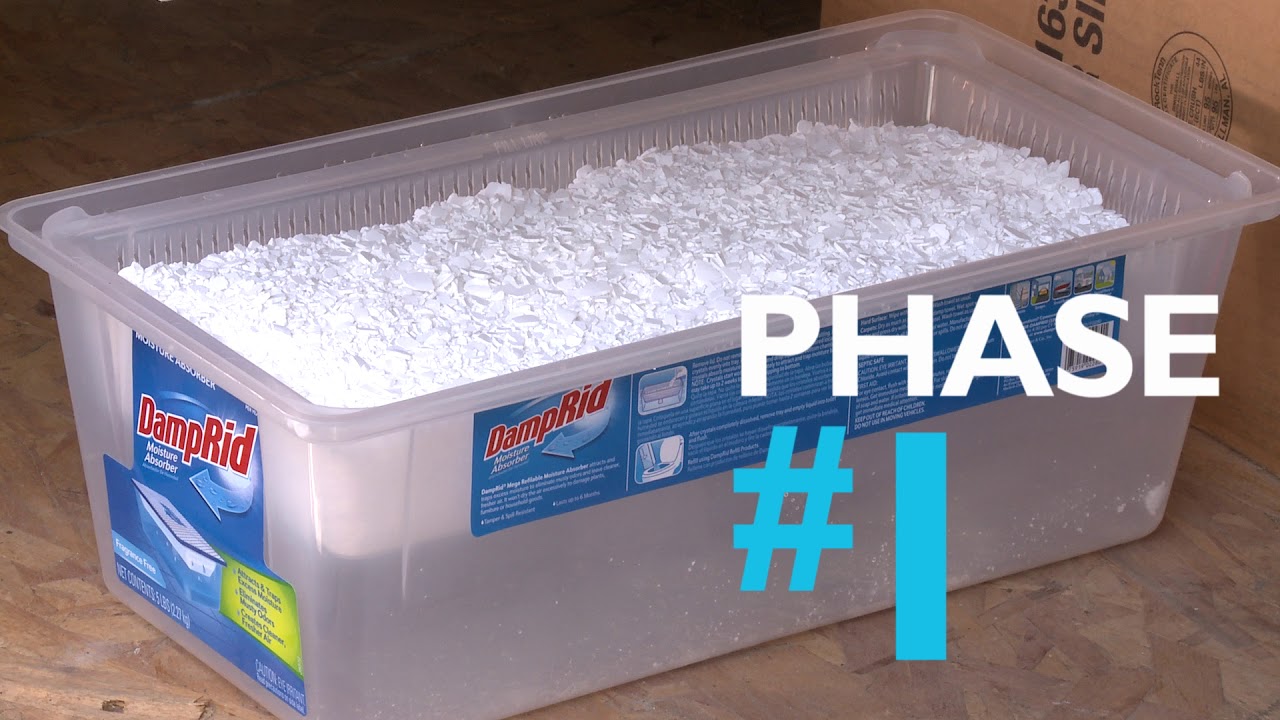
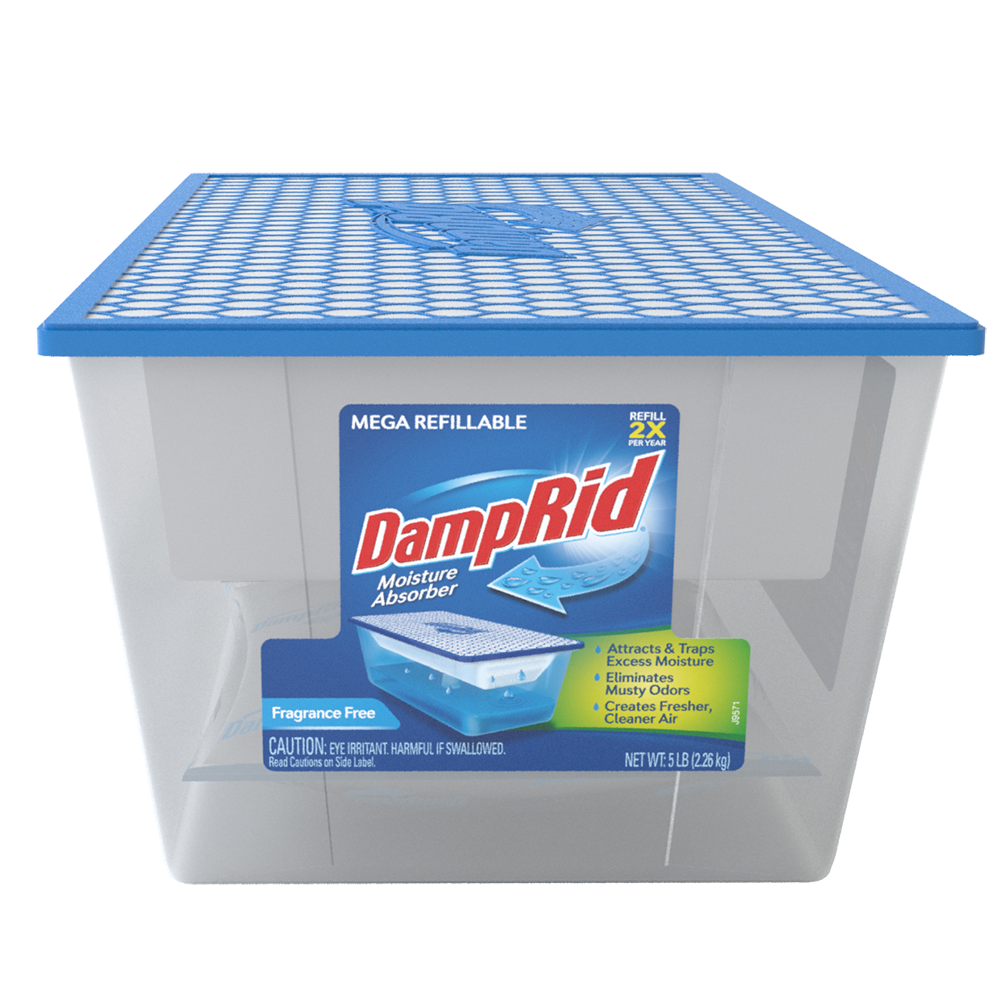
- Calcium chloride tubs and bags draw in moisture and turn solid crystals into liquid brine.
- Silica gel canisters trap moisture inside tiny pores. Many have a color indicator that changes when full.
- Clay desiccants absorb water slower, but they are cheap and common in packaging.
- Bamboo charcoal helps with odor and minor moisture in small spaces.
- Molecular sieve is used for very dry targets, like sensitive electronics or lab gear.
Why it matters: you decide when to replace moisture absorber units by what they are made of, how fast the room adds moisture, and your target humidity.
Clear signs it is time to replace
You do not need to guess. Look for these simple signals. These cues work at home, in an RV, or at your shop. They are your best guide for when to replace moisture absorber products.
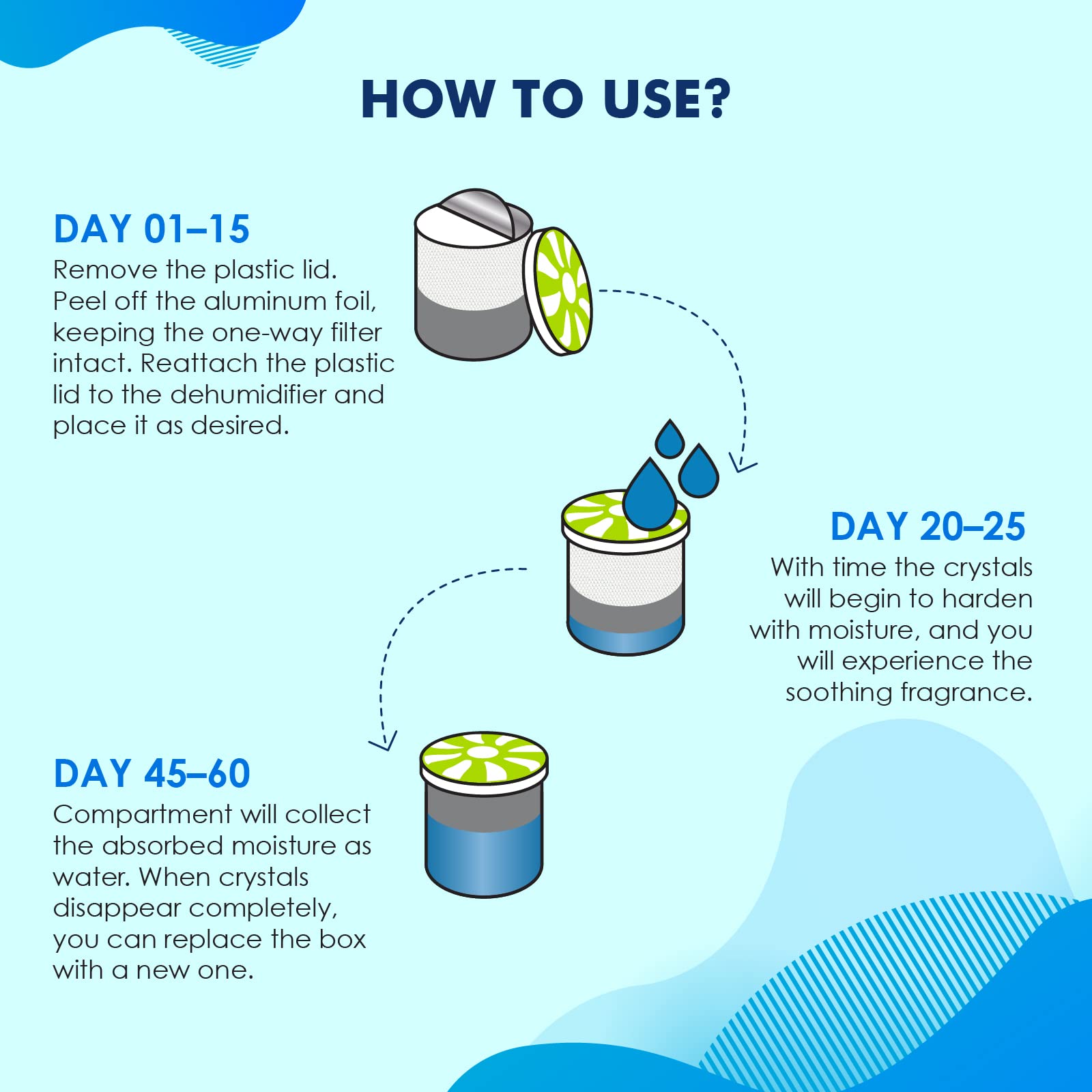
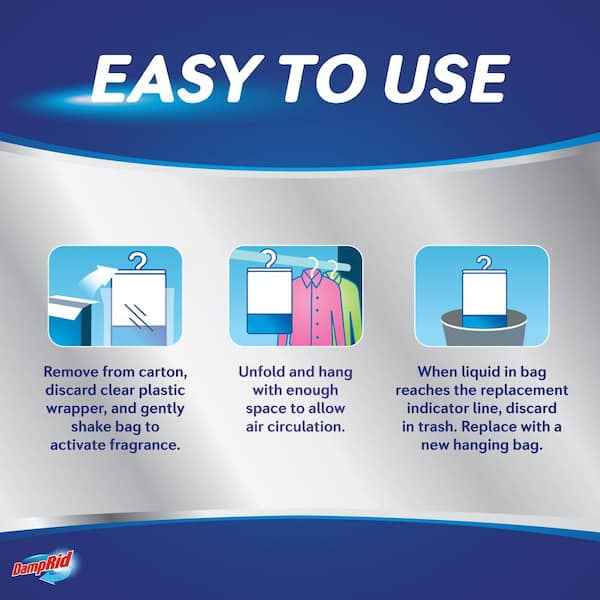
- The collection chamber is at the fill line or nearly full of liquid.
- Crystals are gone or clumped into mush and no longer dissolve.
- The indicator bead on silica gel turns from blue or orange to pink or green.
- The bag feels heavy, damp to the touch, or leaks brine.
- Your hygrometer stays above your goal for two days or more, even with the absorber in place.
- Musty odor returns, or you see new fog on windows or rust on tools.
- There is visible mold growth. Replace the absorber and treat the source fast.
If any of these occur, it is time to act. This is the core of when to replace moisture absorber decisions.

Time-based guidelines by space and product
Humidity, temperature, and room size drive timing. Use these ranges as a starting point, then adjust. This helps you plan when to replace moisture absorber setups without stress.
- Closets and wardrobes at 40 to 55 percent RH
Calcium chloride tub or hanging bag: 30 to 60 days.
Small silica gel canister: 1 to 3 months. - Bathrooms without fans
Calcium chloride: 15 to 45 days, shorter in warm months. - Basements and garages
Calcium chloride: 20 to 60 days.
Silica gel packs in sealed bins: 2 to 6 months. - Safes, ammo cans, and camera cases
Indicator silica gel: recharge every 2 to 6 weeks or when color changes. - RVs, boats, and cabins
Check monthly in wet seasons. Replace after heavy rain or trips. - Long-term storage bins
Use desiccant units matched to volume. A common rule is one silica gel unit per cubic foot for shipping level dryness. In static storage, 1 to 4 units per cubic foot may be needed based on seal quality and climate.
These windows are averages. Your timing for when to replace moisture absorber products may be faster in coastal or rainy areas and slower in dry climates.
Measure humidity to predict replacement
A small sensor saves time and money. Use data, not guesses. This removes the mystery around when to replace moisture absorber items.
- Place a digital hygrometer in the room or inside the container.
- Target indoor humidity of 30 to 50 percent for living spaces. For basements, 50 to 55 percent often works. For camera gear or safes, 35 to 45 percent is common.
- If RH rises 5 points above target for 48 hours, check your absorber and replace or recharge.
- Track weight on reusable pouches. If a 500 gram silica bag gains 15 to 25 percent weight, it is due for a bake or recharge.
- Use humidity indicator cards in sealed bins. When dots change color, you know when to replace moisture absorber packs inside.
Tip from the field: I log readings weekly in a note on my phone. It takes one minute and prevents mold surprises.

Reusable vs disposable: replace, recharge, or upgrade
Not every product needs to go in the trash. The type you choose sets the rule for when to replace moisture absorber gear.
- Calcium chloride tubs and hanging bags
Replace when the brine reaches the fill line or crystals vanish. Some models have refills to cut waste. - Silica gel with indicator beads
Recharge when beads change color. Bake in an oven at the maker’s listed temperature, or use a plug-in rechargeable unit that dries itself. - Clay desiccant packs
Often single-use in shipping. Some can be baked, but check labels. - Bamboo charcoal bags
Refresh in the sun for a few hours each month. Replace after 1 to 2 years. - Electronic mini desiccant dehumidifiers
These plug in to dry the desiccant. Replace only when the cartridge fails or after the rated cycle count.
If your space is large or very damp, consider a compressor or desiccant dehumidifier for the room, then use small absorbers in closets and bins. This reduces how often you face when to replace moisture absorber tasks.
Safe disposal and handling
A little care goes a long way. Be safe and kind to your home.
- Calcium chloride brine is salty and can be corrosive. Do not spill on metal or wood.
- Wear gloves and avoid contact with eyes and skin.
- Follow the label for disposal. Many brands allow sink disposal with plenty of water. Check local rules if you use a septic system.
- Rinse and dry the container before refilling to slow odors and residue.
- Keep all absorbers away from kids and pets.
These steps make when to replace moisture absorber moments clean and simple.
Common mistakes to avoid
I see the same slip-ups in homes, garages, and studios. Skip these and you will stretch each product farther and know exactly when to replace moisture absorber setups.
- Using a tiny tub in a big, damp room.
- Ignoring drafts, leaks, or wet foundations that overwhelm any absorber.
- Blocking air flow. Do not bury the unit behind clothes or boxes.
- Waiting for visible mold instead of watching indicators and RH.
- Recharging silica gel too hot, which can damage the beads.
- Forgetting to label the start date. A simple marker note helps.

Real-world schedules and examples
Here are schedules that have worked for me and clients. Use them to set reminders and dial in when to replace moisture absorber units.
- Small closet with seasonal clothes
One 10 to 16 ounce calcium chloride tub. Replace every 45 days in spring, 60 days in winter. Hygrometer target 45 percent RH. - Gun safe with indicator silica gel
One 750 gram canister. Recharge every 4 weeks or at color change. Keep RH near 40 percent. - Basement storage shelves
Two large tubs spread out, plus a room dehumidifier set to 50 percent. Replace tubs every 30 to 50 days in summer. - Camera case
Indicator silica gel 40 to 100 gram. Recharge every 2 to 3 weeks or when the dot turns pink. - RV over winter
Three hanging calcium chloride bags for 28 feet. Check monthly. Replace after storms or when bags liquefy.
These patterns make it easy to plan when to replace moisture absorber products and avoid last minute scrambles.
Frequently Asked Questions of when to replace moisture absorber
How often should I check my moisture absorber?
Check weekly in damp seasons and every two weeks in dry months. A quick look at the fill line or indicator bead is enough.
Do moisture absorbers expire if unopened?
Most keep for years if sealed and dry. Store them in a cool, airtight bin to protect performance.
Can I use two moisture absorbers in one room?
Yes, and it often helps. Split them across the room to improve air contact and slow how often you replace each one.
Is a dehumidifier better than a moisture absorber?
For large or very damp rooms, yes. Use a dehumidifier for the room and moisture absorbers for closets, safes, and sealed bins.
How do I know my silica gel is fully recharged?
Indicator beads return to the dry color across the canister. If color is uneven, dry a bit longer and mix the beads by gently shaking.
What humidity level should I aim for?
Most homes do well at 30 to 50 percent RH. For safes and cameras, 35 to 45 percent is common.
Can I weigh my desiccant to decide when to replace?
Yes. When a silica gel pouch gains about 15 to 25 percent weight, it is ready to recharge. Write the dry weight on the tag for easy tracking.
Conclusion
You now know the simple signals, time windows, and tools that tell you when to replace moisture absorber products. Watch the fill line, read the indicator, and track humidity. Tweak the schedule for your space and season, and you will prevent mold, rust, and odors with less effort.
Set a reminder today, add a hygrometer, and make a quick plan for each room or bin. If you found this helpful, subscribe for more practical home care guides, or leave a comment with your setup and I will help you fine-tune it.