

Most moisture absorbers last 1 to 3 months, but it varies by type and humidity.
If you want a clear, tested answer to how long do moisture absorbers last, you are in the right place. I’ve used them in closets, basements, boats, and RVs for years. In this guide, I break down real-world lifespans, what changes them, and the exact steps to get the most out of each product. Stick with me and you will know exactly what to buy, where to place it, and when to replace it.
How moisture absorbers work and why lifespan varies
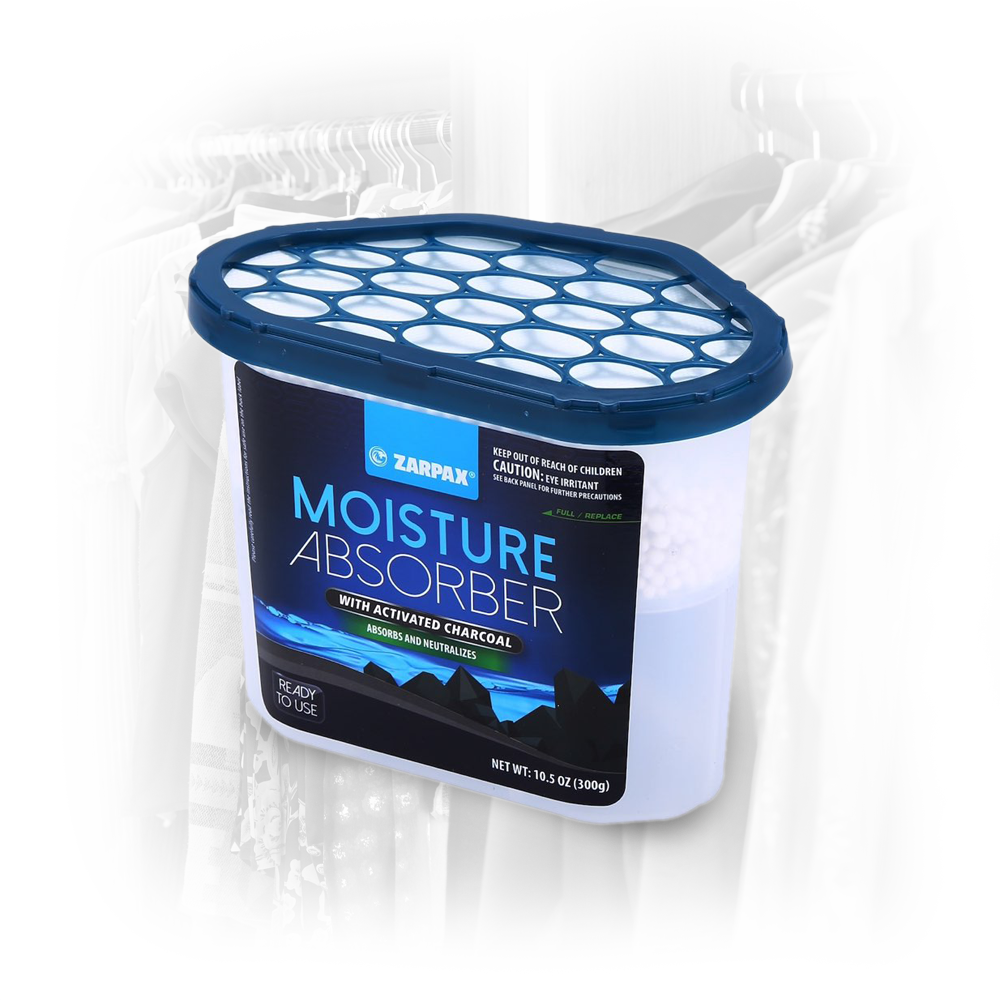
Moisture absorbers pull water from the air until they fill up or stop working. Some are desiccants, like silica gel and clay. Others are deliquescent salts, like calcium chloride, which turn into a liquid brine as they absorb water.
This is why answers to how long do moisture absorbers last are never one-size-fits-all. Lifespan changes with humidity, temperature, airflow, and room size. It also depends on the chemistry and capacity of the absorber.
From my field use, calcium chloride soaks up a lot and works fast. Silica gel works slower but can be recharged many times. Clay and charcoal are low cost, but they saturate sooner and suit small spaces.

Typical lifespans by type
Knowing how long do moisture absorbers last starts with the type you pick. Here is what to expect in normal use.
Calcium chloride tubs and hanging bags
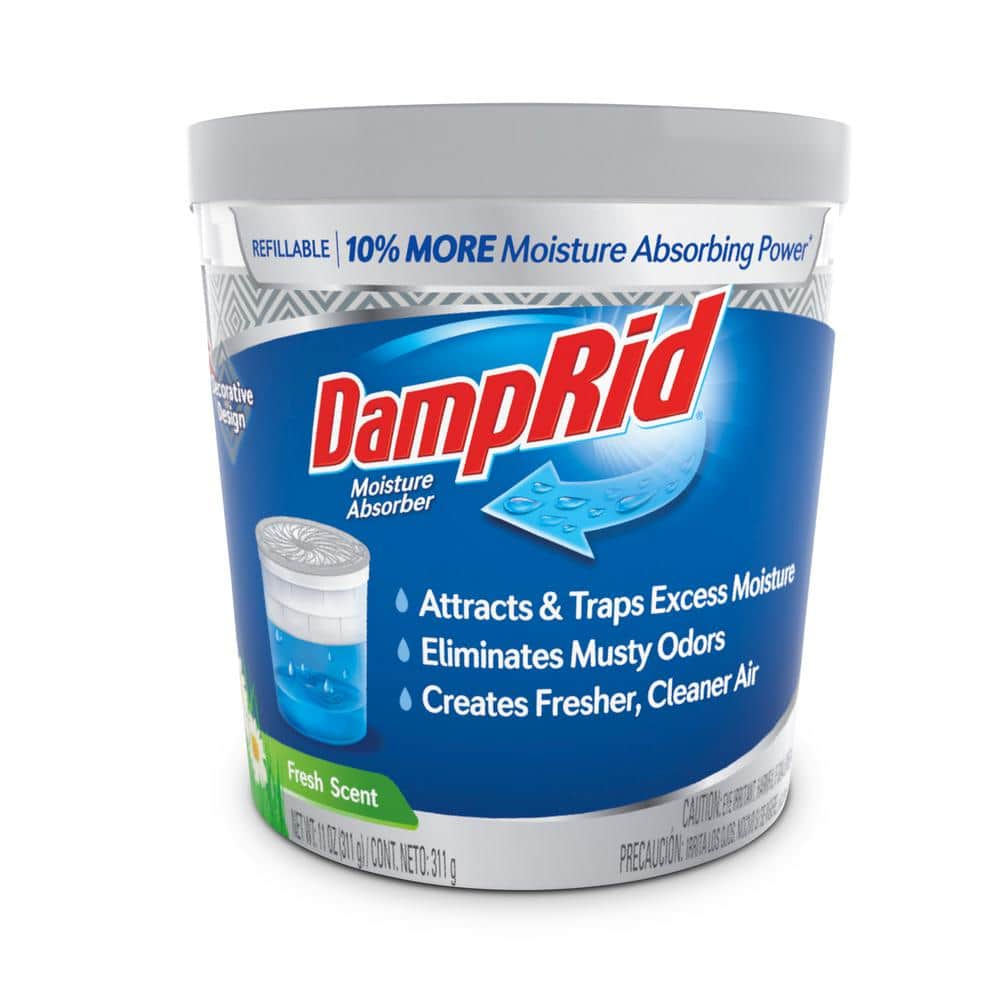
These are the workhorses. They often last 30 to 90 days in living spaces. In very damp rooms, expect 15 to 45 days. A common 10 to 16 ounce tub may fill in 4 to 8 weeks. Many makers say 45 to 60 days is typical.
Silica gel packs and canisters
Silica gel absorbs up to about 40 percent of its weight in water. In a closet or container, it may last 2 to 6 weeks between recharges. In sealed storage bins, it can last months. It answers how long do moisture absorbers last with a twist: it keeps working for years if you recharge it.
Activated charcoal bags
Charcoal helps with odor and light moisture. It often lasts 2 to 4 weeks before it needs sun exposure to dry out. In damp seasons, you may need to refresh weekly. It is best for small spaces like shoes or gym bags.
Clay desiccant
Clay is low cost and sturdy. It holds less water than silica gel. Expect 1 to 3 weeks in a damp space and longer in a sealed tote. How long do moisture absorbers last with clay depends a lot on the container seal.
Molecular sieve
This is a pro-grade desiccant. It grabs water even at very low humidity. It can last weeks to months in sealed gear cases. You can recharge it many times, which changes how long do moisture absorbers last in long-term storage.

Factors that affect how long do moisture absorbers last
Several key factors decide how long do moisture absorbers last in your home.
- Relative humidity. Higher humidity shortens lifespan. At 70 percent or more, most absorbents fill fast.
- Temperature. Warm air holds more moisture. Warm, damp rooms flood absorbers.
- Airflow. More airflow brings more moisture to the media. This speeds up saturation.
- Room size and leakage. Big rooms or drafty areas need more capacity. Small sealed spaces use less.
- Product capacity. Calcium chloride can absorb its own weight or more. Silica gel is lower by weight. Bigger tubs last longer.
- Placement. Place closer to moisture sources and off the floor. Keep vents clear for airflow.
- Season and weather. Rainy months shorten the life. Dry winter air can extend it in heated spaces.

How to estimate lifespan in your space
You can predict how long do moisture absorbers last with a simple approach. It will not be perfect, but it guides buying and placement.
- Check your humidity. Use a hygrometer. Note the typical range in the room.
- Note product capacity. Many tubs list ounces or grams of water they can hold.
- Use a rule of thumb. In 60 to 70 percent humidity, a small calcium chloride tub often lasts 4 to 8 weeks in a closet-sized space.
- Adjust for air and leaks. If the area is open or drafty, cut the estimate by 25 to 50 percent.
- Track the first cycle. Mark the start date. See when the reservoir fills. This will answer how long do moisture absorbers last for your exact setup.
Quick example: A 16 ounce calcium chloride tub in a 100 square foot closet at 65 percent humidity often lasts 5 to 7 weeks. In a 400 square foot basement at 70 percent humidity, it may last 2 to 4 weeks.
Tips to make moisture absorbers last longer
You can stretch how long do moisture absorbers last with a few simple habits.
- Close doors and windows. Reduce fresh humid air.
- Fix leaks and seepage. Stop the source and your absorber will not drown.
- Add light airflow. A small fan helps distribute air across the absorber.
- Elevate the unit. Keep it off cold floors where condensation forms.
- Right-size your setup. Use more capacity in large or wet rooms.
- Recharge when possible. Dry silica gel in an oven per label. Many color beads turn from blue or orange to clear when full.
- Use a dehumidifier as backup. In very damp basements, pair both. The absorber handles closets and corners. The dehumidifier does the heavy lift.
Placement, sizing, and replacement schedule
Right placement and sizing change how long do moisture absorbers last in real life.
- Small closets and cabinets. One small tub or bag. Replace every 4 to 8 weeks.
- Bathrooms and laundry rooms. One medium tub or two small bags. Expect 3 to 6 weeks.
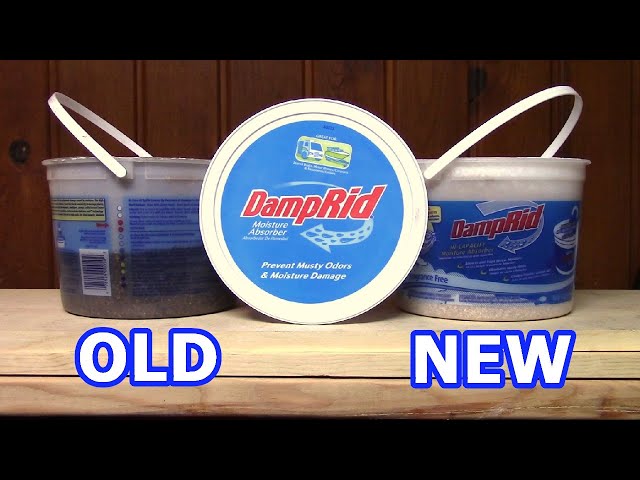
- Basements and garages. One large bucket per 300 to 500 square feet. Expect 2 to 8 weeks.
- Boats and RVs. Several silica gel canisters you can recharge. Rotate every 2 to 6 weeks.
- Storage bins and safes. Silica gel or molecular sieve. Recharge every 1 to 3 months or when indicator changes.
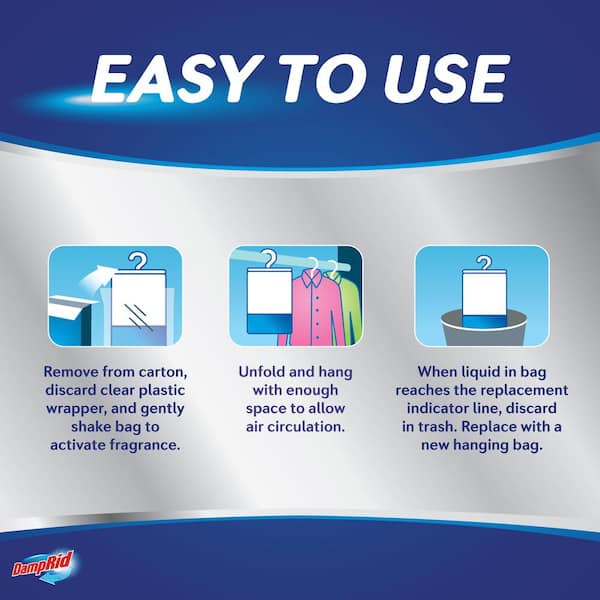
Watch for signs it is time. Calcium chloride crystals shrink and the reservoir fills. Silica gel indicator beads change color. Charcoal or clay feels heavy and damp. When in doubt, replace or recharge. This keeps control steady.
Safety, disposal, and reuse
Safety matters when you plan how long do moisture absorbers last. Calcium chloride brine is salty and can irritate skin. Keep away from kids and pets. Do not spill the liquid on metal or wood.
Follow the label for disposal. Most brine can go down a sink with plenty of water unless the label says otherwise. Do not pour on plants or soil.
Silica gel can be recharged. Dry at 200 to 250 degrees Fahrenheit for 2 to 3 hours, or as the maker directs. Some packs allow microwave drying. Use short bursts and watch for overheating. This reuse can double or triple how long do moisture absorbers last over a season.

Frequently Asked Questions of how long do moisture absorbers last
How long do moisture absorbers last in a bathroom?
Most last 3 to 6 weeks due to steam and high humidity. Use medium tubs and replace at the first sign of saturation.
How long do moisture absorbers last in a closet?
Expect 4 to 8 weeks with a small tub or bag. Close the door to slow moisture inflow.
How long do moisture absorbers last in a basement?
Plan for 2 to 8 weeks based on size and leaks. Pair with a dehumidifier if humidity stays above 60 percent.
How long do moisture absorbers last in sealed storage bins?
Silica gel can last 1 to 3 months in a sealed bin. Use indicator beads to know when to recharge.
How long do moisture absorbers last in an RV or boat?
Often 2 to 6 weeks in humid climates. Use multiple units and recharge silica gel during travel days.
Do bigger tubs make moisture absorbers last longer?
Yes, more capacity means more time before saturation. In very damp rooms, even large tubs may still fill fast.
Can I make moisture absorbers last longer with better placement?
Yes. Place them near moisture sources and off the floor. Keep vents clear for good airflow.
Are reusable desiccants worth it?
They are great for sealed spaces. Recharging silica gel saves money and reduces waste over time.
Why did my absorber fill in days?
Humidity was high or airflow was strong. Fix moisture sources and upsize capacity to slow the fill rate.
How do I know when to replace or recharge?
Watch the fill line, weight, or color indicator. Replace or recharge as soon as it hits the full mark.
Conclusion
You now know how long do moisture absorbers last and what controls the clock. Type, humidity, airflow, and size are the big levers. Pick the right media, place it well, and track the first cycle to dial in a perfect routine.
Take action today. Check your humidity, right-size your absorber, and set a reminder to inspect it in two weeks. Want more smart home tips like this? Subscribe for guides, or drop a question in the comments so I can help with your setup.