

Yes—moisture absorbers work, but only in the right space and size.
If you’ve ever wondered, do moisture absorbers really work, you’re in the right place. I’ve tested many types in closets, safes, RVs, and damp rooms. In this guide, I break down how they work, where they shine, where they fail, and how to pick and size them like a pro. You’ll get clear tips, data-backed insights, and real-life examples so you can decide with confidence.
How moisture absorbers work
Moisture absorbers are desiccants. They pull water from the air and hold it. This lowers relative humidity in small, enclosed spaces.
There are two main ways they work:
- Adsorption with solids like silica gel. Water sticks to the surface of the beads.
- Absorption with salts like calcium chloride. Water is pulled in and turns the salt into liquid brine.
If you ask, do moisture absorbers really work, the answer depends on the room and the leak rate. In a sealed cabinet or closet, they can drop humidity to a safer range and keep it there. In a big, leaky room, they struggle because fresh humid air keeps coming in.

Types of moisture absorbers and what each does best
Different materials work in different ways. Pick based on your goal, not just the label.
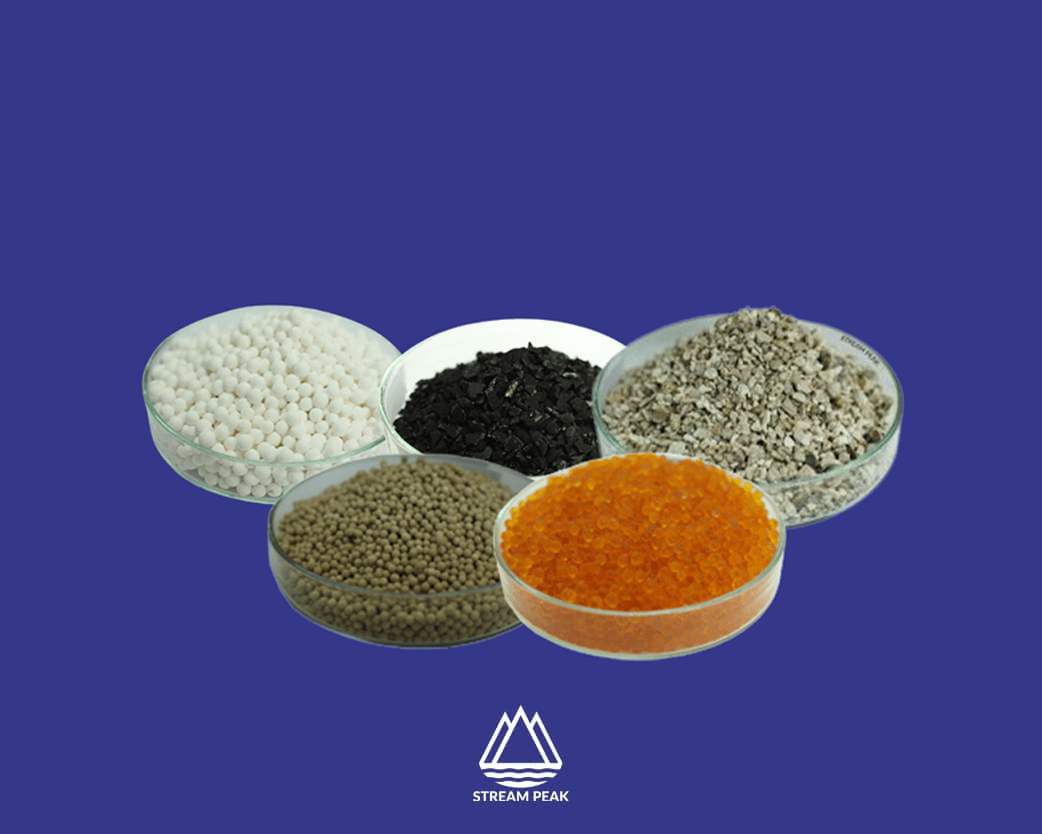
- Silica gel: Reusable beads that adsorb water. Great for safes, closets, storage bins, camera bags, and shoes. Often holds up to about 30–40% of its weight in water. You can recharge by heating.
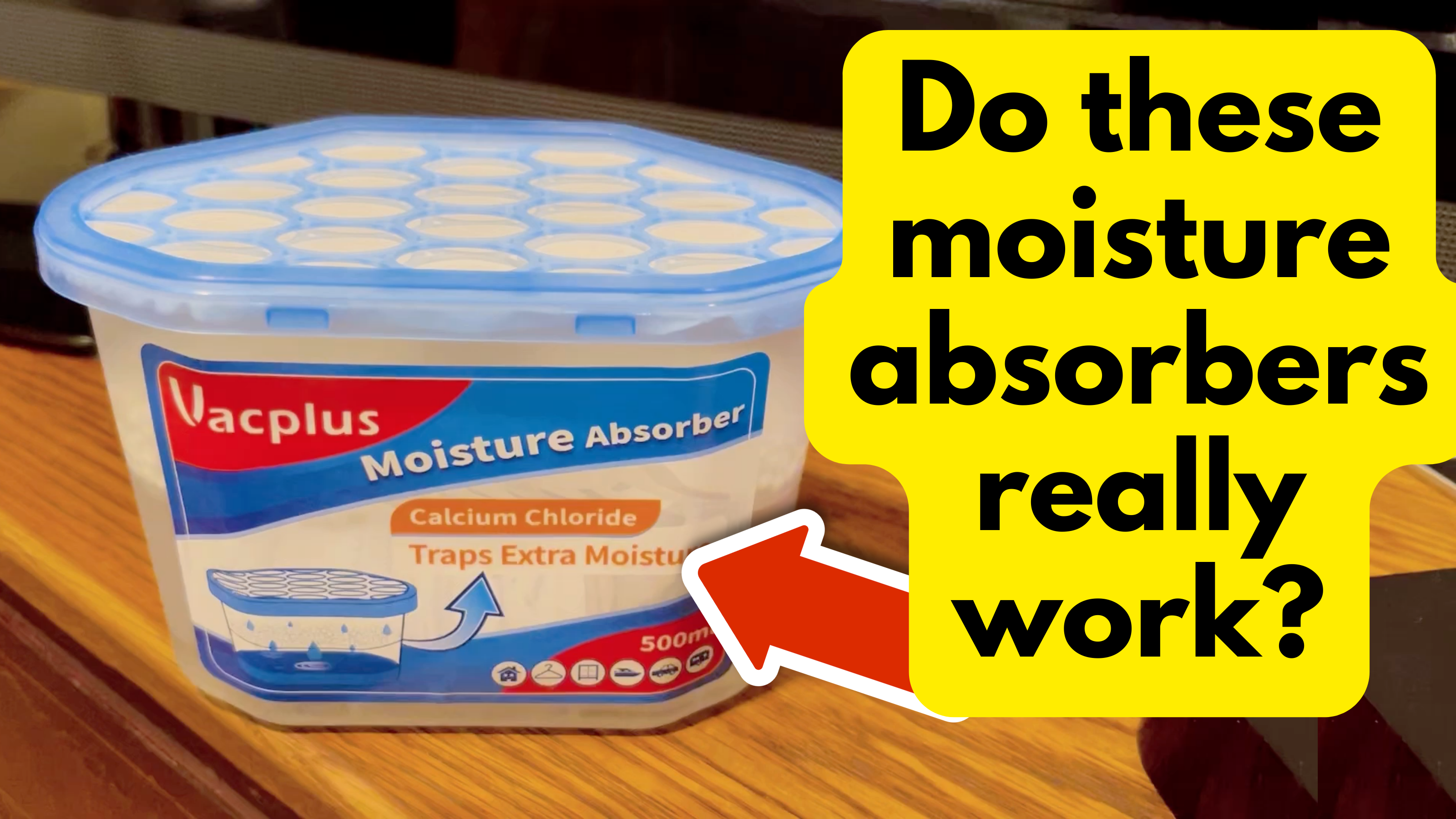
- Calcium chloride: Very strong absorber. It deliquesces and becomes liquid brine. Works fast in closets, RVs, boats, and small rooms. Needs safe placement to avoid spills.
- Clay desiccant: Cheap and simple. Good for boxes and shipments. Lower capacity than silica gel.
- Molecular sieve: High-capacity pro-grade bead used for sensitive gear. Strong at low humidity. Costly but very effective.
- Activated charcoal: Helps with odors. Limited water capacity on its own. Often used with another desiccant.
Do moisture absorbers really work with odors too? They help indirectly by cutting moisture that feeds mold and musty smells. Charcoal adds an odor filter, but moisture control still does the heavy lifting.
Where they shine vs where they struggle
Moisture absorbers shine in small, enclosed spaces with steady but modest moisture loads:
- Closets, wardrobes, and entry cabinets
- Gun safes and document safes
- Storage bins, luggage, and sneaker boxes
- RVs and boat cabins in storage
- Cars in storage with windows closed
- Pantries and under-sink cabinets
They struggle in open, wet, or high-traffic spaces:
- Damp basements with leaks or bare earth
- Bathrooms with daily showers
- Kitchens with frequent cooking steam
- Garages with doors opening often
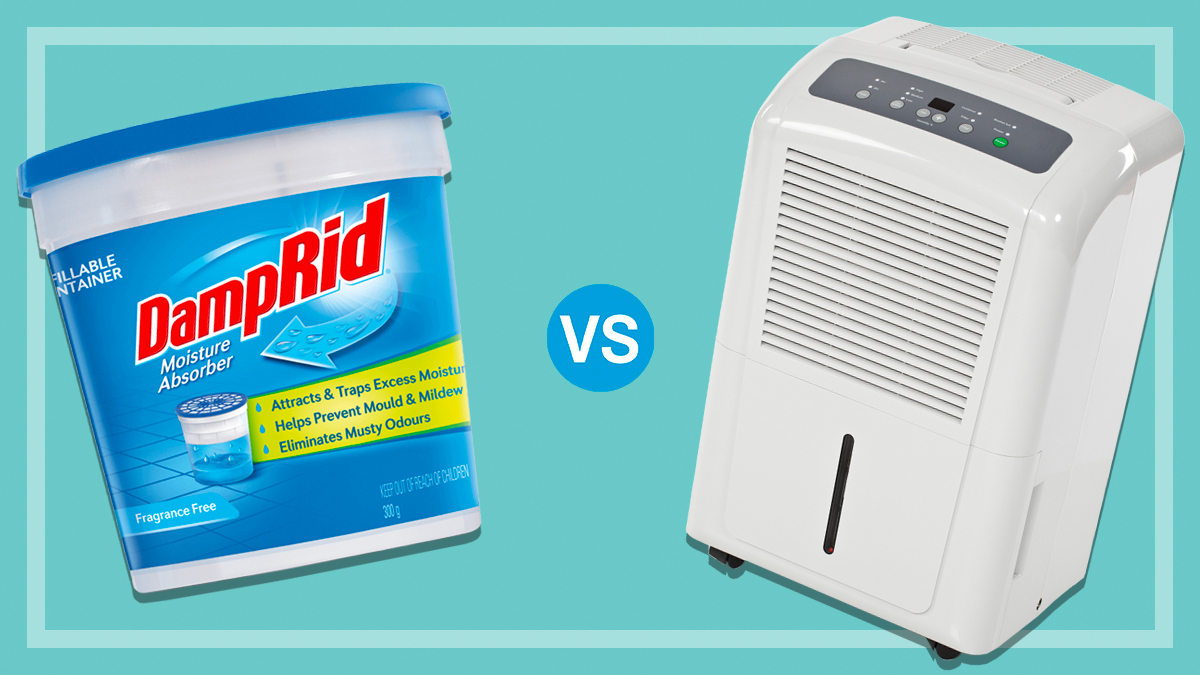
If you’re wondering, do moisture absorbers really work in a basement, the honest answer is: not well on their own. Use a dehumidifier, fix leaks, and improve drainage first. Then a desiccant can help with closets or storage zones inside that space.
How to size and choose the right moisture absorber
Right size matters more than brand. Here’s a simple plan that works.
- Measure your humidity. A cheap digital hygrometer shows current RH. Aim for 40–55% RH for most storage needs.
- Match the space. Use silica gel canisters for safes or small cabinets. Use calcium chloride tubs for closets, RVs, or boat cabins.
- Start with enough capacity. For a small closet, one 1–2 lb calcium chloride tub is a good start. For a gun safe or camera case, use a 200–500 g silica canister.
- Check and adjust. If RH stays above 60%, add another unit or step up in size. Replace or recharge more often in wet seasons.
- Mind safety. Keep calcium chloride away from metal shelves and fabrics. The brine can spill and corrode. Place tubs in stable trays.
- Reuse when possible. Many silica gel units are rechargeable. Bake at a low oven setting per label to dry the beads.
Do moisture absorbers really work if you oversize them? Yes, and they last longer between changes. Undersized units will saturate fast and stop making a difference.
Real-world tests and examples
I’ve used moisture absorbers in many spaces over the years. Here is what I saw in practice.
- Coat closet by a damp entry: One 2 lb calcium chloride tub took the musty smell down within a week. RH moved into the mid-50s and coats stopped feeling clammy.
- Gun safe with paper documents: A 450 g rechargeable silica canister kept RH near 45–50%. I recharge it every 3–6 weeks, faster during summer.
- Sedan stored for winter: Two silica canisters plus cracked windows didn’t work well. Switched to one calcium chloride tub in a drip-proof tray with windows closed. Windows stayed clear and no stale smell.
- RV in humid climate: Two calcium chloride tubs during storage kept cushions dry. When we forgot to replace them, we noticed sticky surfaces and light mildew on a strap within a month.
Do moisture absorbers really work in a car or RV? Yes, if the space is closed and the unit is stable and sized right. They are not a match for leaks. Fix water entry first.

Safety, maintenance, and disposal
Desiccants are simple, but they still need care.
- Placement: Keep tubs upright and out of reach of kids and pets. Calcium chloride brine can irritate skin and damage floors.
- Corrosion risk: Place brine tubs in plastic trays. Keep away from tools, electronics, and metal shelves.
- Spill plan: If brine spills, wipe at once and rinse with lots of water. Dry the area well to avoid residue and corrosion.
- Recharging silica: Follow the label for temperature and time. Some indicator beads change color when dry. Avoid overheating.
- Indicator safety: Older blue indicator beads used cobalt chloride. Many modern options are safer, but check product details before use.
- Disposal: Follow local rules. Most brine can go down a utility sink with plenty of water. Do not pour on plants or soil.
People ask, do moisture absorbers really work long-term? Yes, if you maintain them. Replace or recharge on schedule and monitor RH with a small meter.

Alternatives and complementary solutions
Sometimes you need a bigger tool or a combo approach.
- Electric dehumidifier: Best for rooms and basements. Set it to 45–50% RH and run a drain hose if possible.
- Ventilation: Use bath and kitchen exhaust fans. Improve cross-ventilation where safe.
- Fix sources: Seal roof leaks, plumbing drips, and foundation cracks. Dry wet carpet fast.
- Insulate and air seal: Warm surfaces condense less moisture. Weatherstrip doors and windows.
- Heat and airflow: Gentle heat and a small fan can help dry out a closed space.
Do moisture absorbers really work with a dehumidifier? Yes. Use a dehumidifier for the room, and a desiccant for closets, drawers, and safes inside that room.
Cost and value breakdown
Think in terms of space size and service life.
- Desiccant tubs: About a few dollars each. Often last 1–2 months in a closet. Great for spot control.
- Rechargeable silica canisters: One-time buy. You pay with a little time and oven energy to recharge.
- Electric dehumidifier: Higher upfront cost and power use. But it handles large rooms and basements with ease.
So, do moisture absorbers really work for saving money? Yes, for small spaces. For whole rooms, a dehumidifier gives better value over time.
Signs you need a moisture solution and quick troubleshooting
Watch for early warning signs. Quick action saves money and stress.
- Musty smells, especially after rain
- Condensation on windows or metal
- Sticky papers or wavy book pages
- Light mold spots on walls, leather, or fabrics
If results are weak, try this:
- Close the space tighter and reduce air leaks
- Upsize from silica to calcium chloride, or add a second unit
- Replace or recharge the desiccant sooner
- Use a small fan to move air inside the closet
- Add a room dehumidifier if RH stays above 60%
If you’re still asking, do moisture absorbers really work, it may be a sizing or source issue. Fix the leak, then the desiccant can finish the job.
Frequently Asked Questions of do moisture absorbers really work
Do moisture absorbers really work in bathrooms?
They help a little between showers, but not during daily steam. Use the exhaust fan and consider a dehumidifier for real control.
Do moisture absorbers really work for mold prevention?
They help by keeping RH below 60%, which slows mold. You still need to fix leaks and clean existing growth.
Do moisture absorbers really work in open rooms?
Not well. Fresh humid air replaces the dried air too fast. Use a dehumidifier for open spaces.
Do moisture absorbers really work for closets with shoes and bags?
Yes. They reduce moisture that feeds odors and mildew. Pick silica for gentle control or calcium chloride when humidity runs high.
Do moisture absorbers really work in basements?
Only in small, enclosed zones like storage cabinets. For the room itself, use a dehumidifier and improve drainage.
Do moisture absorbers really work in cars during storage?
Yes, if windows are closed and you use enough capacity. Place tubs in stable trays to avoid spills.
Do moisture absorbers really work during winter?
Often, yes. Winter air is dry outdoors, but basements and closets can still be damp. Desiccants help keep RH stable.
Conclusion
Moisture absorbers do work, and they work well in small, enclosed spaces. Match the type and size to the job, keep an eye on RH, and maintain them. For big rooms or ongoing moisture, pair them with a dehumidifier and fix the source.
Take a quick audit of your home today. Check a closet, safe, or storage bin with a hygrometer. Add the right absorber and track the change for a week. If this helped, subscribe for more practical home tips, or drop a comment with your setup and results.