

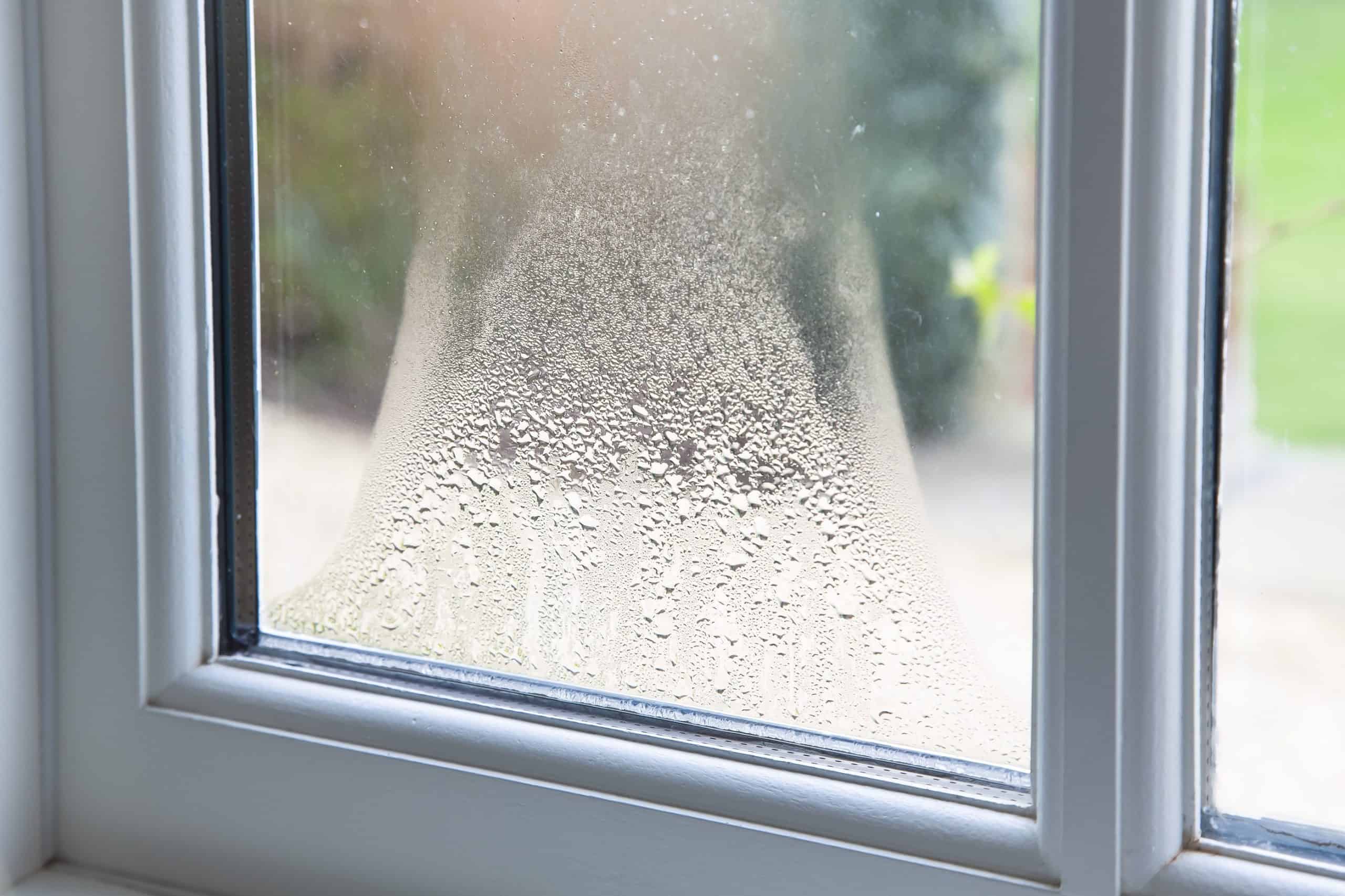
Moisture between panes happens when window seals fail and humid air leaks in.
If your windows look hazy or fog up inside the glass, you’re not alone. I’ve inspected hundreds of homes, and this is one of the top comfort and energy complaints. In this guide, we’ll unpack what causes moisture between window panes, how to confirm the problem, what fixes actually work, and how to prevent it for years.
How insulated glass actually works
Modern double- or triple-pane windows are sealed units. They’re called insulated glass units, or IGUs. Each unit has two or more panes, a spacer around the edge, a drying agent inside the spacer, and a gas fill like argon. The edge seal keeps moist air out and the gas in.
When that edge seal breaks down, the drying agent gets saturated. Then humid air sneaks in. This is what causes moisture between window panes in most homes.
Key parts to know:
- Panes of glass reduce heat transfer.
- Spacer sets the gap and holds the drying agent.
- Sealant bonds the glass and spacer to keep air and water out.
- Low-e coatings and gas fills boost efficiency.
The real culprits behind foggy panes
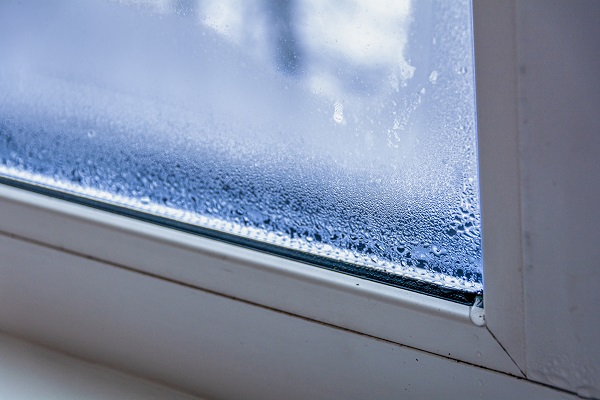
Let’s get clear on what causes moisture between window panes. It is almost always a seal failure plus humidity. But there are many ways that failure begins.
Common causes I see:
- Age and UV exposure. Sun cooks the seals over years. South and west windows fail first.
- Thermal pumping. Daily hot-cold swings flex the glass and spacer. That stress weakens the seal.
- Poor installation. Twisted frames and over-tight shims can stress the IGU from day one.
- Physical damage. A nicked edge, a bent sash, or hail can start a tiny leak path.
- Spacer design. Old aluminum spacers conduct heat and make seals run hotter and harder.
- Desiccant saturation. Once the drying agent is full, moisture shows up fast.
- Pressure or altitude changes. Moving windows from low to high elevation without breather tubes can stress seals.
- Water in the frame. Clogged weep holes trap water near the edge seal and speed failure.
- Manufacturing defects. Rare, but a bad seal line can pass the factory and fail early.
In short, what causes moisture between window panes is a weak edge seal plus conditions that push moisture into the unit.

Climate and home habits that make it worse
Your house and your weather play a big role. Even good windows can fail faster in harsh spots. Knowing this helps you prevent what causes moisture between window panes.
Watch these factors:
- High indoor humidity from cooking, showers, drying laundry, or humidifiers.
- Tight, unvented homes with no bath or range ventilation.
- Big temperature swings from hot sun days and cold nights.
- Coastal air with salt, or high altitude with pressure swings.
- Water pooling in the sill due to blocked weep holes.
Simple changes help. Run bath fans for 20 minutes after showers. Use a range hood that vents outside. Keep indoor humidity near 30 to 50 percent.
How to tell if the moisture is inside the panes
Not all wet glass means a bad seal. Check before you spend money. This step avoids replacing a good window.
Try these quick tests:
- Wipe test. If you can wipe the fog away from inside or outside, it’s surface condensation, not a failed seal.
- Dry day check. On a dry, sunny day, sealed-unit fog stays trapped. Surface fog clears fast.
- Edge scan. Look for hazy streaks, crystals, or milky swirls inside the glass near the spacer.
- Morning pattern. Inter-pane fog often forms odd shapes that do not match your room use.
- Flashlight test. Shine a light at an angle. If you see haze within the gap, the seal is likely gone.
If these signs line up, you’ve found what causes moisture between window panes in your case: a failed edge seal with saturated desiccant.
Fix it: repair, defog, or replace
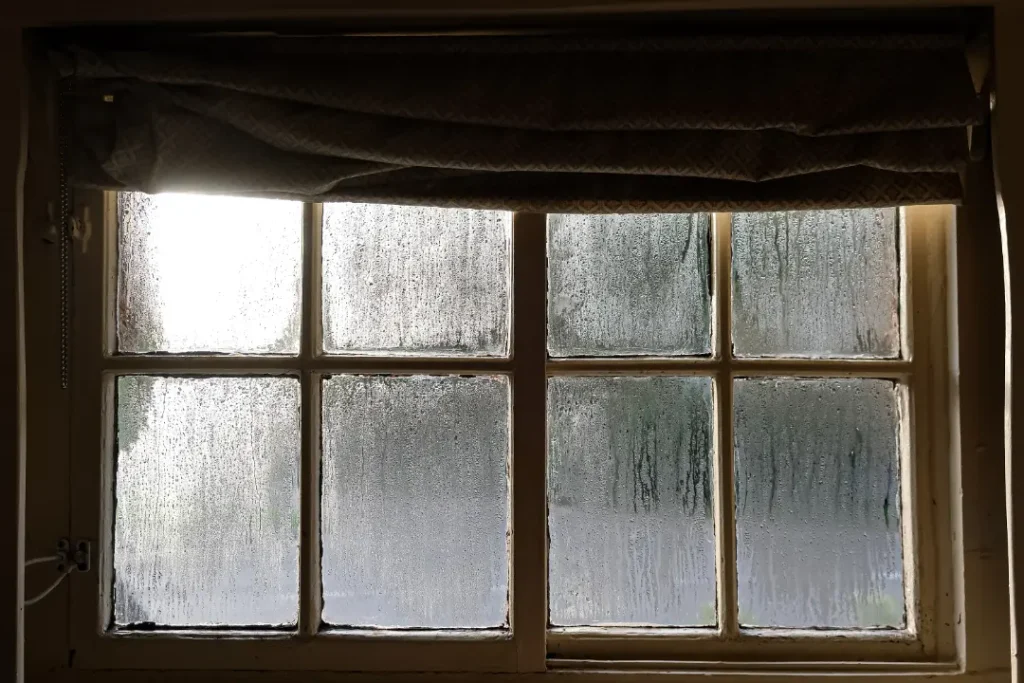
Once moisture gets inside, the unit has lost its seal. The long-term fix is to restore the seal or replace the IGU. Here is what works in real life.
Your options:
- Live with it for a while. It may not hurt anything right away, but energy loss will grow.
- Professional defogging. A tech drills tiny holes, vents the unit, and adds an anti-fog agent. It can clear the view, but it does not restore the original seal or gas fill. Results vary.
- Reseal at the edge. This is rare and hard to do right. Most shops will not guarantee it.
- Replace the IGU. This keeps your frame and sash. It restores clarity, seal, and gas fill. It’s the most reliable fix.
- Replace the full window. Choose this if frames are rotted, warped, or the style is outdated.
From my field work, IGU replacement is usually the best value. It targets what causes moisture between window panes, gives you a fresh seal, and fixes energy loss in one step.

Prevent it next time: smart choices and simple care
You can slow or even avoid seal failure. A few smart picks during purchase and some light upkeep go a long way.
Do this when buying:
- Pick warm-edge spacers. They run cooler and stress seals less.
- Choose reputable brands with solid warranties. Ask about IGU and seal coverage terms.
- Consider low-e coatings and argon or krypton fills for better energy performance.
- Match frame type to climate. Fiberglass and quality vinyl handle heat and cold swings well.
Do this in daily life:
- Keep indoor humidity in check. Use ventilation fans and a dehumidifier if needed.
- Clean weep holes yearly so water can drain out of the frame.
- Re-caulk exterior joints where needed to block bulk water.
- Add exterior shade where sun is harsh. Film or blinds indoors can also cut heat.
- Handle sashes with care. Don’t slam or force them.
These steps address what causes moisture between window panes by reducing heat stress, water contact, and humidity.
The real costs: energy, health, and comfort
A foggy IGU is more than a cosmetic issue. It hits comfort and bills too.
What to expect:
- Lower insulation. Gas fill loss and wet air in the gap cut the R-value.
- More drafts and hot spots. Rooms feel less stable in both winter and summer.
- Potential mold at frames. Moisture trapped near wood can feed growth.
- Reduced home value. Cloudy windows hurt curb appeal and buyer confidence.
Fixing the cause restores performance. Ignoring what causes moisture between window panes often means higher costs later.

When to call a pro and what to ask
If two or more windows are fogging, it’s time to bring in help. A good pro will confirm the problem and lay out options.
Ask these questions:
- Can you replace only the IGU in my existing sash and frame?
- What spacer system and sealant do you use?
- Will the new unit have low-e and a confirmed gas fill?
- How long is the seal warranty, and what does it cover?
- How will you match tint, grids, and sightlines to my other windows?
Be sure they address what causes moisture between window panes, not just the symptom. That means proper drainage, correct shims, and careful handling on install day.

Frequently Asked Questions of what causes moisture between window panes
What causes moisture between window panes in the first place?
A failed edge seal lets humid air leak into the gap. The desiccant gets saturated, and the moisture shows up as fog or haze.
Is it dangerous to have foggy double-pane windows?
It’s not a direct health risk by itself. But trapped moisture can encourage mold at nearby wood parts and reduces energy efficiency.
Can I fix condensation between panes myself?
DIY defog kits can clear the view for a while. They do not restore the sealed unit to factory performance, so results may be short-lived.
Will a dehumidifier stop the fogging inside the glass?
A dehumidifier helps with surface condensation, not with a failed seal. It will not fix moisture trapped between panes.
How long should insulated windows last before seals fail?
Many units last 15 to 25 years, depending on sun, climate, and build quality. Harsh exposure and poor installation shorten that timeline.
Does weather change what causes moisture between window panes?
Yes. Big daily swings, strong sun, and high humidity stress seals. Those factors accelerate the processes that lead to failure.
Is replacing just the glass unit worth it?
Often yes. Replacing the IGU restores clarity and performance without the cost and disruption of full-frame replacement.
Conclusion
Foggy glass is a clue, not a mystery. In almost every case, what causes moisture between window panes is a worn or damaged edge seal that lets humid air in. Confirm the issue with simple checks, then choose the fix that restores clarity and efficiency for the long haul.
Take a quick walk through your home today. Note which windows fog, clear the weep holes, and set your fans to run after showers and cooking. If you’re ready to act, get quotes for IGU replacement and ask the right questions. Want more practical home tips like this? Subscribe, share your window story in the comments, or ask a question and I’ll help you troubleshoot.