

Moisture in a crawl space comes from ground vapor, leaks, and humid air.
If you’ve ever wondered what causes moisture in crawl space areas under homes, you’re in the right place. I’ve inspected hundreds of crawl spaces, from soggy coastal homes to dry mountain cabins. In this guide, I’ll break down what causes moisture in crawl space environments, how to spot it early, and the exact steps to fix it for good—without wasting money on gimmicks.
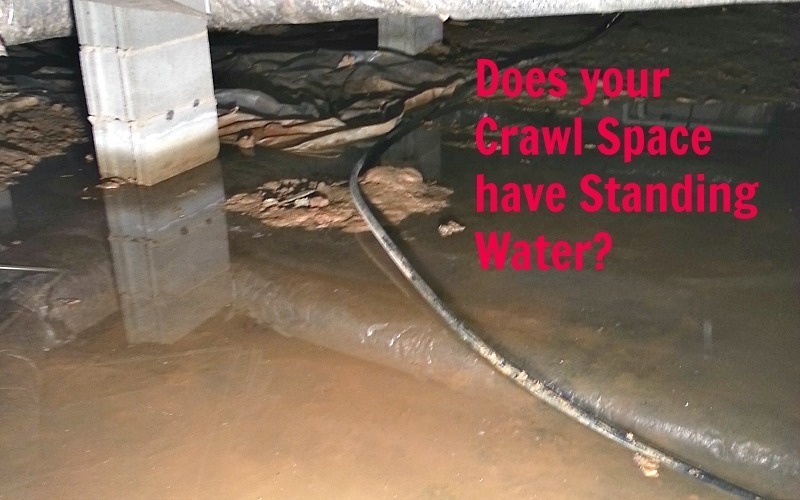
Why crawl spaces get wet: the big picture
Crawl spaces are like small basements that sit close to soil and outside air. That mix can pull water in from many directions. To solve problems fast, you need to know the main paths moisture uses to get inside.
Here is what causes moisture in crawl space most often:
- Ground vapor rises from bare soil and creeps into wood and insulation.
- Liquid water intrudes from rain, poor grading, or foundation cracks.
- Humid air enters through vents or gaps and condenses on cool surfaces.
- Plumbing and HVAC leaks add constant water to an already damp space.
Think of your crawl space as a sponge. When the air is humid or the soil is wet, that sponge soaks up moisture. When it stays wet, mold and wood decay follow.
Construction and design factors that drive moisture
Some homes are built in ways that invite dampness. Small choices during construction or remodeling can turn into big moisture problems later.
Common design issues tied to what causes moisture in crawl space:
- No vapor barrier on the soil lets ground vapor rise unchecked.
- Open foundation vents allow hot, humid air to rush in and condense.
- Poorly sealed rim joists and utility penetrations pull moist air inside.
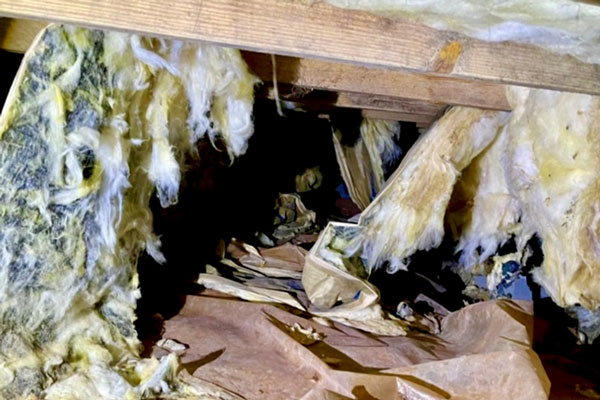
- Fiberglass insulation in joist bays traps moisture against wood.
- Low crawl space height limits airflow and drying.
Simple changes can help a lot. A sealed liner, closed vents, and air sealing the perimeter often cut humidity fast.

Outdoor causes: rain, drainage, and landscaping mistakes
Water starts outside. If it pools near your foundation, it will find a way in.
Watch for these exterior issues that explain what causes moisture in crawl space:
- Gutters clogged or missing, so water dumps next to the house.
- Downspouts that end near the foundation instead of 6–10 feet away.
- Grading that slopes toward the house instead of away from it.
- Heavy irrigation near foundation beds that keeps soil saturated.
- Dense mulch piled against siding, holding moisture like a wet towel.
Fix the outside first. It is often the cheapest and most effective step.
Indoor causes: plumbing, HVAC, and everyday habits
Water can also start inside the home and end up under it.
Common indoor sources of what causes moisture in crawl space:
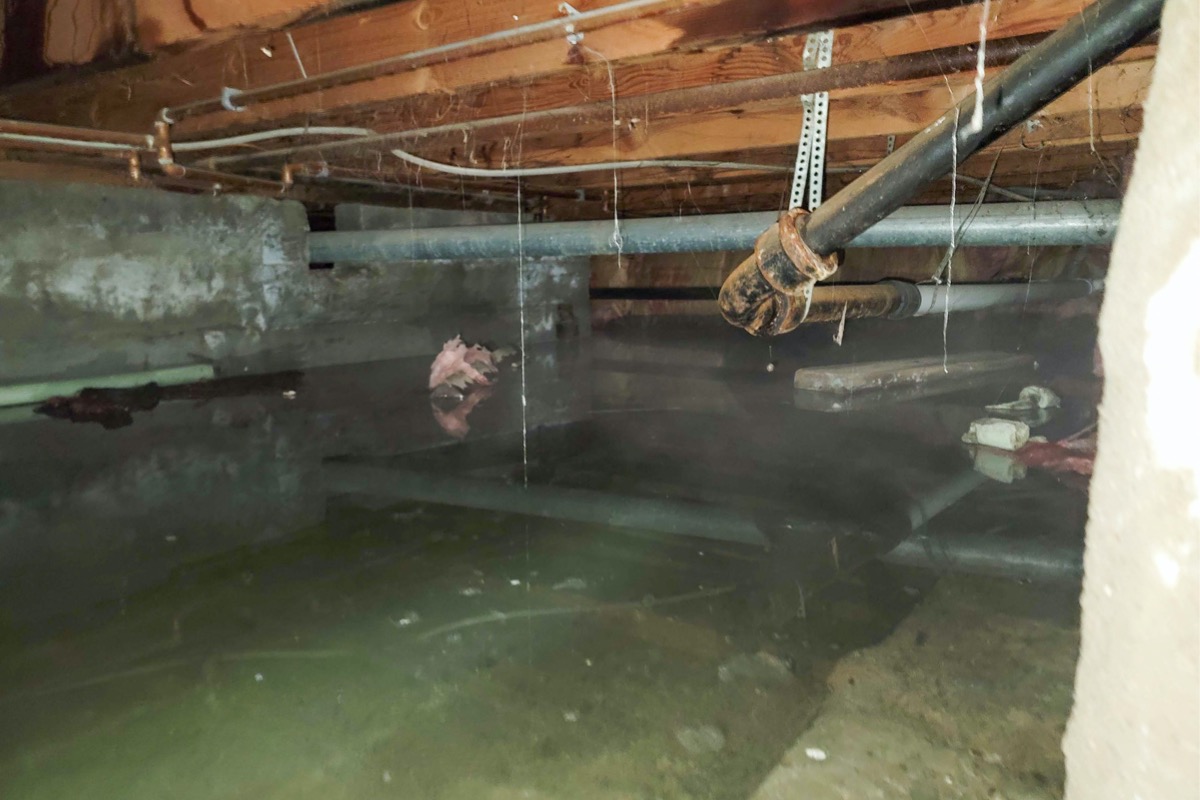
- Slow plumbing leaks from bathrooms or kitchens dripping through subfloors.
- Condensate from air conditioners or dehumidifiers draining into the crawl.
- Leaky or uninsulated ductwork causing cold surfaces that sweat.
- Dryer vents or bath fans exhausting into, not outside, the crawl.
- Water heaters or softeners with discharge lines leaking below.
A 15-minute leak check with a flashlight can save you days of drying later.
 seasonal patterns”
style=”max-width: 100%; height: auto; border: 2px solid black; border-radius: 10px; display: block; margin: 0 auto;”
loading=”lazy”
/>
Climate and seasonal patterns
Location matters. Climate is a big driver of what causes moisture in crawl space environments.
- Humid summers: Warm, wet outdoor air enters and hits cooler crawl surfaces. Condensation forms like sweat on a cold drink.
- Wet winters: High water tables and long rain events push water under footings and through block walls.
- Coastal zones: Salt air plus humidity accelerates corrosion and rot.
- Dry climates: Fewer condensation issues, but ground vapor can still be high without a soil liner.
Plan fixes that match your climate. Venting that works in a dry region may fail in a humid one.
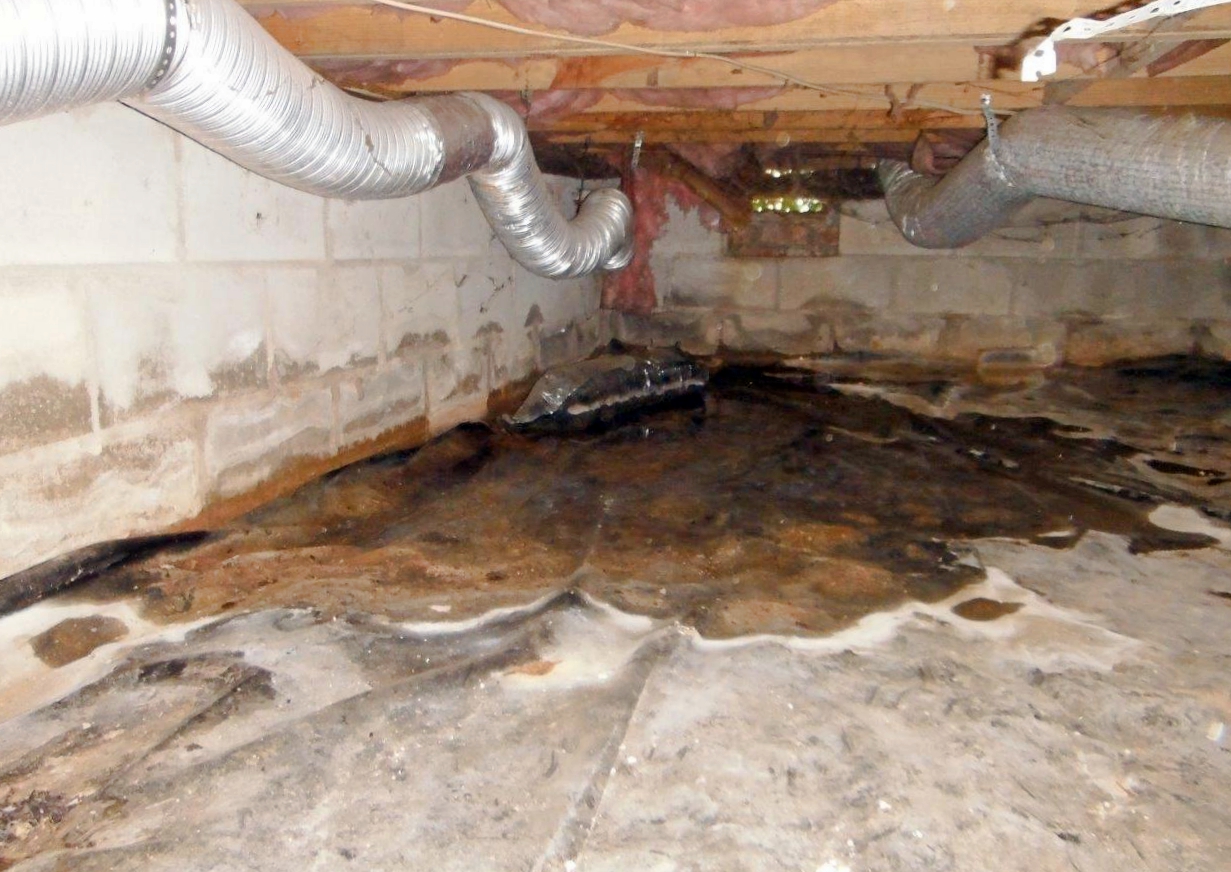
Signs, risks, and why it matters
Moisture is not just a nuisance. It can affect your health, comfort, and wallet.
Look for:
- Musty odors that drift into living spaces.
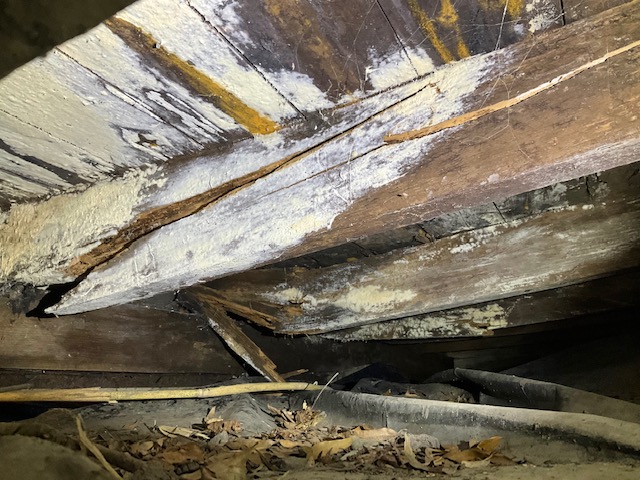
- Visible mold, white efflorescence on walls, or dark staining on wood.
- Rusted metal ducts, nails, or hangers.
- Sagging, damp insulation and cupped hardwood floors.
- High energy bills as wet insulation loses R-value.
Building science research shows a large share of the air in your home can come from the crawl space. If it is damp, your home can smell damp too.

How to diagnose: testing and measuring moisture
You cannot manage what you do not measure. Simple tools can give you clear answers about what causes moisture in crawl space areas.
Use these steps:
- Check relative humidity. A basic hygrometer should read under 60% long-term.
- Measure wood moisture. A pin meter should read under 16% in joists.
- Look for condensation. Cold ducts or pipes with droplets mean humid air is condensing.
- Track weather. Note if dampness spikes after rain or hot, humid days.
- Inspect at different times. Morning vs. afternoon can tell you if outdoor air is the driver.
Quick DIY inspection checklist
- Walk the exterior after rain and look for pooling.
- Confirm all downspouts extension distance.
- Look for gaps at vents, pipes, and the rim joist.
- Scan plumbing lines and drain pans for drips.
- Lift a corner of the soil liner if present; check for liquid water.
Prevention and fixes: what works
The best fix depends on the cause. Most homes benefit from a few proven steps that solve what causes moisture in crawl space conditions.
Exterior drainage
- Clean gutters and extend downspouts well beyond the foundation.
- Re-grade soil so it slopes away at least 6 inches over 10 feet.
- Add a perimeter drain or French drain if water pools persistently.
Ground vapor control
- Install a 10–20 mil polyethylene vapor barrier over the soil.
- Overlap seams by 12 inches and tape them. Seal edges to walls and piers.
Air sealing and insulation
- Seal rim joists and penetrations with foam and caulk.
- Close foundation vents in humid climates; consider a sealed crawl design.
- Use rigid foam or closed-cell spray foam on walls, not fiberglass in joists.
Controlled drying
- Add a crawl space-rated dehumidifier with a proper condensate drain.
- Condition the crawl space with a small supply air feed if encapsulated.
Water management inside
- Fix plumbing leaks and reroute condensate lines to a drain or pump.
- Insulate cold ducts and pipes to prevent sweating.
Encapsulation
- For chronic issues, encapsulation solves what causes moisture in crawl space by creating a sealed, conditioned zone. It includes a heavy liner, sealed walls, closed vents, and controlled dehumidification.
Costs vary by region and scope. DIY drainage and a vapor barrier may be a few hundred dollars. Full encapsulation with dehumidifier can range into the thousands, but it often pays back through comfort, air quality, and fewer repairs.

Real-world lessons and mistakes to avoid
From my own crawl space projects, a few patterns repeat.
What I’ve learned:
- Fix outside water first. I once added a dehumidifier to a damp crawl, but humidity stayed high until we extended the downspouts. After that, the dehu barely ran.
- Don’t rely on vents in humid climates. Hot, wet air in summer made one client’s ducts sweat daily. Closing vents and sealing the ground stopped the drip within a week.
- Tape every seam. A great vapor barrier with bad seams is like a raincoat with holes.
- Watch the rim joist. Tiny gaps there can pull lots of damp air in.
- Verify the drain path. I’ve seen dehumidifiers draining into the crawl by mistake.
Avoid quick fixes. Aim for a system: manage water outside, block vapor, seal air, then control humidity.
When to call a pro and what to expect
Sometimes you need expert help. Call a pro if you see standing water, structural damage, heavy mold growth, or if you cannot pinpoint what causes moisture in crawl space areas even after basic checks.
What to expect:
- A full inspection with moisture readings, photos, and a written plan.
- Drainage or sump recommendations if water is entering.
- A scope of work for encapsulation, dehumidification, and air sealing.
- Cost and timeline options, plus maintenance advice.
Good contractors explain the why behind each step. If something sounds vague, ask how it addresses the exact cause in your crawl space.
Frequently Asked Questions of what causes moisture in crawl space
What causes moisture in crawl space most often?
Ground vapor from bare soil and humid outdoor air are the top drivers. Drainage problems and small leaks add to the load.
Is venting a crawl space good or bad?
In humid climates, vents often make moisture worse by bringing in wet air. In dry regions, vents can help, but sealed crawls are usually more reliable.
How do I know if I need a vapor barrier?
If the soil is exposed or you see damp insulation, odors, or condensation, add a barrier. Measure humidity and wood moisture to confirm the need.
Will a dehumidifier fix everything?
It helps control air moisture, but it won’t stop liquid water or ground vapor alone. Combine it with drainage, a vapor barrier, and air sealing.
Can moisture in a crawl space affect health?
Yes. Mold spores and musty air can move into living spaces and trigger symptoms. Fixing crawl space moisture often reduces odors and improves comfort.
How long does it take to dry a wet crawl space?
With good airflow and a dehumidifier, light moisture can drop in days. After leaks or flooding, full drying can take one to three weeks.
What does encapsulation include?
A heavy-duty soil liner, sealed seams, closed vents, wall insulation or foam, and controlled dehumidification. It targets what causes moisture in crawl space at the source.
Conclusion
Moisture under your home is not a mystery once you know the paths it uses. Start with drainage, block ground vapor, seal air leaks, and then control humidity. That step-by-step plan solves what causes moisture in crawl space areas in a lasting way.
Take action this week: walk your exterior after a rain, measure crawl space humidity, and make a short fix list. If you want more guides like this, subscribe for updates or drop your questions in the comments so I can help with your specific crawl space.