

Windows sweat when warm, moist indoor air hits cold glass and condenses.
If you have asked yourself why do my windows sweat, you are not alone. I have helped hundreds of homeowners solve this. I will guide you through the real cause, what it means for your home, and what to do next. You will learn simple steps and smart fixes that work in any season. Stick with me, and why do my windows sweat will stop being a mystery and start being a checklist you can handle.
What “window sweat” really is
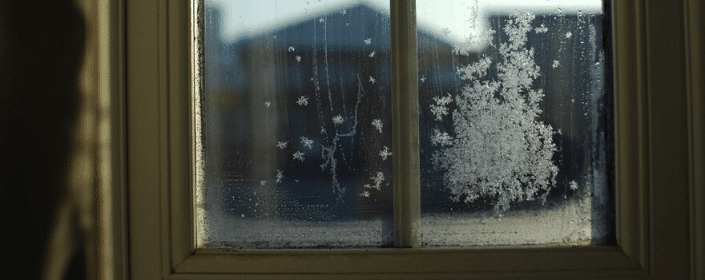
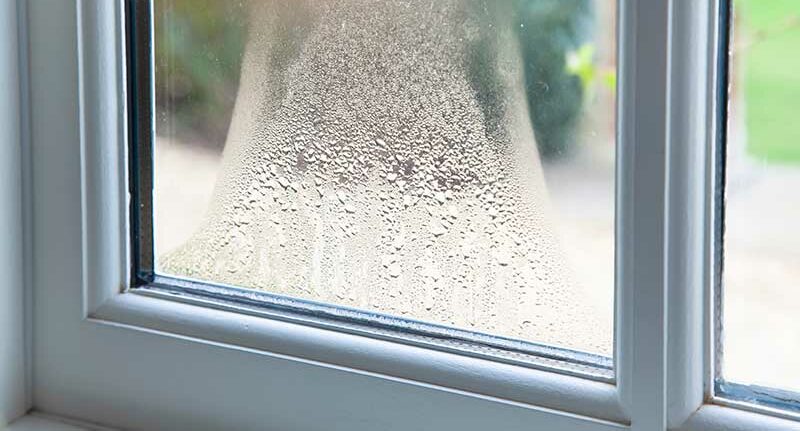
Window sweat is just condensation. Water in the air turns into liquid on a cold surface. Glass is often the coldest surface in a room. So it becomes a magnet for moisture.
Think of a cold drink on a hot day. Drops form on the outside of the glass. Your windows do the same. That is the short answer to why do my windows sweat. The longer answer adds humidity, temperature, and airflow.
The science is simple. Warm air holds more water than cold air. When warm, humid air hits cold glass, it cools fast. If it cools enough, it reaches its dew point and drops water on the glass.

Why it happens in winter, summer, and certain rooms
Winter is the big season for window sweat. Outdoor air is cold, so window glass runs cold. Heat inside raises the room temperature, yet humidity from daily life stays in. When that moist air touches cold panes, you get fog or drops.
Summer can do it too. If your home is cool and the air outside is muggy, you may see sweat on the outside of windows. That is normal and not a problem. Many readers ask why do my windows sweat in the bathroom or kitchen. Cooking, showers, and even fish tanks add a lot of moisture fast.
Bedrooms can be a surprise. Breathing adds humidity at night. Closed doors and blinds trap that air near the glass. In the morning, you see wet panes and sills.

Diagnose where the moisture is forming
Not all window moisture is the same. The spot tells the story and the fix.
- Inside of the glass: Indoor humidity is too high for the glass temperature. Improve ventilation and reduce moisture at the source.
- Outside of the glass: Outdoor air is humid, and the glass is cooler than the air. This is common in summer. No action needed.
- Between panes: The seal on double or triple panes has failed. The gas is gone. Replace the unit or sash.
I always start with this check on house calls. It keeps you from spending on the wrong fix. It also sharpens your answer to why do my windows sweat.

Humidity, temperature, and dew point made simple
Humidity is how much water is in the air. We look at relative humidity, or RH, which is a percent. At a given room temperature, there is a safe RH range. Most homes do well at 30 to 50 percent RH.
Dew point is the temperature where air gives up water. If your window glass is below that point, you get sweat. You can measure RH with a cheap hygrometer. That tool answers why do my windows sweat faster than any guess.
As a rule of thumb, drop indoor RH as outdoor temps fall. Many humidifiers have a dial for this. Building science groups advise lower RH in deep winter to avoid condensation.
Quick fixes you can do today
You can cut window sweat fast with small steps. Try these first.
- Run bathroom fans during showers and 20 minutes after. Moisture goes out, not onto glass.
- Use the range hood when boiling or frying. Vent to the outside if you can.
- Open blinds or curtains during the day. Warm room air can reach the glass and dry it.
- Move plants and furniture a few inches from windows. Give air space to flow.
- Squeegee or wipe wet glass each morning. This stops water from soaking sills.
- Crack a window for five minutes after steamy tasks. A quick air swap drops RH a lot.
- Turn down the whole-house humidifier. Set it lower as outdoor temps drop.
- Keep rooms evenly heated. Cold corners near windows invite moisture.
These steps help right away and cost little. For many homes, they solve why do my windows sweat without upgrades.

Long-term fixes and smart upgrades
If condensation keeps coming back, think bigger. The aim is simple: warmer glass and lower indoor humidity peaks.
- Add or fix ventilation. A balanced HRV or ERV can exchange stale air for fresh air with less heat loss.
- Seal air leaks around frames. Use low-expansion foam and proper weatherstripping to cut cold drafts.
- Upgrade glazing. Choose double or triple-pane, low‑E coatings, and warm-edge spacers to raise glass temperature.
- Add storm windows. Quality storms can boost performance at a lower cost than full replacements.
- Insulate and air seal walls and attics. A tighter, well-balanced home stays even and dry.
- Fix window treatments. Avoid tight, sealed shades at night in deep winter. Leave a small gap for airflow.
- Tune HVAC. Make sure supply and return air reach rooms with big windows.
When I retrofit older homes, the biggest gains came from airflow and better panes. These cut the root cause of why do my windows sweat, not just the signs.

Prevent mold and damage
Water on glass is one thing. Water soaking into wood sills is another. Over time, this can lead to mold, peeling paint, and rot.
- Keep RH below 50 percent most of the time. In cold snaps, aim for 30 to 40 percent.
- Dry sills right away. A quick wipe prevents stains and swelling.
- Use paint or sealers on wood sills. A sealed surface resists moisture.
- Watch corners and carpet near windows. Damp carpet and drywall can hide mold.
- Fix failed window seals soon. Moisture between panes can spread to frames.
If you smell a musty odor near windows, act fast. That is a sign you need more than a towel. It also means why do my windows sweat has gone from a comfort issue to a health risk.

Seasonal checklist
Winter
- Turn down the humidifier as temps fall. Many thermostats let you set a schedule.
- Run bath and kitchen fans often. Keep them clean for full airflow.
- Keep blinds open a bit overnight. Let room air warm the glass.
- Check weatherstripping and caulking. Fix gaps that chill the window surface.
Spring and fall
- Use natural venting on mild days. Short, wide-open bursts work best.
- Service HRV or ERV cores and filters. Good flow keeps RH in check.
- Watch for fog between panes. Plan repairs before next winter.
Summer
- Do not worry about outside sweat. It shows your glass is efficient and cool.
- Keep indoor RH near 50 percent. A dehumidifier helps in damp basements.
- Run the range hood and bath fans even if the AC runs.
Follow this list and you will ask why do my windows sweat far less often.
Common myths about window sweat
- New windows always stop condensation. Not true. If indoor RH stays high, even great windows can fog.
- Sweaty windows always mean leaks. Often it is normal physics. Check RH and temperature first.
- Fans waste heat in winter. Short, targeted fan use cuts RH and can save energy.
- A humidifier should stay at one setting. It should change with the weather.
- Condensation equals mold. Condensation is a warning. Mold needs time, food, and warmth. Stop the moisture early.
I have seen these myths cost homeowners money. Clear the myths, and why do my windows sweat becomes easy to solve.
Frequently Asked Questions of why do my windows sweat
Why do my windows sweat in winter but not in summer?
In winter, cold glass meets humid indoor air and water forms. In summer, outdoor air can be humid, but indoor glass is often warmer on the inside surface.
Is condensation on the outside of windows bad?
No. It means the glass is cool and efficient, and the outdoor air is humid. It should dry as the day warms.
What humidity level should I keep at home?
Aim for 30 to 50 percent RH. In very cold weather, stay closer to 30 to avoid window sweat.
Do curtains and blinds make condensation worse?
They can if closed tight. Trapped air near the glass cools and collects moisture. Leave a small gap for airflow.
How do I know if my window seal has failed?
Look for fog or dirt between panes that you cannot wipe away. That means the seal is bad and the unit needs repair or replacement.
Will a dehumidifier fix the problem?
It helps, especially in basements or tight homes. Use it with fans and source control for best results.
Can plants cause window sweat?
Yes, many plants raise indoor humidity. Move them away from windows and watch RH levels.
Conclusion
Window sweat is simple physics at work. Warm, moist air hits cool glass and turns to water. With a few checks and steady habits, you can keep glass clear and sills dry. Track RH, boost airflow, and warm the glass. If you still wonder why do my windows sweat, use the steps here to test, adjust, and upgrade.
Start today. Pick one quick fix and one long-term step from this guide. If you found this helpful, share it with a friend, subscribe for more home tips, or drop your questions in the comments.