

Excess humidity, poor airflow, condensation, leaks, and wet items create damp drawers.
If you have ever opened a drawer and felt that clammy touch or smelled a musty whiff, you are not alone. I have helped many homeowners figure out what causes dampness in drawers, and the real fix starts with finding the root. In this guide, you will learn the science, the common triggers, the quick wins, and the long game. You will walk away able to spot and stop the problem with confidence.

How moisture sneaks into drawers
Most drawers are tiny rooms. They trap air. That air can hold water. When the air cools or sits still, water settles on surfaces. That is what causes dampness in drawers most of the time. Here are the main culprits you should check first:
- High indoor humidity The air in your home holds too much moisture. Bedrooms, closets, basements, and kitchens are hot zones.
- Poor airflow Drawers sit in enclosed cabinets. Little or no air moves, so trapped moisture lingers.
- Condensation The drawer face or cabinet wall is cooler than the room air. Moisture in the warm air condenses on the cool surface.
- Plumbing leaks Water lines, drain traps, or fridge lines near the cabinet leak or sweat. The cabinet absorbs that moisture.
- Damp walls or floors Exterior walls, basements, and crawl spaces pass moisture into cabinets through small gaps or porous wood.
- Wet items Storing damp clothes, towels, sponges, or freshly cleaned items adds water to the air inside the drawer.
- Recent cleaning or painting Water based cleaners or fresh paint keep moisture inside the wood until fully cured.
- Seasonal swings Spring and fall often bring big humidity shifts. The change raises risk of condensation in drawers.
- Pests and hidden leaks Rodents or insects can carry moisture or damage seals. Even a tiny roof or window leak can wick down a wall.
- Houseplants and aquariums Added moisture indoors lifts humidity. That feeds what causes dampness in drawers.
- HVAC issues Short cycling or wrong fan settings reduce dehumidification. That leaves indoor air damp.
A quick rule I share with clients You need an indoor relative humidity around 30 to 50 percent. Above 60 percent, drawer dampness and musty smells rise fast. That guide alone solves half the cases.

The science behind drawer dampness
Drawer dampness is often about dew point. Warm air holds more water. When warm, moist air hits a cool drawer wall, the water in the air turns into liquid. That is condensation.
Two pieces matter most
- Relative humidity This shows how full of moisture the air is. At 60 percent and up, risk climbs fast.
- Temperature difference If drawer panels are cooler than room air, the air in the drawer will hit dew point and form moisture.
This is why a basement dresser gets damp while a bedroom dresser stays dry. Basements are cooler and often more humid. That mix explains what causes dampness in drawers in many homes.

Common household scenarios and root causes
I see patterns repeat in homes. Use these to spot what causes dampness in drawers fast.
- Kitchen drawers Near a sink, dishwasher, or fridge. Steam, wet dish towels, and micro leaks push moisture into cabinets.
- Bathroom vanities Constant steam from showers. If the fan is weak or not used, vanity drawers get damp.
- Bedroom dressers on exterior walls The wall is cold in winter. Warm indoor air condenses on the cabinet back.
- Closets and built ins Tight spaces with little airflow. Stored damp clothes or linens trigger musty drawers.
- Basements and laundry rooms Cool rooms with high humidity. Dryer vents or unsealed floors add moisture.
A quick example from my work I once found a damp sock drawer caused by a tiny hairline leak in a nearby toilet supply line. The cabinet base wicked moisture up. The owner thought it was just humid air. A ten dollar hose fix solved months of musty socks.
These patterns all point back to one thing If you want to end what causes dampness in drawers, you must control humidity and airflow, and fix any leaks.
How to diagnose what causes dampness in drawers
Use this simple checklist. It takes 20 minutes and will save you time and money.
- Feel and smell test Touch the drawer sides and back. If they feel cool and clammy, think condensation. Note any musty smell.
- Check for visible clues Look for swelling wood, rust on screws, water rings, or dark spots.
- Use a hygrometer Place a small hygrometer inside the drawer for a day. Over 60 percent RH points to a humidity issue.
- Try the paper test Tape a strip of paper to the cabinet back. If it waves or feels damp after a day, air is moist or moving from the wall.
- Inspect nearby water sources Check under sinks, appliance lines, and traps. Look for drips, sweating pipes, or wet insulation.
- Scan the wall and floor Feel the wall behind the cabinet. Cool or damp spots hint at exterior moisture.
- Check ventilation Turn on bath and kitchen exhaust fans. Make sure they vent outdoors and actually move air.
- Review HVAC operation Ensure the system runs long enough to dehumidify. Set fan to auto, not on, to prevent re evaporating moisture.
Document your findings. That record will show patterns and confirm what causes dampness in drawers in your case.

Fixes that work right away
Start with quick wins to dry the space and stop further damage.
- Empty and dry Remove items. Dry the drawer with a soft towel. Leave it open for airflow.
- Add airflow Prop drawers open a crack for a day. Aim a small fan on low if needed.
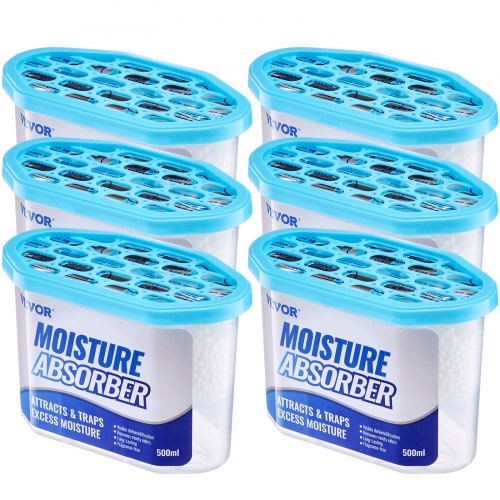
- Use desiccants Place silica gel, calcium chloride, or activated charcoal in the drawer. Replace as they saturate.
- Warm the surface Slight warmth helps. A low setting on a hair dryer can dry the wood. Keep it moving and do not overheat.
- Seal small gaps Use a thin bead of clear sealant where the cabinet meets the wall if you find air leaks.
- Address wet items Never store damp fabrics, sponges, or papers. Dry them first, every time.
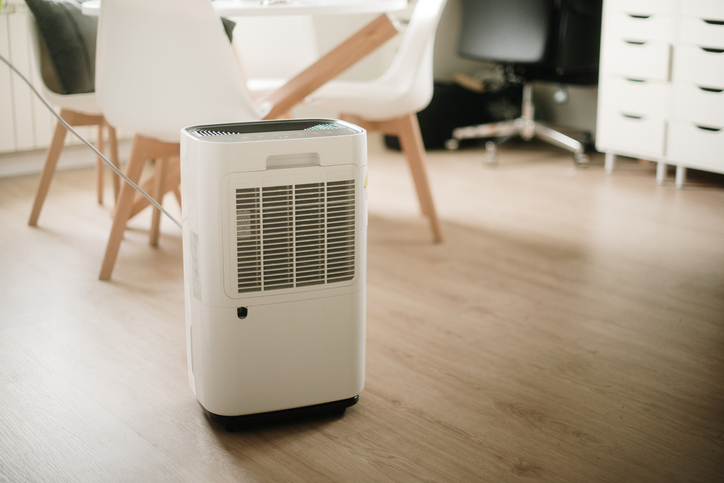
- Run a dehumidifier If the room is humid, run a dehumidifier to 45 to 50 percent RH.
These steps reduce symptoms even before you solve what causes dampness in drawers at the source.
Long term solutions to prevent it
Prevention is the real win. Tackle the environment and the building details.
- Control indoor humidity Keep 30 to 50 percent RH with a whole home or room dehumidifier. Use smart sensors to track levels.
- Ventilate right Use bath and kitchen fans during and 20 minutes after use. Make sure they vent outdoors.
- Insulate and air seal Add foam gaskets at outlets on exterior walls. Seal cabinet wall penetrations for pipes and wires.
- Fix plumbing risks Replace old supply lines with braided lines. Insulate cold water pipes to stop sweating.
- Improve cabinet airflow Add low profile vents to cabinet backs. Leave a small gap behind the furniture when possible.
- Warm cold surfaces Move dressers off exterior walls by one inch. A small spacer can stop condensation.
- Choose better materials Use sealed or lacquered drawer boxes. Add a low VOC clear coat to bare wood after it is fully dry.
- Add vapor control In basements, install a vapor barrier on floors or walls if needed. Address foundation leaks or gutter issues outside.
I learned this the hard way in a rental. A basement dresser stayed damp until I spaced it one inch off the wall, sealed a cable hole, and ran a dehumidifier at 45 percent. After that, the drawer stayed dry. That is a simple fix for what causes dampness in drawers in many lower level rooms.

Mistakes to avoid
Some fixes backfire. Skip these traps.
- Masking the smell without drying Scented sachets and sprays only hide odors. They do not remove moisture.
- Overloading drawers Packed drawers block airflow. Give space for air to move.
- Using heaters without control Too much heat can warp wood. Use gentle warmth and track humidity.
- Ignoring small leaks A tiny drip becomes a big mold job. Fix leaks as soon as you see them.
- Skipping follow up testing Check humidity a week after any change. Confirm you solved what causes dampness in drawers.
Maintenance checklist
Make this simple routine part of your home care.
- Monthly Open each problem drawer. Feel for cool or damp spots. Replace desiccants as needed.
- Seasonally Spring and fall, check humidity and adjust dehumidifiers. Inspect for new gaps or leaks.
- After big weather events Check exterior walls and plumbing. Look for signs of moisture in nearby cabinets.
- Laundry and kitchen habits Always dry towels and cloths before storing. Run fans during and after cooking or showers.
- Furniture placement Keep at least one inch of air gap from exterior walls.
Follow this plan and you will rarely wonder what causes dampness in drawers again.

Frequently Asked Questions of what causes dampness in drawers
Why do drawers feel damp even when the room seems dry?
Hidden cold spots and trapped air can cause condensation inside drawers. A small temperature drop can tip air past the dew point.
Can new furniture have damp drawers?
Yes. Fresh finishes and wood can hold moisture. Let new pieces air out for a few days in a dry room.
Do silica gel packs stop what causes dampness in drawers?
They help reduce moisture but only treat symptoms. You still need to control humidity and fix leaks.
Is a musty smell a sign of mold?
It can be. Musty odors suggest mold growth. Dry the area and clean with a gentle cleaner, then solve the moisture source.
Will a dehumidifier fix all drawer dampness?
It helps a lot. But you also need airflow and to stop leaks and cold surface condensation.
Are exterior walls the main reason for damp drawers?
They are a common cause, but not the only one. Indoor humidity and plumbing issues are also big factors.
Can liners make drawers damp?
Yes, non breathable liners can trap moisture. Use breathable liners and keep the area dry.
Conclusion
You now know what causes dampness in drawers and how to fix it for good. Check humidity, boost airflow, warm cold surfaces, and chase down leaks. Start with quick steps today, then set up smart prevention for the long run.
Ready to dry out your space and keep it fresh Share your experience, ask a question, or subscribe for more practical home tips.