

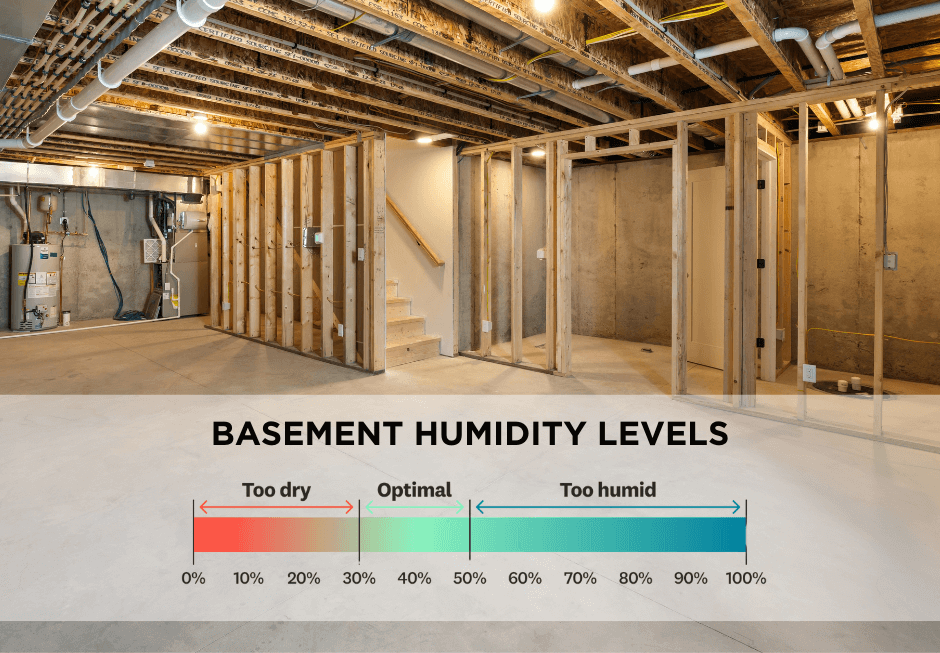
Aim for 30% to 50% relative humidity, with 40% as a sweet spot.
If you want a dry, healthy, and long‑lasting basement, you need the right moisture balance. In my work on hundreds of homes, I’ve seen how the ideal humidity level for basement spaces can stop mold, protect wood, and make the whole house feel better. Stay with me. You’ll get clear targets, easy tools, and the exact steps to reach and keep the ideal humidity level for basement comfort and safety.

What is the ideal humidity level for basement spaces?
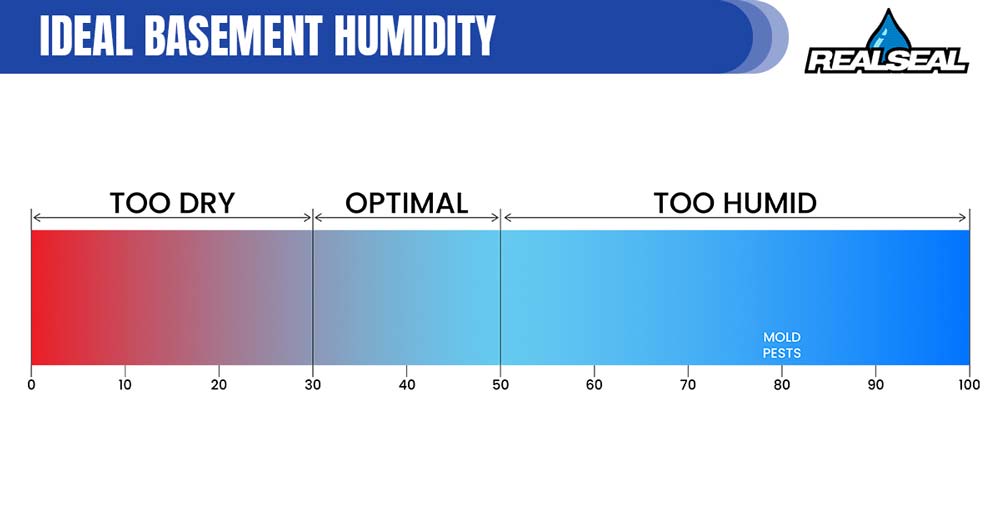
The ideal humidity level for basement comfort and health is 30% to 50%. Most homes land near 40% to 45% when things feel just right. Below 30%, air can feel harsh and dry. Above 50%, mold and dust mites can bloom fast.
There is no one number for every home. But the ideal humidity level for basement areas stays in that 30% to 50% band year round. In winter, get closer to 35% to avoid window sweat. In summer, keep it under 50% to starve mold.
These targets match building science and public health guidance. They also line up with what I see in real basements after fixes.
Why the number matters more than you think
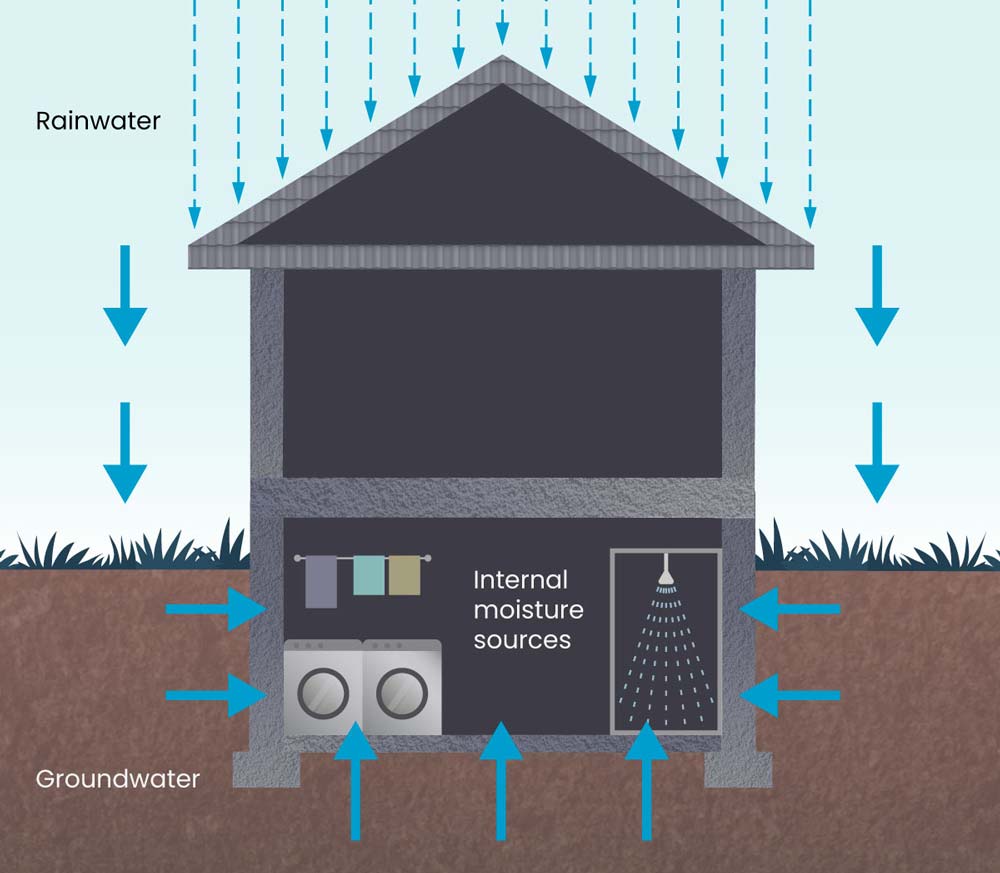
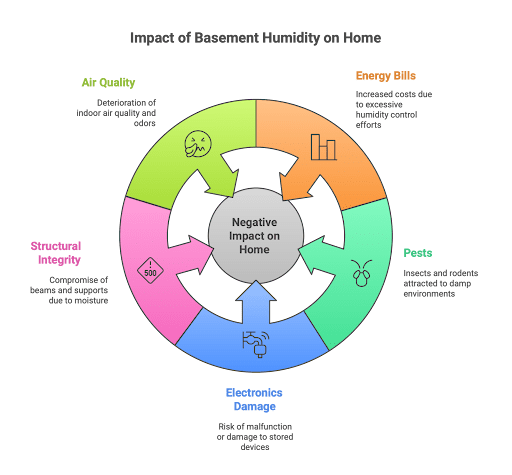
When air is damp, mold can grow in 24 to 48 hours. It hides on drywall, wood, glue, and dust. The ideal humidity level for basement rooms keeps mold at bay and cuts musty smells.
High moisture harms your home. Wood swells. Doors stick. Steel rusts. The ideal humidity level for basement areas also guards air quality. It reduces dust mites and can ease allergies and asthma.
There is a cost edge, too. Dry air is easier to cool. Your AC and dehumidifier run less when you lock in the ideal humidity level for basement comfort.

How to measure basement humidity the right way
Use a digital hygrometer. Place it at chest height, away from vents, windows, and exterior walls. Check at least three spots if your basement is large. Record morning and evening readings for a week.
I like to leave one sensor near the sump pit or drain. Moisture spikes start there. Pair a hygrometer with a simple thermometer. The ideal humidity level for basement control depends on both heat and moisture.
Smart sensors help if you travel. Some send alerts when you pass 50%. That’s your cue to act fast and keep the ideal humidity level for basement health.
Seasonal targets and climate tips
In summer, basements soak up ground and air moisture. Aim for 45% to 50%. If you live in a humid zone, 50% is your ceiling. In dry regions, 40% feels fine.
In winter, cold air holds less water. Shoot for 35% to 40%. This avoids window sweat and frost. If your home has new tight windows, you may need to lower it a touch. The ideal humidity level for basement spaces changes with the seasons, but stays in that safe band.
During shoulder seasons, watch swings. Rainy weeks push you up. A few dry days pull you down. Your job is to keep the ideal humidity level for basement rooms stable.
How to reach and maintain the ideal level
Here is a simple plan I use with clients.
- Fix water entry first. Seal wall cracks. Extend downspouts 6 to 10 feet. Regrade soil so water flows away. A dry shell makes the ideal humidity level for basement control much easier.
- Add a dehumidifier. Size it to square feet and moisture load. For most basements, 50 to 70 pints per day works. Set it to 45%. Run a drain line to a floor drain or pump.
- Improve air flow. Leave doors open. Use a small fan to move air into dead zones. Better air mix helps hold the ideal humidity level for basement spaces.
- Insulate and air seal. Rim joists leak a lot. Use foam board and seal edges. Insulate cold pipes to stop sweat.
- Control sources. Cover the sump pit. Use a lid on aquariums. Dry laundry upstairs.
I once helped a family with a musty, damp den. We re‑routed downspouts, sealed the rim, and added a 70‑pint unit with a drain. In two weeks, smell was gone and the meter sat at 42%. They kept the ideal humidity level for basement use without a fight.

Troubleshooting common basement moisture problems
If your meter reads over 50%, look for these signs.
- Wet corners or white salt crust on walls. That means seepage. Add a gutter fix and check grading.
- A rusty sump cover or damp pump pit. Seal the lid and vent it right.
- Condensation on ducts or pipes. Insulate cold lines. Keep the ideal humidity level for basement areas below 50% to stop sweat.
- Musty rugs or sticky doors. Pull rugs, dry the slab, and raise air flow.
If humidity drops below 30%, add a bit of moisture in winter. Lower space heat or run the dehumidifier less. You want a steady path back to the ideal humidity level for basement comfort.

Cost, energy, and sizing tips
Pick Energy Star style dehumidifiers when you can. They save power at the same moisture pull. Look for auto defrost for cool basements. Set the target at 45% and use the timer for off‑peak power hours.
Right size matters. A small unit runs nonstop and fails fast. A huge one can short cycle and miss deep drying. Use the maker’s chart. If in doubt, go one size up, not three. That helps you hold the ideal humidity level for basement rooms with less noise and cost.
Also check your HVAC. If you tie your basement to the main system, use the fan on auto, not on. Too much run time can lift humidity.

Special cases: finished basements, storage, and hobbies
Finished basements need more care. Drywall and carpet love moisture. Keep the ideal humidity level for basement living areas near 40% to 45%. Use a unit with a drain and a built‑in pump.
For storage, choose shelves, not floor stacks. Use sealed bins. Toss any damp cardboard. The ideal humidity level for basement storage protects photos, books, and gear.
Wine rooms and music gear need tight control. A wine nook likes 55% to 60%, but that is too high for the rest of the space. Seal that zone off. For guitars and pianos, 40% to 50% is the safe band. In both cases, monitor and do not guess. You still want the ideal humidity level for basement zones outside those rooms to stay below 50%.
A simple weekly and yearly checklist
Weekly
- Check the hygrometer. Confirm the ideal humidity level for basement areas stays under 50%.
- Empty or test the dehumidifier drain. Clean the filter if needed.
- Walk the walls and corners. Look for damp spots or musty smells.
Seasonal
- Clean gutters. Extend downspouts if water pools near walls.
- Inspect window wells and covers.
- Test the sump pump. Replace the battery on the backup if you have one.
Yearly
- Service the dehumidifier coils and fan.
- Reseal rim joists if gaps open.
- Review grading. Add soil to slope away from the house.
These tiny steps keep the ideal humidity level for basement health locked in all year.
Frequently Asked Questions of ideal humidity level for basement
What is the ideal humidity level for basement areas in summer?
Aim for 45% to 50%. This range keeps mold down and air fresh without overworking gear.
What is the ideal humidity level for basement rooms in winter?
Stay near 35% to 40%. This reduces window sweat and keeps wood stable.
How often should I check basement humidity?
Check daily for the first week, then weekly. Use alerts if you travel or rent the space.
Can I use my central AC to control basement humidity?
It helps a bit, but not enough alone. A stand‑alone dehumidifier is the best tool for basements.
Why does my basement still smell musty at 45%?
You may have hidden mold or wet materials. Dry the source, clean with proper methods, and hold the target range.
Do I need a vapor barrier to reach the ideal humidity level for basement comfort?
Often, yes on dirt floors or open crawl links. Pair it with drainage and sealing for best results.
Conclusion
You now know the target and the path. Keep your meter between 30% and 50%, and aim for 40% to 45% most days. Fix water entry, size a dehumidifier well, and watch a few key spots.
Small steps pay off fast. Start with a hygrometer today. Set a simple plan and lock in the ideal humidity level for basement health, comfort, and value. Want more tips like this? Subscribe, share your results, or ask a question below.